2026-09-27 01:51:59
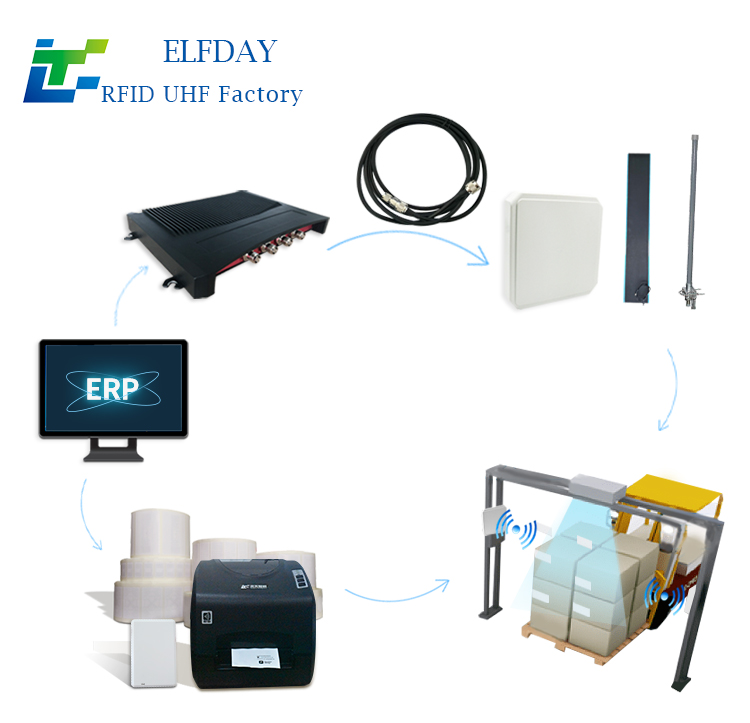
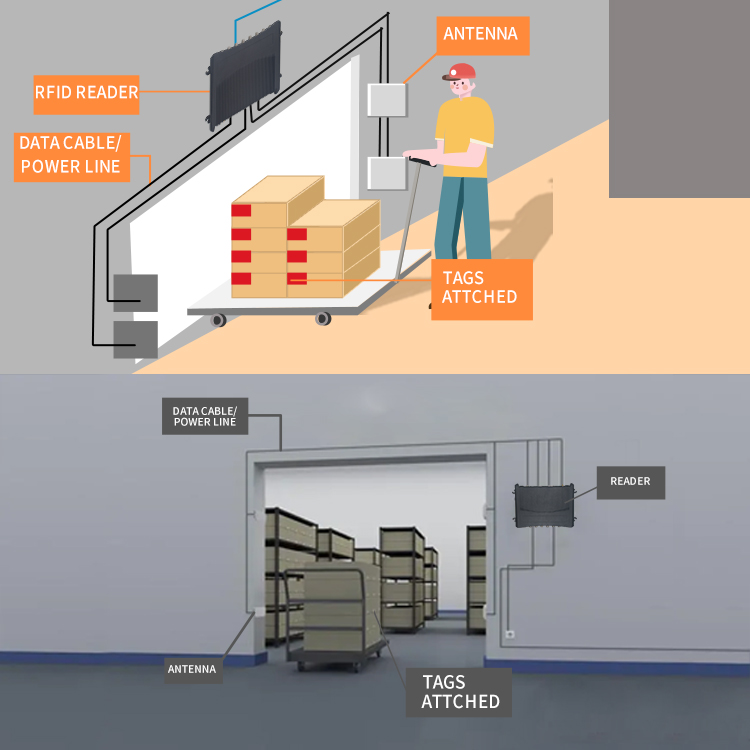
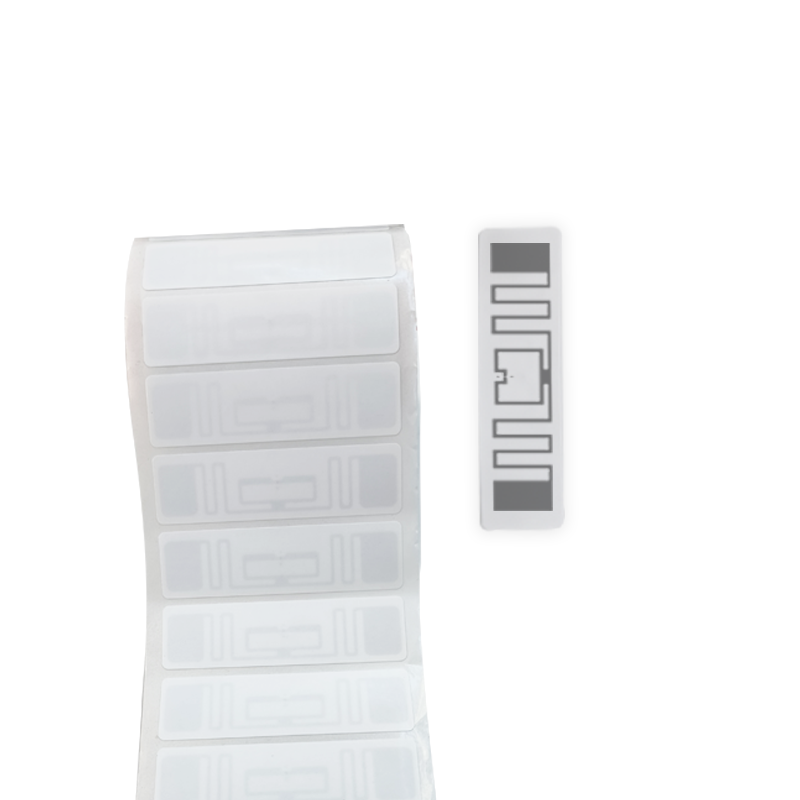
How can RFID tags automate warehouse inventory tracking? RFID tags can automate inventory tracking by allowing RFID readers to identify multiple tagged items without individually scanning each barcode. The captured data can be used to record inventory movements, update warehouse systems, reduce manual counting, and identify potential stock discrepancies.
2026-09-27 01:23:40
RFID tags can improve inventory visibility by giving products, cartons, pallets, and assets a digital identity that can be detected as they move through receiving, storage, picking, and shipping. By reducing manual scanning and counting, RFID can help businesses track inventory movement, identify discrepancies, and maintain more up-to-date stock information.
2026-09-24 01:59:59
Warehouse receiving is one of the first steps in the inventory management process. When products, cartons, pallets, or containers arrive at a warehouse, employees need to identify the shipment, verify the contents, record the received inventory, and move the goods to the appropriate storage location.
2026-09-24 01:20:14
In warehouses and logistics operations, UHF RFID can help identify multiple products, cartons, and pallets from a distance, while HF RFID is better suited to controlled, short-range reading. Comparing UHF RFID vs HF RFID can help inventory and supply chain teams choose the right technology based on read range, reading speed, tag volume, and operating environment.
2026-09-23 02:04:47
RFID and NFC are related technologies, but they are designed for different types of identification and communication. NFC operates at 13.56 MHz and is intended for very short-range communication, often with smartphones and other NFC-enabled devices.
2026-09-23 01:41:25
RFID and QR codes can both be used for tracking products, assets, inventory, and equipment, but they work in different ways. QR codes generally require a camera or scanner to see the code, while RFID tags can often be identified without direct line of sight. RFID can also read multiple tagged items in a short period, while QR codes are typically scanned individually.
2026-09-22 01:39:25
Choosing RFID tags for harsh industrial environments requires more than selecting a tag with a long read range. Industrial applications may expose tags to heat, cold, chemicals, moisture, dust, abrasion, vibration, impacts, and metal surfaces. The right RFID tag should match the actual environmental conditions, mounting surface, attachment method, RFID frequency, and required read performance. Testing the finished tag under real operating conditions can help confirm long-term reliability.
2026-09-22 01:18:22
RFID tags can be used in cold storage facilities, refrigerated warehouses, and freezers, but the tag should be selected for the expected temperature and moisture conditions. Low temperatures can affect adhesives, tag materials, Cold-resistant RFID tags with suitable materials and adhesives can help maintain reliable identification of frozen foods, pharmaceuticals, containers, pallets, and other temperature-sensitive inventory.
2026-09-21 01:53:39
RFID tags can be designed to withstand chemicals and harsh operating conditions, but standard RFID labels may not be suitable for demanding industrial environments. Chemical-resistant and rugged RFID tags can use durable substrates, protective housings, specialized adhesives,
2026-09-21 01:26:25
RFID tags can be designed for high-temperature environments, but their performance depends on the chip, antenna, substrate, adhesive, and protective housing. When selecting RFID tags for hot environments, businesses should consider maximum temperature, exposure time, thermal cycling, mounting surface, and whether the tag needs to be read while hot.
2026-09-19 02:04:42
RFID tags can be made waterproof or highly water-resistant, but not every RFID tag is designed to withstand prolonged exposure to water. Standard paper labels may be suitable for dry environments, while sealed, encapsulated, or rugged RFID tags can provide better protection against rain, moisture, washing, and temporary immersion. The right choice depends on the expected level of water exposure, tag construction, mounting surface, and required service life.
2026-09-19 01:41:50
Outdoor RFID tags are designed to identify and track assets exposed to rain, sunlight, dust, moisture, temperature changes, and physical wear. They can be used on construction equipment, vehicles, tools, containers, industrial machinery, and other outdoor assets that require durable and reliable identification.