2026-09-18 02:46:15
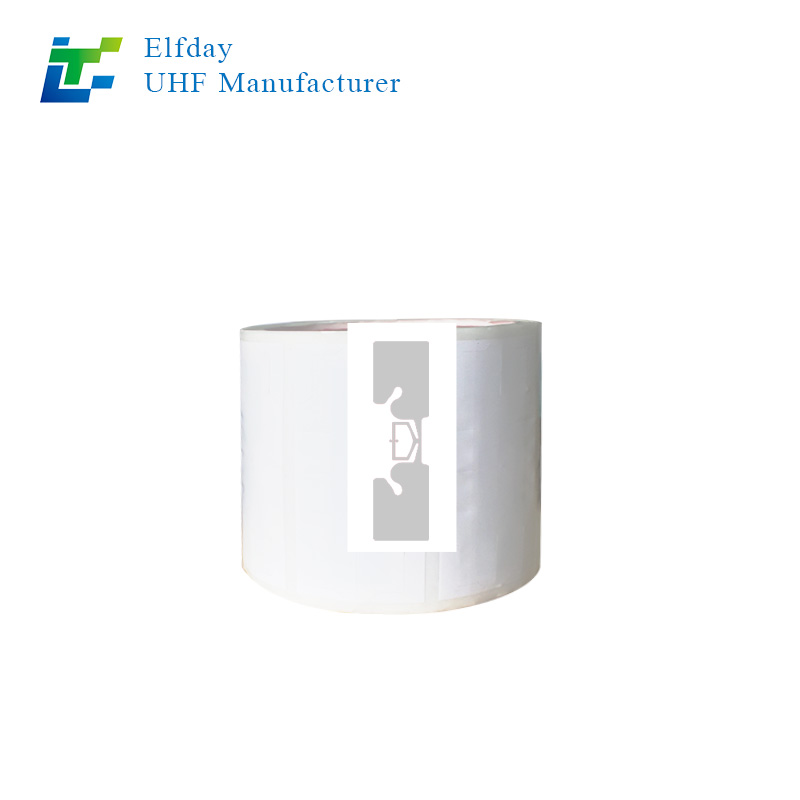
HF RFID tags can be used on products containing liquids, but liquids may affect RF communication and reduce reading consistency. Understanding how water, beverages, cosmetics, oils, and other liquids interact with RFID tags can help businesses choose suitable tags and improve read performance.
2026-09-18 02:17:05
RFID tags can be used on products containing liquids, including beverages, cosmetics, pharmaceutical products, oils, and chemical containers. However, liquids can affect RFID communication, particularly with UHF RFID, by changing the RF environment around the tag antenna. Choosing the right RFID tag, adjusting tag placement, maintaining suitable spacing from the liquid, and testing the finished product can help improve read reliability.
2026-09-17 01:48:47
RFID tags can be used on many glass products, bottles, containers, and assets because glass itself is generally compatible with radio-frequency communication. RFID labels can often be attached directly to flat or curved glass surfaces for identification and tracking. However, the contents of a glass container, especially liquids, can affect RFID read performance, making tag placement, antenna design, and testing important considerations.
2026-09-17 01:32:33
RFID tags can be used on many plastic products, containers, packages, and reusable assets because most common plastics do not block RFID signals in the same way as metal. Plastic bottles, bins, totes, trays, packaging, and equipment can therefore be suitable surfaces for RFID tags. However, the type of plastic, product contents, tag placement, and RFID frequency can still affect read performance.
2026-09-16 01:52:42
RFID tag size can affect read range because the size and design of the tag antenna influence how efficiently the tag interacts with an RFID reader. Larger tags may provide more space for antenna designs that support longer reading distances, while smaller RFID tags are often preferred when installation space is limited. However, tag size is only one factor affecting read range, alongside frequency, antenna design, reader power, tag placement, and surrounding materials.
2026-09-16 01:35:11
RFID tag orientation can affect read performance, especially when the tag antenna is poorly aligned with the reader antenna. Changes in tag position, angle, distance, and surrounding materials can influence signal strength and read reliability. Understanding RFID tag orientation helps businesses place tags more effectively on products, containers, equipment, and assets.
2026-09-15 01:35:31
RFID tags can be read very quickly, and many RFID systems can identify multiple tags within a short period rather than scanning items one by one. Actual reading speed depends on the RFID technology, reader configuration, number of tags, tag response, distance, and surrounding environment. This makes RFID useful for high-volume inventory, warehouse, retail, manufacturing, and logistics applications.
2026-09-15 01:17:02
RFID tags can be read without direct line of sight because RFID readers use radio-frequency signals instead of optical scanning. This allows tagged items to be identified when the tag is inside packaging, mixed with other products, or positioned where it cannot be easily seen. However, materials such as metal and liquids, as well as tag orientation and reader placement, can affect reading performance.
2026-09-14 01:51:30
RFID backscatter communication allows a passive RFID tag to send data back to a reader without generating its own conventional radio signal. The reader provides a radio-frequency signal, and the RFID tag changes the way it reflects that signal to encode information. The reader detects these changes and converts them into digital tag data.
2026-09-14 01:32:45
An RFID reader communicates with an RFID tag by sending radio-frequency signals through its antenna. The tag detects the signal, responds according to the RFID communication protocol, and sends its identification or stored data back to the reader. This wireless process allows RFID systems to identify and track items without requiring direct line of sight.
2026-09-11 01:49:27
RFID tags store digital information inside memory areas built into the RFID chip. Depending on the tag type, stored data may include a unique ID, product information, serial numbers, or other identification details. When an RFID reader sends a radio signal to the tag, the chip responds by transmitting the stored information back to the reader.
2026-09-11 01:17:38
RFID tags can store different types of information depending on the RFID chip and application. A tag may contain a unique identification number, product details, asset information, or other data used for inventory, logistics, retail, manufacturing, and tracking.