



Industrial RFID Tags for Smarter Manufacturing Production Tracking
Modern manufacturing depends on accurate information at every stage of production. From raw materials arriving at the facility to components moving between workstations and finished goods entering the warehouse, manufacturers need to know what they have, where it is, and where it needs to go next.
Manual tracking can become difficult as production volumes increase. Paper records, barcode scanning, and repeated data entry may create additional work and leave room for mistakes.
Industrial RFID tags provide another way to identify and track materials, components, work-in-progress products, and finished goods. By connecting physical items with digital identification, RFID technology can give manufacturing teams better visibility throughout the production process while reducing repetitive tracking tasks.
What Are Industrial RFID Tags?
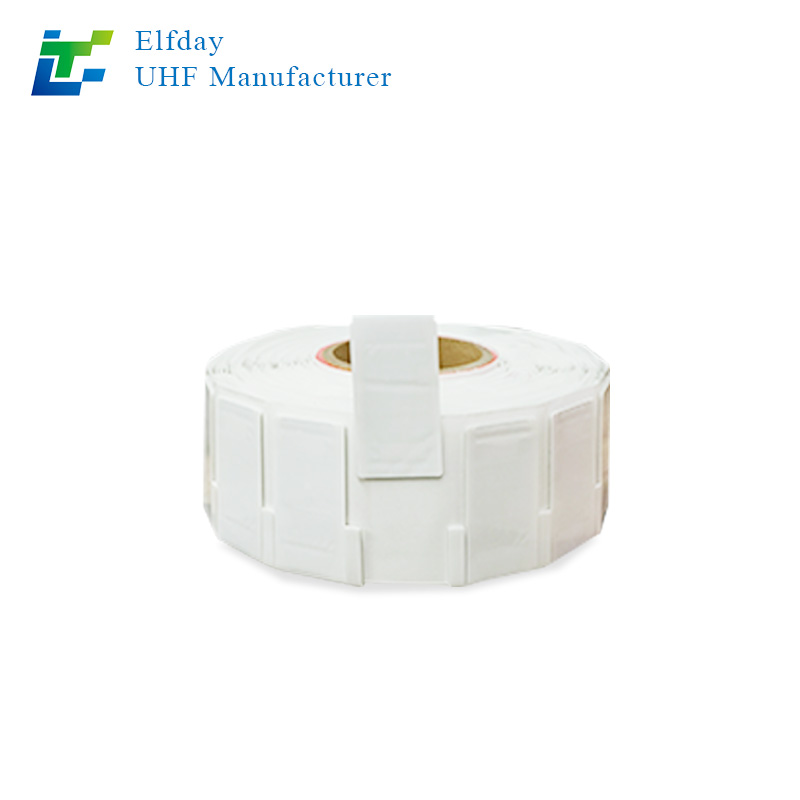
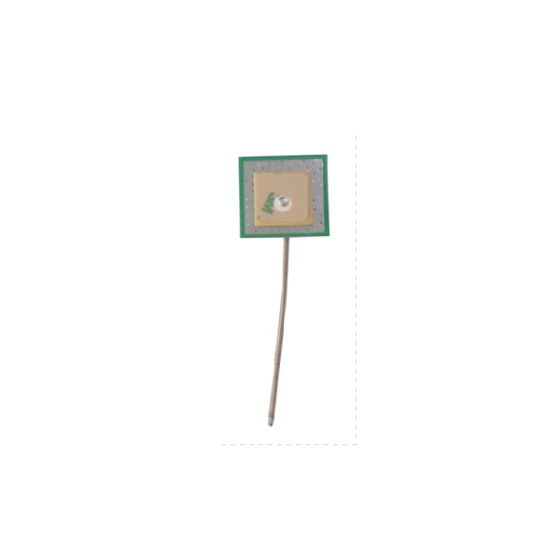
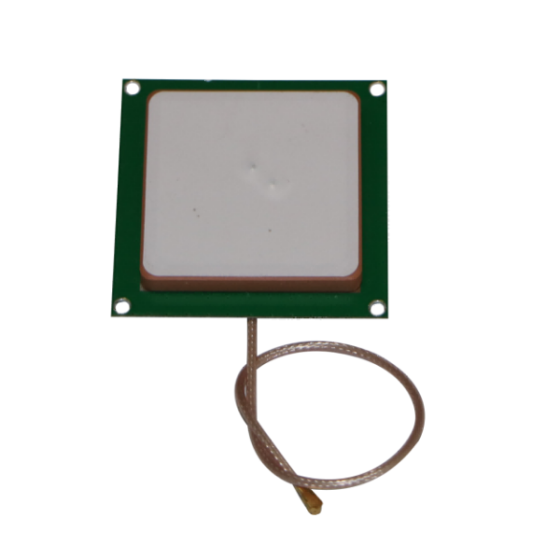
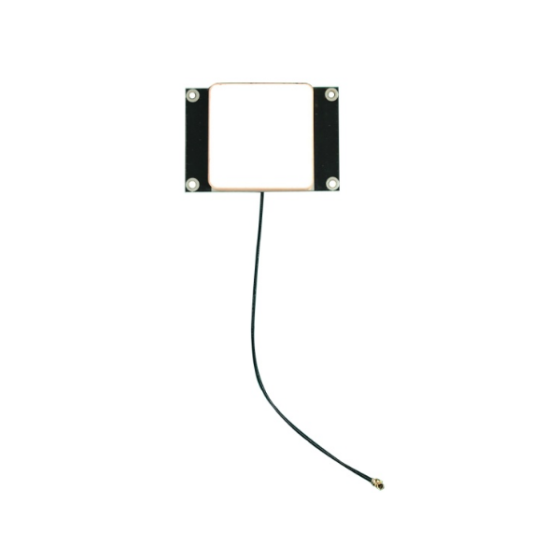
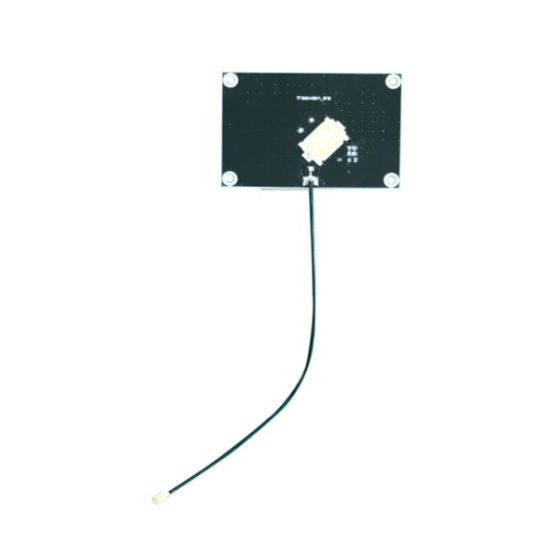
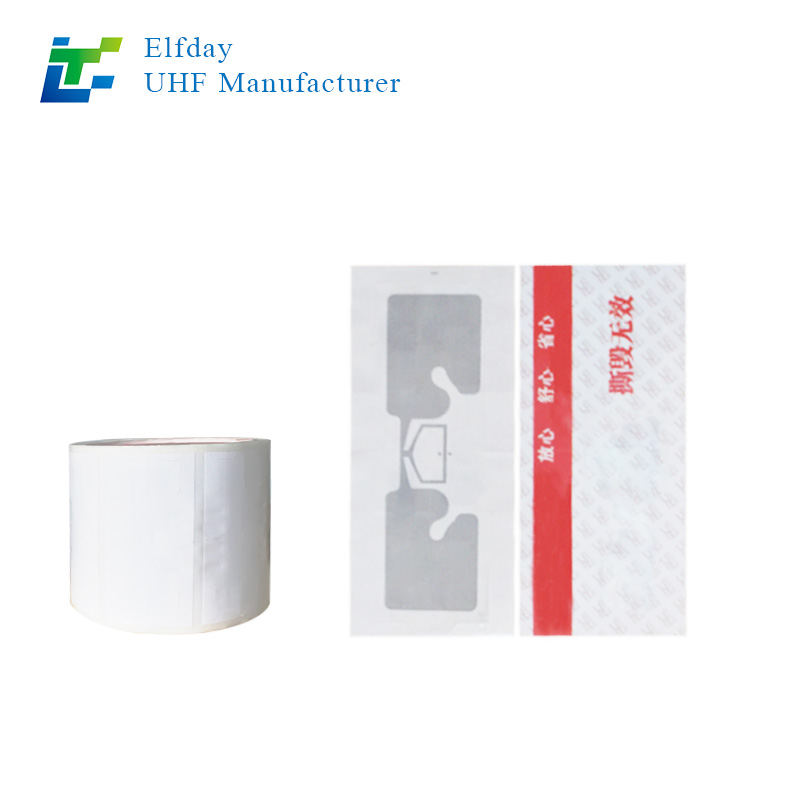
Industrial RFID tags are identification tags designed for use in manufacturing, warehousing, logistics, and other demanding industrial environments. Each tag contains an RFID chip and antenna that allow compatible RFID readers to identify the tagged object.
Depending on the application, RFID tags can be attached to:
- Raw materials
- Components
- Work-in-progress products
- Finished goods
- Pallets and containers
- Production tools
- Equipment and machinery
- Reusable bins and trays
Different manufacturing environments require different tag designs. Factors such as mounting surface, reading distance, temperature, moisture, chemicals, and mechanical wear should be considered when selecting an RFID tag.
How Industrial RFID Tags Support Manufacturing Tracking
Manufacturing is rarely a single-step process. Materials may pass through storage, preparation, assembly, inspection, packaging, and finished-goods storage before they are shipped.
Industrial RFID tags can provide a unique identity for physical items as they move through these stages.
For example, a component can be tagged before entering production. RFID readers installed at selected points can identify the component as it moves between workstations. The associated information can then be connected with production records.
This creates a clearer link between the physical product and the digital production workflow.
Tracking Raw Materials from the Start
Raw materials are the foundation of manufacturing, but keeping track of large quantities of incoming materials can be challenging.
Industrial RFID tags can be used to identify raw material containers, pallets, bins, or other storage units. When materials arrive, RFID readers can capture their identification information and help connect them with inventory records.
As materials move from storage to production, their movement can also be recorded.
This can help manufacturers answer important questions more quickly:
- Which materials have arrived?
- Where are they currently stored?
- Which materials have been moved to production?
- How much material is available?
- Which production order is using the material?
Better material visibility can help reduce unnecessary searching and make production planning easier.
Improving Component Tracking
Manufacturing operations often involve hundreds or thousands of different components. Losing track of components between storage and production can cause delays.
Industrial RFID tags can give components or their containers unique identification. Workers can use RFID readers to verify materials at different production stages without relying entirely on manual identification.
For high-volume production environments, this can make component tracking more consistent and reduce repetitive data entry.
Tracking Work-in-Progress Products
Work-in-progress inventory is one of the most important areas for manufacturing visibility.
A product may spend significant time moving between machines, assembly stations, testing areas, and inspection points. Without reliable tracking, it can be difficult to determine the current status or location of a specific item.
An RFID tag can stay with the product or its production container throughout the manufacturing process.
When the item reaches an RFID reading point, the system can identify it and associate the event with the relevant production stage.
This can help production teams understand:
What is being produced → Where it is → Which process it has completed → What needs to happen next
Supporting Production Line Visibility
Production lines can involve many materials and products moving simultaneously. Industrial RFID tags can help identify items as they enter and leave different production areas.
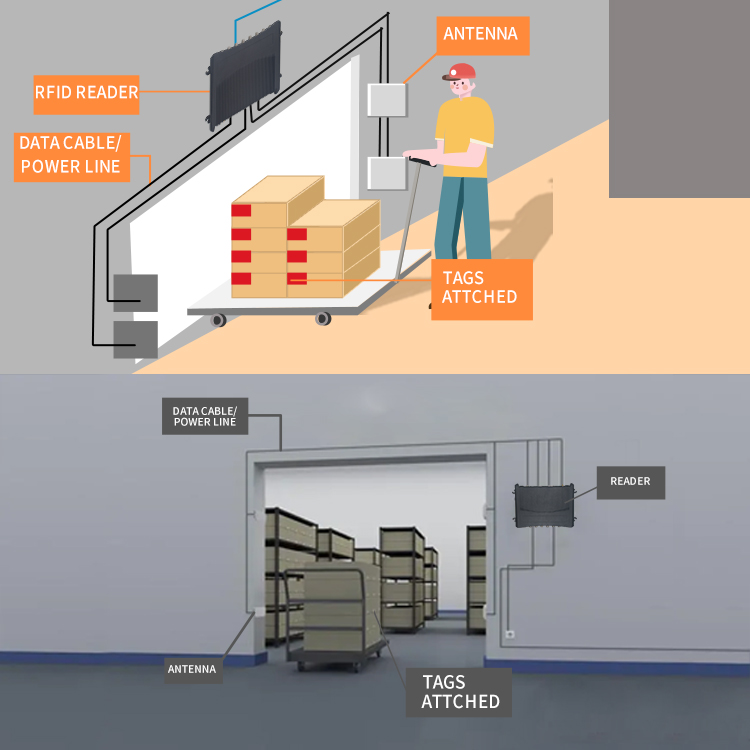
RFID readers can be installed at strategic locations such as:
- Production line entrances
- Assembly stations
- Testing areas
- Inspection points
- Storage zones
- Packaging areas
- Production line exits
The exact reader configuration depends on the facility layout and the required reading performance.
With appropriate RFID infrastructure, manufacturers can collect product movement data without requiring workers to manually scan every item.
Reducing Manual Tracking Work
Manual tracking requires employees to repeatedly record product information, scan barcodes, update spreadsheets, or enter data into manufacturing software.
These tasks may seem small individually, but they can consume significant time across a large production facility.
Industrial RFID tags can automate part of the identification process. When a tagged item enters an RFID reader's range, its unique identification information can be captured automatically.
This allows employees to spend less time on repetitive identification tasks and more time on production activities that require human attention.
Improving Finished Goods Tracking
Tracking does not end when manufacturing is complete.
Finished products may move from production to inspection, packaging, finished-goods storage, and eventually shipping.
Industrial RFID tags can continue to identify products or their associated pallets and containers during these stages.
This can help manufacturers maintain better visibility from the production floor to the warehouse and shipping area.
Industrial RFID Tags for Reusable Production Containers
Many factories rely on reusable bins, totes, trays, racks, and containers to move components around the facility.
Without a reliable identification system, these reusable assets can be misplaced or accumulate in the wrong areas.
Industrial RFID tags can give each container a unique identity. RFID readers can then help track container movement between storage locations, production lines, and other areas.
This can improve the visibility of reusable assets while supporting better inventory management.
RFID and Manufacturing Data Integration
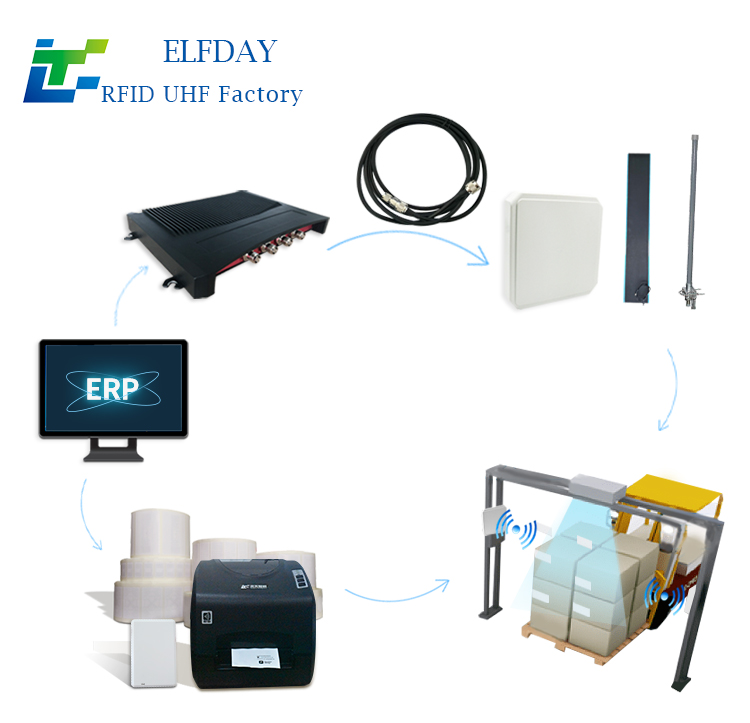
The greatest value of RFID comes from connecting tag identification with the manufacturer's existing digital systems.
Depending on the facility, RFID data may be integrated with systems such as:
- Manufacturing execution systems (MES)
- Warehouse management systems (WMS)
- Enterprise resource planning (ERP) platforms
- Inventory management software
- Production tracking systems
For example, when an RFID reader identifies a work-in-progress product, the system can associate that identification event with a production order or manufacturing record.
This transforms RFID from a simple identification technology into a source of production data.
Benefits of Using Industrial RFID Tags in Manufacturing
When properly designed and implemented, an RFID-based tracking system can offer several potential benefits:
Better Production Visibility
Manufacturers can gain a clearer view of where materials and products are within the production process.
Faster Identification
RFID readers can identify tagged items without requiring workers to manually enter identification information for every movement.
Reduced Manual Data Entry
Automated identification can reduce repetitive scanning and recording tasks.
Improved Material Management
Manufacturers can maintain better visibility of raw materials, components, and production inventory.
Easier Work-in-Progress Tracking
RFID can help production teams identify products as they move between manufacturing stages.
Better Finished Goods Control
Products can continue to be tracked after production and during movement to storage or shipping.
What to Consider When Choosing Industrial RFID Tags
Not every RFID tag is suitable for every manufacturing environment. Before selecting a tag, manufacturers should evaluate several factors.
Operating Environment
Consider exposure to heat, moisture, dust, chemicals, vibration, and physical impact. Industrial applications may require more durable tag constructions.
Mounting Surface
The surface of the target object can affect RFID performance. Metal components and equipment may require specialized on-metal RFID tags.
Reading Distance
Determine how far the RFID reader needs to identify the tag. Handheld readers and fixed readers may have different requirements.
Tag Size
The available mounting area can influence the appropriate tag dimensions. Smaller components may require compact RFID tag designs.
Product Lifecycle
If a tag needs to remain attached throughout manufacturing, transportation, storage, and use, durability should be considered carefully.
Building a More Visible Manufacturing Process
Manufacturing efficiency depends not only on machines and production capacity but also on the quality of information available to production teams.
Industrial RFID tags can create a digital identity for physical materials and products, helping manufacturers connect what is happening on the factory floor with information stored in their software systems.
From raw material receiving to component handling, work-in-progress tracking, quality inspection, and finished goods management, RFID can support a more connected approach to production tracking.
Frequently Asked Questions
What can industrial RFID tags track in manufacturing?
They can be used to identify raw materials, components, work-in-progress products, finished goods, pallets, containers, tools, and other manufacturing assets.
Can RFID tags track products through multiple production stages?
Yes. A tag can remain associated with a product or its production container while it moves through different manufacturing stages. RFID readers placed at selected points can capture identification events along the way.
Can industrial RFID tags be used on metal equipment?
Yes, but standard RFID tags may not perform well directly on metal. Specialized on-metal RFID tags are designed for applications involving metal surfaces.
Do RFID tags replace barcodes in manufacturing?
Not necessarily. RFID and barcodes can be used together. The best choice depends on the manufacturing process, required reading speed, environment, budget, and existing identification infrastructure.
Can RFID reduce manual tracking?
RFID can automate many identification steps and reduce the need for repeated manual scanning or data entry. The amount of manual work saved depends on how the RFID system is designed and integrated into the production workflow.
Manufacturing environments require accurate tracking from the moment raw materials arrive until finished products leave the facility. As production processes become more complex, relying entirely on manual tracking can make it harder to maintain real-time visibility.
Industrial RFID tags provide a practical way to connect physical materials and products with digital production information. By identifying raw materials, components, work-in-progress products, finished goods, and reusable production assets, RFID can help manufacturers improve visibility and reduce repetitive tracking work.
With the right combination of RFID tags, readers, software, and production processes, manufacturers can build a more connected tracking system that supports efficient operations from the factory floor to the warehouse.