2026-10-09 01:44:44
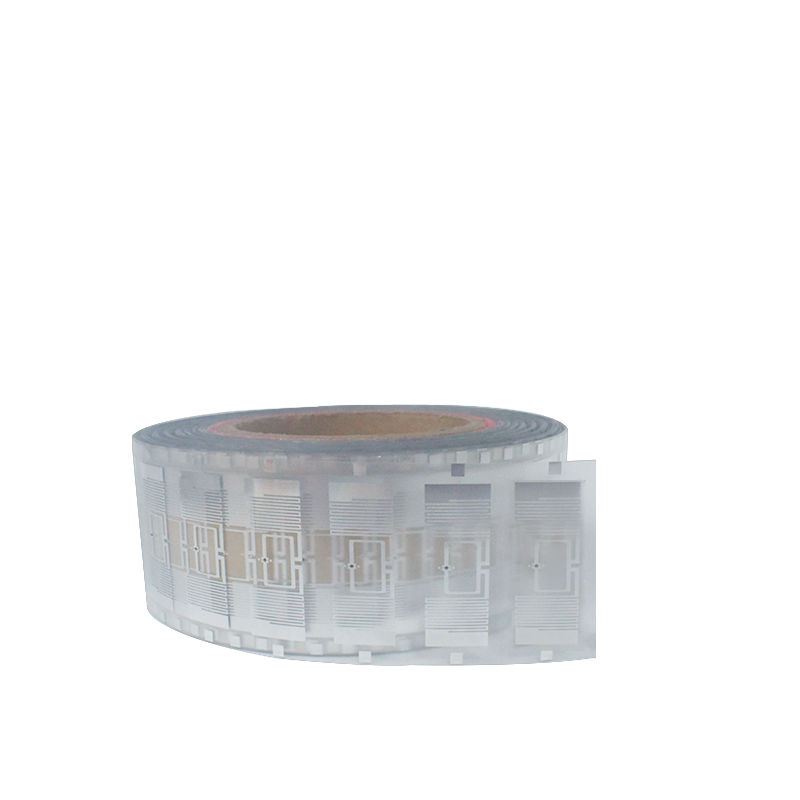
How to customize RFID tags for specific products and assets depends on material, size, read range, mounting method, and operating conditions. By selecting suitable chips, antennas, tag constructions, and encoding formats, businesses can develop RFID configurations that support reliable product identification and asset tracking.
2026-10-09 01:18:26
RFID tag customization allows businesses to adapt tag size, shape, chip type, antenna design, materials, encoding, and mounting methods to specific tracking requirements. The right configuration depends on the tagged object, required read range, operating environment, and RFID system.
2026-10-08 02:07:24
RFID tags can be customized for products containing liquids by adapting the tag design, antenna, placement, or separation from the product. Testing the customized tag on the filled product can help determine whether it provides reliable RFID performance.
2026-10-08 01:34:57
Before large-scale RFID deployment, businesses can compare several tag options using the same assets, readers, mounting methods, and operating conditions. Testing read performance, durability, tag placement, multiple-tag identification, and workflow efficiency can help determine which RFID tag is most suitable for the final application.
2026-10-07 02:43:03
Learn how to choose an RFID tag for metal assets based on surface type, read range, durability, tag size, mounting method, and operating environment.
2026-10-07 02:13:57
Warehouses can use RFID tags to identify returnable containers during receiving, storage, picking, shipping, and returns. This can reduce manual counting and help warehouse teams maintain more accurate records of reusable containers.
2026-09-30 05:53:13
RFID tags are used to track products from the backroom to the shelf by giving each item a unique digital identity that RFID readers can detect during inventory checks and product movement.
2026-09-30 01:22:11
RFID tags are used for product replenishment by connecting physical merchandise with inventory information. Retailers can use RFID readers to identify products in stockrooms and sales areas, detect items that need replenishment, locate available stock, and help employees restock products more efficiently.
2026-09-29 01:42:53
RFID tags can help retail stores reduce stockouts by improving inventory accuracy and providing better visibility into where merchandise is physically located. By identifying multiple tagged products during inventory checks, RFID can help employees find available stock, detect discrepancies, replenish shelves, and respond to inventory shortages more efficiently.
2026-09-29 01:16:24
RFID tags improve retail inventory accuracy by connecting physical merchandise with digital inventory records. By identifying multiple tagged products without requiring individual barcode scans, RFID can help retailers reduce counting errors, detect discrepancies, improve stock visibility, and maintain more reliable inventory information.
2026-09-28 01:18:04
Discover the benefits of RFID tags for warehouse management, including faster inventory tracking, fewer manual scans, better stock visibility, improved accuracy, and more efficient warehouse operations.
2026-09-27 01:51:59
How can RFID tags automate warehouse inventory tracking? RFID tags can automate inventory tracking by allowing RFID readers to identify multiple tagged items without individually scanning each barcode. The captured data can be used to record inventory movements, update warehouse systems, reduce manual counting, and identify potential stock discrepancies.
2026-09-27 01:23:40
RFID tags can improve inventory visibility by giving products, cartons, pallets, and assets a digital identity that can be detected as they move through receiving, storage, picking, and shipping. By reducing manual scanning and counting, RFID can help businesses track inventory movement, identify discrepancies, and maintain more up-to-date stock information.
2026-09-24 01:59:59
Warehouse receiving is one of the first steps in the inventory management process. When products, cartons, pallets, or containers arrive at a warehouse, employees need to identify the shipment, verify the contents, record the received inventory, and move the goods to the appropriate storage location.
2026-09-24 01:20:14
In warehouses and logistics operations, UHF RFID can help identify multiple products, cartons, and pallets from a distance, while HF RFID is better suited to controlled, short-range reading. Comparing UHF RFID vs HF RFID can help inventory and supply chain teams choose the right technology based on read range, reading speed, tag volume, and operating environment.
2026-09-23 02:04:47
RFID and NFC are related technologies, but they are designed for different types of identification and communication. NFC operates at 13.56 MHz and is intended for very short-range communication, often with smartphones and other NFC-enabled devices.
2026-09-23 01:41:25
RFID and QR codes can both be used for tracking products, assets, inventory, and equipment, but they work in different ways. QR codes generally require a camera or scanner to see the code, while RFID tags can often be identified without direct line of sight. RFID can also read multiple tagged items in a short period, while QR codes are typically scanned individually.
2026-09-22 01:39:25
Choosing RFID tags for harsh industrial environments requires more than selecting a tag with a long read range. Industrial applications may expose tags to heat, cold, chemicals, moisture, dust, abrasion, vibration, impacts, and metal surfaces. The right RFID tag should match the actual environmental conditions, mounting surface, attachment method, RFID frequency, and required read performance. Testing the finished tag under real operating conditions can help confirm long-term reliability.
2026-09-22 01:18:22
RFID tags can be used in cold storage facilities, refrigerated warehouses, and freezers, but the tag should be selected for the expected temperature and moisture conditions. Low temperatures can affect adhesives, tag materials, Cold-resistant RFID tags with suitable materials and adhesives can help maintain reliable identification of frozen foods, pharmaceuticals, containers, pallets, and other temperature-sensitive inventory.