



How RFID Asset Tags Improve Asset Tracking Accuracy
In today’s fast-paced business world, keeping track of valuable assets can be a daunting challenge. Lost or misplaced equipment, inventory discrepancies, and inefficient tracking systems not only waste time but also affect a company’s bottom line. That’s where RFID asset tags come in, transforming the way businesses manage and monitor their assets.
What Are RFID Asset Tags?
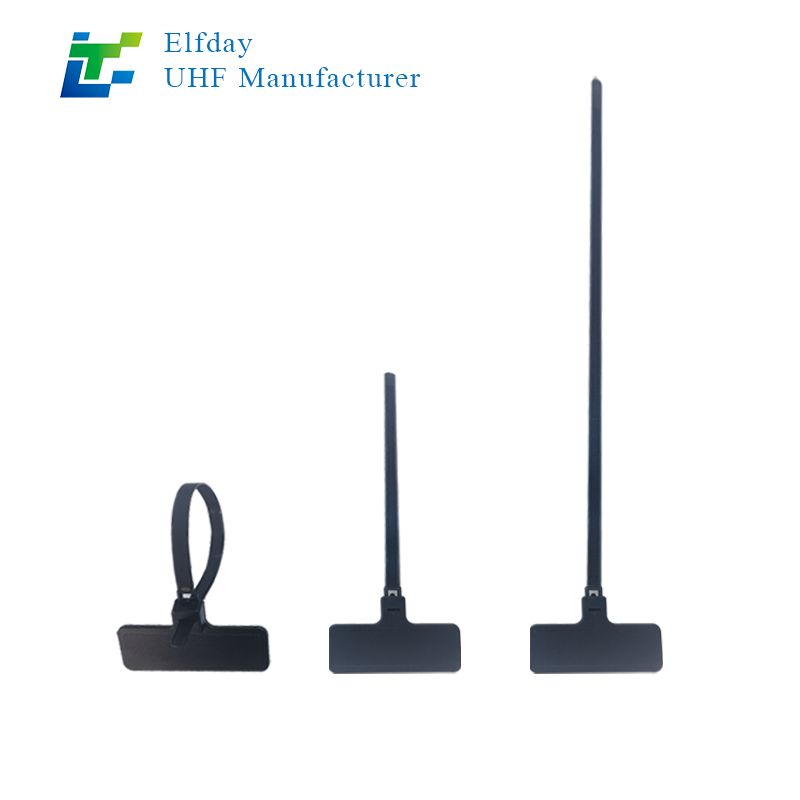
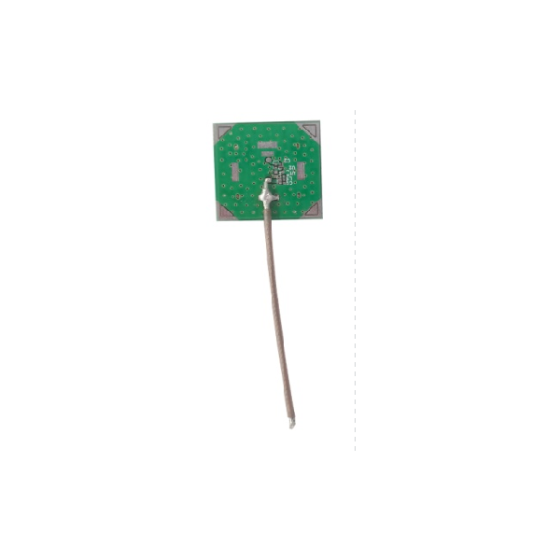
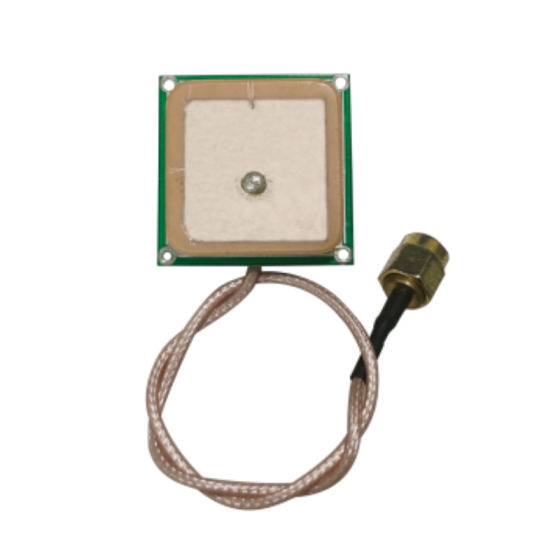
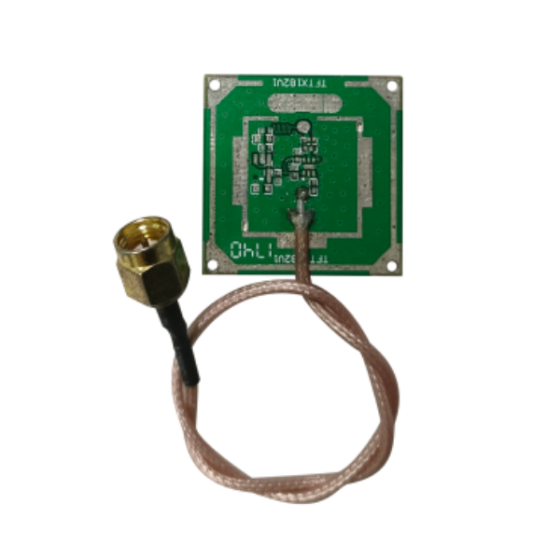
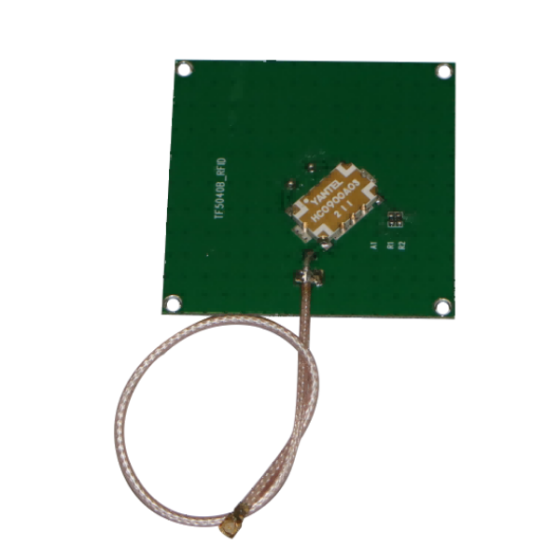
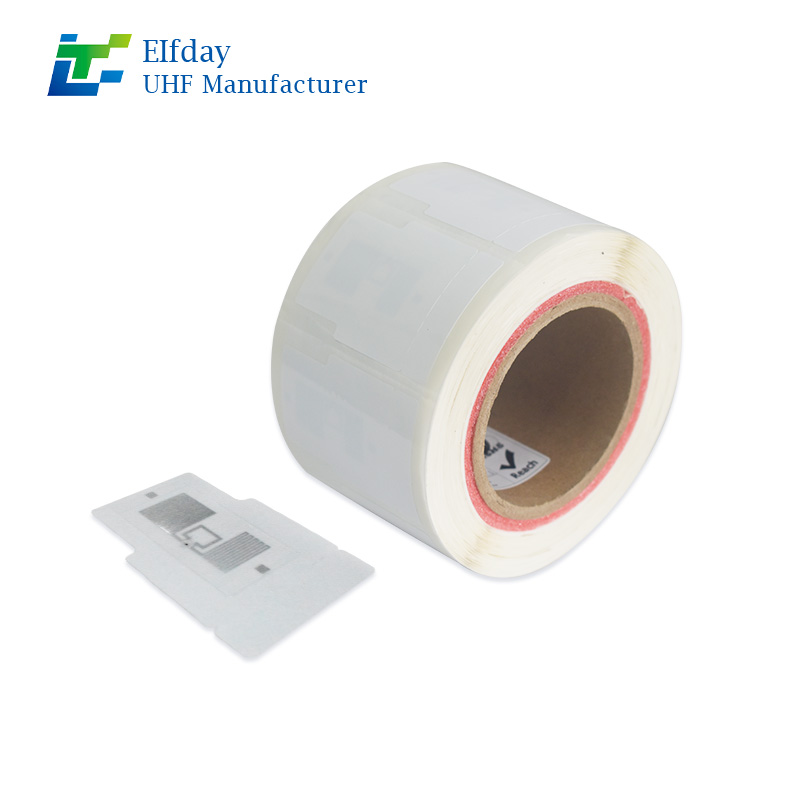
RFID asset tags are small devices that use radio-frequency identification technology to store and transmit data about a physical object. Unlike traditional barcodes, RFID tags do not require a line-of-sight scan and can be read remotely, often in bulk. This feature alone significantly enhances the speed and accuracy of asset tracking.
Enhancing Accuracy in Asset Management
One of the key advantages of RFID asset tags is their ability to improve tracking accuracy. Traditional tracking methods, such as manual logs or barcode scanning, are prone to human errors. A misplaced barcode, a misread number, or a skipped scanning process can result in significant inventory discrepancies. RFID technology reduces these risks dramatically by providing real-time, automated tracking.
With RFID, every tagged asset can be instantly identified and recorded, ensuring that the data collected is accurate and up-to-date. This level of precision is invaluable for businesses that rely on complex supply chains, high-value equipment, or large-scale inventory management.
Real-Time Tracking and Efficiency
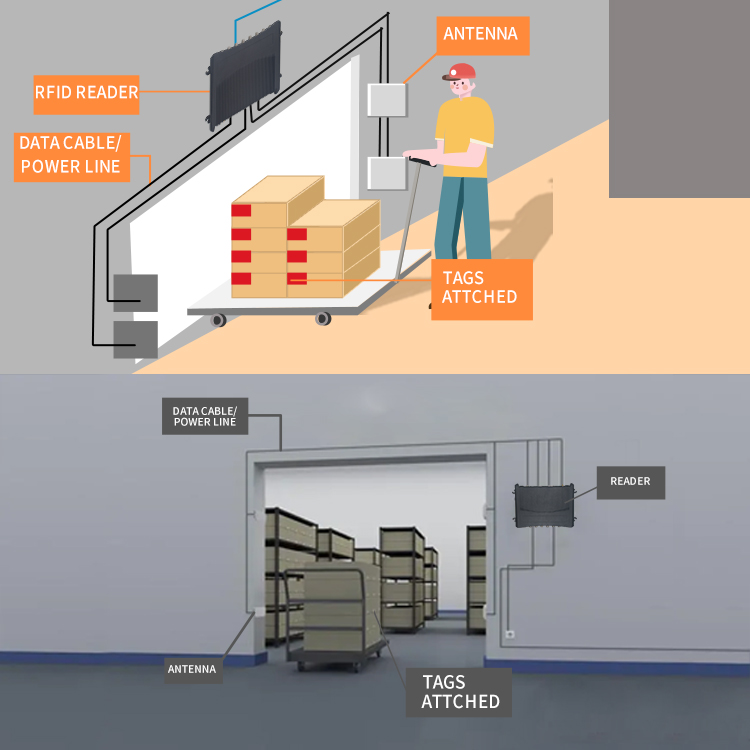
Another major benefit of RFID asset tags is real-time visibility. Managers can instantly locate assets across multiple locations without physically searching for them. For example, in a warehouse environment, RFID readers can scan entire rows of inventory simultaneously, dramatically reducing the time needed for audits and stock checks.
This not only improves operational efficiency but also ensures that assets are always where they are supposed to be, minimizing downtime and avoiding costly delays.
Reducing Loss and Misplacement
Loss and misplacement of assets are common problems in many industries, from healthcare to manufacturing. RFID asset tags help mitigate these issues by providing precise tracking history. Each time an asset is moved, its location and movement history are recorded automatically. This traceability helps businesses quickly identify missing items, prevent theft, and maintain accountability for valuable equipment.
Integration with Modern Systems
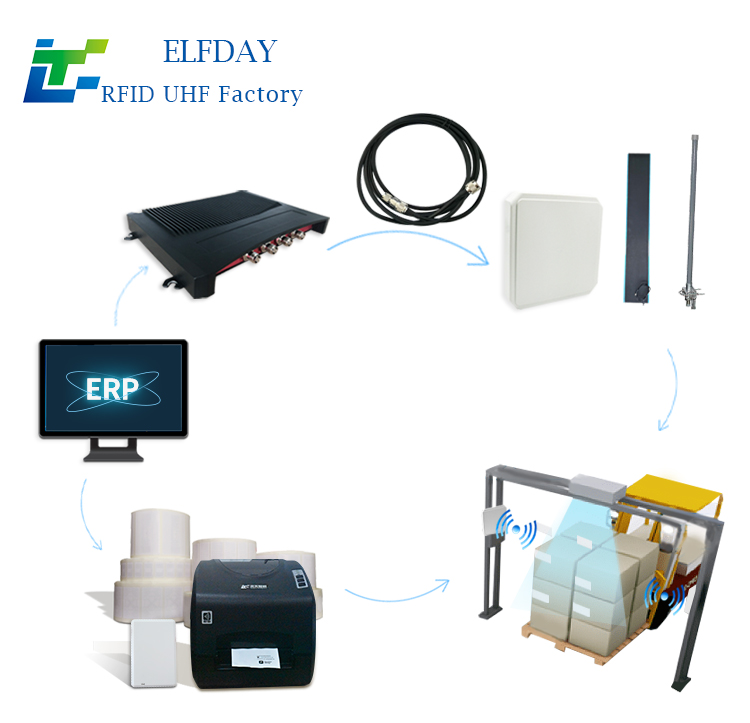
Modern asset management systems often integrate seamlessly with RFID asset tags, allowing companies to centralize data, generate detailed reports, and automate alerts. By combining RFID technology with asset management software, businesses gain actionable insights that help optimize inventory levels, plan maintenance schedules, and improve overall resource utilization.
Encouraging Smarter Decisions
The data collected from RFID asset tags empowers businesses to make smarter, data-driven decisions. Real-time tracking and analytics reveal patterns that were previously invisible, such as underutilized equipment or recurring inventory shortages. Armed with this information, managers can optimize workflows, reduce waste, and improve operational efficiency.
Choosing the Right RFID Asset Tags
Selecting the right RFID asset tags is crucial for maximizing their benefits. Consider factors such as tag durability, read range, and compatibility with existing systems. High-quality tags ensure accurate tracking even in challenging environments, from warehouses to outdoor storage facilities. Investing in reliable RFID tags ultimately pays off by providing long-term efficiency and accuracy.
RFID asset tags are more than just tracking tools—they are a powerful solution for businesses seeking to enhance accuracy, efficiency, and accountability in asset management. By reducing human error, providing real-time visibility, and integrating with modern management systems, RFID tags enable companies to keep their assets organized and under control.
For any business looking to optimize asset tracking and protect valuable resources, implementing RFID asset tags is a smart and effective choice. Start leveraging this technology today and experience the difference accurate, automated tracking can make.