2026-09-10 01:35:35
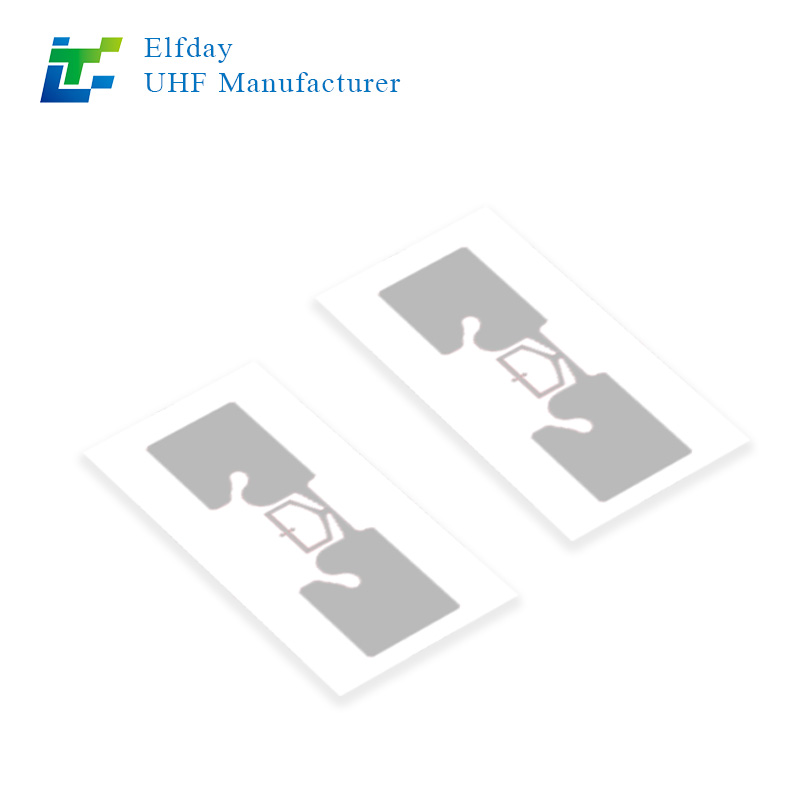
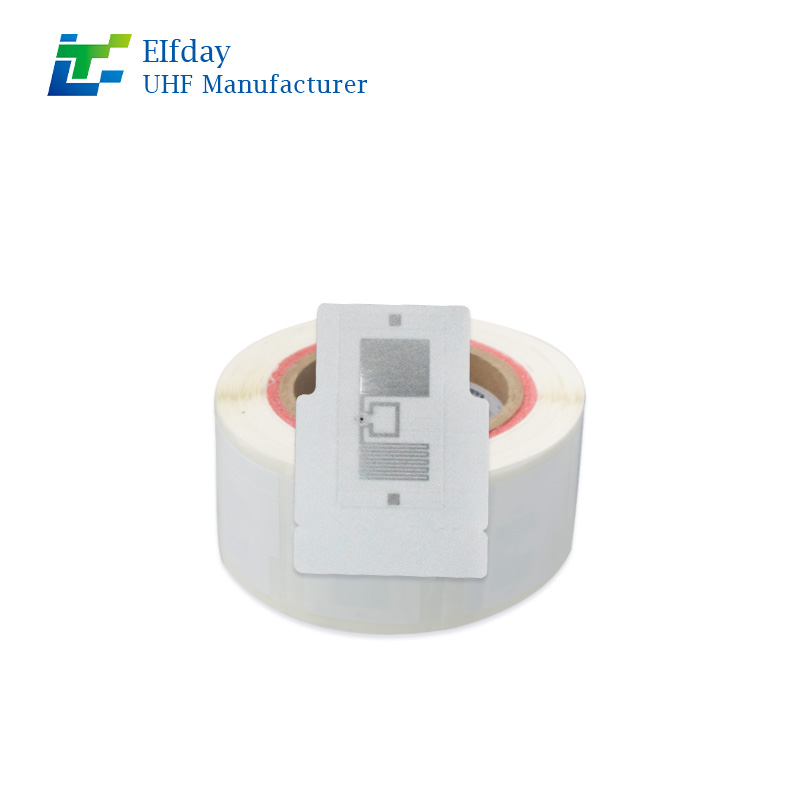
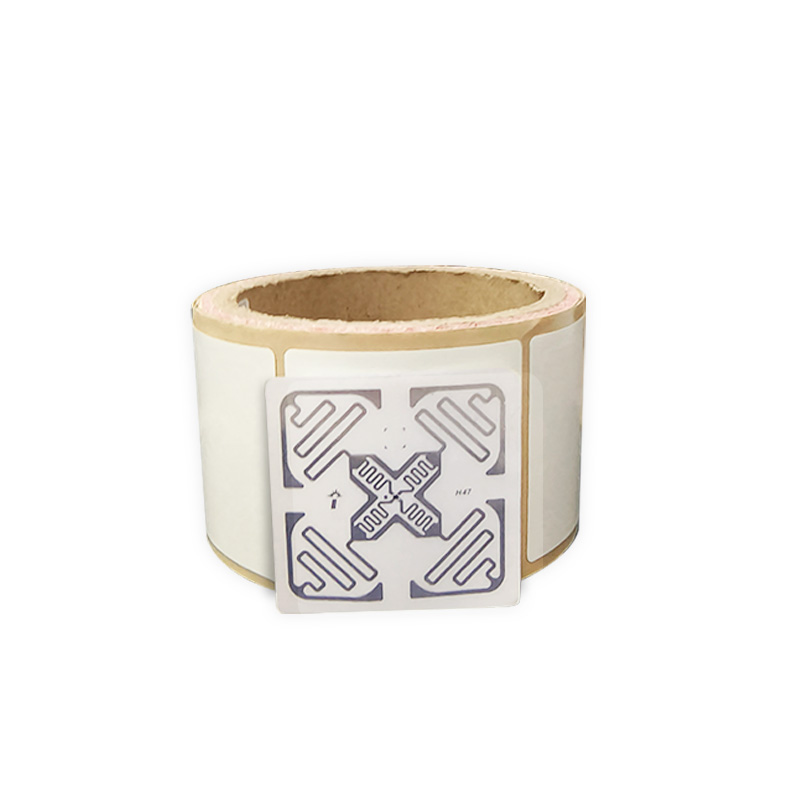
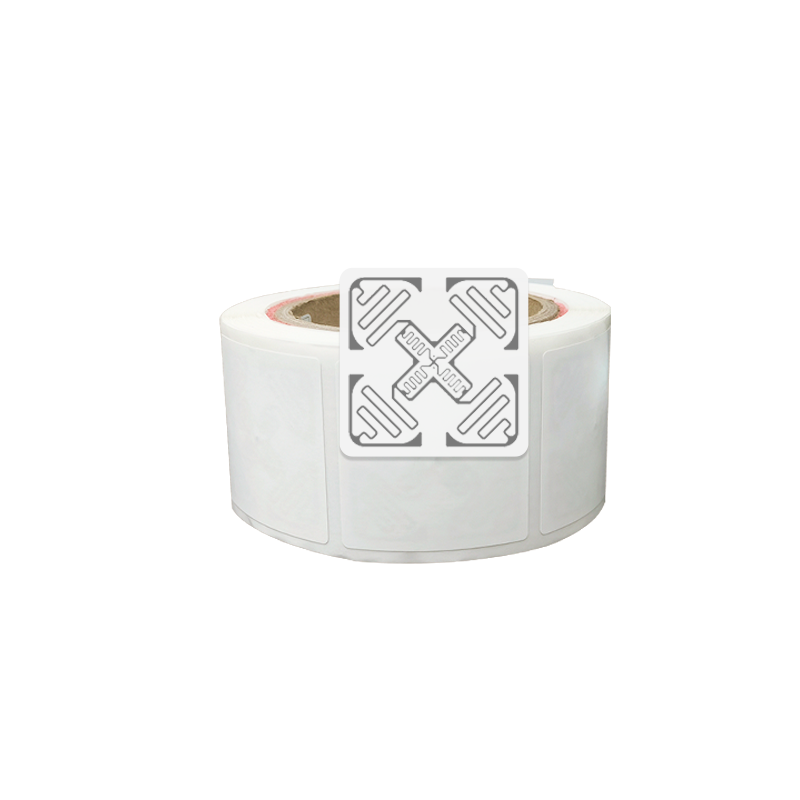
An RFID tag typically contains an RFID chip and antenna, along with materials that support, protect, and attach the tag to a product or asset. Understanding these components can help businesses choose the right RFID tag for inventory, logistics, retail, manufacturing, and asset tracking applications.
2026-09-10 01:20:34
Anti-metal RFID tags are designed for tracking metal assets that can interfere with standard RFID tags. They can be used on machinery, tools, metal containers, vehicles, equipment, and other conductive surfaces where reliable RFID identification is required.
2026-09-09 01:36:52
On-metal RFID tags are designed to identify and track metal assets such as machinery, tools, equipment, containers, and automotive components. By using specialized antenna designs, these RFID tags can maintain reliable communication when mounted directly on metal surfaces.
2026-09-09 01:17:11
Passive RFID tags can work without batteries by harvesting energy from the radio frequency signal transmitted by an RFID reader. This allows tags attached to products, cartons, pallets, and assets to communicate wirelessly and support inventory, logistics, retail, and asset tracking applications.
2026-09-08 01:29:43
RFID tags and barcodes are both used to identify and track products, inventory, and assets. RFID tags can be read wirelessly without direct line of sight and can identify multiple items at once, while barcodes typically require individual scanning. Understanding these differences can help businesses choose the right technology for inventory and tracking operations.
2026-09-08 01:00:19
Learn how far RFID tags can be read, what affects RFID read range, and why UHF, HF, and LF RFID tags have different reading distances.
2026-09-07 01:52:54
On-metal RFID tags help manufacturers, warehouses, and industrial teams identify and track metal tools, equipment, machinery, containers, and other assets. Designed for reliable performance on metal surfaces, they can improve asset visibility and support automated tracking and inventory management.
2026-09-07 01:33:29
UHF RFID tags can help warehouses, retailers, and logistics teams track products, cartons, pallets, and assets more efficiently. By enabling wireless identification of multiple items, UHF RFID technology can improve inventory visibility, speed up stock checks, and support automated tracking.
2026-09-05 01:49:46
Discover how passive RFID tags work without batteries, their key benefits, applications, read range, and how to choose the right passive RFID tag.
2026-09-05 01:20:18
Learn about the different types of RFID tags, how passive, active, UHF, HF, LF, and on-metal tags work, and how to choose the right RFID tag for your application.
2026-09-04 01:59:26
An RFID tag works by using radio frequency signals to communicate with an RFID reader and provide identification data. Depending on the type of RFID tag, the tag either receives energy from the reader or uses its own battery to power the communication process.
2026-09-04 01:38:08
An RFID tag is a small electronic device used to identify and track objects using radio frequency technology. Unlike a barcode, an RFID tag does not normally require direct line-of-sight with a reader. An RFID reader can communicate with the tag wirelessly and capture its stored identification data.