



Retail Inventory Management Made Easy with RFID Asset Tags
Managing retail inventory has always been a complex challenge. Stock discrepancies, misplaced products, and slow manual counts can lead to frustrated customers and lost sales. Fortunately, RFID asset tags are revolutionizing retail inventory management, making it faster, more accurate, and more efficient than ever before.
What Are RFID Asset Tags?
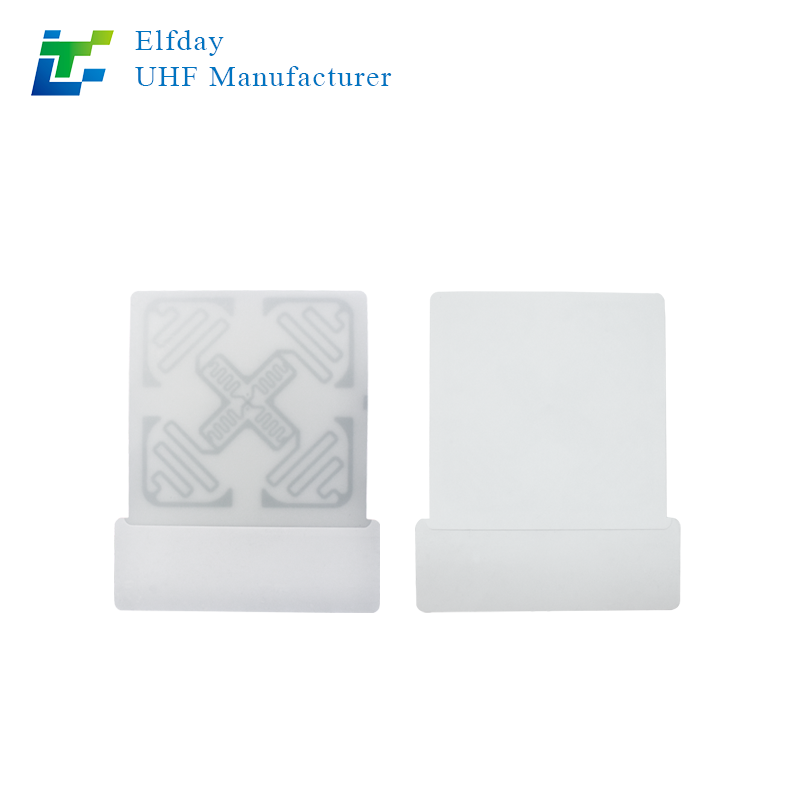
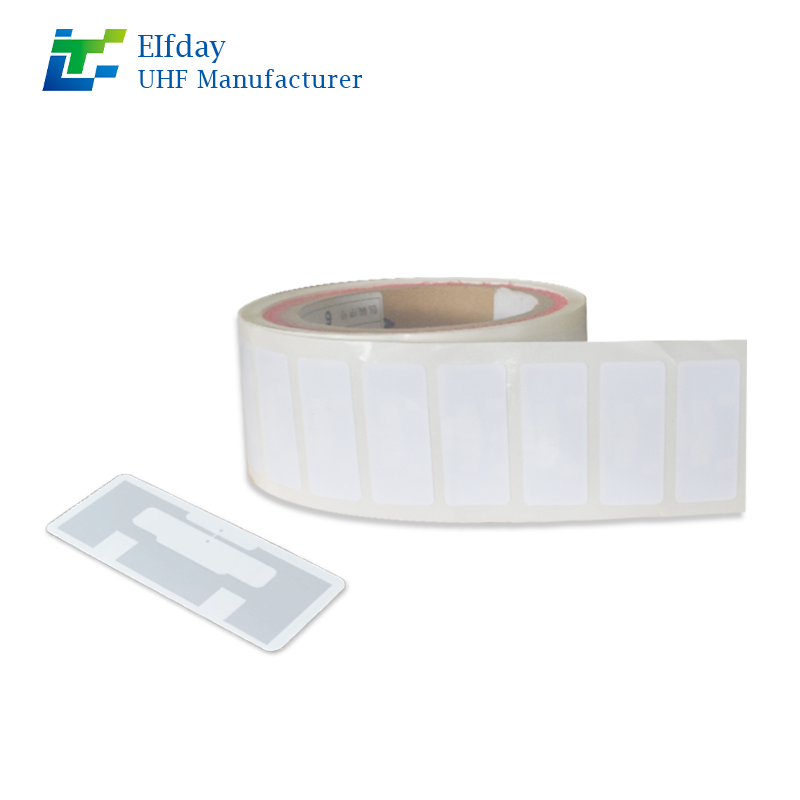
RFID asset tags are small devices attached to products or assets that use radio-frequency identification technology to store and transmit data. Unlike traditional barcodes, RFID tags do not require line-of-sight scanning. Multiple items can be scanned simultaneously, dramatically speeding up the inventory process and reducing human error.
Simplifying Inventory Checks
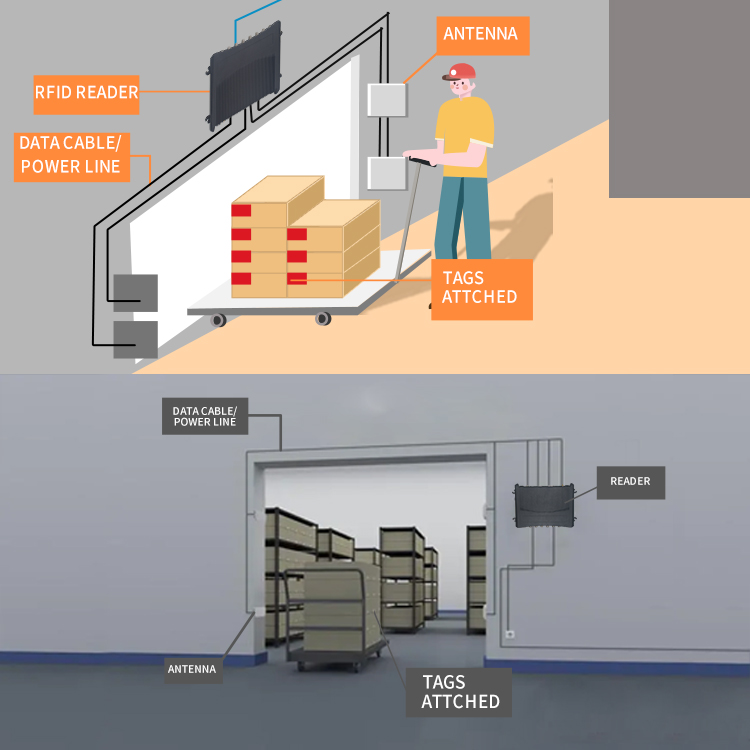
One of the most significant advantages of RFID asset tags is their ability to simplify inventory checks. Retail managers no longer need to count items manually or rely on staff to scan barcodes one by one. With RFID readers, hundreds of items can be scanned in seconds, providing real-time updates on stock levels. This not only saves time but also ensures that inventory records are accurate and reliable.
Enhancing Stock Accuracy
Stock accuracy is crucial in retail. Mistakes in inventory can lead to overstocking, understocking, and ultimately, lost revenue. RFID asset tags eliminate most of these errors by providing precise data on each item’s location and quantity. Retailers can easily track high-demand products, monitor slow-moving items, and make informed restocking decisions without guesswork.
Reducing Loss and Theft
Loss and theft are major concerns in retail stores. RFID asset tags help prevent these issues by offering visibility over every tagged item. When an item moves from its designated area, the system records the movement, allowing staff to quickly identify discrepancies. This added layer of security protects valuable inventory and ensures accountability.
Integrating with Retail Management Systems
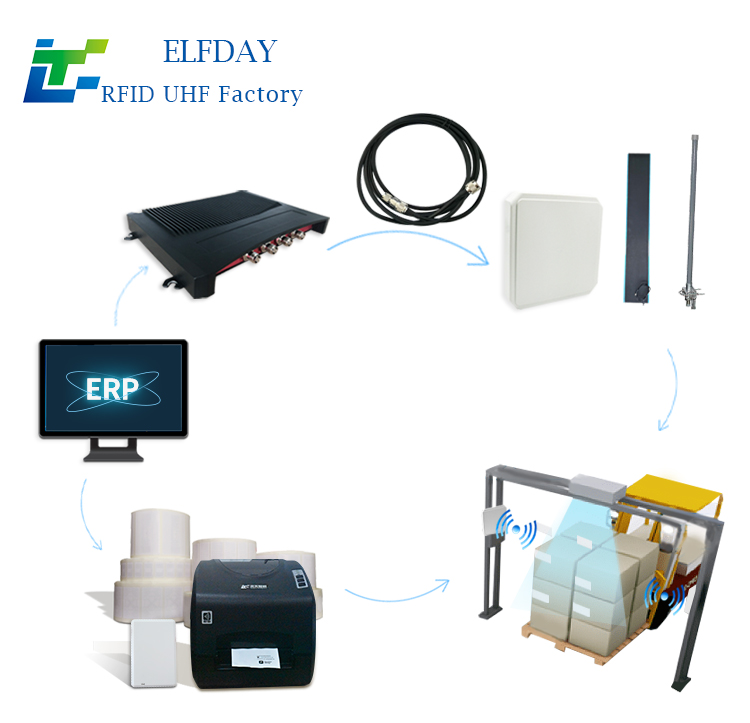
Modern retail management systems can integrate seamlessly with RFID asset tags. This allows retailers to automate stock updates, generate real-time reports, and even send alerts when inventory reaches critical levels. Such integration not only reduces the workload on staff but also enables smarter, data-driven decisions that optimize operations.
Improving Customer Experience
Accurate inventory management directly impacts the customer experience. With RFID asset tags, shelves are always stocked, items are easy to locate, and checkouts run smoothly. Shoppers can find what they need quickly, and staff can focus on providing better service instead of counting stock or searching for missing items.
Choosing the Right RFID Asset Tags
Selecting the right RFID asset tags is essential for achieving maximum efficiency. Factors such as durability, read range, and compatibility with existing systems should be considered. High-quality RFID tags perform reliably even in busy retail environments, ensuring accurate tracking and minimal disruption.
RFID asset tags are transforming retail inventory management by making it faster, more accurate, and more reliable. From simplifying stock checks to reducing theft and enhancing customer experience, these tags offer a smart solution for modern retailers. By implementing RFID asset tags, businesses can optimize operations, improve efficiency, and maintain better control over their inventory.
For retailers aiming to stay competitive, adopting RFID technology is not just an option—it’s a necessity. Upgrade your inventory management today with RFID asset tags and experience the difference in speed, accuracy, and operational efficiency.