



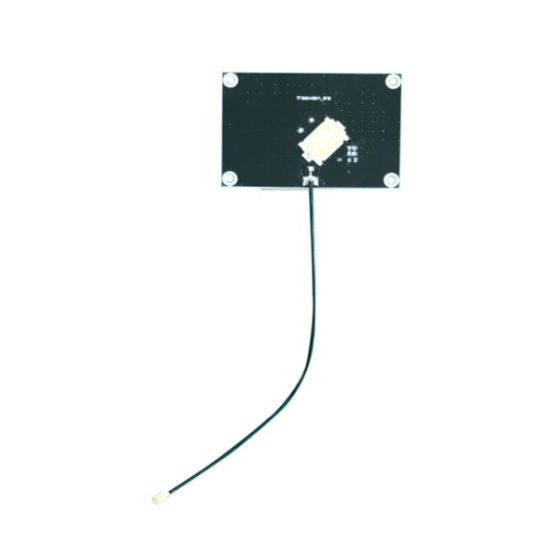


How to Test RFID Tags High Temperature for Harsh Environments
In industries where extreme heat is common, RFID tags high temperature are essential for tracking critical assets. Proper testing ensures reliability, prevents failures, and safeguards your operations. This guide will help you understand, test, and deploy high-temperature RFID tags effectively in harsh environments.
Understanding High-Temperature RFID Tags
RFID tags high temperature differ from standard tags due to their ability to withstand extreme heat without losing readability or structural integrity. They are commonly used in industries such as metal processing, manufacturing, and logistics, where temperatures can exceed 250°C (482°F). Choosing the right tag is crucial for maintaining data accuracy and asset visibility.
Key Factors to Consider Before Testing
Before testing high temperature RFID tags, focus on these factors to ensure meaningful results:
Heat Resistance
Determine the maximum temperature the tags can endure without degradation. Testing should reflect the real conditions of your industrial environment.
Read Range
Check if the tags maintain a strong signal at the distances required by your readers, even under heat stress.
Durability
Assess resistance to thermal expansion, chemical exposure, vibration, and physical stress.
Attachment Method
Ensure adhesives or mounting options can withstand extreme temperatures without detaching or affecting readability.
Step-by-Step Guide to Testing RFID Tags High Temperature
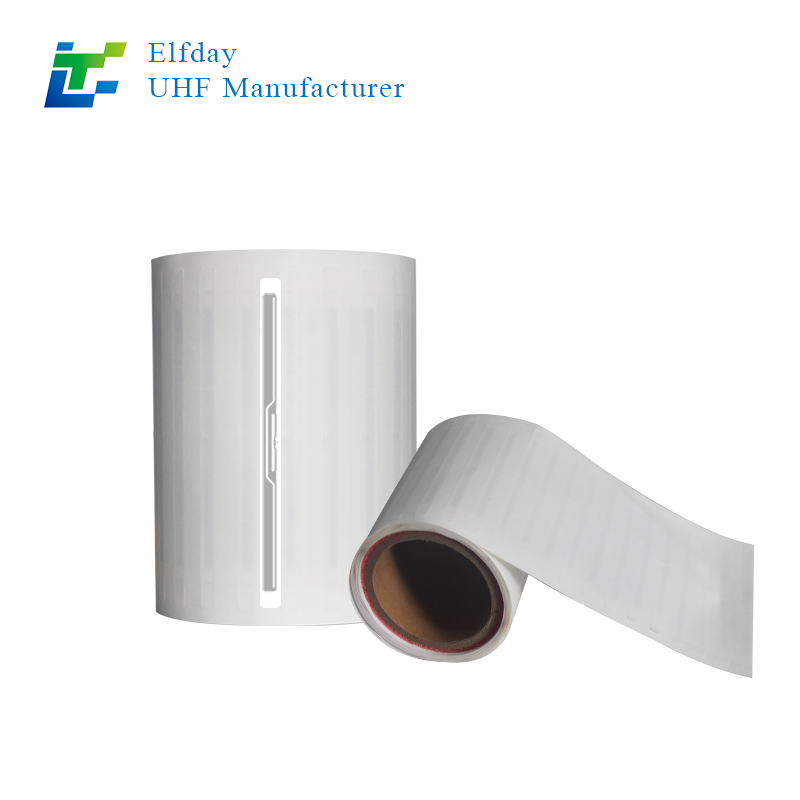
Testing RFID tags high temperature should follow a structured approach:
1. Prepare the Test Environment
Use ovens, industrial heat chambers, or furnaces that safely simulate the harsh conditions your tags will face. Accurate temperature monitoring is essential.
2. Install the Tags Properly
Attach the tags to the actual surfaces or materials they will be used on. Correct installation ensures the test reflects real-world performance.
3. Conduct a Baseline Test
Test the tags at room temperature to establish a performance benchmark. Confirm readability, signal strength, and data integrity before heat exposure.
4. Gradual Heat Exposure
Increase temperature slowly to prevent thermal shock. Monitor the tags at intervals to assess performance under rising heat levels.
5. Continuous Monitoring
Use RFID readers to track performance throughout the heat test. Record any signal loss, read errors, or failures.
6. Post-Heat Evaluation
Allow tags to cool and then retest. Verify data retention, readability, and physical condition to confirm suitability for long-term use.
Tips for Reliable High-Temperature RFID Testing
Use Multiple Samples: Test several tags to account for manufacturing variations.
Simulate Real Conditions: Include vibration, moisture, or chemical exposure if applicable.
Document Everything: Keep detailed records of temperature, duration, and performance for future reference.
Pro Tip: Always link to your product page when mentioning tags:
Explore our high temperature RFID tags
for tested industrial reliability.
Why Testing RFID Tags High Temperature Matters
Proper testing of RFID tags high temperature ensures:
Reliability: Prevents unexpected failures in critical operations.
Asset Protection: Keeps your inventory and equipment safe from loss.
Operational Efficiency: Reduces downtime and maintenance costs.
Investing in testing gives peace of mind and confidence in your asset tracking system, ensuring smooth operation even in extreme heat conditions.
Conclusion: Ensuring Optimal Performance
Testing RFID tags high temperature is essential for any business operating in harsh environments. By following a structured testing process, you can guarantee durability, accuracy, and efficiency. Protect your assets and keep operations running smoothly with properly tested high-temperature RFID tags.
Ready to secure your operations? Explore our high temperature RFID tags,today and experience unmatched reliability in extreme conditions.