




How RFID Tags High Temperature Survive Extreme Heat
In industrial environments where extreme heat is common, maintaining reliable asset tracking is essential. This is where RFID tags high temperature make a significant difference. Unlike standard RFID tags, these high-temperature tags are specifically engineered to survive harsh conditions, ensuring that your operations remain efficient and assets are accurately monitored. Understanding how these tags endure extreme heat can help businesses select the right solutions and prevent costly failures.
What Are High-Temperature RFID Tags?
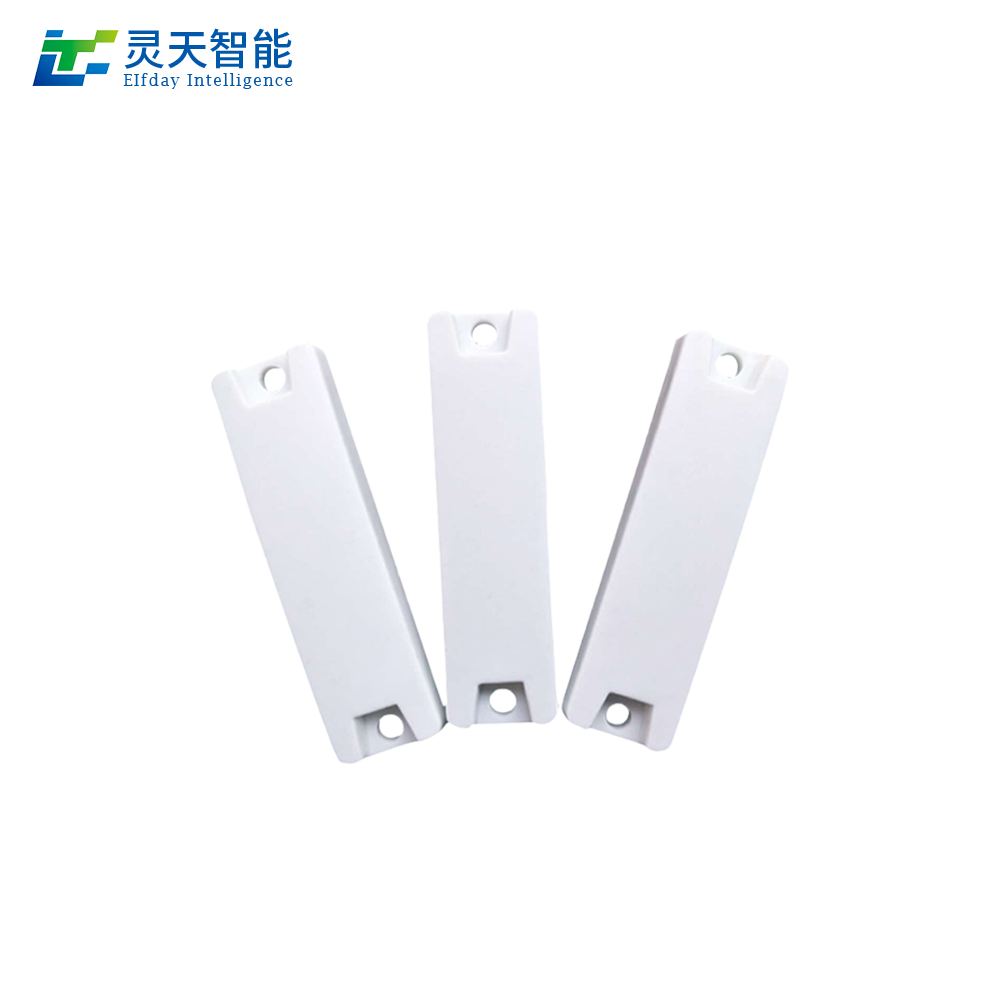
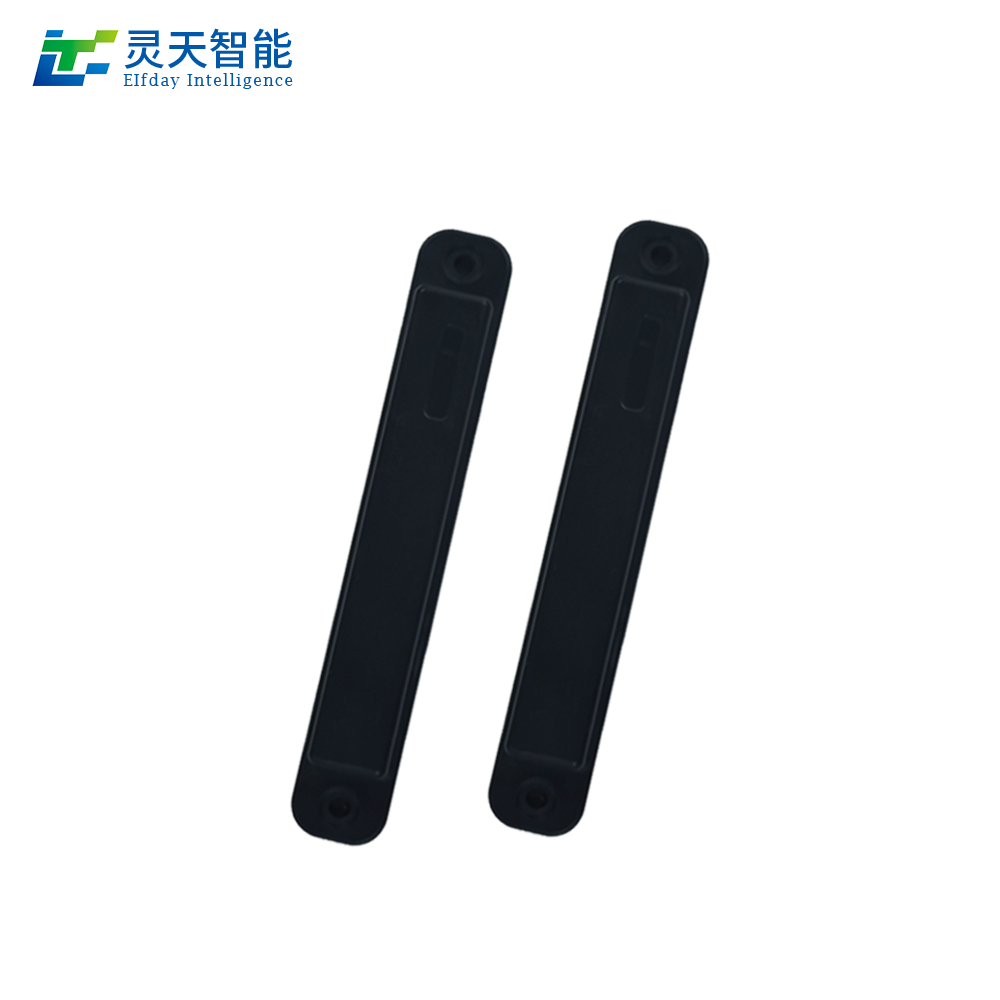
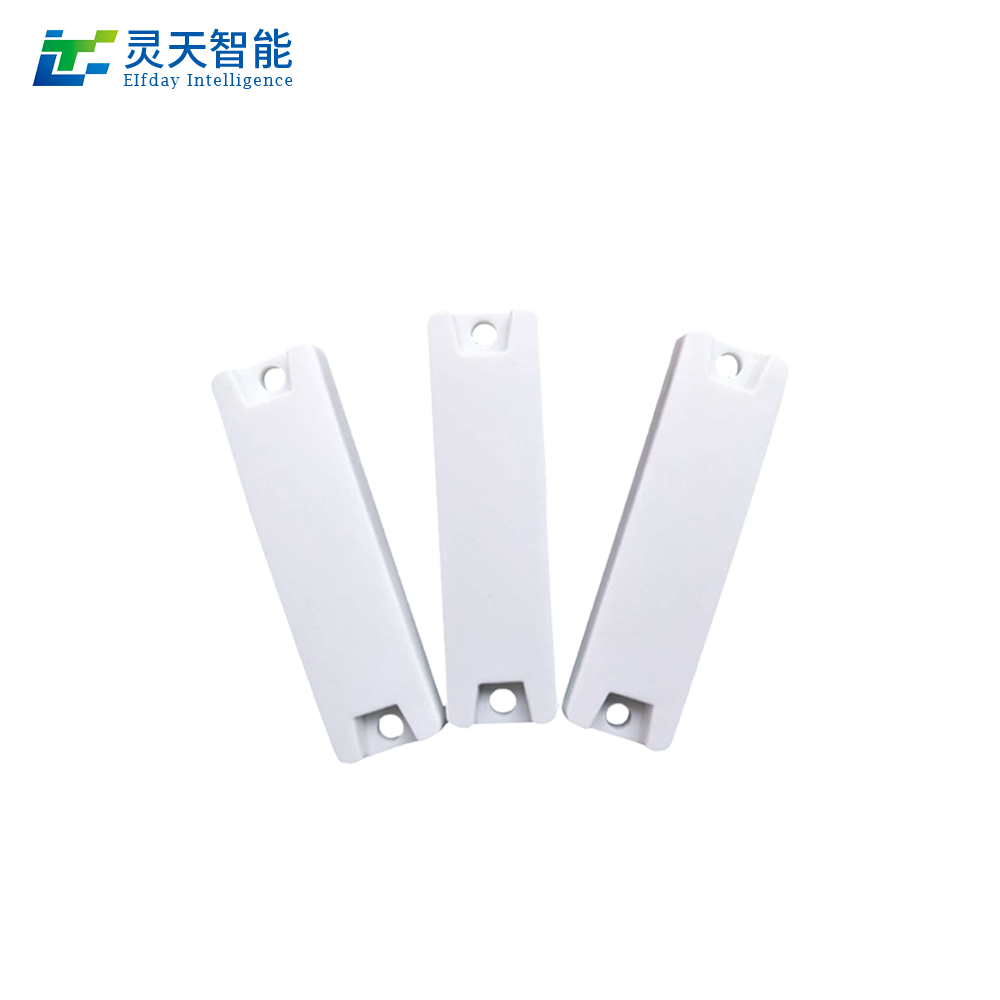
RFID tags high temperature are designed with specialized materials and heat-resistant electronics that allow them to function in environments exceeding 250°C (482°F). Industries such as metal processing, automotive manufacturing, and chemical production rely on these tags to maintain precise asset tracking even under extreme conditions.
Key features of high-temperature RFID tags include:
Durable Materials: Ceramics, high-performance polymers, and heat-resistant adhesives protect the internal electronics.
Protective Encapsulation: Seals sensitive components against heat, dust, and chemicals.
Specialized Mounting Options: Ensures that tags stay attached and readable despite vibration, thermal expansion, or mechanical stress.
How RFID Tags High Temperature Withstand Extreme Heat
High-temperature RFID tags survive harsh conditions through a combination of design, materials, and testing:
Thermal-Resistant Materials
The casing and internal components are made to resist melting, warping, or degradation at extreme temperatures.
Advanced Chip Technology
The RFID chips inside these tags are engineered to maintain data integrity and consistent signal strength even in elevated temperatures.
Protective Encapsulation
Encapsulation shields the electronics from heat, dust, and chemical exposure, allowing reliable operation in industrial ovens or high-heat manufacturing lines.
Rigorous Testing
Manufacturers conduct gradual heating, continuous monitoring, and post-heat evaluations to ensure that each tag performs reliably under extreme conditions.
Benefits of Using High-Temperature RFID Tags
Reliability: Ensure accurate tracking even in challenging environments.
Durability: Resistant to heat, vibration, and chemical exposure.
Operational Efficiency: Reduce downtime caused by unreadable or damaged tags.
Asset Protection: Safeguard valuable equipment and prevent data loss.
By selecting RFID tags high temperature, companies can maintain operational continuity, protect critical assets, and enhance overall workflow efficiency.
Tips for Selecting the Right High-Temperature RFID Tags
Understand the Environment
Know the maximum temperatures, humidity levels, and chemical exposure your tags will encounter.
Evaluate Read Range
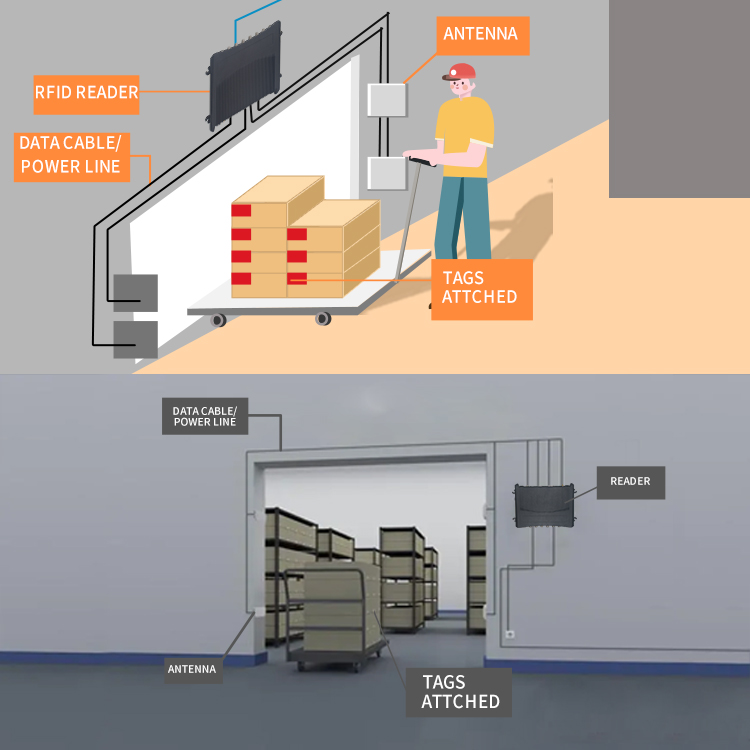
Ensure the tag maintains a strong signal at the distances required by your RFID readers.
Check Durability
Consider mechanical stress, vibration, and chemical resistance alongside heat tolerance.
Verify Testing Standards
Choose tags that have been tested under real-world high-temperature conditions to ensure long-term reliability.
For reliable industrial solutions, explore our high temperature RFID tags
designed for extreme heat environments.
FAQ – High Temperature RFID Tags
Can RFID tags high temperature survive over 250°C?
Yes. Industrial-grade RFID tags are designed to withstand extreme heat while maintaining readability and structural integrity. Proper testing ensures they meet these standards.
How long do high-temperature RFID tags last?
Lifespan depends on usage conditions and environmental factors. When properly tested, these tags can last for many years even in harsh industrial settings.
Are high-temperature RFID tags reusable?
Most industrial high-temperature tags can be reused if installed and removed carefully. Testing ensures durability across multiple cycles.
Do these tags work on metal surfaces?
Yes. Specialized metal-mount RFID tags are available for high-heat industrial applications, providing reliable readings in challenging conditions.
Can these tags withstand chemical exposure?
Many high-temperature RFID tags are resistant to oils, moisture, and certain chemicals. Testing in expected conditions is recommended for optimal performance.
RFID tags high temperature are essential for industries operating in extreme heat. With advanced materials, protective design, and rigorous testing, these tags survive harsh environments while maintaining performance and reliability. Implementing high-temperature RFID solutions protects your assets, ensures operational efficiency, and prevents costly downtime.
Take Action: Protect your critical industrial assets today. Check out our high temperature RFID tags to ensure reliability and durability in the toughest conditions.