



How RFID Tracking Tags Improve Supply Chain Transparency
In today’s fast-paced business environment, supply chain efficiency is no longer just a competitive advantage—it’s a necessity. Companies are constantly searching for innovative solutions to streamline operations, reduce errors, and improve visibility across every stage of their supply chain. One technology that has emerged as a game-changer is RFID tracking tags.
Understanding RFID Tracking Tags
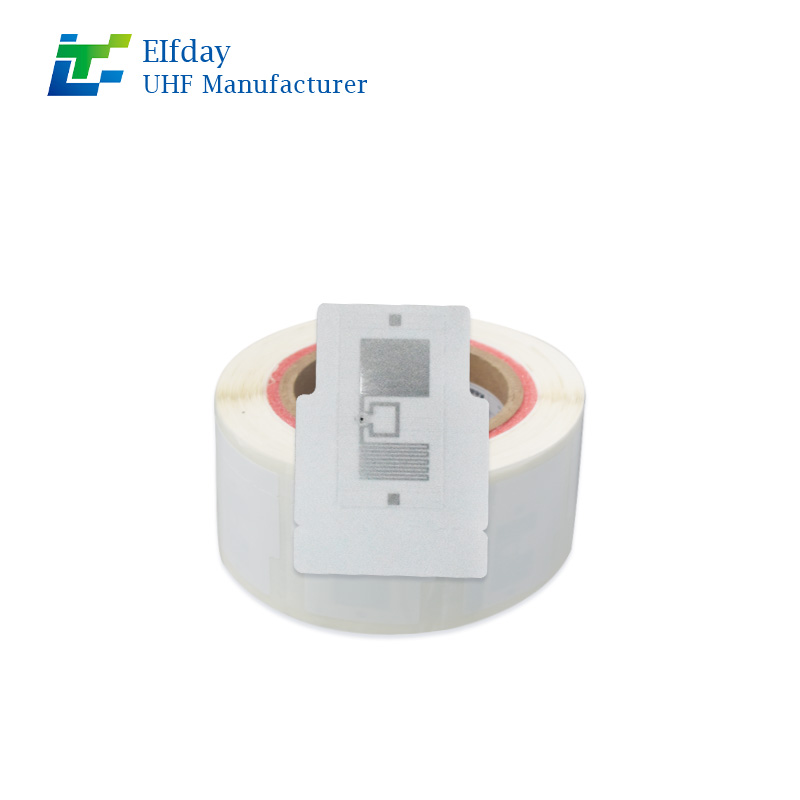
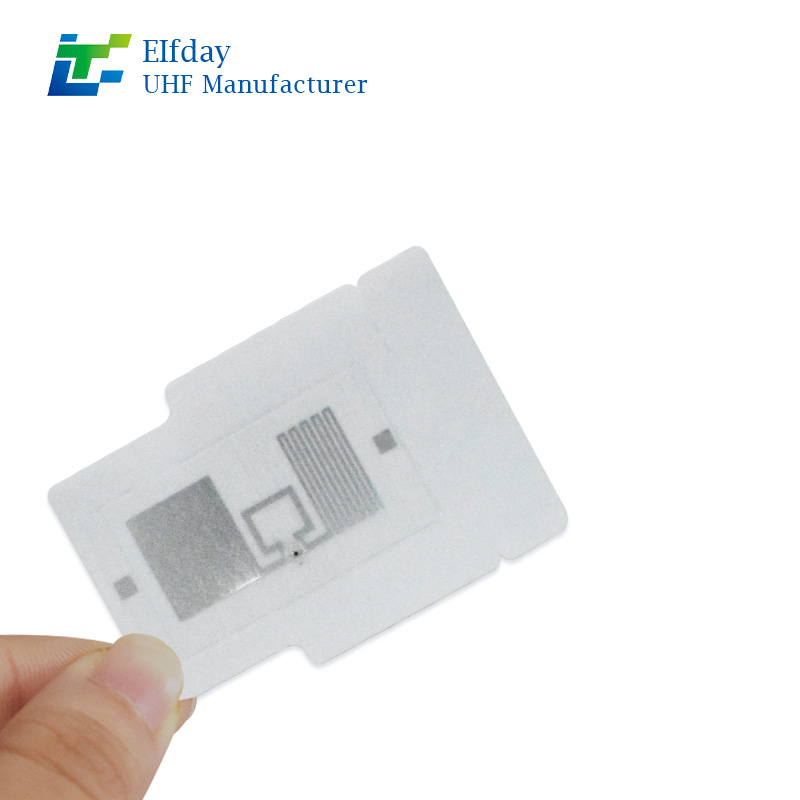
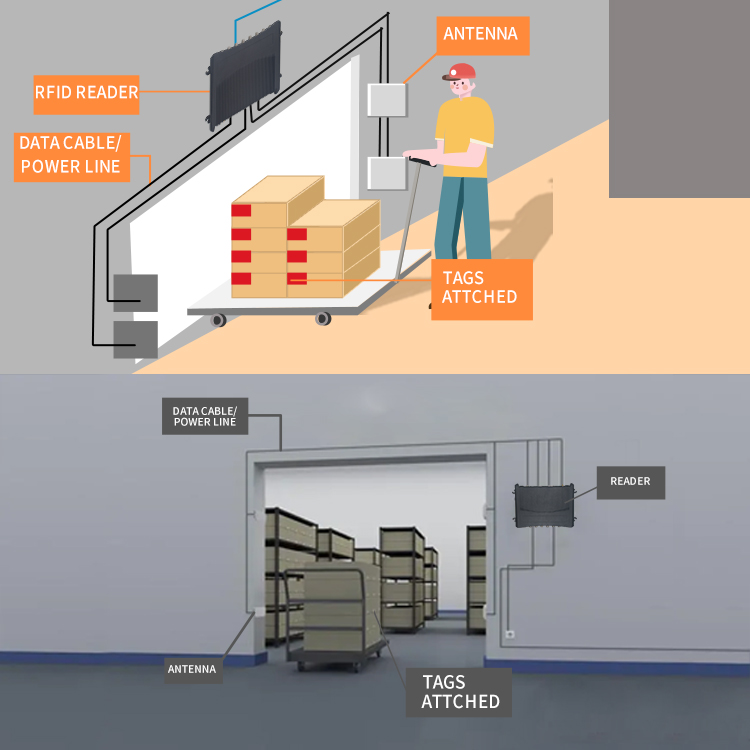
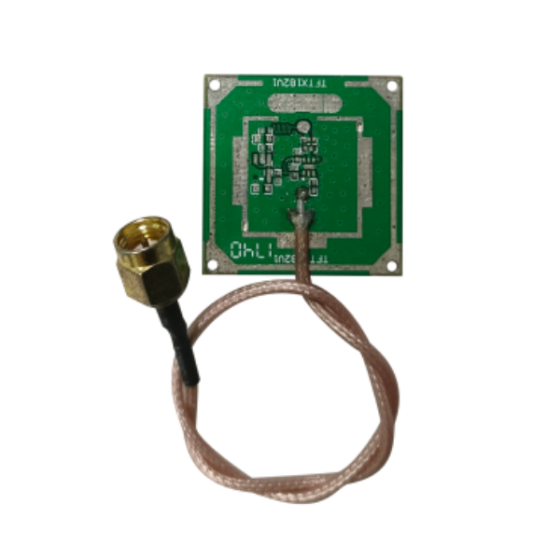
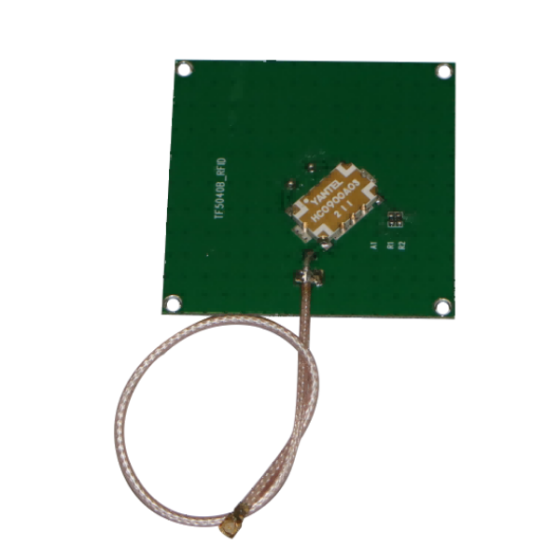
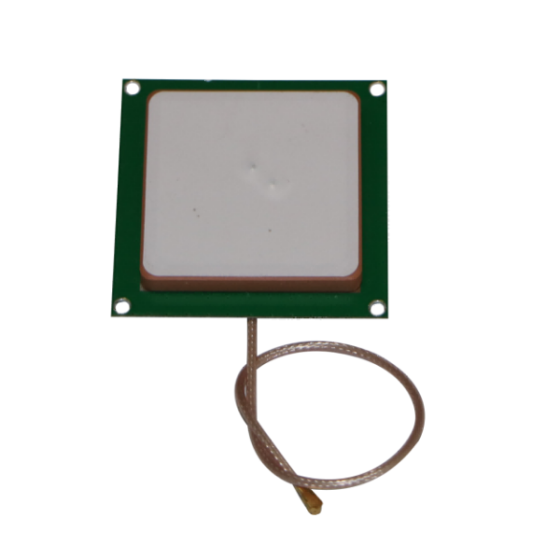
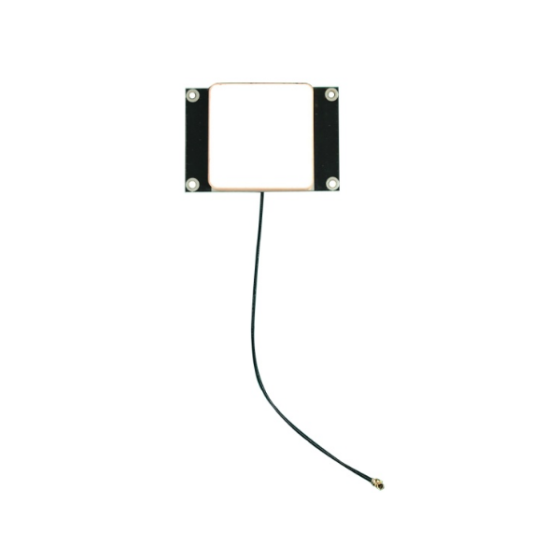
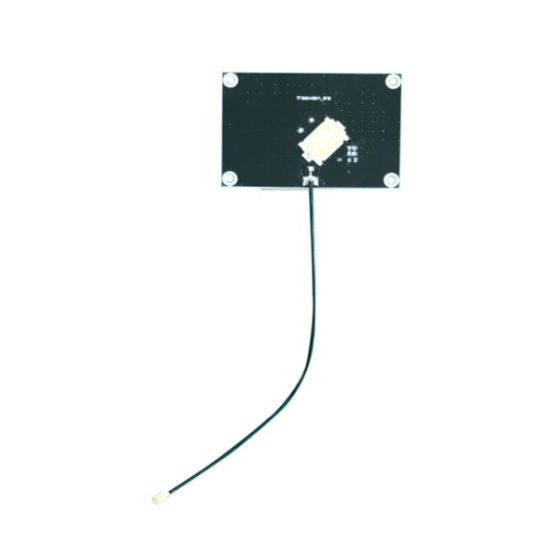
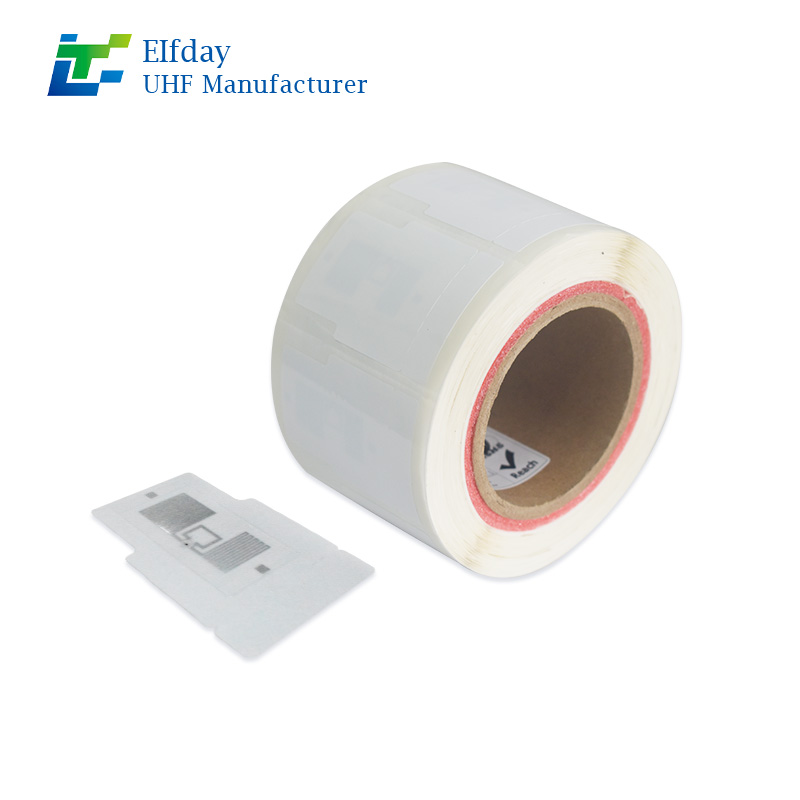
RFID, short for Radio Frequency Identification, uses electromagnetic fields to automatically identify and track tags attached to objects. RFID tracking tags are small, durable devices that can be attached to products, pallets, or equipment. Unlike traditional barcodes, they do not require line-of-sight scanning and can store detailed information, making real-time tracking possible.
Enhancing Visibility Across the Supply Chain
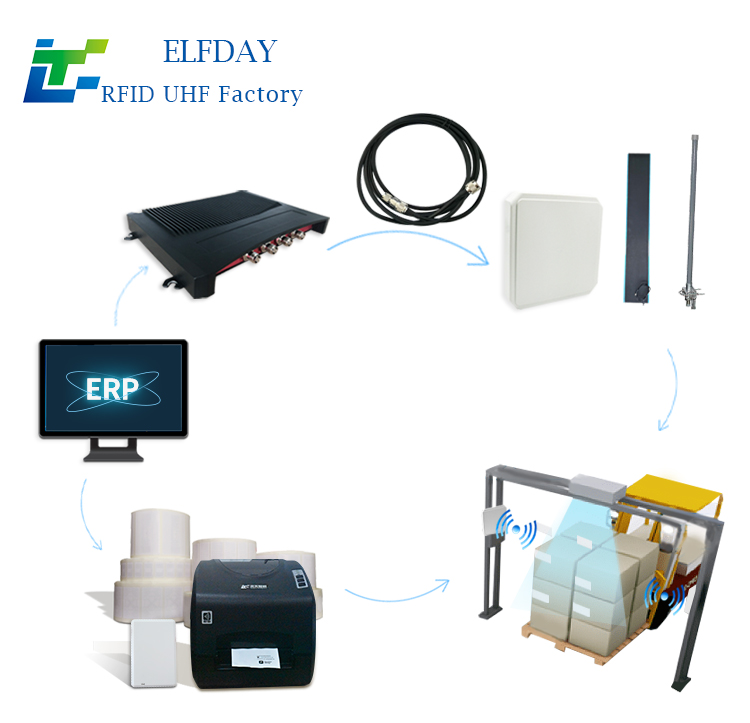
The primary benefit of RFID tracking tags is the enhanced visibility they offer. Businesses can monitor the location and movement of goods at every stage—from manufacturing and warehousing to transportation and delivery. This transparency ensures that decision-makers always have accurate, up-to-date information, reducing the risk of delays or lost shipments.
By providing real-time tracking data, RFID tracking tags enable proactive management. For instance, if a shipment is delayed, managers can immediately adjust schedules, reroute deliveries, or notify clients, preventing costly disruptions.
Reducing Errors and Improving Accuracy
Supply chain errors, such as misplaced inventory or incorrect shipments, can cost businesses time, resources, and reputation. RFID tracking tags minimize these risks by providing precise data automatically. Unlike manual scanning or inventory checks, RFID technology reduces human errors and ensures that inventory records always reflect reality.
This improved accuracy not only simplifies internal processes but also builds trust with partners and clients. When your supply chain is transparent and reliable, stakeholders feel confident in your business operations.
Supporting Compliance and Reporting
Many industries face strict compliance regulations related to tracking and traceability. RFID tracking tags make it easier to maintain detailed records of product movements and inventory changes. This capability supports regulatory compliance and simplifies reporting, whether for audits, quality control, or client requirements.
Driving Efficiency and Cost Savings
While the initial investment in RFID tracking tags may seem significant, the long-term benefits often outweigh the costs. By reducing errors, improving inventory management, and increasing supply chain visibility, businesses save both time and resources. Efficient tracking allows warehouses to optimize storage, minimize overstocking, and speed up order fulfillment, ultimately enhancing overall operational performance.
Creating a Competitive Advantage
In a crowded market, businesses that embrace advanced tracking technologies gain a strategic edge. RFID tracking tags enable companies to respond faster to demand fluctuations, prevent stockouts, and maintain higher service levels. Transparency also fosters stronger relationships with suppliers and customers, positioning your business as reliable, innovative, and forward-thinking.
The adoption of RFID tracking tags is more than a technological upgrade—it’s a strategic move toward a transparent, efficient, and resilient supply chain. By offering real-time visibility, reducing errors, supporting compliance, and improving operational efficiency, RFID technology empowers businesses to meet customer expectations while staying ahead of competitors.
Investing in RFID tracking tags today ensures a smarter, more transparent supply chain tomorrow, enabling your business to operate with confidence and precision.