



RFID Asset Tags
In today’s fast-moving business environment, keeping track of valuable equipment is no longer optional. Companies across manufacturing, healthcare, logistics, retail, and warehousing are turning to RFID asset tags to improve visibility, reduce losses, and simplify asset management.
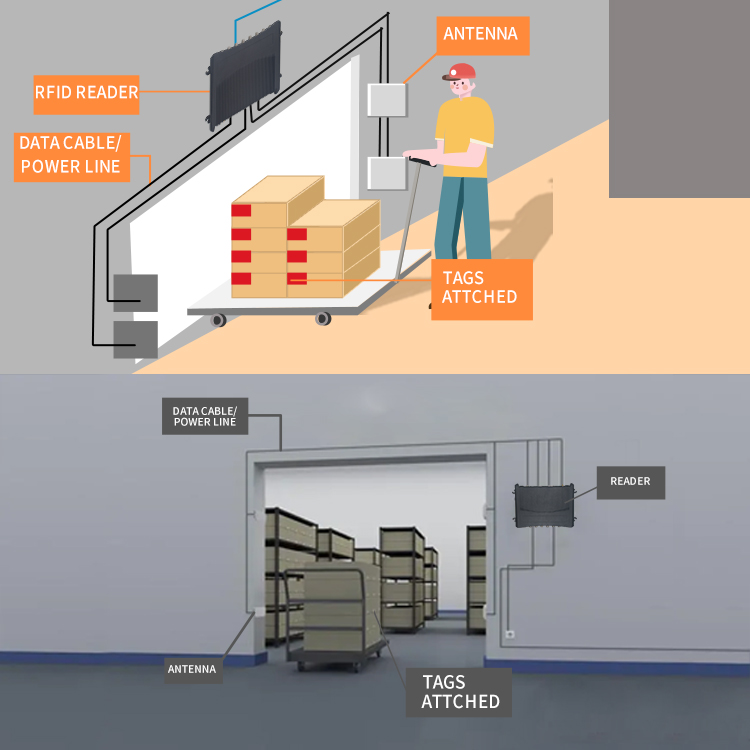
RFID asset tags are changing the way businesses manage tools, devices, inventory, and fixed assets. Unlike traditional labels or barcode systems, RFID technology allows assets to be identified and tracked automatically without direct line-of-sight scanning. This means faster operations, fewer manual errors, and better control over critical resources.
What Are RFID Asset Tags?
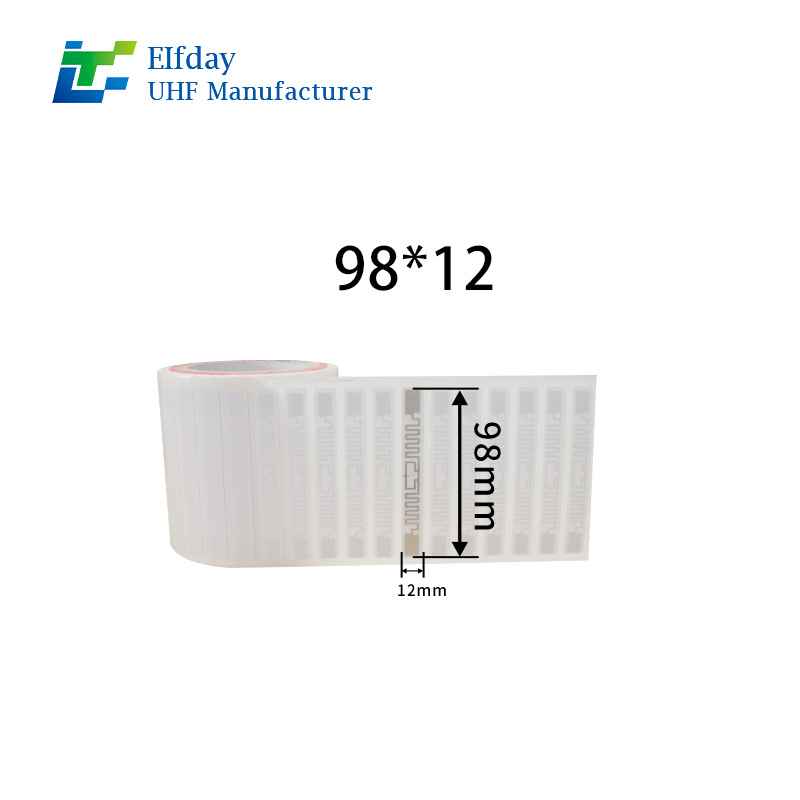
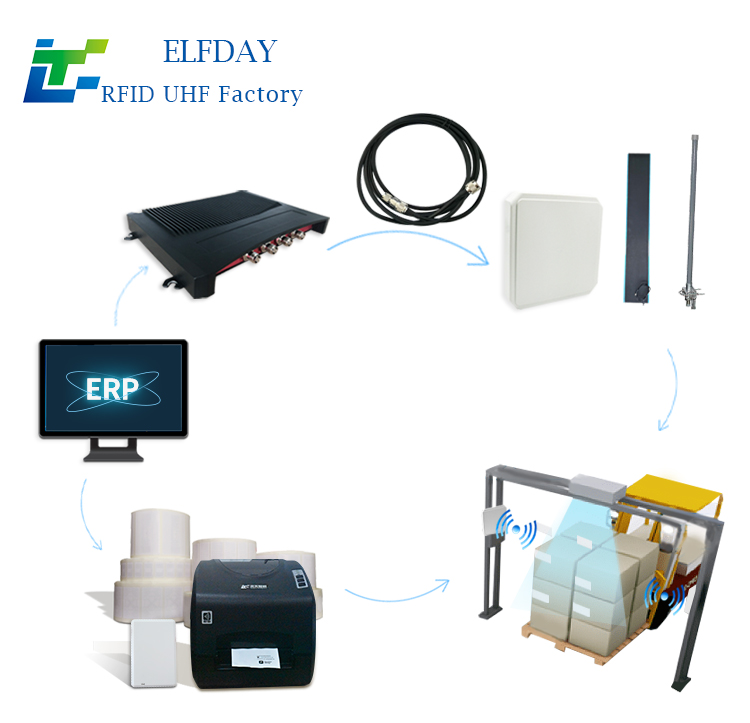
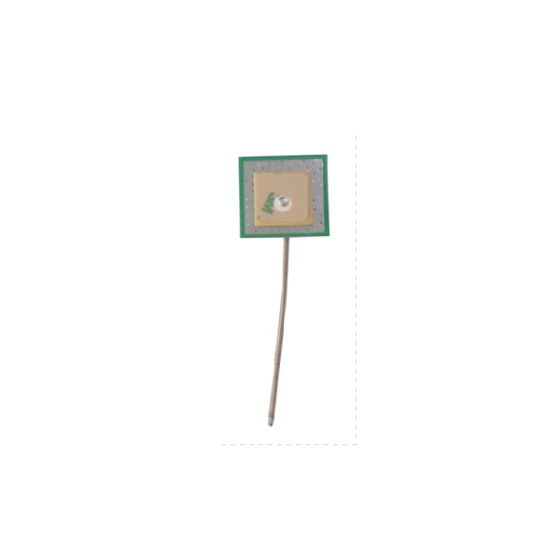
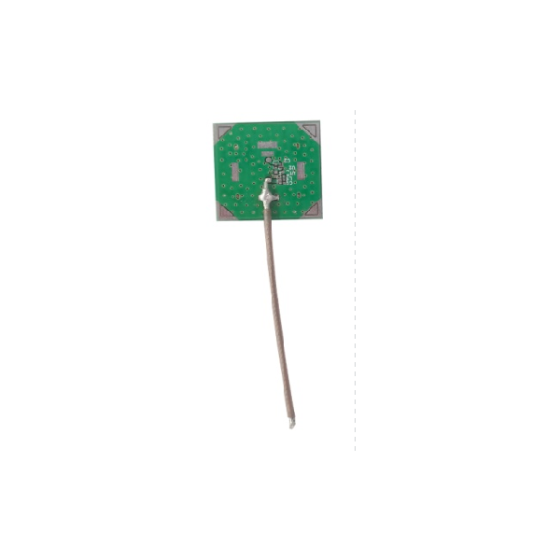
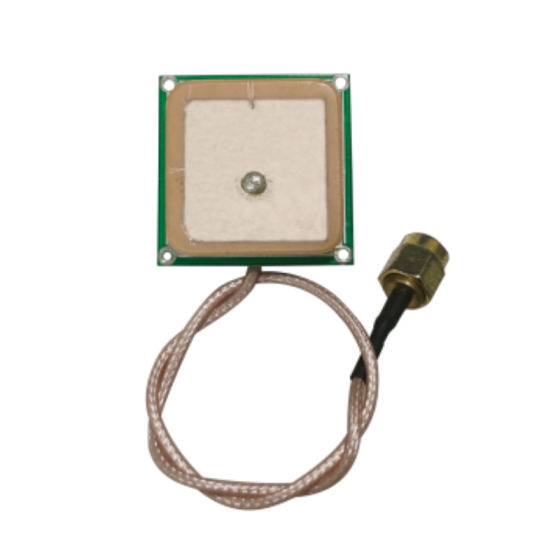
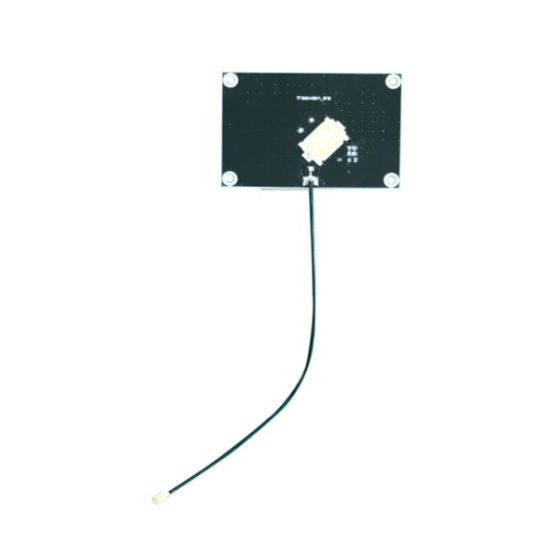
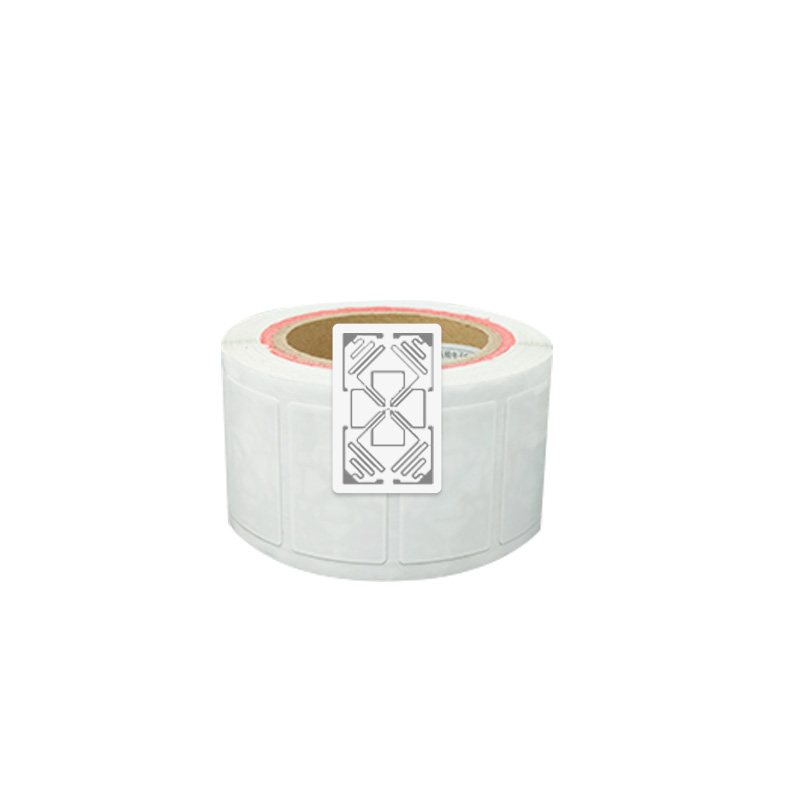
RFID asset tags are electronic labels embedded with RFID chips and antennas. These tags store digital information that can be read by RFID readers using radio frequency signals. Each tag contains a unique identifier, making it easy to track individual assets in real time.
Businesses use RFID asset tags to monitor laptops, medical devices, industrial tools, warehouse equipment, IT assets, containers, and many other valuable items. The tags can be attached to metal surfaces, plastic equipment, machinery, or even harsh industrial environments depending on the application.
Why Businesses Choose RFID Asset Tags
Modern companies need accurate asset tracking to reduce operational waste and improve efficiency. RFID asset tags help businesses solve many common challenges.
Faster Asset Tracking
Traditional inventory checks can take hours or even days. RFID asset tags allow hundreds of items to be scanned within seconds. Employees no longer need to manually check every barcode one by one.
Improved Inventory Accuracy
Manual tracking often leads to missing records and human errors. RFID asset tags provide automated data collection, helping businesses maintain accurate asset information at all times.
Reduced Asset Loss
Lost equipment can create unnecessary costs and delays. RFID asset tags help companies locate assets quickly and monitor movement across facilities, reducing theft and misplaced items.
Better Operational Efficiency
RFID technology minimizes repetitive manual tasks. Teams can spend less time searching for equipment and more time focusing on productivity and customer service.
Types of RFID Asset Tags
Different industries require different tag designs. Choosing the right RFID asset tags depends on the environment, material surface, and reading distance.
Passive RFID Asset Tags
Passive RFID asset tags do not require an internal battery. They are lightweight, cost-effective, and widely used for inventory management and fixed asset tracking.
Active RFID Asset Tags
Active RFID asset tags include built-in batteries and offer longer reading ranges. They are commonly used for high-value asset monitoring and large-scale industrial applications.
On-Metal RFID Asset Tags
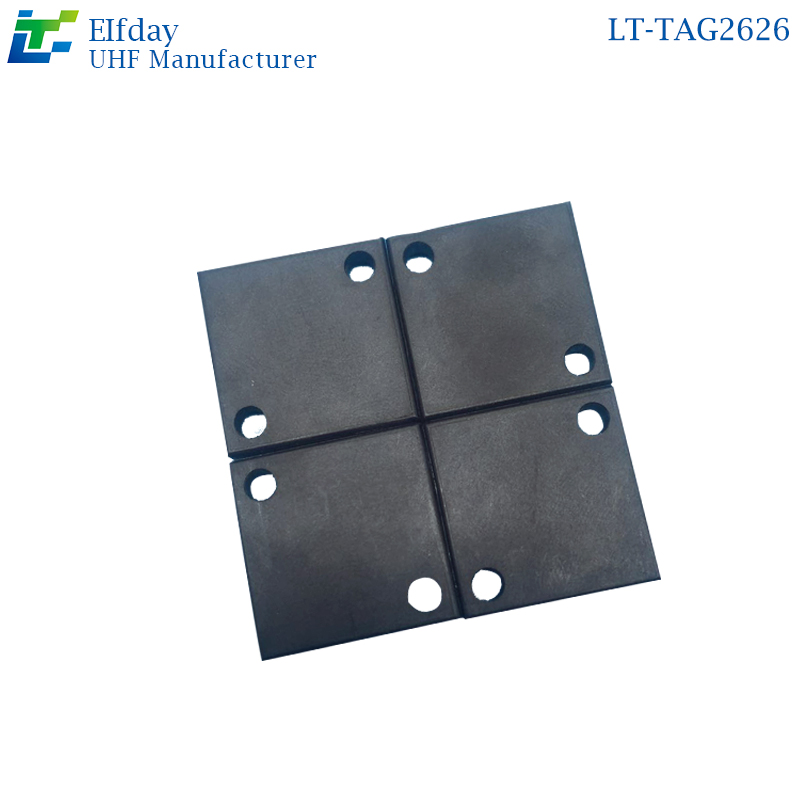
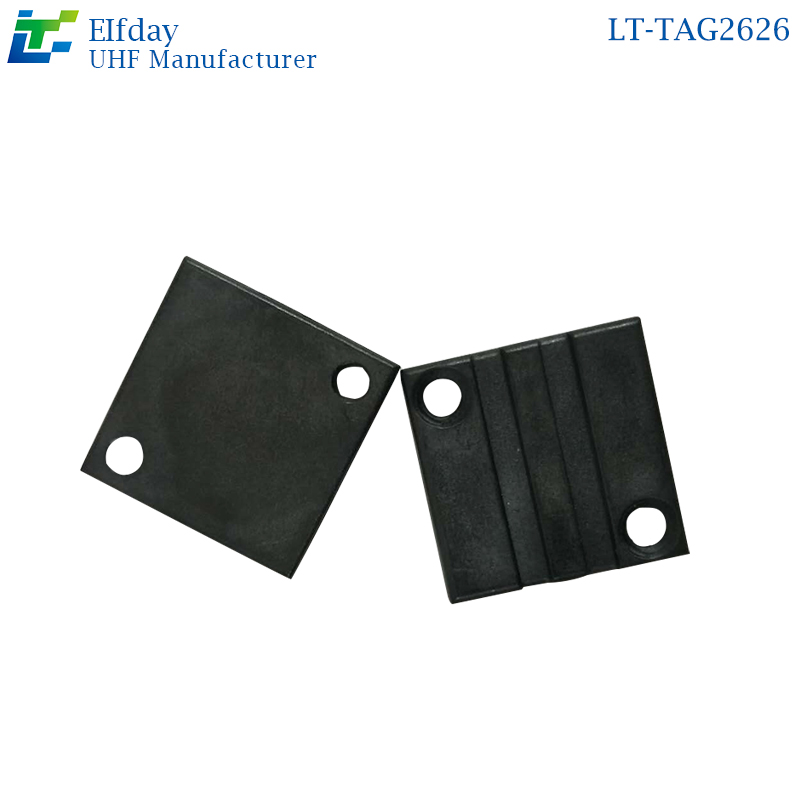
Metal surfaces can interfere with radio signals. On-metal RFID asset tags are specially designed to maintain stable performance when attached to metal equipment or machinery.
Durable Industrial RFID Asset Tags
Harsh environments require rugged solutions. Industrial RFID asset tags can withstand heat, chemicals, moisture, dust, and outdoor conditions.
Industries Using RFID Asset Tags
RFID asset tags are widely used across many industries because they improve efficiency and visibility.
Healthcare
Hospitals use RFID asset tags to track medical equipment, wheelchairs, infusion pumps, and surgical tools. Faster equipment location helps medical staff improve patient care.
Manufacturing
Factories rely on RFID asset tags to monitor production tools, machinery, and work-in-progress items. Real-time tracking improves workflow management and reduces downtime.
Warehousing and Logistics
Warehouse operators use RFID asset tags to manage pallets, containers, and inventory movement. Faster scanning speeds help improve shipping accuracy and inventory visibility.
IT Asset Management
Companies use RFID asset tags to track servers, laptops, networking devices, and office equipment. This improves auditing efficiency and reduces asset loss.
How to Choose the Right RFID Asset Tags
Selecting the right RFID asset tags is important for long-term performance. Businesses should consider several factors before deployment.
Environmental Conditions
Some environments involve heat, water, chemicals, or outdoor exposure. Durable RFID asset tags are essential for maintaining reliable performance.
Surface Material
Metal, plastic, wood, and glass surfaces can affect RFID signal performance. Specialized RFID asset tags may be required for metal assets.
Reading Distance
Different applications require different reading ranges. Short-range asset tracking and long-range warehouse management may use different RFID technologies.
Tag Size and Installation
Compact RFID asset tags work well for small equipment, while larger tags may offer stronger reading performance. Installation methods also vary, including adhesive backing, screws, or cable ties.
The Future of RFID Asset Tags
As businesses continue adopting automation and smart technologies, demand for RFID asset tags is growing rapidly. Companies want faster inventory management, improved asset visibility, and real-time operational data.
RFID technology is becoming more intelligent, more durable, and easier to integrate with modern management systems. Businesses that adopt RFID asset tags today can improve operational efficiency, reduce losses, and gain a stronger competitive advantage.
RFID asset tags have become an essential solution for modern asset management. From improving inventory accuracy to reducing equipment loss, RFID technology helps businesses operate more efficiently and make smarter decisions.
Whether used in healthcare, manufacturing, logistics, or IT management, RFID asset tags provide reliable tracking, faster workflows, and better asset visibility. Choosing the right RFID asset tags can help businesses streamline operations and support long-term growth.