


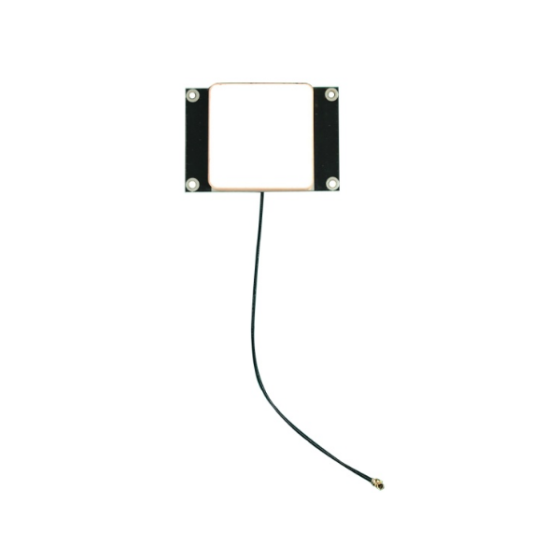
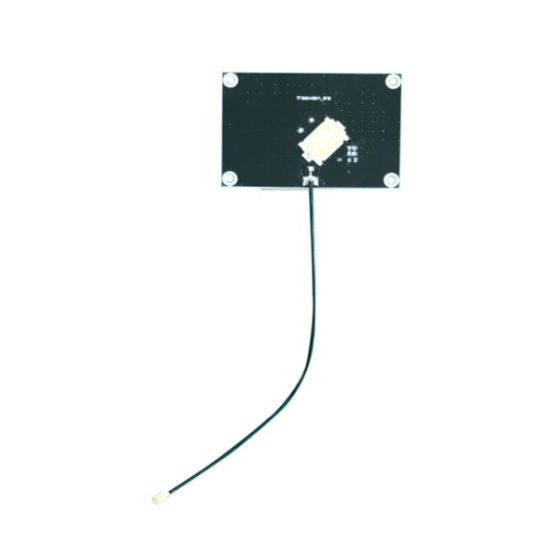


RFID Book Tags | Complete Guide to Library Automation & Book Tracking
Libraries have evolved far beyond traditional shelves filled with books and handwritten borrowing records. Today, educational institutions, public libraries, universities, bookstores, and archives manage collections containing tens of thousands—or even millions—of items. As these collections grow, so do the challenges of cataloging, tracking, borrowing, returning, and securing every book.
Traditional barcode systems have served libraries well for decades, but they require manual scanning, direct line-of-sight, and considerable staff involvement. Modern libraries demand faster circulation, accurate inventory, enhanced security, and better user experiences.
This is where RFID book tags have become an essential technology.
RFID (Radio Frequency Identification) enables books to be identified automatically without physical contact or direct visibility. Instead of scanning one barcode at a time, staff can identify dozens of books simultaneously, dramatically improving efficiency while reducing labor costs.
Whether you're planning a new library automation project or upgrading an existing management system, understanding RFID book tags will help you make an informed investment.
What Are RFID Book Tags?
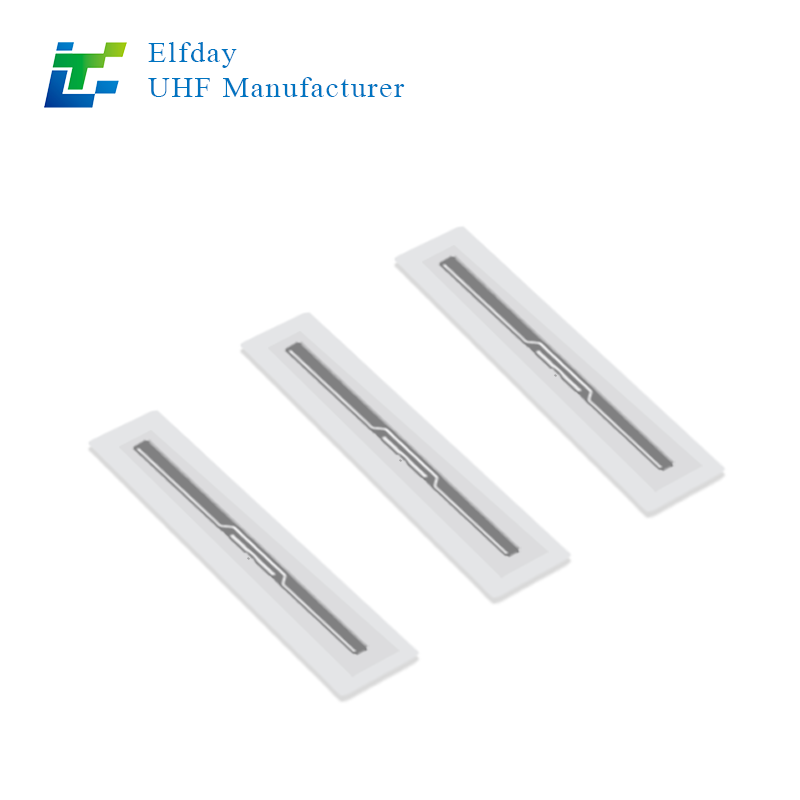
RFID book tags are ultra-thin electronic labels containing two primary components:
- An integrated RFID microchip
- A miniature antenna
These components are embedded inside a durable adhesive label that is usually attached inside the front or back cover of a book.
Each RFID tag stores a unique electronic identifier that corresponds to the book's information within the library management system.
Unlike traditional barcode labels, RFID tags communicate through radio waves. This means they can be read without opening the book, without positioning the label toward a scanner, and even when multiple books are stacked together.
Because of their thin profile, RFID book tags remain almost invisible while providing years of reliable operation.
How RFID Book Tags Work
An RFID library system consists of several connected components working together.
RFID Book Tags
Every book receives a unique RFID label that stores identification data.
RFID Readers
Readers generate radio waves that activate nearby RFID tags and retrieve their stored information.
Readers may be installed in:
- Self-checkout kiosks
- Staff circulation desks
- Security gates
- Inventory scanners
- Automated sorting equipment
Library Management Software
Once tag information is captured, the software immediately updates borrowing records, inventory status, shelving locations, and circulation history.
Security Gates
When a book leaves the library without proper checkout, RFID security gates detect the tag and trigger an alarm.
Unlike older magnetic strip systems, RFID combines identification and security into one integrated solution.
Why More Libraries Are Choosing RFID Book Tags
The shift toward RFID technology is driven by measurable operational improvements.
Faster Circulation
Traditional barcode checkout requires staff or patrons to locate each barcode individually.
RFID allows multiple books to be processed simultaneously.
Instead of scanning books one by one, users simply place an entire stack on the reader.
This significantly reduces waiting times during busy periods.
Accurate Inventory Management
Inventory has traditionally been one of the most labor-intensive tasks in any library.
With barcode systems, staff often remove books from shelves to scan each item individually.
Portable RFID readers eliminate this process.
Staff can simply walk along library shelves while handheld readers automatically identify every tagged book.
Large inventories that once required several days can often be completed within a few hours.
Reduced Labor Costs
Routine tasks such as:
- Borrowing
- Returning
- Shelf verification
- Inventory counting
- Searching for missing books
can all be partially automated.
This allows library staff to spend more time assisting patrons rather than performing repetitive manual work.
Better Patron Experience
Modern library visitors expect convenience.
RFID supports:
- Self-service borrowing
- Self-service returns
- Faster transactions
- Shorter queues
- Improved privacy during checkout
Many libraries now operate self-service stations that allow users to complete transactions independently in less than a minute.
Key Benefits of RFID Book Tags
Improved Reading Speed
RFID readers capture information almost instantly.
Multiple books can be identified simultaneously, making circulation significantly faster than barcode scanning.
Higher Accuracy
Manual scanning inevitably introduces errors.
RFID minimizes human intervention, reducing incorrect checkouts, inventory mistakes, and misplaced records.
Stronger Security
Most RFID book tags integrate Electronic Article Surveillance (EAS) functions.
Only properly checked-out books can pass through library security gates without triggering an alarm.
This helps reduce unauthorized removal while maintaining a welcoming environment for visitors.
Long Service Life
High-quality RFID book tags are designed to remain functional for many years.
They resist:
- Daily handling
- Temperature changes
- Humidity
- Dust
- Normal wear
For most libraries, a single RFID tag lasts throughout the entire life of a book.
Types of RFID Book Tags
Not all RFID book tags are identical.
Choosing the right type depends on your application, collection size, and system compatibility.
High Frequency (HF) RFID Book Tags
HF RFID operates at 13.56 MHz and has become the global standard for library applications.
Advantages include:
- Stable performance
- Excellent anti-interference capability
- Short but reliable reading distance
- Broad compatibility with library automation systems
HF tags are the preferred choice for schools, universities, and public libraries worldwide.
NFC-Compatible Book Tags
Some HF RFID tags also support NFC technology.
This allows compatible smartphones to interact with tagged books for selected applications, such as accessing digital content, verifying authenticity, or linking to online resources.
While not essential for every library, NFC-compatible tags provide additional flexibility for future digital services.
Printable RFID Book Labels
Printable RFID labels combine RFID functionality with visible information such as:
- Barcodes
- Asset numbers
- Classification codes
- Logos
- Shelf locations
This simplifies asset identification while maintaining compatibility with existing library workflows.
Where RFID Book Tags Are Used
Although libraries remain the largest users of RFID book tags, the technology has expanded into many other industries.
Common applications include:
- Public libraries
- University libraries
- School libraries
- Government archives
- Museums
- Corporate knowledge centers
- Research institutions
- Medical libraries
- Bookstores
- Historical document collections
As organizations digitize their asset management processes, RFID continues to play an increasingly important role.