







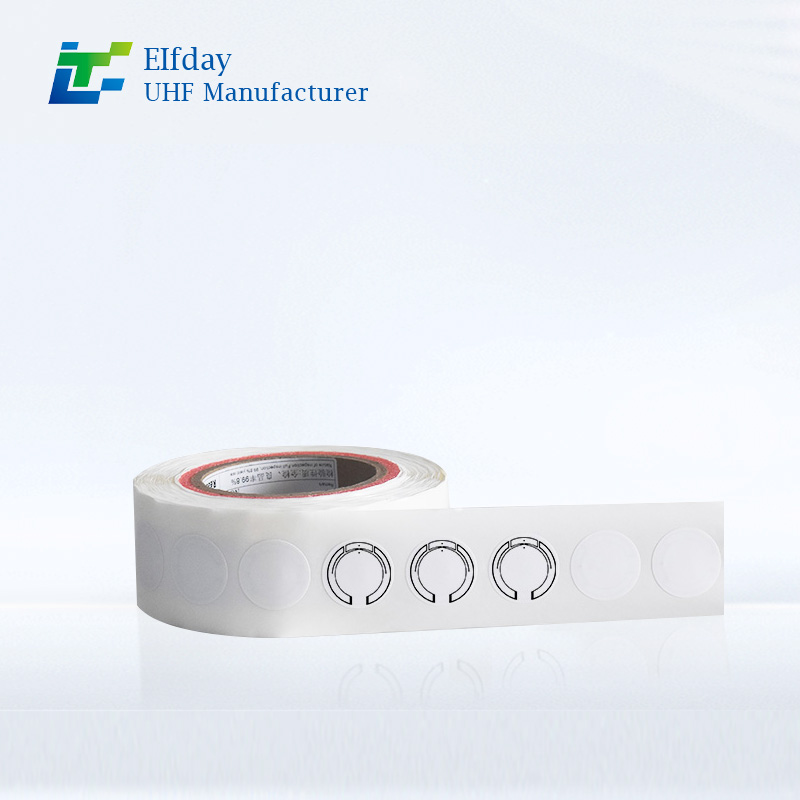
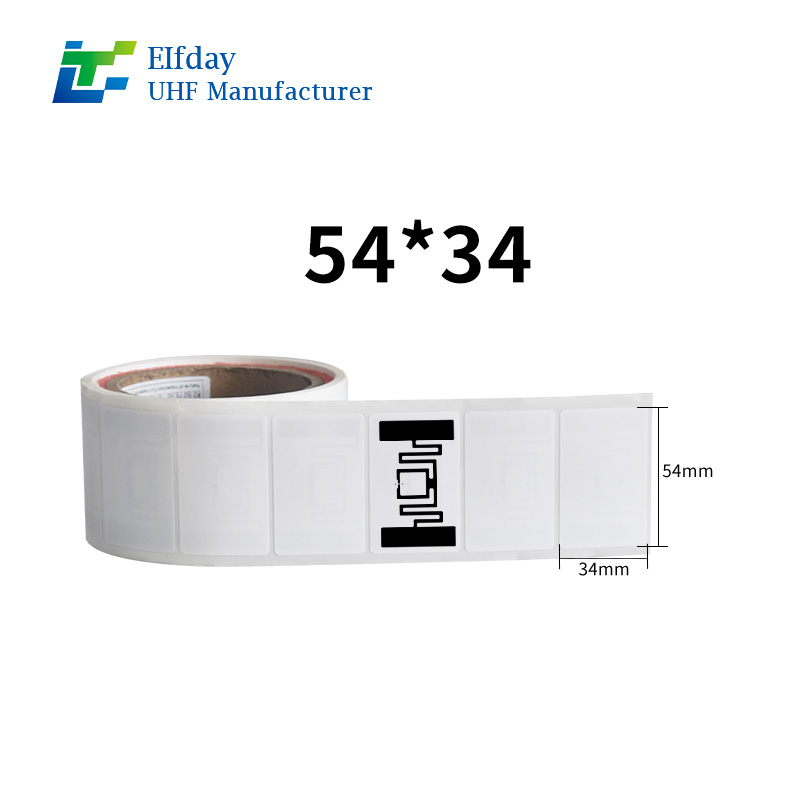
RFID Linen Tag for Reliable Laundry Tracking and Textile Automation
Smarter Textile Management for High-Demand Laundry Operations
RFID linen tag technology is transforming how hotels, hospitals, and industrial laundry services manage textile assets. Instead of relying on manual counting or worn-out barcode labels, businesses can now track every linen item in real time with high accuracy and minimal effort.
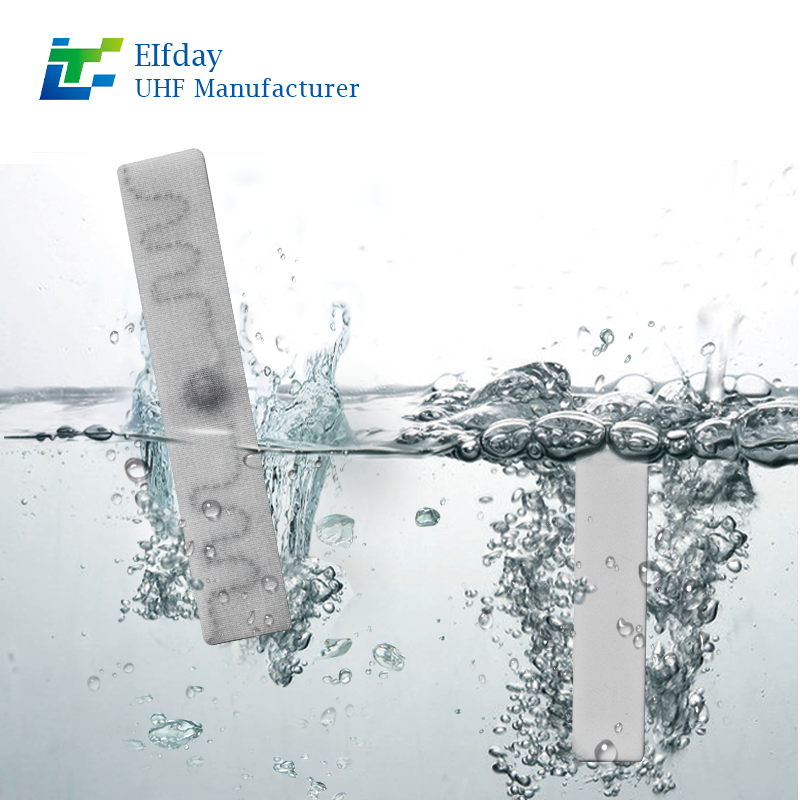
Built for demanding environments, RFID linen tags are designed to survive repeated washing, drying, and sterilization cycles while maintaining stable performance throughout their lifecycle.
Why RFID Linen Tag Matters in Modern Laundry Systems
In fast-paced laundry operations, small inefficiencies quickly turn into large operational costs. Lost linens, incorrect inventory counts, and manual processing delays are common problems that reduce productivity.
RFID linen tags solve these challenges by enabling:
- Automated identification of each textile item
- Real-time inventory visibility across all operations
- Faster processing without manual scanning
- Reduced dependency on labor-intensive tracking methods
This shift from manual control to automated tracking significantly improves both accuracy and operational speed.
Built for Industrial Laundry Conditions
Unlike standard labels, RFID linen tags are engineered specifically for harsh environments where durability is critical.
They are designed to withstand:
- High-temperature washing and drying cycles
- Strong detergents and chemical exposure
- Continuous mechanical pressure during processing
- Repeated reuse without performance degradation
This makes them suitable for long-term use in large-scale textile operations.
Key Operational Benefits of RFID Linen Tags
Adopting RFID linen tags brings measurable improvements across the entire laundry workflow:
Improved Accuracy
Each item is uniquely identified, reducing human error in sorting and inventory counting.
Faster Processing Time
Bulk scanning enables dozens or even hundreds of items to be read instantly.
Lower Operational Costs
Reduced loss, fewer replacements, and improved labor efficiency contribute to cost savings.
Better Asset Control
Operators gain full visibility over linen movement from collection to redistribution.
Scalable Management
Easily supports multi-location or high-volume laundry systems.
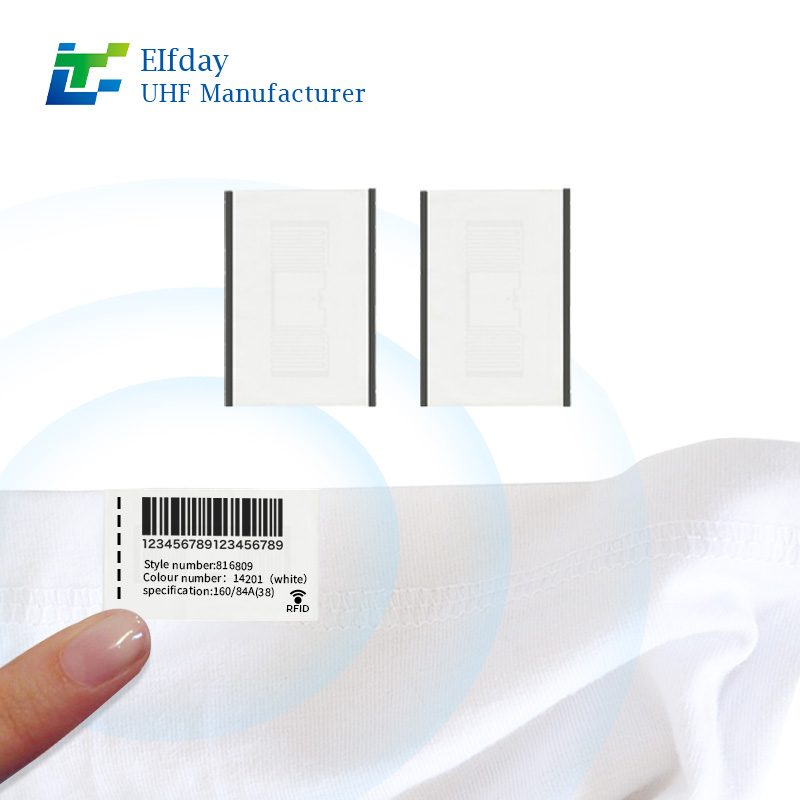
Where RFID Linen Tag Technology Is Used
RFID linen tags are widely implemented in industries that require strict textile control and frequent laundering cycles:
- Hotel and hospitality linen management
- Hospital and healthcare textile tracking
- Commercial laundry service providers
- Spa and wellness center operations
- Uniform rental and workwear systems
Each environment benefits from improved tracking accuracy and operational consistency.
How RFID Linen Tag Systems Work
The workflow is simple but highly effective:
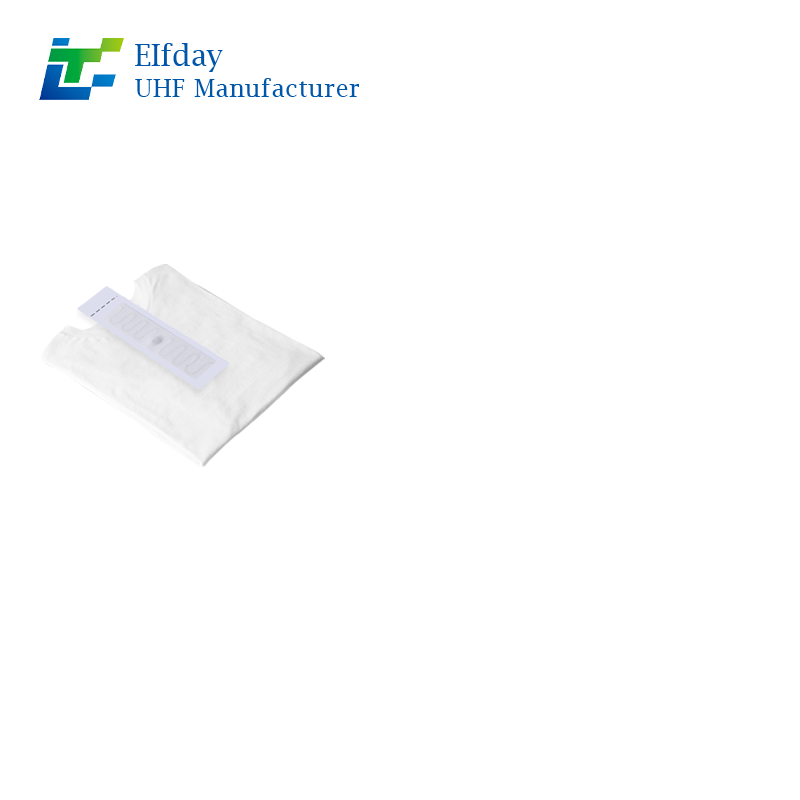
- RFID linen tags are attached to textile items
- Data is encoded into each tag for identification
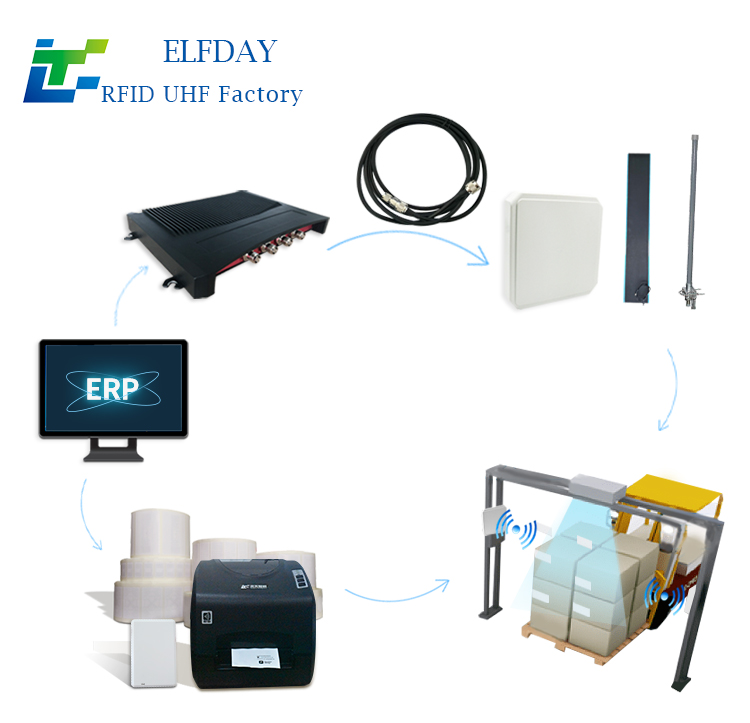
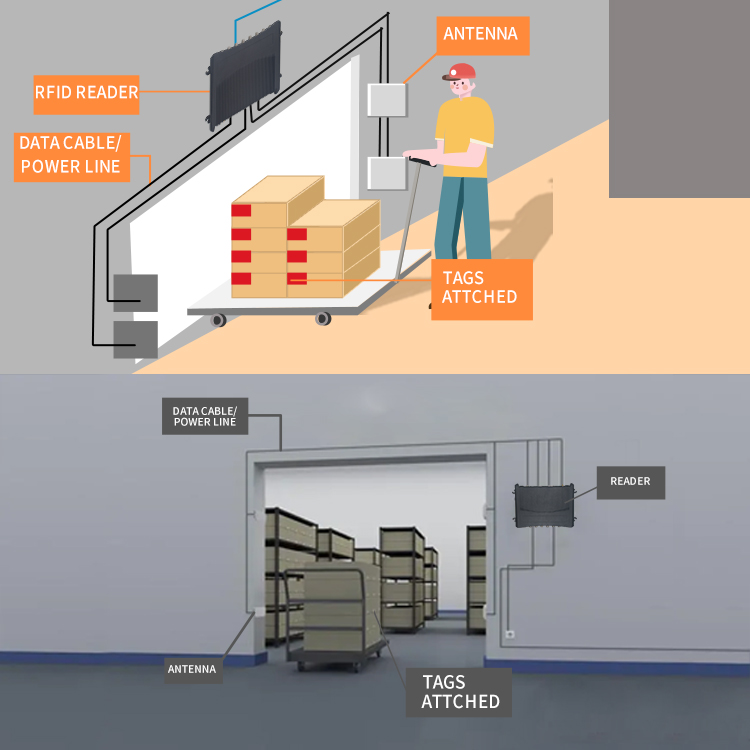
- RFID readers scan multiple items simultaneously
- Information is automatically updated in the system
- Inventory and usage history are tracked in real time
This eliminates the need for manual barcode scanning or paper-based tracking systems.
Business Impact of RFID Linen Tag Adoption
Beyond operational efficiency, RFID linen tags directly influence business performance.
Companies typically experience:
- Reduced textile replacement frequency
- Improved turnaround time for laundry cycles
- Better customer satisfaction through reliable service
- Enhanced traceability of all linen assets
- Increased operational transparency across departments
These improvements support long-term scalability and profitability.
Frequently Asked Questions
Are RFID linen tags reusable?
Yes, they are designed for long-term use across multiple industrial washing cycles.
Can they survive harsh laundry environments?
They are built to withstand heat, chemicals, and mechanical stress commonly found in industrial laundry processes.
Do they require line-of-sight scanning?
No, RFID technology allows non-contact and bulk reading of multiple items simultaneously.
What types of textiles can they be used on?
They are suitable for sheets, uniforms, towels, gowns, and other reusable textiles.
RFID linen tag technology is becoming a standard component in modern textile management systems. By replacing manual tracking with automated identification, businesses can significantly improve efficiency, reduce costs, and gain full control over their laundry operations.
For organizations handling large volumes of textiles, adopting RFID linen tags is not just an upgrade—it is a shift toward smarter, data-driven operations.