



Benefits of RFID in Warehouse Management for Faster, Smarter Operations
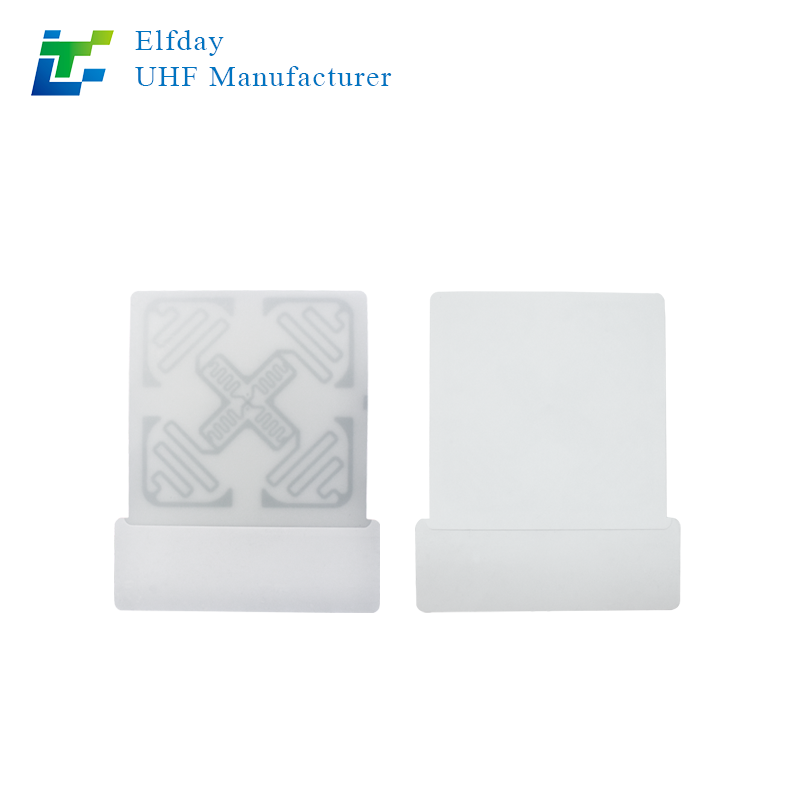
In modern logistics, speed and accuracy are no longer optional—they are essential. As warehouses face growing pressure from e-commerce demand and global supply chain complexity, many operations are shifting from traditional barcode systems to RFID technology. At the center of this transformation is the RFID tag, enabling smarter and more automated warehouse management.
Below are the most important benefits of using RFID in warehouse management and why it is becoming a preferred solution for high-efficiency operations.
1. Real-Time Inventory Visibility
One of the biggest advantages of RFID technology is real-time tracking.
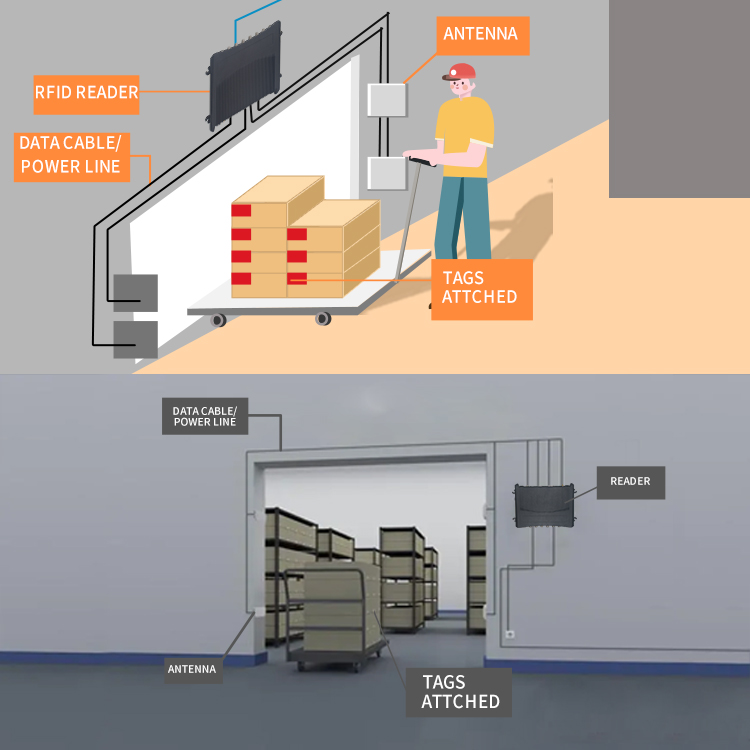
Unlike barcode systems that require line-of-sight scanning, RFID tags can be read automatically as goods move through the warehouse. This allows managers to know exactly what is in stock, where it is located, and how inventory is moving—at any moment.
Result: fewer stock discrepancies and better decision-making.
2. Faster and More Efficient Operations
RFID dramatically reduces the time needed for inventory checks and receiving/shipping processes.
With RFID readers scanning multiple tags simultaneously, warehouse staff no longer need to scan items one by one. Entire pallets or cartons can be processed in seconds.
Result: higher productivity and faster order fulfillment.
3. Improved Inventory Accuracy
Manual data entry and barcode scanning errors are common causes of inventory inaccuracy. RFID helps eliminate these issues by automating data capture.
Because RFID tags are read electronically, human error is significantly reduced.
Result: improved accuracy rates, often reaching over 95–99% in well-implemented systems.
4. Reduced Labor Costs
With automation handling much of the tracking and scanning process, warehouses can operate with fewer manual labor hours dedicated to inventory control.
Employees can focus on higher-value tasks such as quality control, packing, and logistics optimization.
Result: lower operational costs and better workforce efficiency.
5. Enhanced Supply Chain Traceability
RFID technology improves end-to-end traceability of goods as they move through the supply chain.
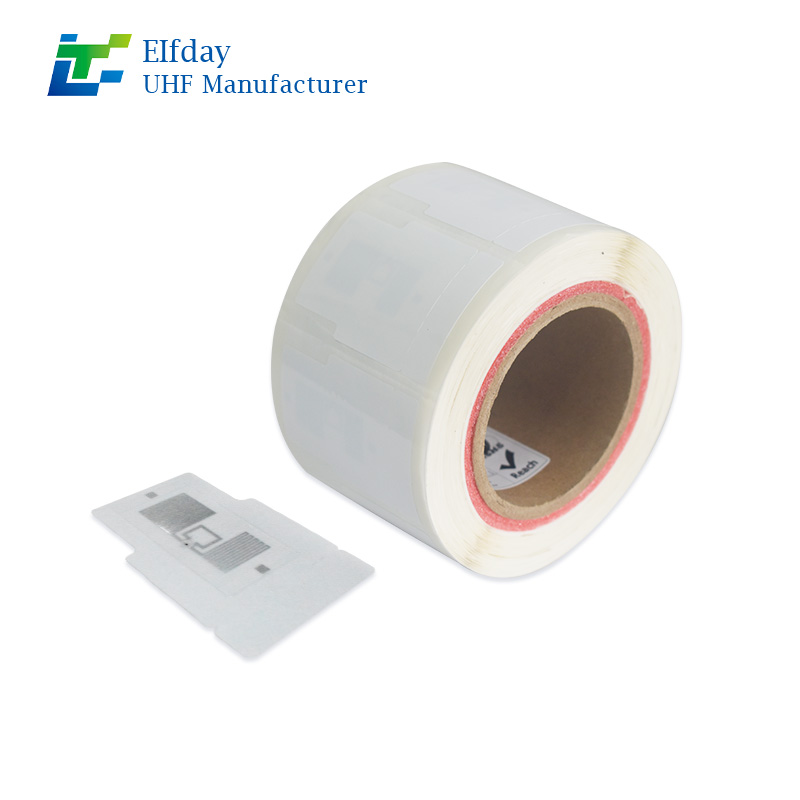
Each RFID tag carries unique product information, allowing businesses to track items from receiving to dispatch and even delivery.
Result: better compliance, stronger quality control, and improved customer trust.
6. Reduced Stock Loss and Theft
Because RFID systems continuously monitor inventory movement, any unexpected removal or misplacement of goods can be quickly identified.
This level of visibility helps reduce shrinkage caused by theft, misplacement, or administrative errors.
Result: better security and reduced financial loss.
7. Smarter Warehouse Automation
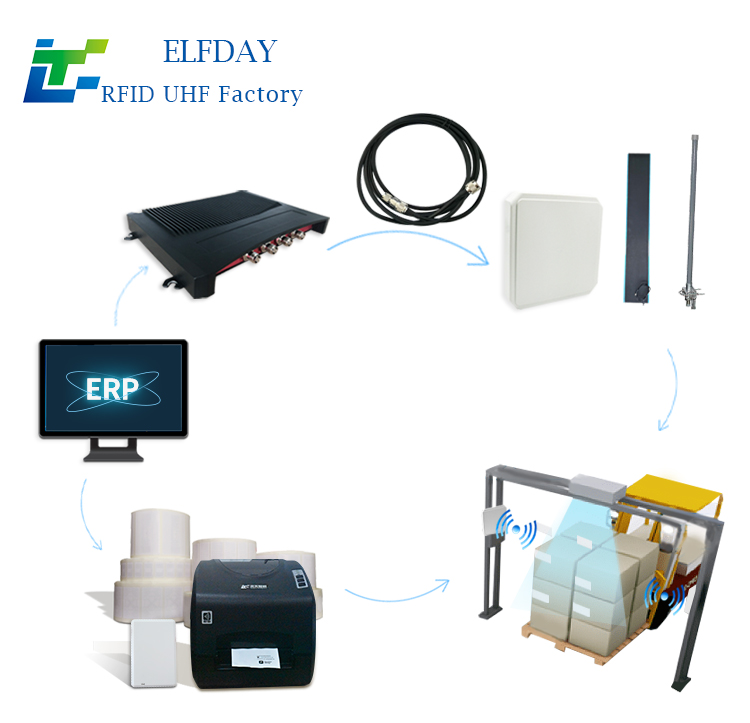
RFID integrates easily with warehouse management systems (WMS), robotics, and IoT platforms.
This enables automated workflows such as:
- Auto-updating inventory records
- Smart reordering alerts
- Optimized picking routes
Result: a more intelligent and connected warehouse ecosystem.
The adoption of RFID tags in warehouse management is no longer a future trend—it is a present-day competitive advantage. From improving accuracy to reducing costs and enabling real-time visibility, RFID technology transforms how warehouses operate at every level.
Businesses that implement RFID systems can achieve faster operations, better control, and a significantly more efficient supply chain.