

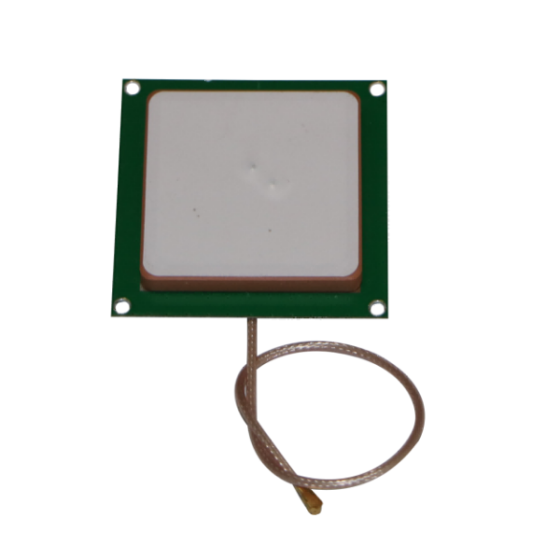
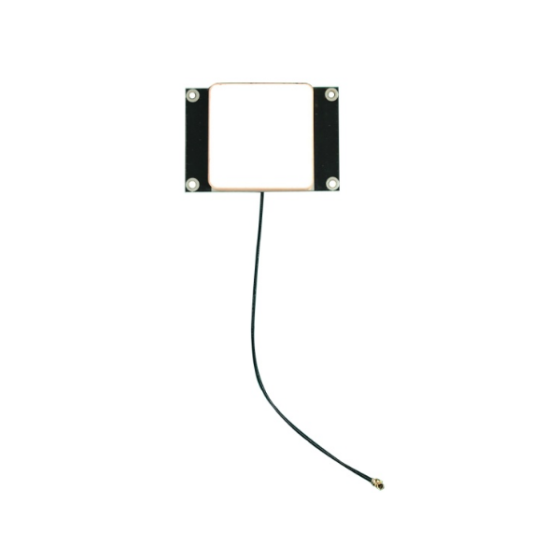
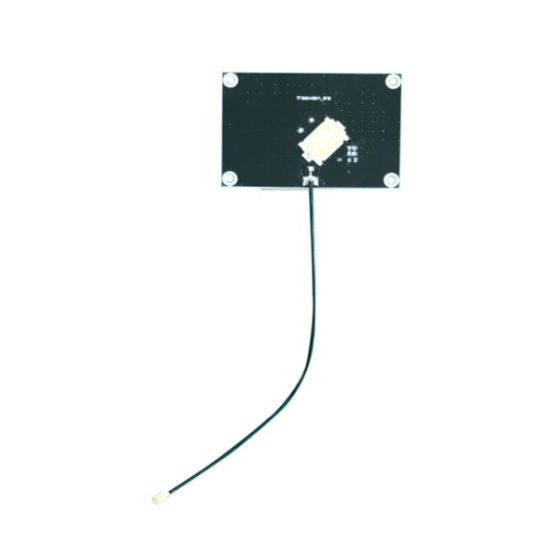


UHF RFID Sticker for Real-Time Tracking in Supply Chain Management
In today’s fast-paced global supply chain, businesses are under constant pressure to improve accuracy, reduce costs, and increase visibility across operations. One technology that has rapidly become a game-changer is the UHF RFID sticker.
From warehouses to retail stores, this small but powerful tracking tool is transforming how companies manage inventory and assets in real time.
What Is a UHF RFID Sticker?
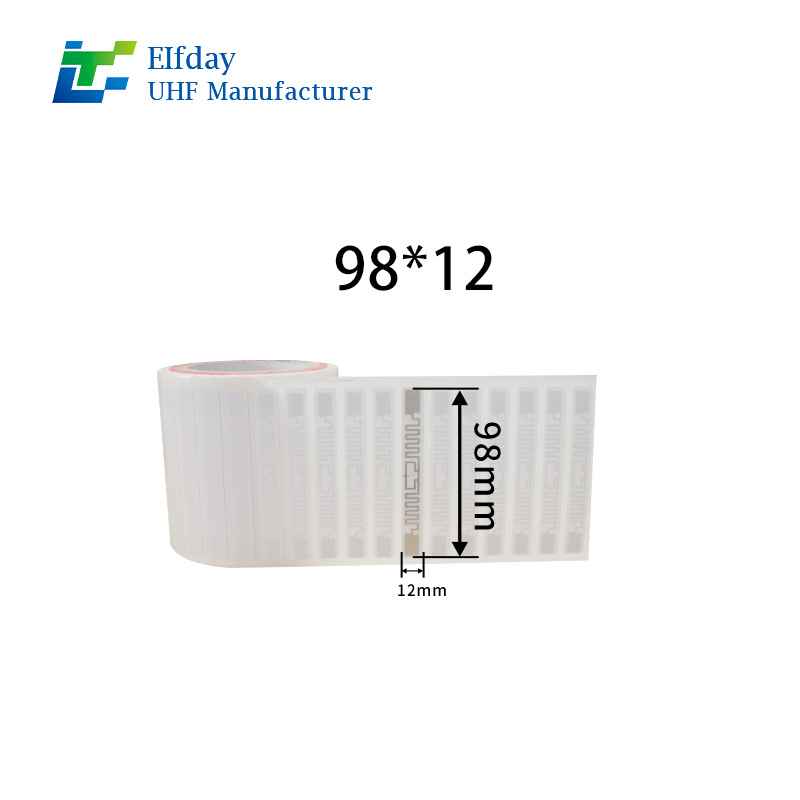
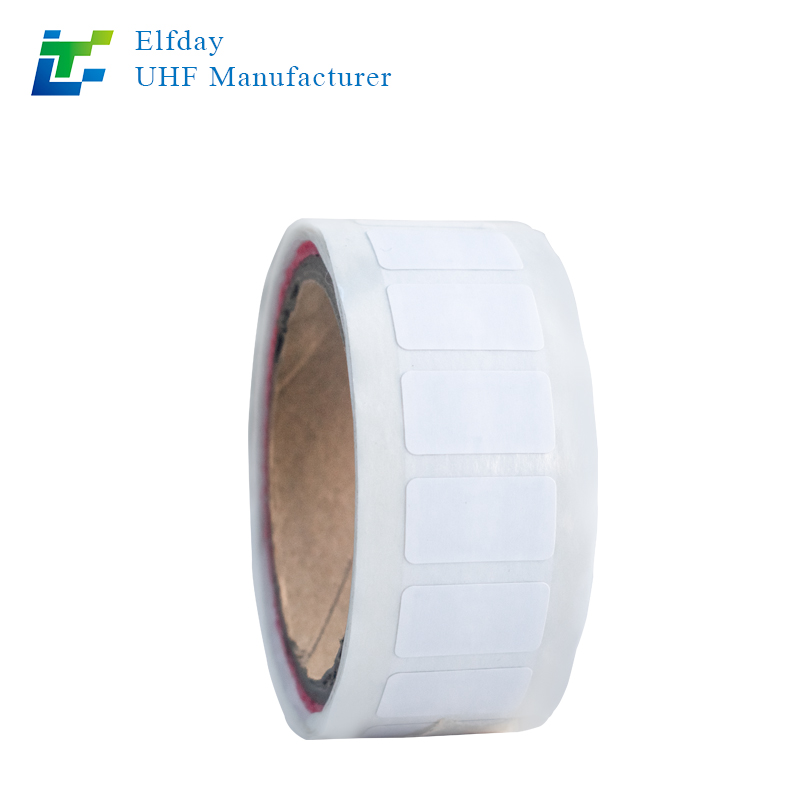
A UHF RFID sticker is a type of radio frequency identification (RFID) label that operates in the ultra-high frequency (UHF) range, typically between 860 MHz and 960 MHz.
It consists of two main components:
- A micro RFID chip that stores data
- A thin antenna that transmits signals to RFID readers
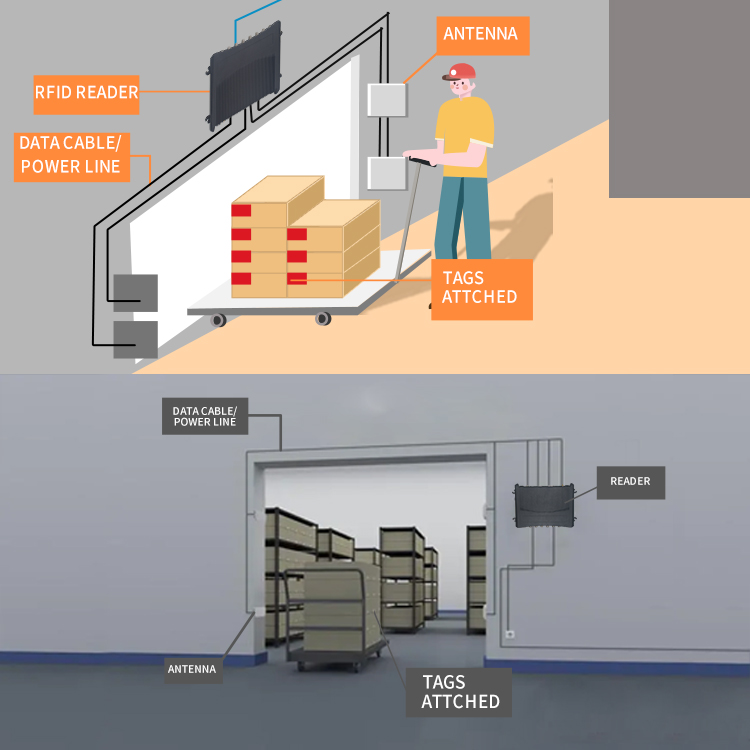
Unlike barcodes, a UHF RFID sticker does not require line-of-sight scanning. This means items can be identified automatically, even when hidden inside boxes or stacked on pallets.
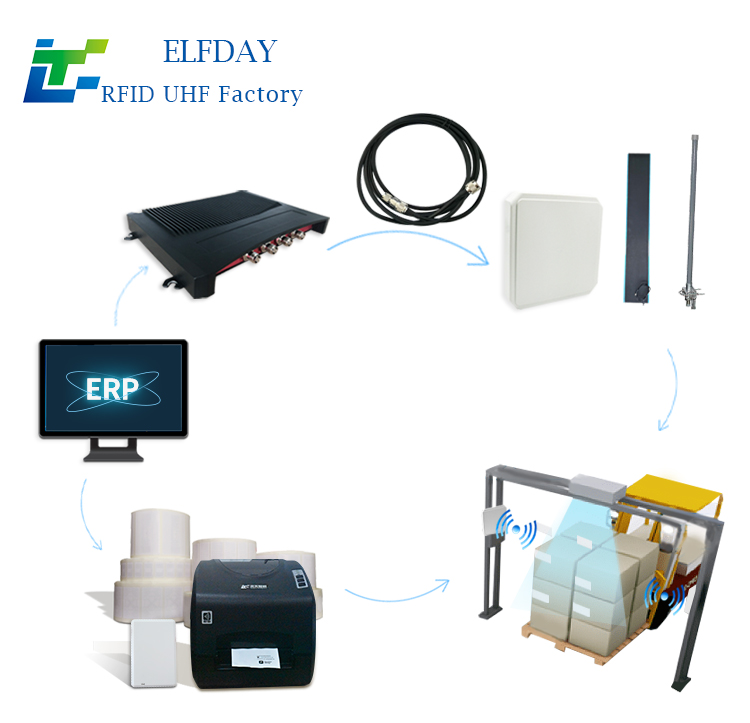
How UHF RFID Sticker Technology Works
The process is simple but highly efficient:
- An RFID reader emits radio signals
- The UHF RFID sticker receives the signal and activates
- The sticker sends stored data back to the reader
- The system records and processes the information in real time
This enables instant tracking of hundreds or even thousands of items simultaneously.
Key Benefits of UHF RFID Stickers
1. Faster Inventory Processing
Manual scanning takes hours or even days. With UHF RFID stickers, entire inventory counts can be completed in minutes.
2. High Accuracy and Reduced Errors
Human error is one of the biggest challenges in inventory management. RFID automation significantly improves data accuracy.
3. Real-Time Visibility
Businesses can track items from warehouse to delivery, improving supply chain transparency.
4. No Line-of-Sight Required
Tags can be read through packaging, cartons, or even sealed containers.
5. Scalable for Large Operations
Whether tracking hundreds or millions of items, UHF RFID systems scale easily.
Common Applications of UHF RFID Sticker
The versatility of the UHF RFID sticker makes it suitable for many industries:
Retail
- Clothing inventory tracking
- Anti-theft systems
- Shelf stock monitoring
Logistics & Supply Chain
- Shipment tracking
- Pallet and container management
- Warehouse automation
Manufacturing
- Work-in-progress tracking
- Component identification
- Quality control processes
Healthcare
- Medical equipment tracking
- Pharmaceutical inventory control
- Patient asset management
Libraries & Education
- Book tracking and checkout automation
- Archive management
UHF RFID Sticker vs Barcode: What’s the Difference?
| Feature | UHF RFID Sticker | Barcode |
|---|---|---|
| Scanning | No line-of-sight required | Requires direct scan |
| Speed | Bulk scanning in seconds | One-by-one scanning |
| Data Capacity | High | Limited |
| Automation | Fully automated possible | Manual or semi-manual |
| Durability | Resistant to wear | Easily damaged |
This comparison clearly shows why many industries are upgrading from barcodes to RFID systems.
Factors to Consider Before Choosing UHF RFID Stickers
Before implementing RFID technology, businesses should evaluate:
- Reading distance requirements
- Material surface (metal, plastic, cardboard, etc.)
- Environmental conditions (heat, moisture, chemicals)
- Chip type and memory size
- Adhesive strength and durability
Choosing the right sticker ensures stable performance in real-world applications.
The Future of UHF RFID Technology
As automation and IoT systems continue to expand, UHF RFID sticker technology is expected to become a standard across global supply chains.
Future developments will likely focus on:
- Lower cost per tag
- Higher read accuracy
- Integration with AI and cloud systems
- Smarter real-time analytics
Businesses that adopt RFID early gain a significant competitive advantage in efficiency and data visibility.
The UHF RFID sticker is no longer just an optional tracking tool—it is becoming a core technology for modern inventory and asset management systems. Companies that implement RFID solutions can expect faster operations, better accuracy, and improved supply chain control.
If your business relies on inventory tracking or logistics efficiency, UHF RFID technology is one of the most impactful upgrades you can make today.