



Top Benefits of Using RFID Asset Tags in Asset Management Systems
As organizations grow, managing physical assets becomes increasingly complex. From IT equipment and tools to warehouse inventory and office assets, keeping track of everything accurately is a constant challenge. Traditional tracking methods often fall short in speed, visibility, and reliability.
This is where RFID asset tags are changing the game. By enabling automated identification and real-time tracking, RFID technology is helping businesses improve efficiency, reduce losses, and gain full control over their assets.
What Are RFID Asset Tags?
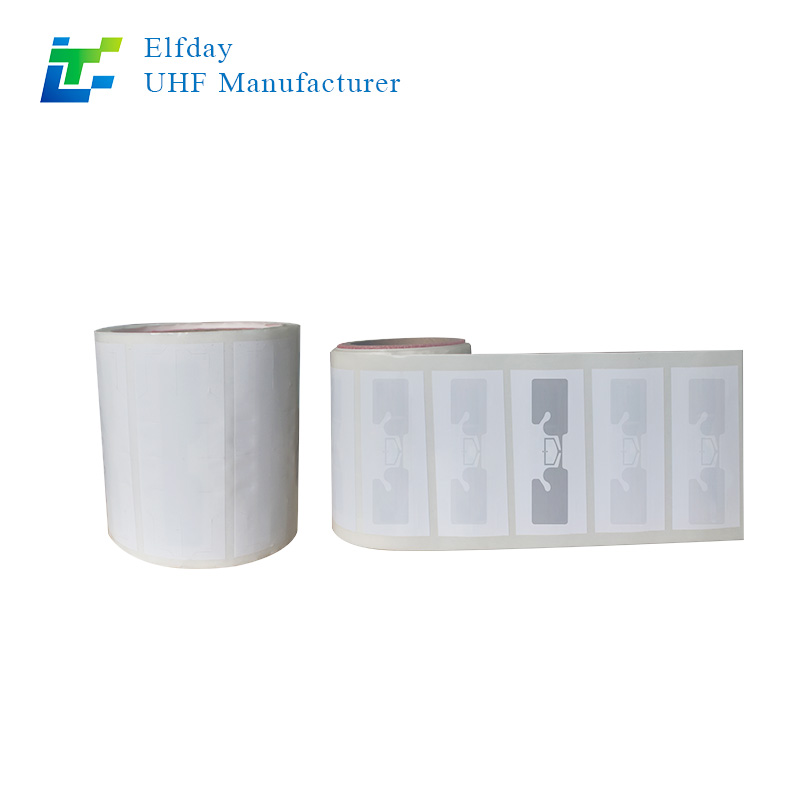
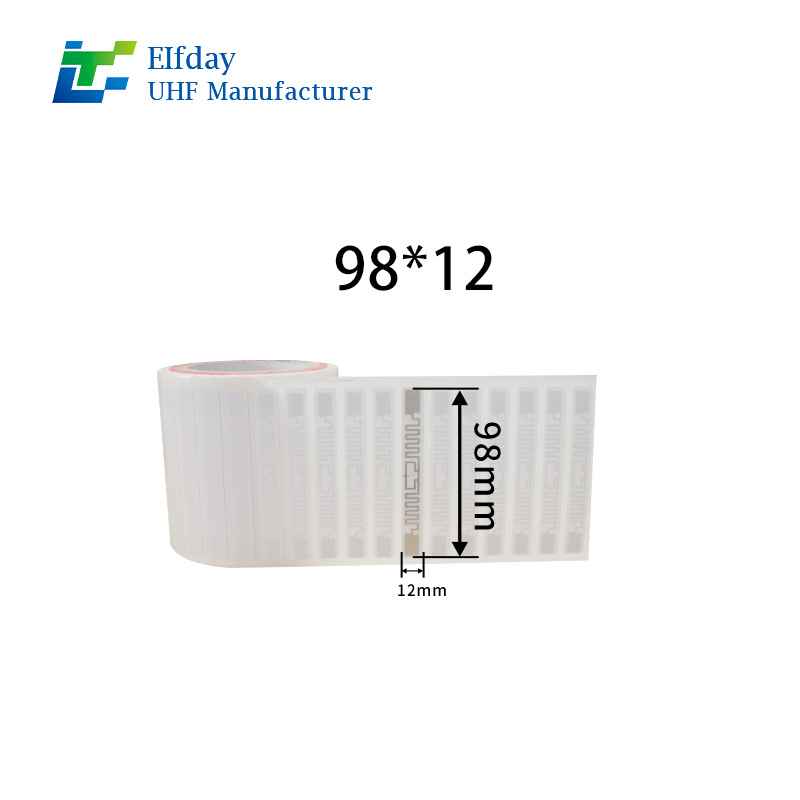
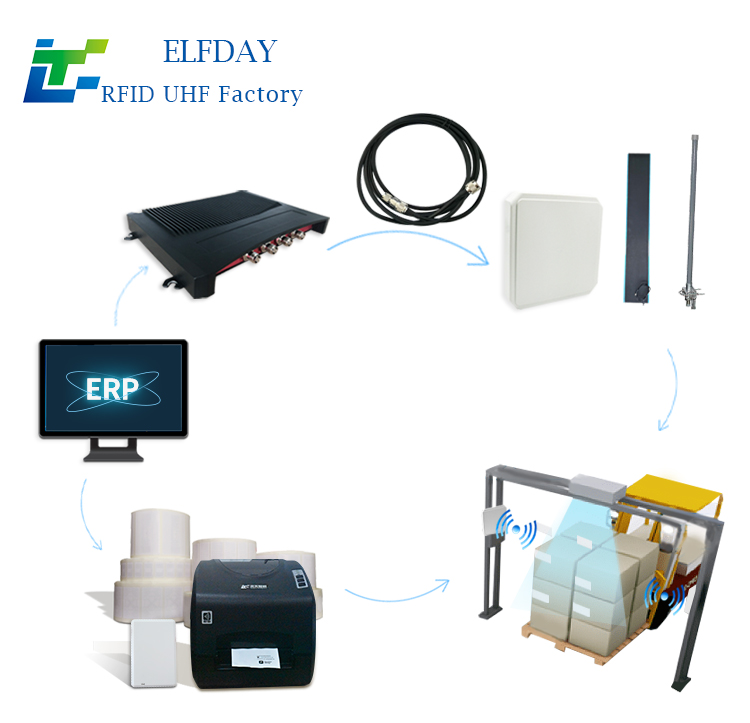
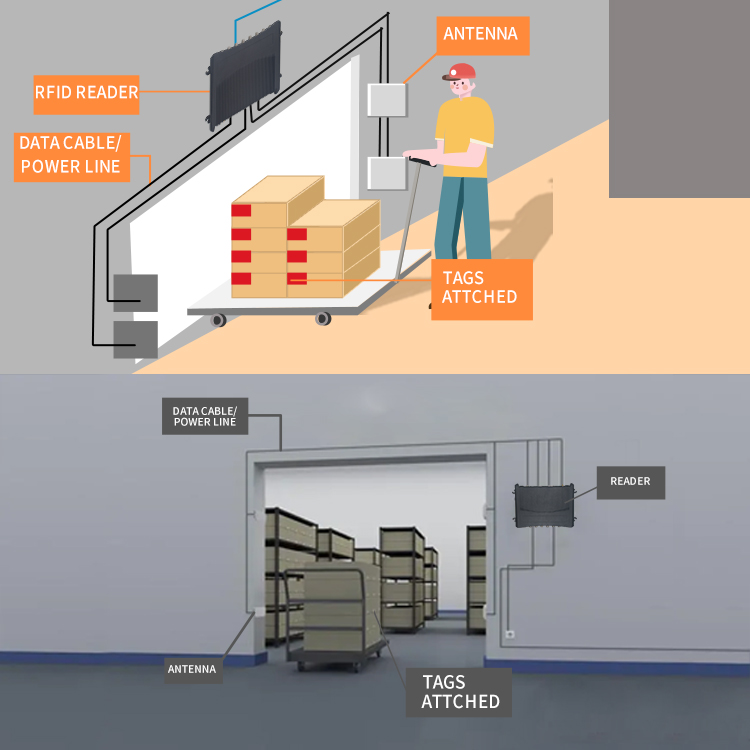
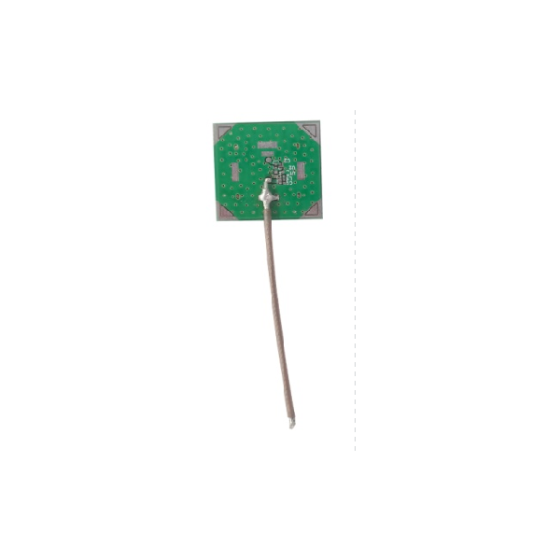
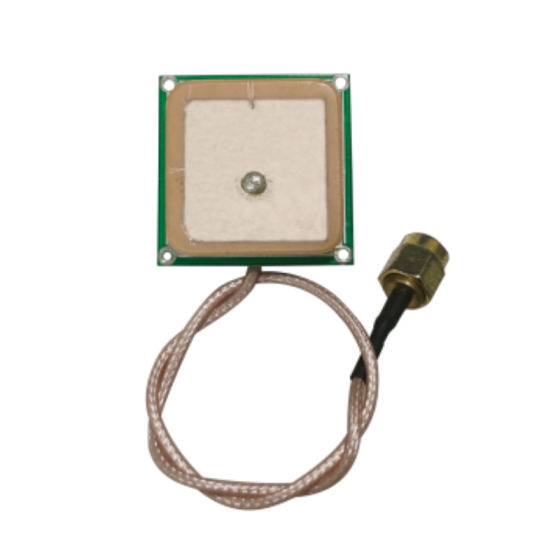
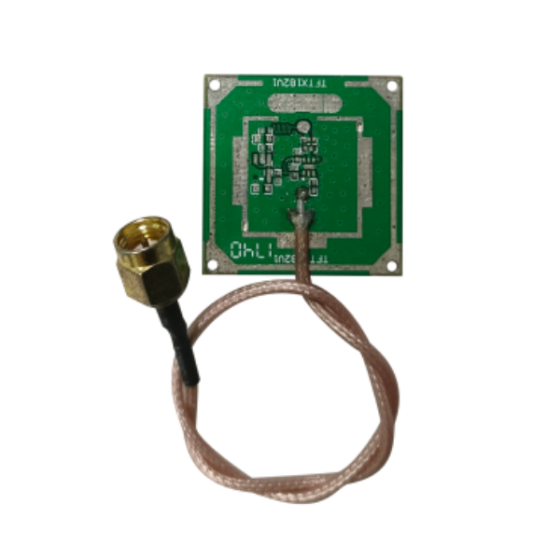
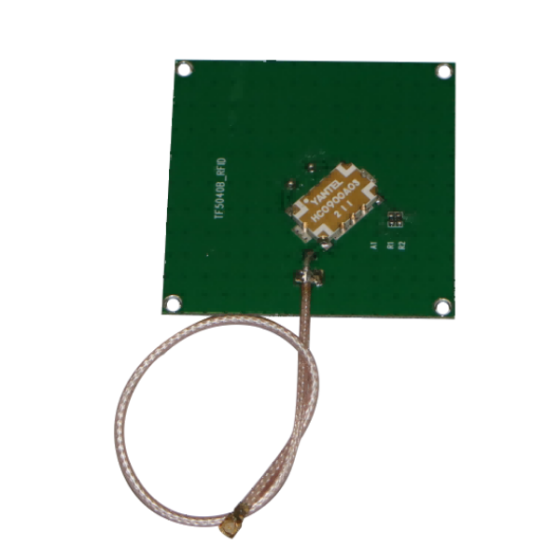
RFID asset tags are small electronic tags attached to physical items. They use radio frequency signals to store and transmit data to RFID readers—without the need for direct line-of-sight scanning.
Unlike barcodes, RFID tags can be read in bulk and at a distance, making asset tracking faster, more accurate, and far more scalable.
1. Improved Accuracy in Asset Tracking
One of the biggest advantages of RFID asset tags is the significant improvement in tracking accuracy.
Manual data entry and barcode scanning often lead to human errors such as:
- Missed scans
- Duplicate entries
- Incorrect asset records
RFID eliminates many of these issues by automating the data collection process, ensuring that every asset movement is recorded correctly and in real time.
2. Real-Time Visibility Across All Assets
RFID systems provide continuous visibility into asset location and status. This means businesses can instantly know where an item is, without performing manual checks.
Real-time tracking helps organizations:
- Reduce time spent searching for assets
- Improve operational decision-making
- Prevent asset misplacement
This level of visibility is especially valuable in large facilities or multi-location operations.
3. Faster and More Efficient Inventory Audits
Traditional audits can take hours or even days to complete. RFID asset tags significantly speed up this process.
Because RFID readers can scan multiple tags simultaneously, entire inventories can be captured in minutes instead of hours. This reduces downtime and allows staff to focus on more valuable tasks.
4. Reduced Operational Costs
By improving efficiency and reducing manual labor, RFID systems help lower operational costs over time.
Cost savings come from:
- Fewer labor hours spent on tracking
- Reduced asset loss and replacement costs
- Improved utilization of existing resources
Even though RFID systems require initial investment, the long-term ROI is often substantial.
5. Enhanced Asset Security and Loss Prevention
Lost or misplaced assets can create major financial and operational issues. RFID asset tags help reduce these risks by enabling continuous tracking.
With RFID, organizations can:
- Detect unauthorized asset movement
- Monitor high-value equipment
- Improve accountability across teams
This added layer of control helps prevent both internal and external losses.
6. Better Data for Smarter Decision-Making
RFID systems generate accurate and up-to-date data about asset usage and movement. This data can be used to make smarter business decisions, such as:
- When to replace or repair equipment
- How assets are being utilized
- Where inefficiencies exist in operations
Better data leads to better planning and resource allocation.
7. Scalability for Growing Businesses
As businesses expand, manual tracking systems become harder to manage. RFID asset tags offer a scalable solution that can handle thousands—or even millions—of assets without sacrificing accuracy.
Whether in a single facility or across multiple locations, RFID systems can grow with the organization.
RFID asset tags are transforming modern asset management systems by delivering greater accuracy, speed, and visibility. From reducing human error to improving operational efficiency, the benefits are clear and measurable.
For organizations looking to modernize their asset tracking processes, RFID technology offers a reliable and scalable solution that supports long-term growth.