



Why Businesses Are Switching to NFC RFID Tags for Automation
In today’s fast-paced digital economy, businesses are under constant pressure to work faster, reduce errors, and improve operational efficiency. This is where the nfc rfid tag has become a game-changing technology.
From inventory tracking to secure access control, NFC RFID technology is helping companies move away from manual processes and toward fully automated systems. But what is driving this shift—and why are so many industries adopting it now?
Let’s take a closer look.
1. Eliminating Manual Processes and Human Error
One of the biggest reasons businesses are switching to NFC RFID tags is simple: automation replaces manual work.
Traditional tracking systems rely on handwritten logs or barcode scanning, both of which are slow and prone to mistakes. NFC RFID tags, on the other hand, allow data to be captured automatically with a single scan—or even without direct line-of-sight.
This leads to:
- Fewer operational errors
- Faster data collection
- Reduced labor costs
- Improved workflow accuracy
For businesses handling large volumes of items, this improvement is significant.
2. Real-Time Inventory Visibility
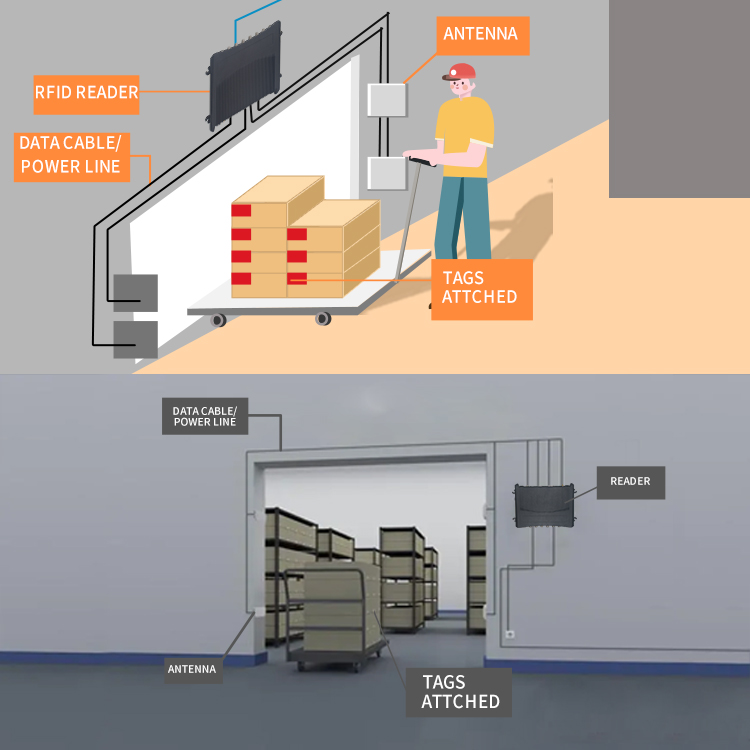
Modern supply chains demand real-time information. NFC RFID tags make this possible by enabling continuous tracking of products as they move through warehouses, retail stores, and distribution centers.
With this technology, businesses can:
- Instantly know stock levels
- Track product movement in real time
- Reduce out-of-stock situations
- Improve demand forecasting
This level of visibility was nearly impossible with traditional systems.
3. Faster and Smarter Access Control
Security and access management is another major area where NFC RFID tags are replacing outdated systems.
Instead of physical keys or manual sign-in processes, employees and authorized personnel can simply tap an NFC-enabled card or device to gain access.
Benefits include:
- Instant authentication
- Better security tracking
- Reduced risk of lost or copied keys
- Automated entry logs for auditing
This makes workplace security both stronger and more convenient.
4. Improved Supply Chain Efficiency
Supply chains today are more complex than ever. NFC RFID tags help businesses maintain control over every stage of the process—from manufacturing to delivery.
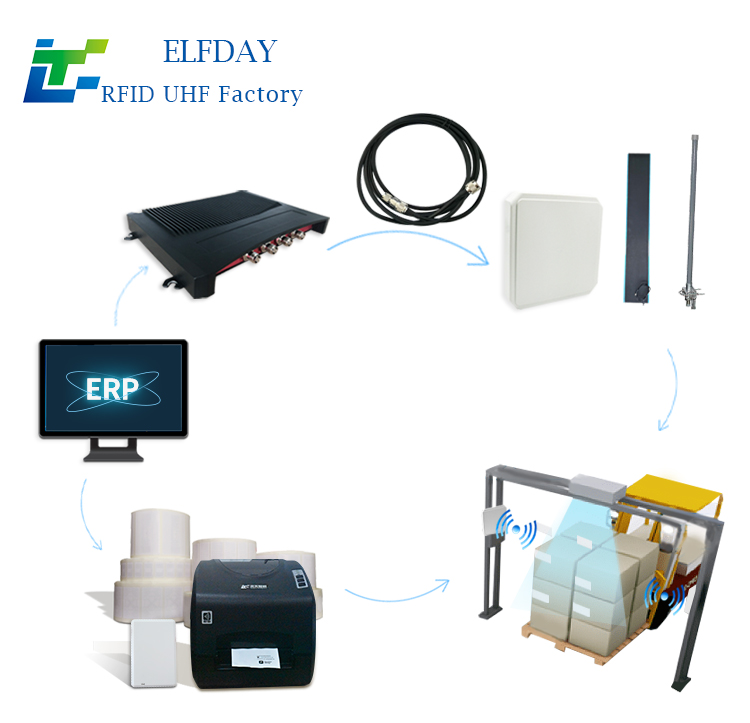
By integrating RFID into logistics systems, companies can:
- Track shipments across locations
- Reduce delays and misplacement
- Improve transparency with partners
- Automate reporting and compliance
The result is a smoother, more reliable supply chain.
5. Better Data Collection for Decision-Making
Data is one of the most valuable assets in modern business. NFC RFID tags allow companies to collect large amounts of accurate, real-time data without manual input.
This data can be used to:
- Analyze customer behavior
- Optimize inventory levels
- Improve operational planning
- Identify inefficiencies in workflows
With better data, businesses can make smarter, faster decisions.
6. Cost Reduction Through Automation
Although NFC RFID systems require an initial investment, they often lead to long-term cost savings.
Businesses reduce costs by:
- Minimizing labor-intensive tasks
- Preventing inventory loss or theft
- Reducing administrative workload
- Increasing operational speed
Over time, automation pays for itself through efficiency gains.
7. Scalability for Growing Businesses
As companies grow, manual systems become harder to manage. NFC RFID tags offer a scalable solution that can handle increasing volumes of data and operations without significant additional effort.
Whether a business is managing hundreds or millions of items, RFID systems can scale accordingly.
The shift toward automation is no longer optional—it’s essential. The nfc rfid tag is at the center of this transformation, helping businesses streamline operations, improve accuracy, and scale efficiently.
As industries continue to evolve, NFC RFID technology will play an even greater role in shaping the future of automated business systems.