



RFID Tags for Grocery Shopping Enable Smarter Food Tracking and Inventory Control
The grocery retail industry is facing increasing challenges in inventory accuracy, food waste reduction, supply chain visibility, and customer expectations. Traditional barcode systems often require manual scanning and provide limited real-time information, making it difficult for retailers to maintain accurate inventory records and respond quickly to market demands.
With the development of smart retail technology, RFID tags for grocery shopping are becoming an effective solution for improving product tracking, inventory management, and operational efficiency. By using radio frequency identification technology, grocery stores can automatically collect product information, monitor product movement, and improve the management of fresh and packaged goods.
From supermarket shelves and cold storage areas to warehouses and distribution centers, RFID technology helps retailers create a more transparent, efficient, and intelligent grocery supply chain.
How RFID Tags for Grocery Shopping Work in Smart Retail
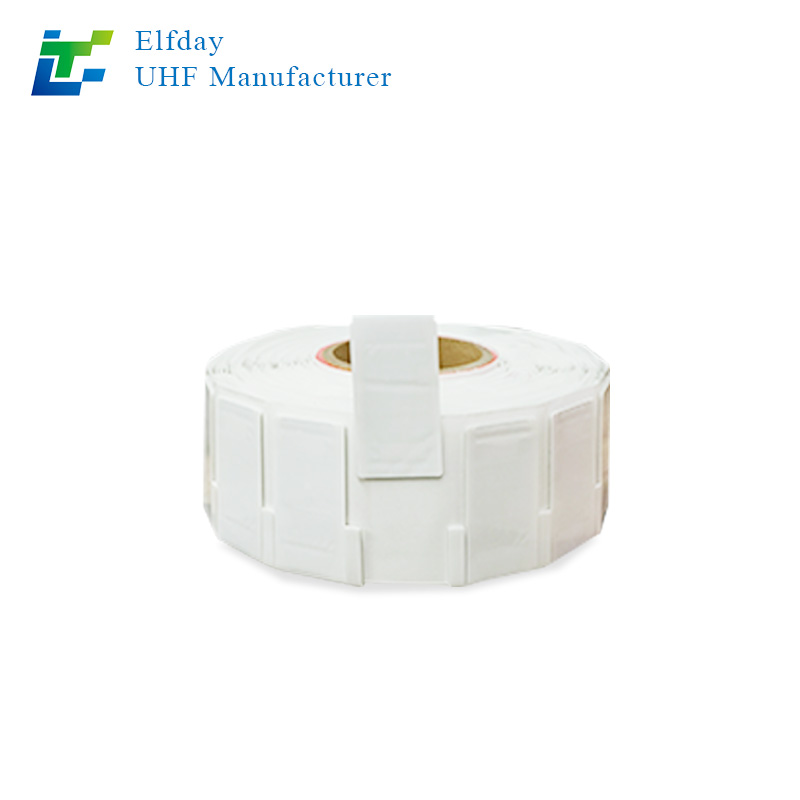
RFID tags for grocery shopping use wireless communication technology to store and transmit product information through RFID readers. Unlike traditional barcode labels that require direct scanning, RFID tags can be identified automatically from a distance, allowing multiple products to be tracked at the same time.
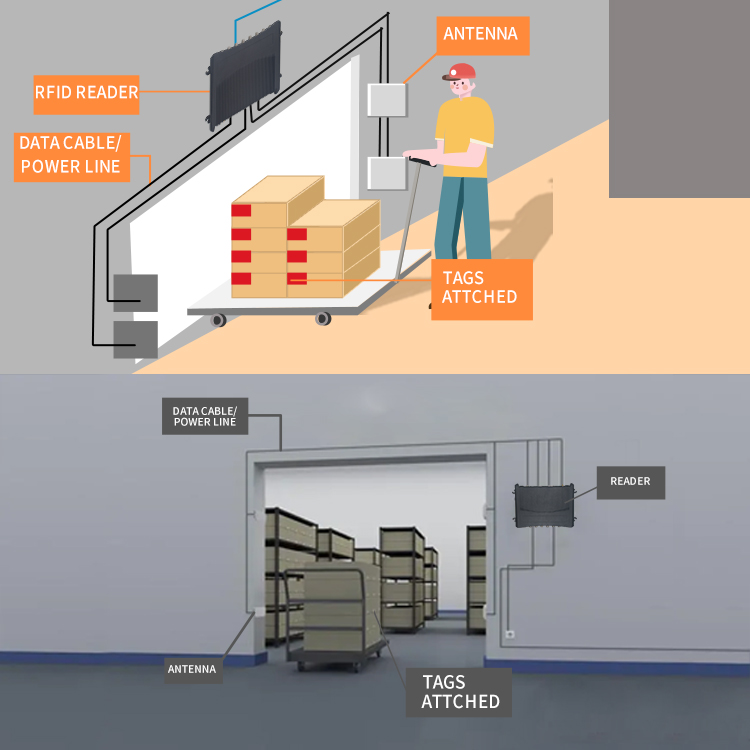
In grocery retail environments, RFID tags can be attached to product packaging, containers, pallets, or reusable transport materials. When products move through different stages of the supply chain, RFID readers automatically collect data and update inventory systems in real time.
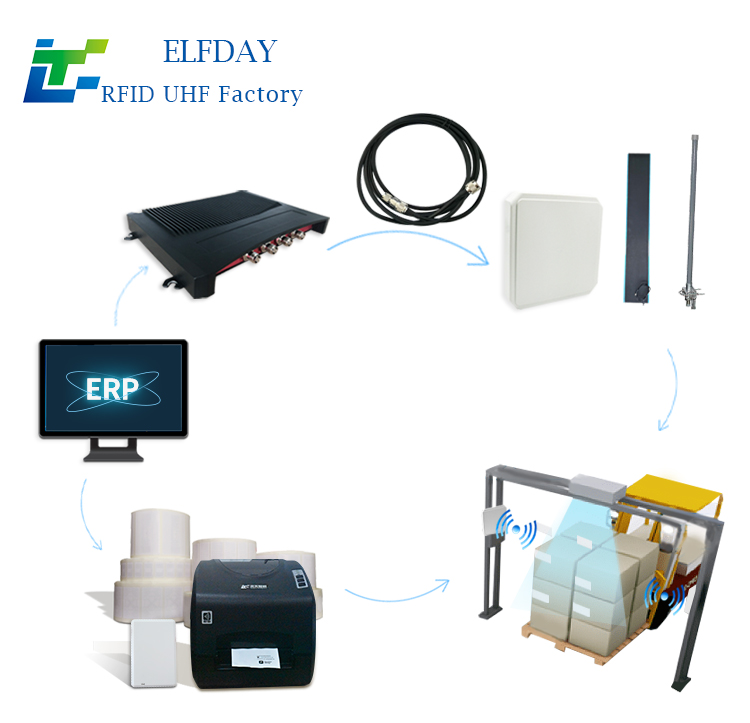
During daily operations, products can be tagged during packaging or warehouse preparation. RFID readers then identify products during transportation, storage, and shelf placement. The inventory system continuously updates product information, allowing store employees to understand stock levels, product locations, and replenishment requirements more accurately.
This automated tracking process reduces manual operations, improves inventory accuracy, and helps grocery retailers manage products more efficiently.
Improving Grocery Inventory Accuracy with RFID Technology
Inventory management is one of the biggest challenges for supermarkets. Overstocking increases storage costs, while insufficient stock can result in lost sales and poor customer experiences.
RFID tags for grocery shopping provide real-time inventory visibility, allowing retailers to quickly understand product availability and movement. Store managers can identify which items are running low, which products require restocking, and which goods are approaching expiration.
For example, when a popular product on a supermarket shelf reaches a low inventory level, an RFID-based system can automatically detect the shortage and notify employees to replenish the stock. This helps maintain product availability and reduces the risk of empty shelves.
Accurate inventory data also enables retailers to improve purchasing decisions, optimize warehouse management, and reduce unnecessary operational expenses.
Reducing Food Waste Through Better Product Tracking
Food waste is a major concern for grocery retailers, especially for fresh products such as fruits, vegetables, dairy products, meat, and seafood. Without effective tracking systems, products may expire before they are sold, creating unnecessary losses.
RFID tags for grocery shopping help retailers improve expiration management and product traceability. By monitoring product information throughout the supply chain, businesses can identify products that need priority sales, special storage conditions, or faster distribution.
RFID technology can help grocery stores improve fresh food management by providing better visibility into product movement, shelf life, and storage conditions. This allows retailers to reduce spoilage, improve product rotation, and provide customers with fresher products.
Enhancing Food Traceability and Safety Management
Modern consumers are increasingly concerned about food sources, product quality, and safety. Grocery retailers need reliable systems to track products from suppliers to final sales points.
RFID technology provides detailed product information throughout the supply chain. Each tagged product can contain important data such as product identification, batch information, and movement history.
If food quality issues or product recalls occur, retailers can quickly identify affected products and take appropriate action. This improves food safety management and increases supply chain transparency.
By improving traceability, RFID tags for grocery shopping help retailers build stronger customer trust and provide safer shopping experiences.

Creating a Faster and More Convenient Shopping Experience
RFID technology is not only improving inventory management but also creating better shopping experiences for customers.
In smart supermarkets, RFID-enabled systems can support faster checkout processes, automated product recognition, smart shopping carts, and digital inventory services. Customers can enjoy shorter waiting times and more convenient purchasing processes.
For retailers, RFID technology helps reduce checkout pressure, improve service efficiency, and create a more connected shopping environment.
As consumer expectations continue to evolve, RFID tags for grocery shopping provide the foundation for smarter and more efficient retail experiences.
RFID Applications in Grocery Retail
RFID technology can be applied across different areas of grocery operations, including fresh food management, warehouses, distribution centers, cold chain transportation, and retail shelves.
In fresh food management, RFID tags help monitor product movement, improve stock rotation, and reduce losses caused by expired products.
In warehouses and distribution centers, RFID systems improve receiving, storage, and shipping accuracy by automatically identifying large quantities of products without manual counting.
For refrigerated and frozen products, RFID solutions improve visibility during transportation and storage, helping retailers maintain better quality control.
At the retail shelf level, RFID tracking allows employees to quickly check product availability, maintain accurate displays, and ensure customers can easily find the products they need.
Benefits of Using RFID Tags for Grocery Shopping
RFID tags for grocery shopping provide multiple advantages for modern grocery retailers. They improve inventory visibility by providing accurate and real-time product information. They reduce operational costs by minimizing manual inventory checks and improving employee efficiency.
RFID technology also helps lower food waste through better expiration tracking and product rotation. At the same time, it improves customer satisfaction by ensuring better product availability and faster service.
With enhanced supply chain visibility, grocery businesses can make smarter decisions and create more efficient retail operations.
The Future of RFID Tags in Grocery Retail
As grocery stores continue to adopt digital transformation strategies, RFID technology will become an increasingly important part of smart retail systems.
Combined with artificial intelligence, cloud-based inventory platforms, and data analytics, RFID tags for grocery shopping can provide deeper insights into product performance, customer demand, and supply chain efficiency.
Future supermarkets may use RFID technology to create highly automated shopping environments where products are tracked seamlessly from production and transportation to shelf management and final purchase.
For grocery retailers seeking to improve efficiency, reduce waste, and enhance customer experiences, RFID technology provides a reliable solution for building smarter and more sustainable retail operations.
The grocery industry is moving toward a smarter and more connected future, where accurate data and automation play a critical role in business success.
RFID tags for grocery shopping help retailers improve inventory control, enhance food traceability, reduce product waste, and provide customers with faster and more convenient shopping experiences.
By enabling real-time product tracking and intelligent management, RFID technology is helping supermarkets improve operational efficiency and build a more sustainable future for grocery retail.