



Healthcare RFID Tags Provide Reliable Medical Equipment Tracking Solutions
Hospitals rely on thousands of medical devices every day, including infusion pumps, wheelchairs, patient monitors, diagnostic equipment, and surgical instruments. Ensuring that these assets are available, properly maintained, and easy to locate is essential for providing efficient patient care.
However, traditional equipment management methods often depend on manual searches, spreadsheets, and barcode scanning. These approaches can make it difficult for healthcare facilities to quickly locate critical devices, monitor equipment usage, and prevent asset loss.
Healthcare RFID tags provide a smarter solution by enabling real-time identification and tracking of medical equipment. By attaching RFID tags to valuable healthcare assets, hospitals can improve equipment visibility, reduce search time, optimize resource utilization, and enhance overall operational efficiency.
With RFID-enabled tracking systems, medical staff can quickly access the equipment they need while hospital administrators gain better control over asset management.
What Are Healthcare RFID Tags?
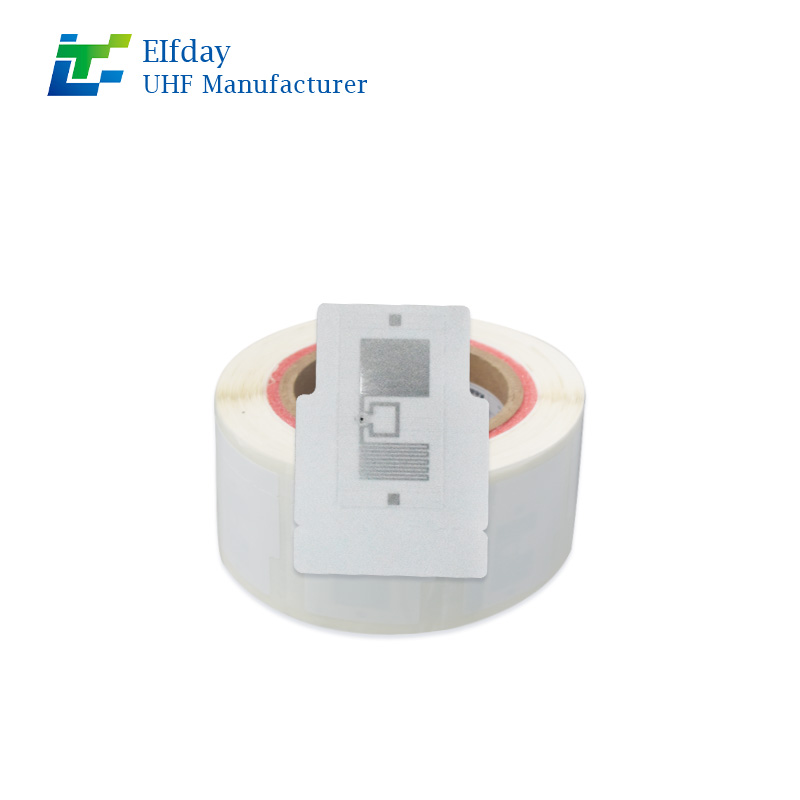
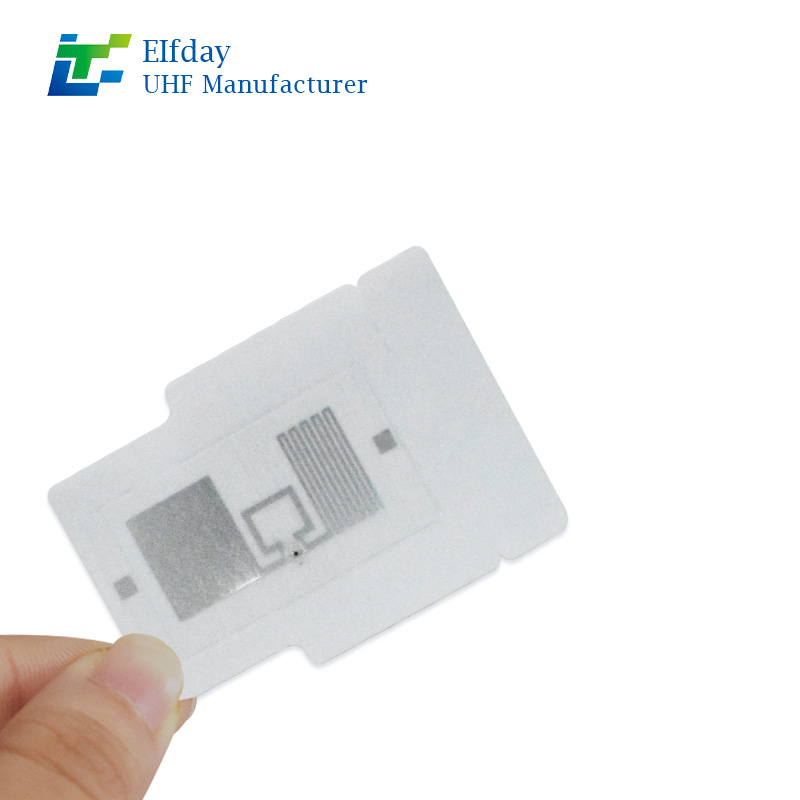
Healthcare RFID tags are specialized identification labels designed for tracking medical equipment, healthcare assets, and other important resources. Each tag contains an RFID chip and antenna that store unique identification information, allowing RFID readers to recognize and track equipment without direct contact.
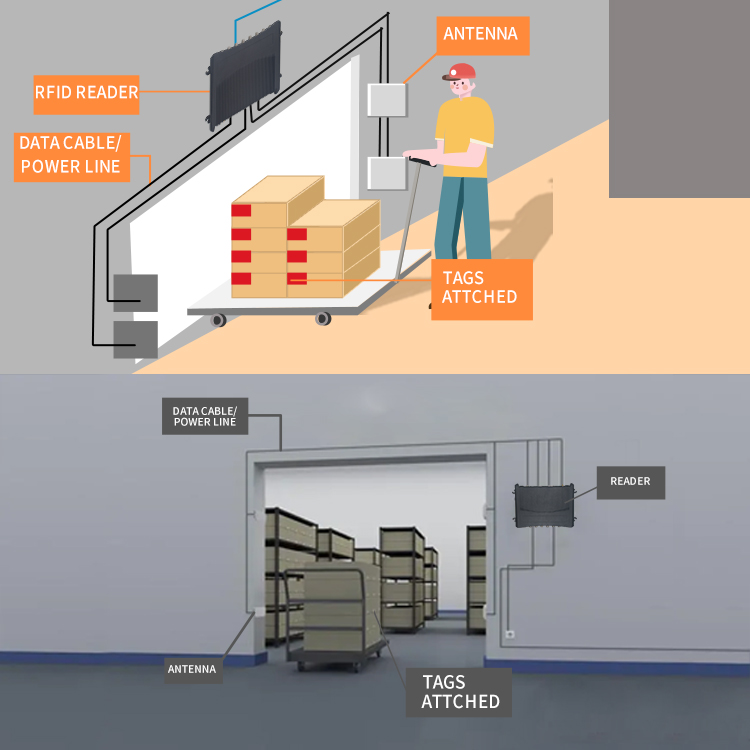
Unlike traditional barcode labels, healthcare RFID tags do not require line-of-sight scanning. Multiple tagged items can be identified simultaneously, making them highly effective for hospitals managing large numbers of medical devices.
Healthcare RFID tags are commonly used for tracking:
Infusion pumps
Wheelchairs and patient transport equipment
Diagnostic devices
Surgical instruments
Patient monitoring systems
Emergency medical equipment
Laboratory equipment
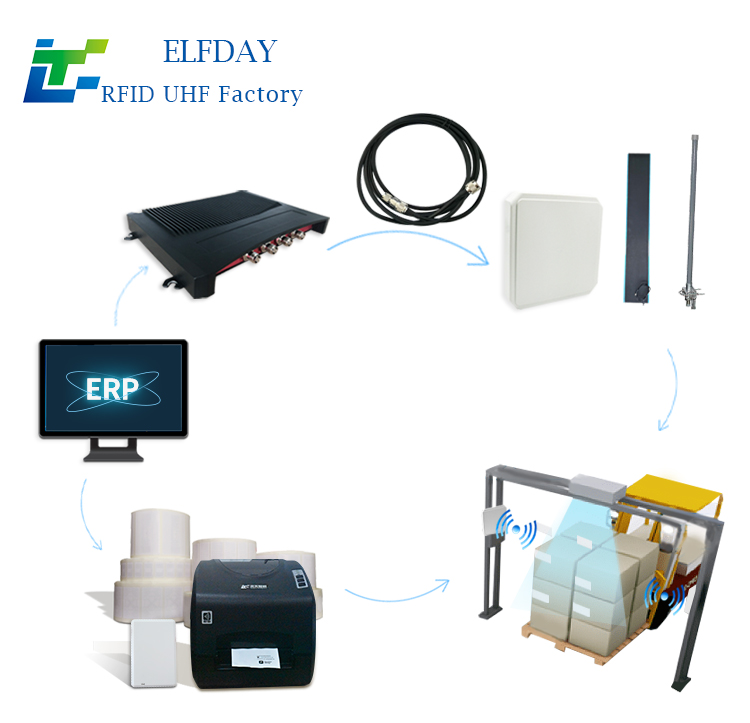
By connecting physical assets with digital management platforms, RFID technology provides healthcare organizations with accurate and real-time information about equipment locations and usage status.
How Healthcare RFID Tags Improve Hospital Asset Tracking
Real-Time Medical Equipment Location Visibility
One of the biggest challenges in healthcare facilities is locating medical equipment quickly when it is needed. Staff members may spend valuable time searching for available devices, especially in large hospitals with multiple departments.
Healthcare RFID tags provide real-time visibility into asset locations, allowing staff to identify where equipment is currently stored or being used. This reduces unnecessary searching and helps medical teams access critical resources faster.
Improved equipment visibility supports better workflow management and ensures that essential devices are available when patients need them.
Reduce Medical Equipment Loss and Misplacement
Medical equipment represents a significant investment for healthcare organizations. Lost, misplaced, or unavailable devices can increase operating costs and affect patient care efficiency.
Healthcare RFID tags help hospitals maintain accurate records of equipment movement. When devices are transferred between departments or moved to different locations, RFID tracking systems can update asset information automatically.
This improves accountability and reduces the risk of equipment being misplaced or overlooked.
Improve Equipment Utilization Rates
Many hospitals own large quantities of medical equipment, but some devices may remain unused while other departments experience shortages.
Healthcare RFID tags help administrators understand how equipment is being used across different areas. By analyzing usage data, hospitals can identify underutilized assets, optimize equipment distribution, and make better purchasing decisions.
Better utilization helps healthcare facilities maximize the value of existing resources while reducing unnecessary expenses.
Support Faster Emergency Response
In emergency situations, quick access to medical equipment can directly impact patient care. Healthcare teams need reliable access to devices such as emergency carts, monitors, and respiratory equipment.
Healthcare RFID tags allow staff to locate critical equipment faster by providing accurate asset information. This improves response efficiency and helps medical teams focus more on patient treatment.
Healthcare RFID Tag Applications in Hospitals
Medical Equipment Tracking
Hospitals use healthcare RFID tags to manage a wide range of medical devices, from portable equipment to large diagnostic systems. RFID tracking helps staff monitor equipment locations, movement history, and availability.
This improves asset management and ensures that equipment can be found when required.
Surgical Instrument Management
Surgical instruments require strict tracking throughout cleaning, sterilization, storage, and operating room use.
Healthcare RFID tags help hospitals maintain accurate records of instrument movement and usage. This supports better sterilization management, reduces missing instruments, and improves operating room efficiency.
Emergency Equipment Monitoring
Emergency departments depend on immediate access to critical medical resources. RFID-enabled tracking helps hospitals monitor the location and availability of emergency equipment.
Staff can quickly identify whether essential devices are ready for use, improving emergency preparedness.
Laboratory Equipment Tracking
Laboratories manage valuable testing equipment and research devices that require accurate monitoring.
Healthcare RFID tags help laboratories improve equipment visibility, reduce losses, and maintain better control over important assets.
Benefits of Healthcare RFID Tags for Medical Facilities
Healthcare RFID tags provide multiple advantages for hospitals and healthcare organizations.
Improved Asset Visibility
RFID technology provides accurate information about equipment locations, allowing staff to quickly find available resources.
Reduced Equipment Search Time
Medical employees spend less time searching for devices and more time focusing on patient care.
Better Inventory Accuracy
Automated identification reduces manual recording errors and keeps asset information updated.
Lower Equipment Loss
Tracking capabilities improve accountability and help prevent misplaced or missing equipment.
Enhanced Operational Efficiency
Hospitals can optimize workflows, improve resource allocation, and reduce unnecessary equipment purchases.
Healthcare RFID Tags Compared with Traditional Tracking Methods
Traditional tracking methods, such as manual records and barcode systems, often require more human involvement and provide limited real-time visibility.
Healthcare RFID tags offer a more advanced approach by enabling automatic identification, wireless tracking, and integration with digital asset management systems.
RFID technology allows hospitals to move from reactive equipment searching to proactive asset management, creating a more efficient healthcare environment.
Choosing the Right Healthcare RFID Tags for Medical Applications
Selecting the appropriate healthcare RFID tags is important for achieving reliable performance in medical environments.
Durability is a key consideration because medical equipment is frequently cleaned, transported, and used in demanding conditions. RFID tags should maintain stable performance throughout the equipment lifecycle.
Reading performance is also important. Healthcare RFID tags should provide accurate identification in different hospital environments, including patient rooms, operating areas, storage facilities, and emergency departments.
Compatibility with existing healthcare management systems should also be considered. RFID tags should integrate smoothly with RFID readers, hospital asset management software, and tracking platforms.
The tag design should match specific medical applications, including equipment tracking, instrument management, and healthcare inventory control.
The Future of Healthcare RFID Tags in Smart Hospitals
As healthcare facilities continue adopting digital technologies, healthcare RFID tags will become increasingly important for smart hospital development.
Future healthcare systems will use RFID technology to improve asset visibility, automate equipment management, analyze resource usage, and support data-driven decision-making.
By combining RFID tracking with advanced healthcare management platforms, hospitals can create more efficient workflows, reduce operational challenges, and provide better patient care.
Healthcare RFID tags provide hospitals with a reliable solution for medical equipment tracking, asset management, and operational improvement. By offering real-time visibility into equipment locations, RFID technology helps healthcare organizations reduce equipment loss, improve utilization rates, and ensure medical staff can quickly access essential resources.
From infusion pumps and wheelchairs to surgical instruments and diagnostic devices, healthcare RFID tags support smarter medical asset management. As hospitals continue moving toward digital transformation, RFID technology will play an increasingly important role in building safer, more efficient, and more connected healthcare environments.