



RFID Asset Tracking Tags for Manufacturing Equipment and Production Management
Modern manufacturing facilities rely on a wide range of valuable assets, including production tools, machinery components, fixtures, material containers, and work-in-progress products. As factories become more complex, manually managing these assets can create challenges such as equipment loss, inaccurate records, production delays, and inefficient resource allocation.
RFID asset tracking tags provide manufacturers with a smarter way to identify, monitor, and manage factory assets. By attaching RFID tags to machines, tools, and production materials, manufacturers can gain better visibility into asset locations, improve operational efficiency, and optimize production workflows.
Unlike traditional barcode-based tracking methods, RFID asset tracking tags do not require direct scanning. They can automatically capture asset information through RFID readers, making them ideal for fast-moving industrial environments where accuracy and efficiency are critical.
What Are Asset Tracking Tags for Manufacturing?
Asset tracking tags are identification devices designed to help businesses monitor and manage physical assets throughout their lifecycle. In manufacturing environments, these tags are commonly attached to equipment and resources that require frequent tracking.
Manufacturers use asset tracking tags for production tools, machine accessories, assembly fixtures, maintenance equipment, material containers, pallets, work-in-progress items, and reusable transport assets.
Each RFID asset tracking tag contains unique identification data that allows factories to connect physical assets with digital management systems. This enables teams to quickly locate equipment, track movement history, monitor usage, and improve asset utilization.
How RFID Asset Tracking Tags Work in Manufacturing Facilities
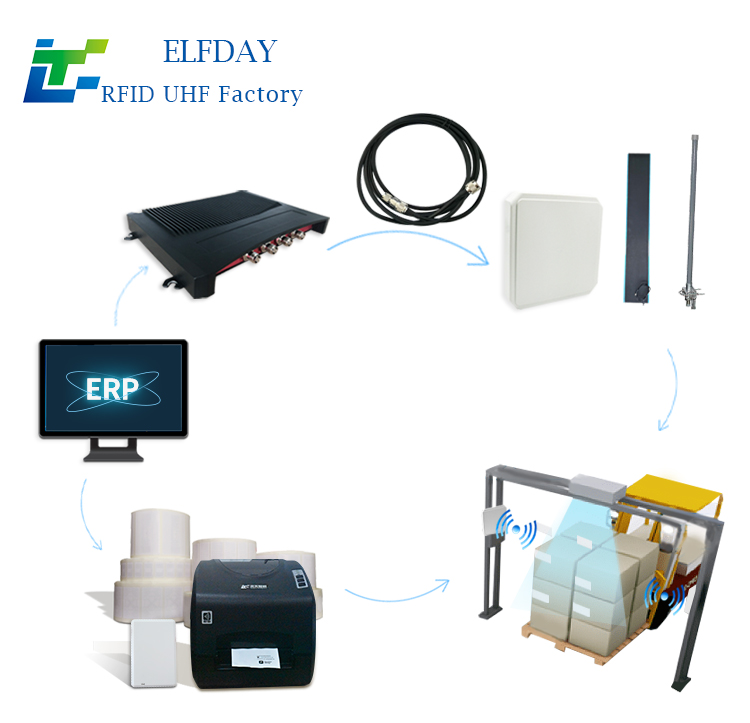
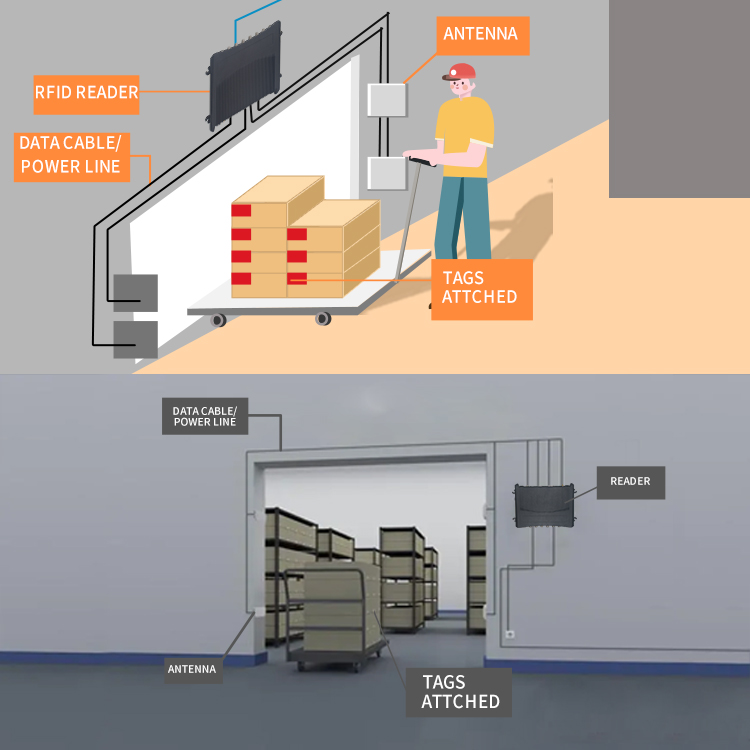
RFID asset tracking systems typically include RFID tags, RFID readers, and asset management software.
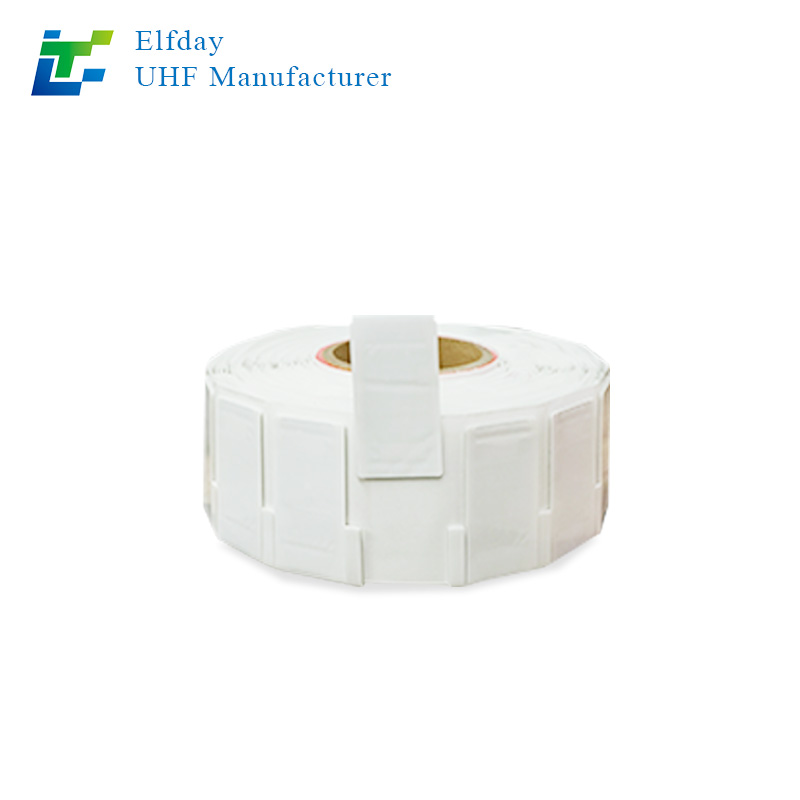
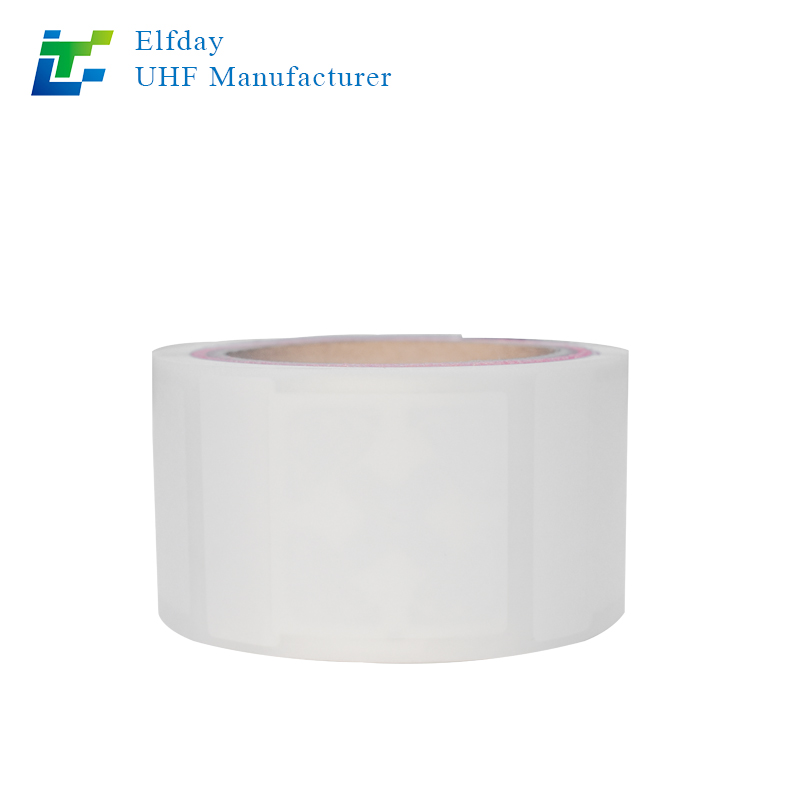
RFID tags are attached directly to factory assets. Depending on the working environment, manufacturers can choose different tag designs, including durable industrial RFID tags, metal-mount RFID tags, high-temperature RFID tags, and flexible RFID tags.
RFID readers automatically collect information from tagged assets without requiring manual scanning. This allows workers to identify multiple items quickly, even when assets are moving through production lines or storage areas.
The collected data is transferred to asset management software, where manufacturers can view asset locations, analyze usage patterns, schedule maintenance, and improve production planning.
Benefits of Using Asset Tracking Tags in Manufacturing
Improve Factory Asset Visibility
One of the biggest challenges in manufacturing is maintaining accurate information about where equipment and tools are located.
RFID asset tracking tags provide real-time visibility into factory resources, helping employees quickly find production tools, fixtures, and equipment. This reduces time wasted searching for missing assets and improves overall productivity.
Reduce Equipment Loss and Misplacement
Manufacturing assets often move between production lines, warehouses, maintenance areas, and storage locations. Without an effective tracking system, valuable equipment can easily become misplaced.
By using asset tracking tags, manufacturers can create accurate digital records of asset movement. This helps reduce equipment loss, avoid unnecessary purchases, and improve asset control.
Optimize Production Workflows
Efficient production depends on having the right equipment and materials available at the right time.
RFID asset tracking tags allow manufacturers to monitor the availability and movement of production resources. Better asset visibility helps reduce downtime, improve scheduling, and support smoother manufacturing operations.
Improve Inventory Management
Manual inventory checks require significant labor and are often affected by human errors.
RFID asset tracking tags simplify inventory management by enabling faster identification and more accurate asset records. Manufacturers can complete audits more efficiently and maintain better control over factory resources.
Support Equipment Maintenance
Regular maintenance is essential for reducing equipment downtime and extending asset lifespan.
RFID asset tracking data can help manufacturers monitor equipment history, track maintenance activities, and create more effective maintenance schedules. This supports proactive maintenance strategies and improves equipment reliability.
Applications of RFID Asset Tracking Tags in Manufacturing
Production Tool Tracking
Production tools and fixtures play an important role in maintaining manufacturing quality. However, these assets are often shared between different departments and production areas.
RFID asset tracking tags help manufacturers monitor tool locations, usage frequency, and availability. Production teams can quickly identify the tools they need and reduce delays caused by missing equipment.
Work-in-Progress Tracking
During manufacturing processes, products may move through multiple production stages before completion.
By attaching RFID asset tracking tags to work-in-progress materials or containers, manufacturers can monitor production status, track movement between workstations, and identify potential bottlenecks.
This improves production visibility and helps companies make better operational decisions.
Equipment Management
Manufacturing equipment represents a significant investment and requires accurate management.
RFID asset tracking tags help companies maintain detailed equipment records, including location information, service history, usage data, and maintenance schedules.
Better equipment management improves asset utilization and helps extend the service life of machinery.
Warehouse and Material Handling
Manufacturing warehouses manage large quantities of raw materials, containers, and transportation equipment.
RFID asset tracking tags improve visibility of warehouse assets such as pallets, bins, carts, and reusable containers. This helps reduce inventory errors and improves coordination between production and logistics operations.
How to Choose the Right Asset Tracking Tags for Industrial Applications
Selecting the right asset tracking tags depends on the manufacturing environment and application requirements.
Durability is an important factor because industrial assets may be exposed to vibration, dust, moisture, chemicals, or temperature changes. RFID tags used in factories should be designed to maintain stable performance under demanding conditions.
Read performance is another key consideration. The tag type and RFID frequency should match the required reading distance and installation environment.
Mounting methods also affect tracking reliability. Manufacturers can choose adhesive tags, screw-mounted tags, cable-tie tags, or embedded RFID solutions depending on the asset surface and usage conditions.
For metal equipment and industrial machinery, specialized RFID asset tracking tags designed for metal surfaces can provide better performance and more reliable identification.
RFID Asset Tracking Tags for Smart Manufacturing
As manufacturers continue adopting digital transformation strategies, asset visibility has become increasingly important.
RFID asset tracking tags connect physical factory assets with digital systems, creating a foundation for smarter production management. By combining RFID technology with automation platforms and manufacturing software, companies can improve decision-making, reduce operational waste, and increase production efficiency.
From tracking tools and equipment to monitoring work-in-progress materials, RFID asset tracking technology helps manufacturers build more transparent and efficient production environments.
RFID asset tracking tags offer manufacturers an effective solution for managing tools, equipment, and production assets. By improving asset visibility, reducing equipment loss, and optimizing workflows, these tags help factories increase productivity and achieve better operational control.
As manufacturing continues moving toward smart factory solutions, asset tracking tags will play an important role in improving efficiency, supporting automation, and creating more connected industrial operations.