





RFID Clothing Tags for Apparel Inventory Management and Smart Retail
The apparel industry is evolving rapidly, and businesses are facing increasing challenges in inventory accuracy, supply chain visibility, and operational efficiency. Traditional clothing inventory methods that rely on manual counting and barcode scanning often require significant labor and may result in inaccurate stock information.
RFID clothing tags provide a smarter solution by giving each garment a unique digital identity. By attaching RFID tags to clothing items, apparel brands and retailers can achieve accurate inventory management with real-time visibility across warehouses, stores, and distribution centers. This technology helps reduce stock errors, improve supply chain efficiency, and create a more connected apparel management system.
What Are RFID Clothing Tags?
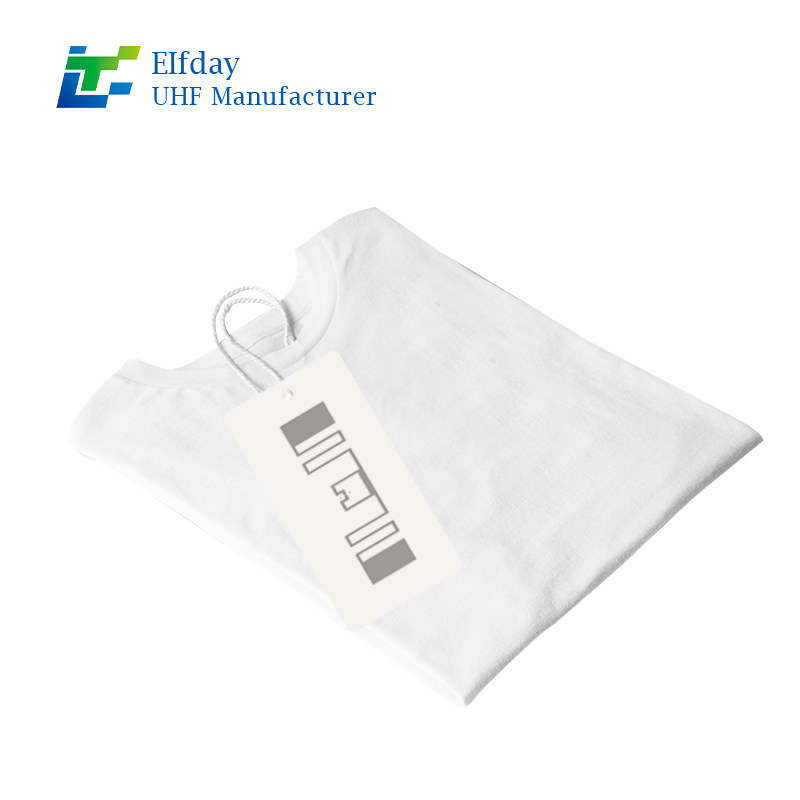
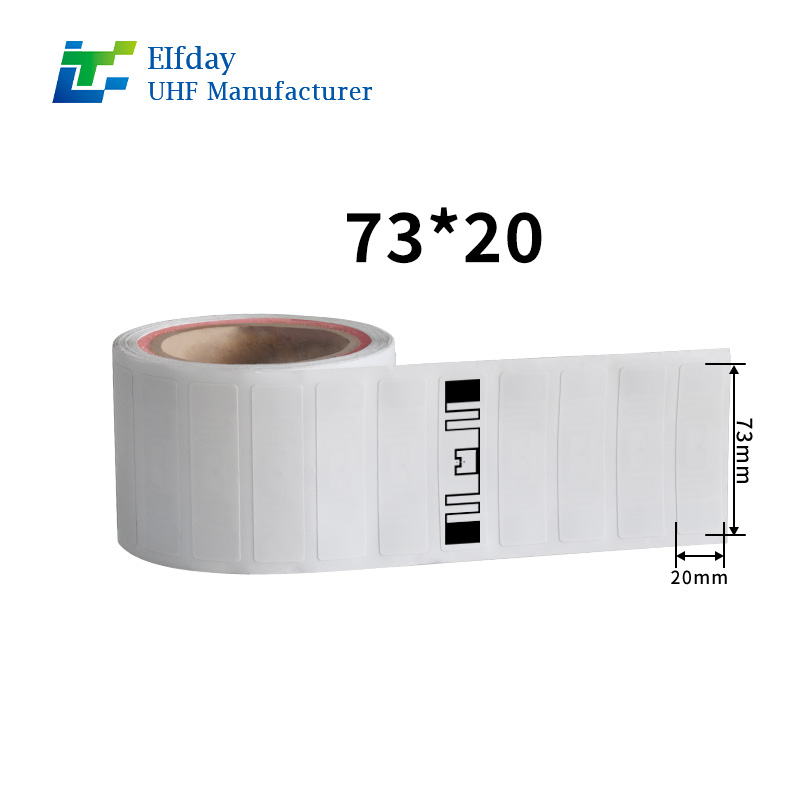
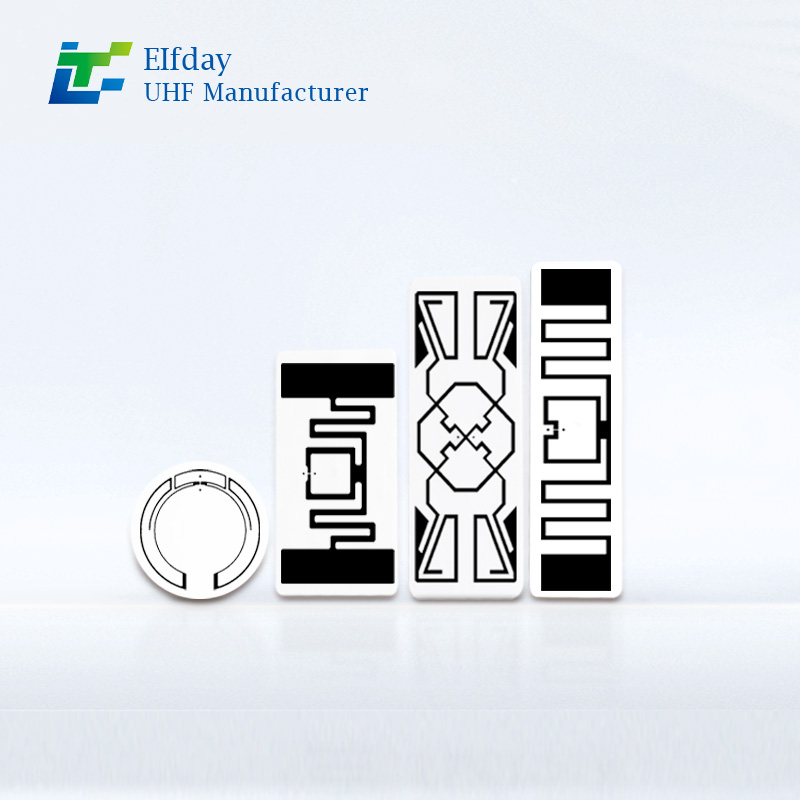
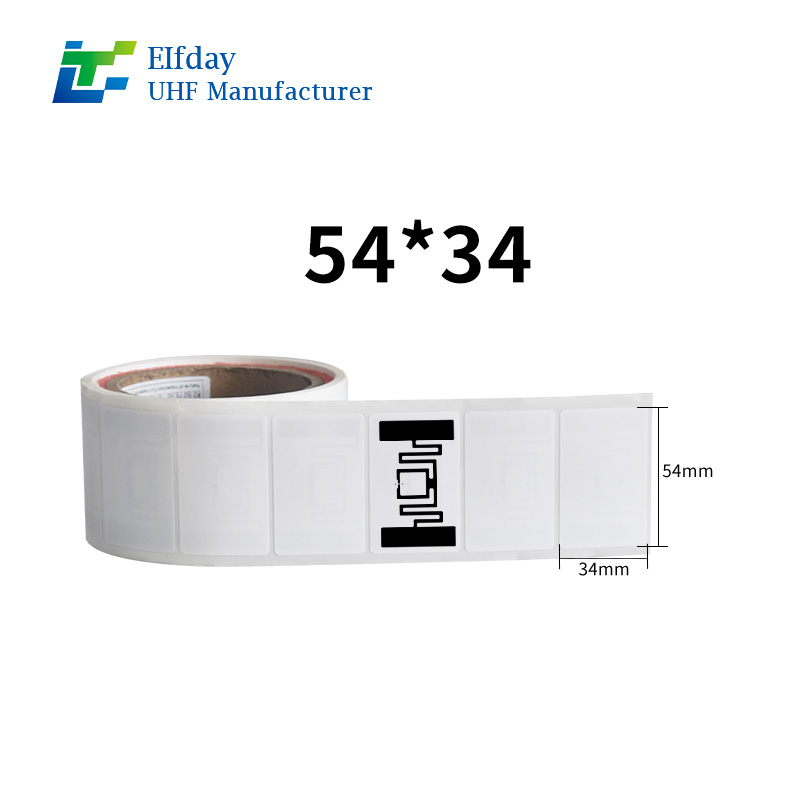
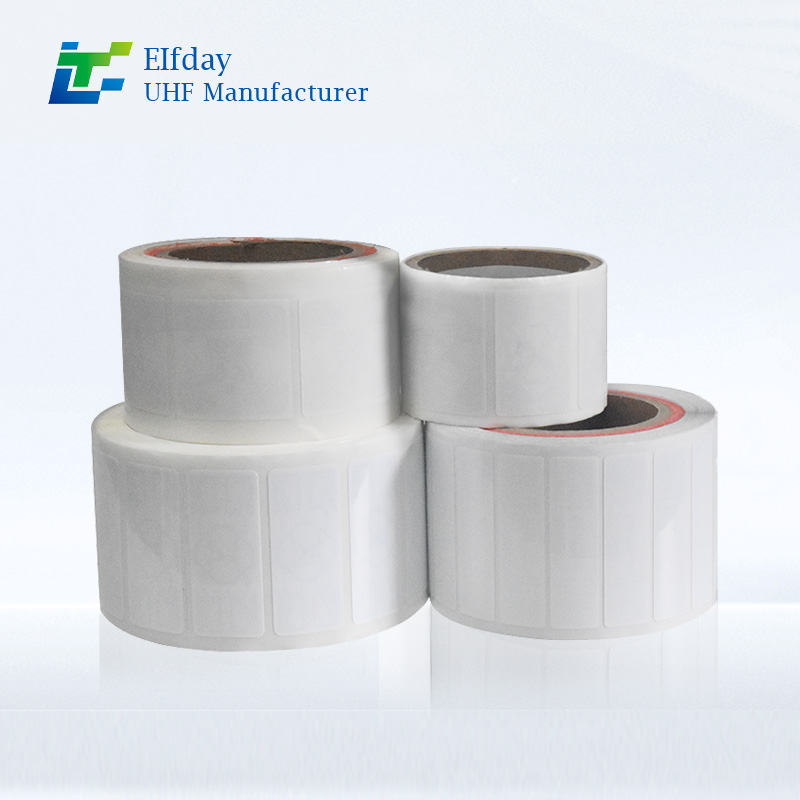
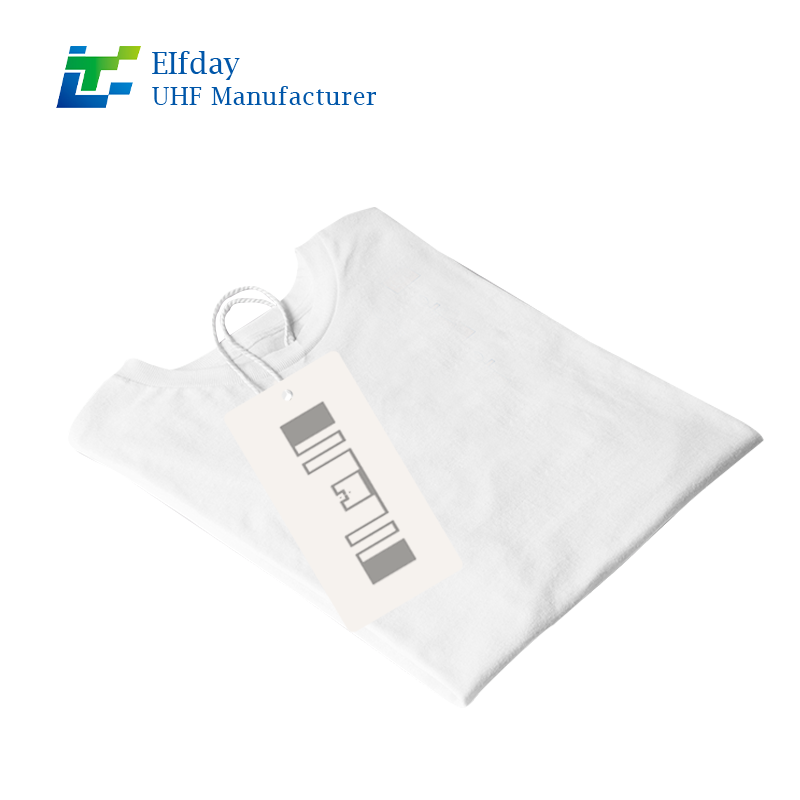
RFID clothing tags are smart identification devices designed for tracking and managing garments throughout their lifecycle. Each tag contains an RFID chip and antenna that store unique product information, allowing clothing items to be automatically identified using RFID readers.
Unlike traditional barcode labels that require individual scanning and direct visibility, RFID clothing tags can be read wirelessly without needing a direct line of sight. This allows businesses to quickly identify large quantities of garments at the same time, making inventory management faster and more reliable.
RFID clothing tags can be integrated into different apparel products, including clothing labels, hang tags, textile labels, uniforms, and retail garments. Their flexible design makes them suitable for fashion brands, clothing manufacturers, retailers, and textile service providers.
How RFID Clothing Tags Improve Apparel Inventory Management
Accurate inventory management is one of the biggest challenges in the apparel industry. Clothing products constantly move between factories, warehouses, distribution centers, and retail stores, making it difficult to maintain real-time stock information.
RFID clothing tags allow businesses to track garment movement throughout the supply chain. Each tagged item can be identified and monitored automatically, helping companies maintain accurate inventory records and make faster decisions.
With RFID-enabled tracking, apparel businesses can improve stock visibility, reduce inventory discrepancies, prevent product shortages, and optimize product distribution.
Faster Inventory Counting and Warehouse Management
Traditional clothing inventory checks often require employees to scan products one by one, which can be time-consuming for large warehouses and distribution centers.
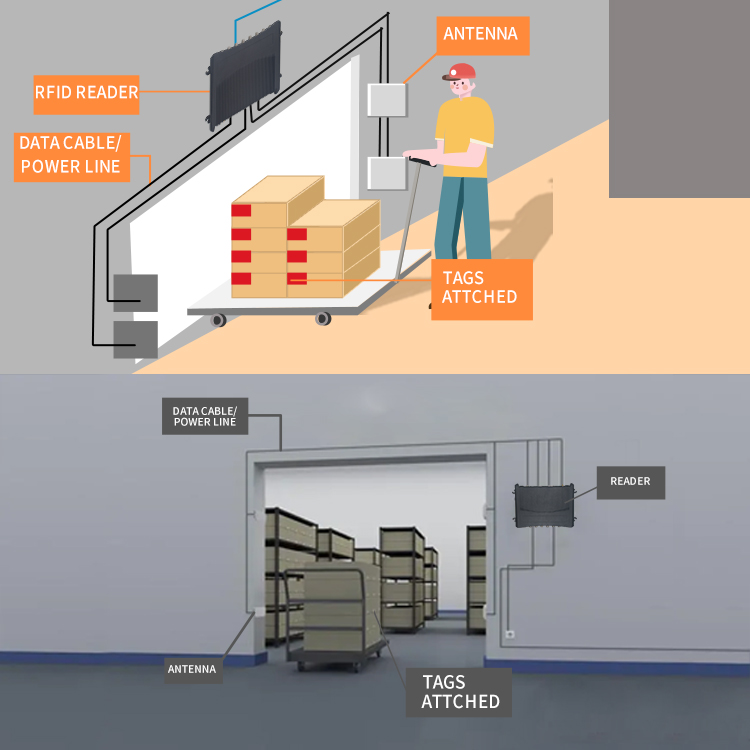
RFID clothing tags simplify this process by allowing multiple garments to be identified simultaneously. Employees can complete inventory checks faster while reducing manual work and improving accuracy.
In apparel warehouses, RFID technology helps optimize receiving, sorting, storage, picking, and shipping processes. This improves workflow efficiency and enables businesses to handle larger product volumes with fewer delays.
Improving Retail Store Operations with RFID Clothing Tags
Retail stores need accurate inventory information to ensure customers can find the products they want. However, misplaced items, incorrect stock records, and slow inventory updates can affect sales performance.
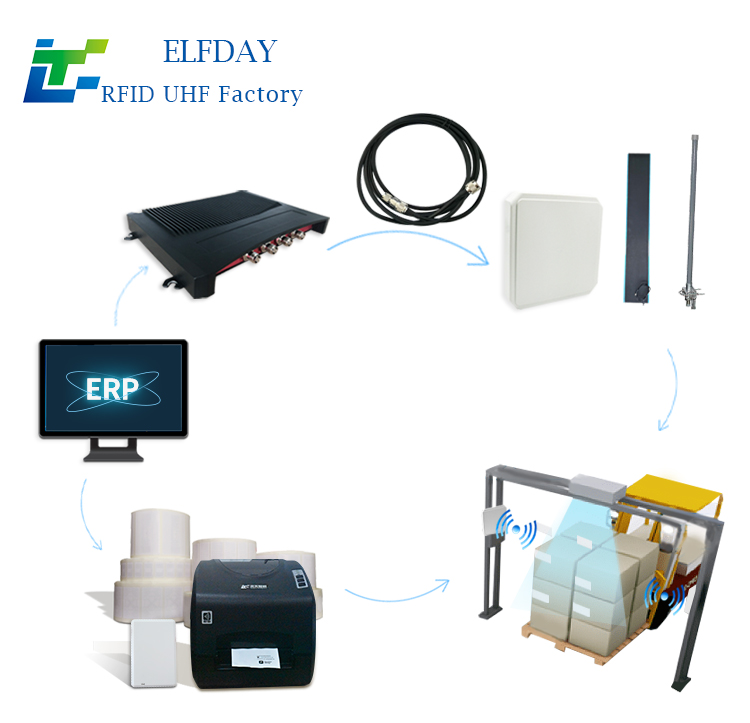
RFID clothing tags help retailers create smarter store environments by connecting physical garments with digital inventory systems. Store employees can quickly locate products, check stock availability, and complete inventory audits more efficiently.
RFID technology also supports modern retail applications such as smart fitting rooms, automated inventory management, and faster checkout experiences. These improvements help retailers provide better customer service and increase operational efficiency.
RFID Clothing Tags Across the Apparel Supply Chain
The apparel supply chain includes multiple stages, from garment production and transportation to warehousing and retail sales. Managing product information across these stages requires accurate identification and tracking.
RFID clothing tags create better supply chain visibility by recording garment information throughout the entire process.
During garment manufacturing, RFID tags help track products during production, quality inspection, and packaging. This allows manufacturers to improve production control and reduce processing errors.
In distribution centers, RFID clothing tags help automate product receiving, sorting, and shipment verification. Businesses can quickly confirm product quantities and ensure accurate deliveries.
In retail environments, RFID tags provide real-time inventory updates, helping stores improve stock management and product availability.
Key Benefits of RFID Clothing Tags
RFID clothing tags help apparel businesses reduce inventory errors by automatically identifying each garment with a unique digital code. This improves data accuracy compared with traditional manual tracking methods.
By providing real-time product visibility, RFID technology helps businesses improve supply chain efficiency and make better decisions about inventory planning, production, and distribution.
RFID clothing tags also help reduce product loss by making it easier to locate missing or misplaced garments. Businesses can improve asset control and reduce unnecessary inventory costs.
For customers, better inventory accuracy means improved product availability, faster service, and a more convenient shopping experience.
Applications of RFID Clothing Tags
RFID clothing tags are widely used in fashion retail, sportswear management, workwear tracking, laundry services, and clothing rental operations.
In fashion retail, RFID tags help manage large volumes of clothing products and improve store inventory accuracy.
In sportswear applications, RFID clothing tags support the management of uniforms, team apparel, and athletic clothing.
For industrial and corporate uniforms, RFID technology helps companies track clothing distribution, usage history, and replacement schedules.
In laundry and textile services, RFID clothing tags enable automated sorting and tracking of reusable garments, improving operational efficiency.
How to Select the Right RFID Clothing Tags
Choosing the right RFID clothing tags depends on the specific application requirements. Businesses should consider tag size, reading performance, durability, and compatibility with existing RFID systems.
For retail clothing applications, lightweight and discreet tags are often preferred to maintain product appearance. For uniforms and reusable textiles, durable RFID tags designed to withstand repeated use may be more suitable.
The right RFID clothing tag solution can help businesses achieve reliable tracking performance and long-term operational benefits.
The Future of RFID Clothing Tags in Smart Retail
As the apparel industry continues to adopt digital technologies, RFID clothing tags will become increasingly important in smart retail and supply chain management.
Future applications may include AI-based inventory forecasting, digital product identification, automated stores, and enhanced sustainability management.
By connecting physical garments with digital data, RFID clothing tags provide the foundation for more efficient, transparent, and intelligent apparel management systems.
RFID clothing tags are changing the way apparel brands and retailers manage inventory and track garments. By providing real-time visibility, improving stock accuracy, and automating tracking processes, RFID technology helps businesses improve efficiency throughout the apparel supply chain.
From clothing manufacturing and warehouse management to retail operations and textile services, RFID clothing tags offer a reliable solution for modern apparel management. As smart retail continues to grow, RFID technology will play an increasingly important role in creating more efficient and connected clothing ecosystems.