



RFID Asset Labels for Warehouse Inventory and Asset Tracking
Modern warehouses and distribution centers handle thousands of products, tools, containers, and operational assets every day. As inventory volumes continue to grow, traditional tracking methods such as manual counting and barcode scanning can become time-consuming and prone to errors.
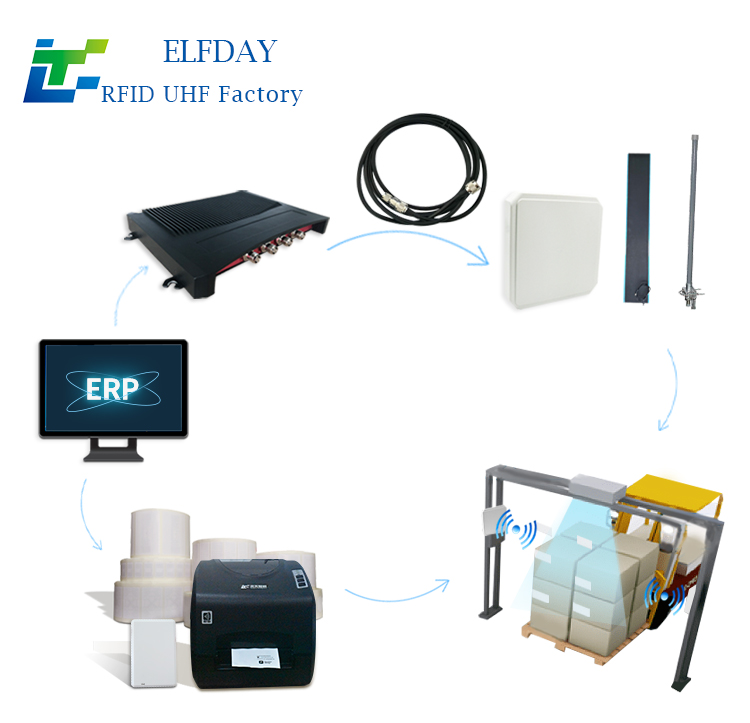
RFID asset labels provide efficient tracking solutions for warehouses and distribution centers. Businesses can quickly identify, locate, and manage thousands of assets without manual scanning, improving inventory accuracy and operational efficiency.
By using RFID technology, warehouses can create a smarter asset management system that improves visibility, reduces inventory mistakes, and helps employees complete daily tasks faster. From reusable containers and pallets to warehouse equipment and high-value assets, RFID asset labels provide reliable identification throughout the entire supply chain.
What Are RFID Asset Labels?
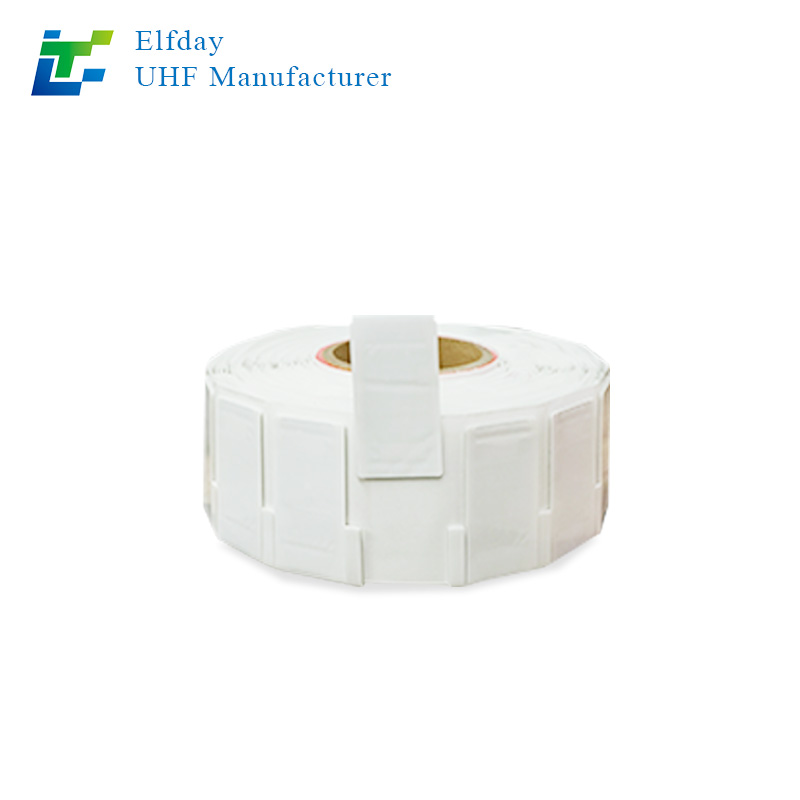
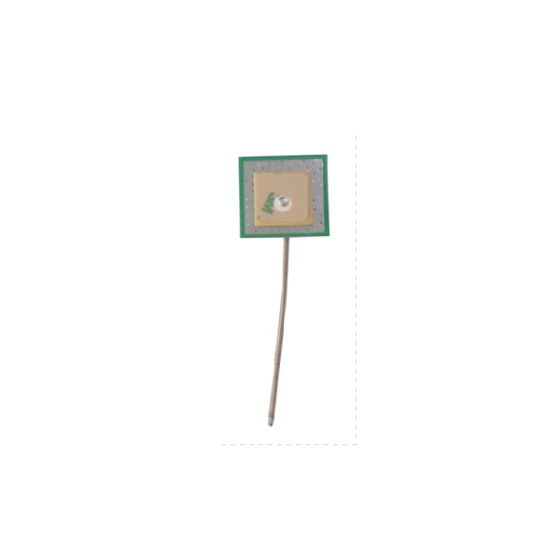
RFID asset labels are electronic identification tags designed to track and manage physical assets using radio frequency technology. Each label contains an RFID chip and antenna that store asset information and communicate with RFID readers.
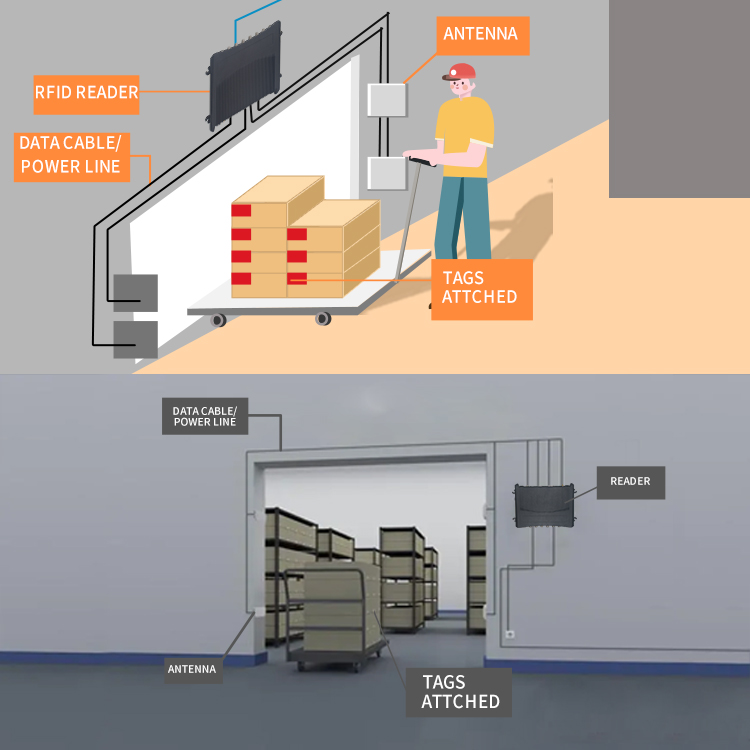
Unlike traditional barcode labels, RFID asset labels do not require direct line-of-sight scanning. Warehouse workers can identify multiple tagged items at the same time, even when assets are stored in large quantities or difficult-to-access locations.
These labels are widely used for tracking:
Warehouse equipment
Reusable containers
Pallets and shipping assets
Storage bins
Material handling tools
Industrial supplies
Returnable transport items
By connecting physical assets with digital tracking systems, RFID asset labels help warehouses improve operational control and make inventory management more accurate.
How RFID Asset Labels Improve Warehouse Asset Tracking
Faster Inventory Management
Inventory counting is one of the most time-consuming tasks in warehouse operations. Traditional manual checks require employees to scan individual items or record information by hand, which can slow down operations.
RFID asset labels allow warehouses to complete inventory checks much faster. RFID readers can capture information from multiple tags simultaneously, reducing the time required for asset identification and inventory verification.
This enables warehouse teams to perform regular inventory checks with less labor while maintaining higher accuracy.
Real-Time Asset Visibility
One of the biggest challenges in warehouse management is knowing where assets are located at any given moment. Missing equipment, misplaced containers, or inaccurate inventory records can affect productivity and increase operating costs.
RFID asset labels provide better asset visibility by allowing businesses to track the movement and status of items throughout the warehouse. Managers can quickly identify asset locations, monitor usage, and maintain updated records.
Improved visibility helps warehouses optimize space utilization and improve overall workflow efficiency.
Reducing Inventory Errors
Manual inventory processes often result in incorrect data due to human mistakes. Even small errors can create problems with stock management, order fulfillment, and asset availability.
RFID asset labels automate the identification process and reduce the need for manual data entry. Accurate tracking information helps businesses maintain reliable inventory records and make better operational decisions.
Improving Warehouse Productivity
Warehouse employees spend significant time searching for equipment, checking inventory, and confirming asset information. RFID technology simplifies these tasks by providing quick access to accurate data.
With RFID asset labels, workers can locate assets faster, reduce unnecessary movement, and complete warehouse operations more efficiently.
Applications of RFID Asset Labels in Warehouses and Distribution Centers
Pallet and Container Tracking
Reusable pallets, containers, and transport boxes are essential assets in many supply chains. However, these items are often moved between different locations, making them difficult to monitor.
RFID asset labels help businesses track reusable assets throughout warehouses, production facilities, and distribution networks. This improves asset utilization and reduces losses caused by misplaced containers.

Warehouse Equipment Management
Warehouses depend on equipment such as carts, forklifts, tools, and handling devices. Keeping track of these assets is important for maintaining smooth operations.
RFID asset labels provide fast identification of warehouse equipment and help managers monitor availability, usage, and maintenance requirements.
Inventory Storage Management
Large warehouses may store thousands of products and materials across different locations. RFID asset labels help improve inventory organization by providing accurate information about stored assets.
Employees can quickly locate items, reduce search time, and improve order preparation efficiency.
Returnable Asset Tracking
Many industries use reusable transport items that move between suppliers, warehouses, and customers. Without proper tracking, these assets can be lost or remain unused.
RFID asset labels enable better control of returnable assets by recording movement history and improving recovery rates.
Benefits of Using RFID Asset Labels for Warehouse Management
Increased Inventory Accuracy
RFID technology provides more accurate identification compared with manual tracking methods. Businesses can maintain reliable inventory records and reduce discrepancies between actual assets and digital data.
Reduced Labor Costs
Automated identification reduces the amount of time employees spend on manual counting and asset searching. Warehouse teams can focus on more valuable operational tasks.
Better Asset Utilization
By understanding where assets are located and how they are being used, businesses can improve resource allocation and avoid unnecessary purchases.
Enhanced Supply Chain Visibility
RFID asset labels provide valuable tracking information across warehouse operations and supply chains. Better visibility allows businesses to respond quickly to operational changes.
Choosing the Right RFID Asset Labels for Warehouse Applications
Different warehouse environments require different RFID asset label solutions. Selecting the right label depends on several factors, including asset type, operating conditions, and tracking requirements.
Important considerations include:
Asset Material
Some assets, such as metal equipment or containers, may require RFID labels designed for reliable performance on challenging surfaces.
Environmental Conditions
Warehouses may include areas exposed to dust, moisture, temperature changes, or frequent handling. Durable RFID asset labels can provide long-term performance in demanding environments.
Reading Distance Requirements
The required reading range depends on warehouse layout and tracking processes. Different applications may require different RFID performance levels.
Attachment Method
RFID asset labels should be securely attached to assets to ensure reliable identification throughout their service life.
RFID Asset Labels vs Traditional Barcode Tracking
Traditional barcode systems have been widely used in warehouses, but they often require individual scanning and direct visibility between the scanner and label.
RFID asset labels provide several advantages:
Faster identification of multiple assets
No need for direct line-of-sight scanning
Improved inventory accuracy
Reduced manual labor
Better real-time tracking capability
For warehouses managing large numbers of assets, RFID technology offers a more efficient and scalable tracking solution.
RFID asset labels are transforming warehouse inventory and asset management by providing faster identification, improved visibility, and more accurate tracking.
For warehouses and distribution centers that need to manage thousands of assets efficiently, RFID technology offers a practical solution to reduce errors, improve productivity, and optimize daily operations.
As supply chains continue to become more digital and automated, RFID asset labels will play an increasingly important role in creating smarter warehouses with better control, efficiency, and visibility.