



RFID Patient Tracking Systems for Better Hospital Workflow and Patient Management
Healthcare facilities today face increasing pressure to improve operational efficiency while maintaining high standards of patient care. Managing patient movement across emergency departments, inpatient wards, outpatient clinics, and treatment areas can be challenging when relying on manual processes.
Delays in locating patients, inaccurate records, and inefficient communication between departments can affect hospital workflow and patient experience. This is why more healthcare providers are adopting digital tracking technologies to create a more organized and responsive medical environment.
RFID patient tracking systems provide an effective solution by enabling hospitals and healthcare facilities to accurately monitor patient movements from admission to discharge. Through RFID-enabled identification devices and real-time monitoring systems, medical teams can improve workflow visibility, reduce manual errors, and support better patient management.
What Is RFID Patient Tracking?
RFID patient tracking is a healthcare management solution that uses radio frequency identification technology to identify, monitor, and manage patients throughout medical facilities.
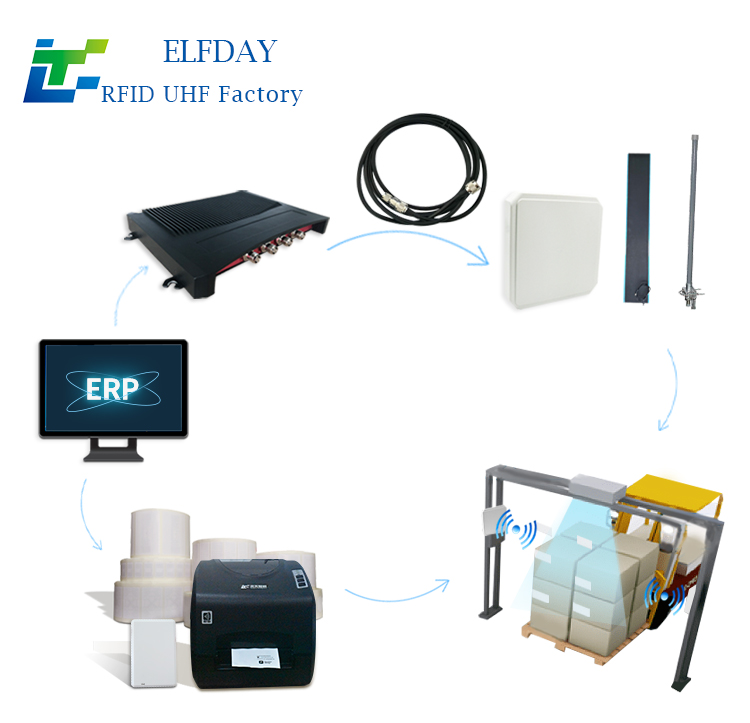
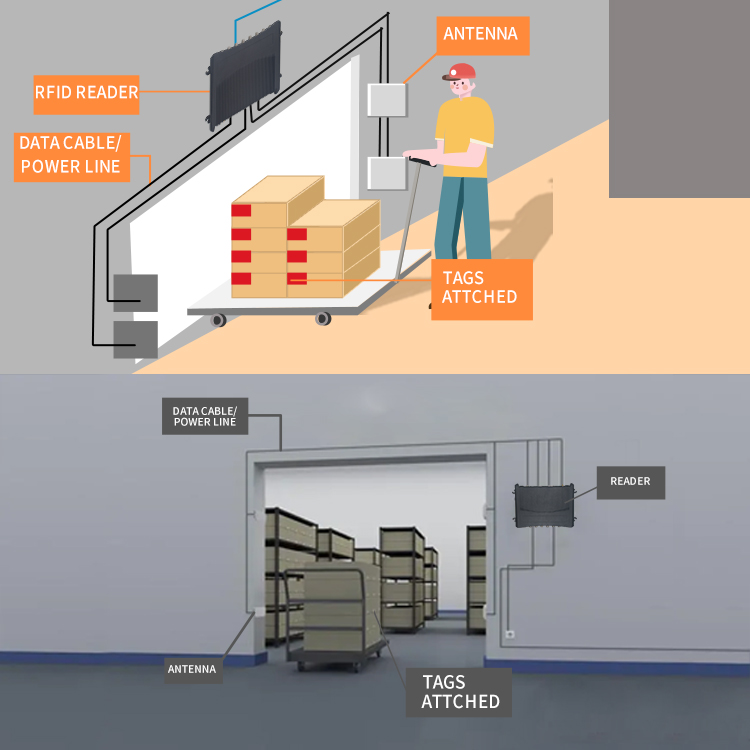
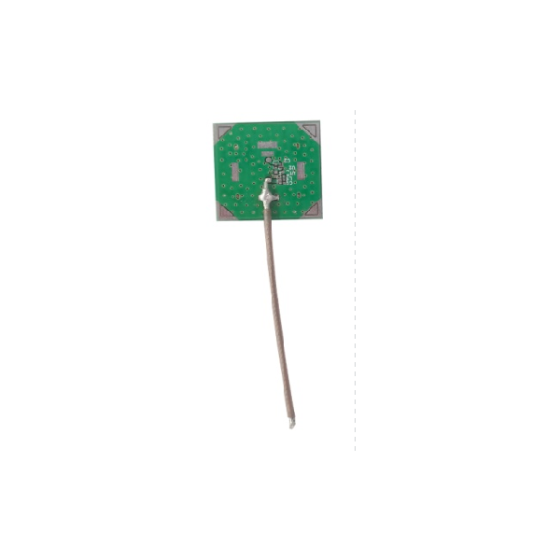
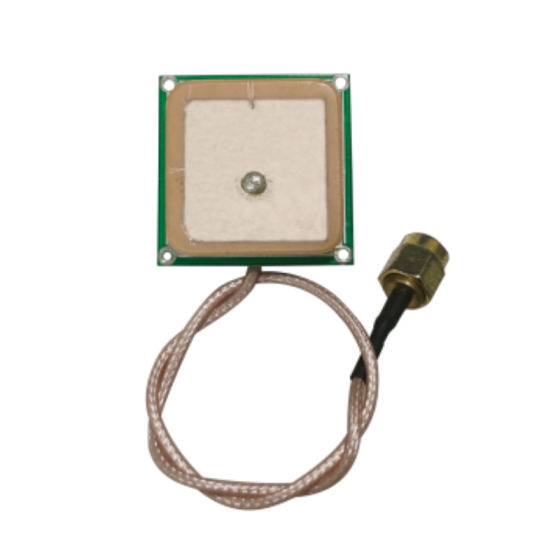
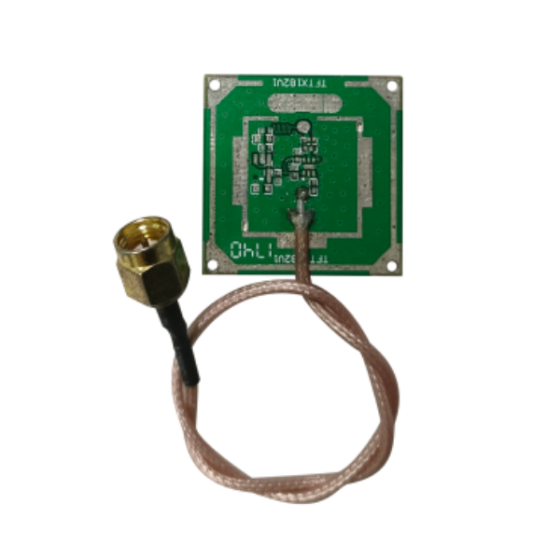
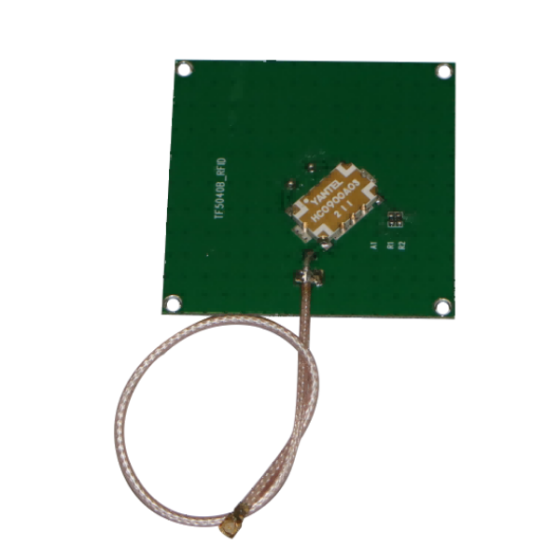
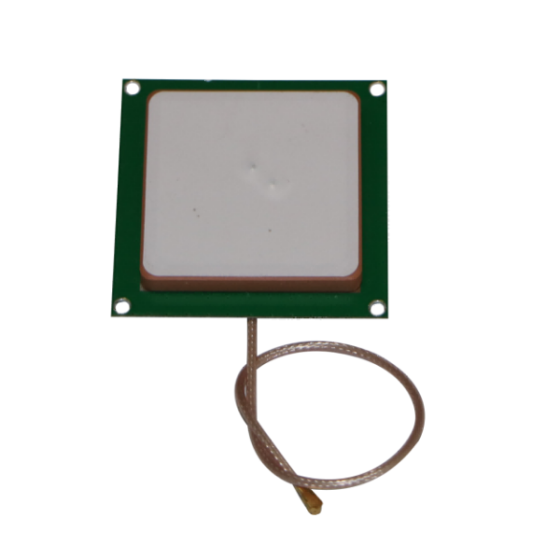
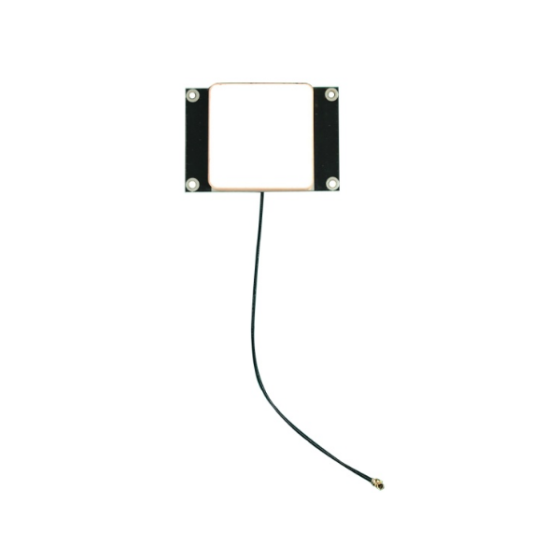
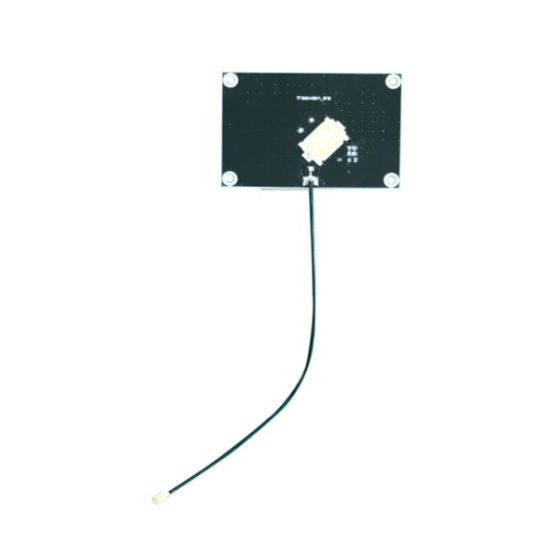
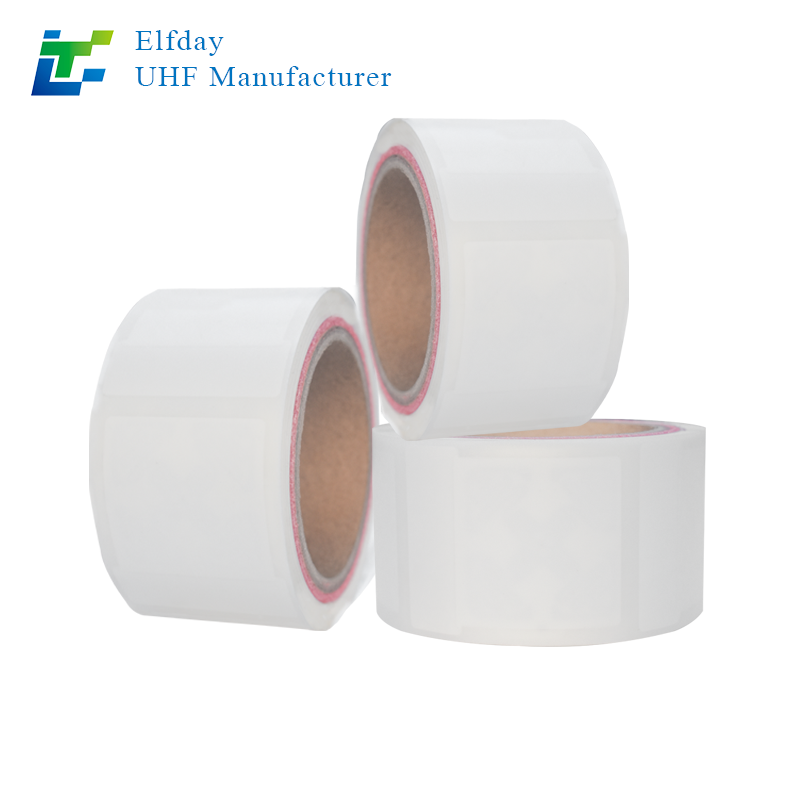
An RFID patient tracking system typically uses RFID wristbands, RFID readers, antennas, and healthcare management software. When a patient enters a hospital or clinic, an RFID tag containing unique identification information can be assigned. As the patient moves through different areas, the system automatically records location updates and provides healthcare staff with real-time information.
Compared with traditional manual tracking methods, RFID technology reduces reliance on paperwork and manual communication. It helps healthcare providers maintain accurate patient records while improving the overall efficiency of medical operations.
How RFID Patient Tracking Improves Hospital Workflow
Efficient patient flow is essential for hospitals to deliver timely healthcare services. From registration and diagnosis to treatment and discharge, every step of the patient journey requires accurate coordination.
RFID patient tracking helps optimize hospital workflow by providing continuous visibility into patient locations and movement patterns.
Streamlining Patient Admission and Registration
The admission process is often the first step in a patient's healthcare journey. Manual registration procedures can create delays and increase the risk of incorrect information.
With RFID patient tracking solutions, healthcare facilities can quickly identify patients through RFID-enabled wristbands. This improves registration accuracy, reduces administrative workload, and allows medical staff to access patient information more efficiently.
A faster admission process helps hospitals reduce congestion in waiting areas and provide a smoother experience for patients.
Real-Time Patient Location Monitoring
In large hospitals, finding patients quickly can be difficult, especially when multiple departments are involved. RFID patient tracking provides real-time location visibility, allowing healthcare teams to know where patients are throughout their treatment journey.
Medical staff can quickly identify whether a patient is in a waiting area, examination room, treatment department, or recovery area.
This improves communication between doctors, nurses, and administrative teams while reducing time spent searching for patient information.
Reducing Manual Errors in Healthcare Operations
Accurate patient identification is critical in healthcare environments. Mistakes caused by manual data entry, misplaced records, or incorrect identification can impact patient safety and service quality.
RFID patient tracking systems help reduce these risks by automating identification and data collection processes.
Healthcare providers can improve:
Patient identification accuracy
Treatment process coordination
Department transfer management
Medical record consistency
By minimizing human errors, RFID technology supports safer and more reliable healthcare operations.
Improving Patient Flow Management
Patient flow directly affects hospital efficiency. Long waiting times, delayed transfers, and poor resource allocation can create unnecessary pressure on healthcare staff.
RFID patient tracking allows hospitals to analyze patient movement and identify workflow challenges. Healthcare managers can use this information to improve scheduling, optimize room usage, and allocate resources more effectively.
Better patient flow management helps hospitals:
Reduce waiting times
Improve department coordination
Increase staff productivity
Enhance patient satisfaction
Supporting Better Patient Care and Safety
Beyond improving efficiency, RFID patient tracking also plays an important role in enhancing patient safety.
Healthcare teams can use RFID systems to confirm patient identity before procedures, monitor patient transfers, and ensure patients are receiving care in the correct location.
In emergency situations, real-time tracking information allows medical staff to respond faster and make better decisions.
For hospitals managing a large number of patients every day, improved visibility can significantly enhance both safety and quality of care.
Applications of RFID Patient Tracking in Healthcare Facilities
RFID patient tracking technology can be applied in various healthcare environments.
Hospitals
Hospitals use RFID systems to manage patient movement across emergency rooms, operating rooms, inpatient departments, and outpatient areas. The technology helps improve coordination between different healthcare teams and supports more efficient hospital operations.
Emergency Departments
Emergency departments require fast decision-making and accurate patient information. RFID patient tracking helps medical staff quickly locate patients and monitor treatment progress, improving emergency response efficiency.
Clinics and Medical Centers
Clinics can use RFID tracking solutions to improve appointment management, reduce waiting times, and create a more organized patient experience.
Elderly Care Facilities
RFID technology can support elderly care environments by improving resident monitoring, safety management, and daily care coordination.
Key Benefits of RFID Patient Tracking Systems
Improved Operational Efficiency
RFID automation reduces manual tracking tasks and allows healthcare professionals to focus more on patient care instead of administrative activities.
Enhanced Patient Visibility
Real-time monitoring provides healthcare teams with accurate information about patient locations and movement status.
Better Resource Utilization
Hospitals can optimize staff allocation, room management, and treatment scheduling by understanding patient flow patterns.
Increased Data Accuracy
Automated identification reduces errors and helps maintain reliable healthcare records.
Improved Patient Experience
Faster admissions, shorter waiting times, and smoother healthcare processes create a better overall patient experience.
RFID Patient Tracking vs Traditional Patient Management
Traditional patient management methods often depend on manual records, verbal communication, and staff updates. While these methods can work in smaller facilities, they become difficult to manage in large healthcare environments.
RFID patient tracking provides a smarter approach by automating identification, improving real-time visibility, and creating more accurate patient movement data.
This allows hospitals to move from reactive management to proactive healthcare operations.
Future Trends of RFID Patient Tracking Technology
As healthcare continues to adopt digital transformation, RFID patient tracking will become increasingly important in smart hospital environments.
Future developments may include deeper integration with healthcare information systems, artificial intelligence-based workflow optimization, and advanced analytics for improving patient flow.
By combining RFID technology with modern healthcare platforms, hospitals can create more connected, efficient, and patient-focused medical services.
RFID patient tracking systems provide healthcare facilities with a reliable way to improve workflow efficiency, enhance patient management, and reduce operational challenges. By accurately monitoring patient movements from admission to discharge, RFID technology helps hospitals improve visibility, minimize manual errors, and deliver better healthcare services.
As hospitals continue to seek smarter management solutions, RFID patient tracking will remain an important technology for building safer, faster, and more efficient healthcare environments.