

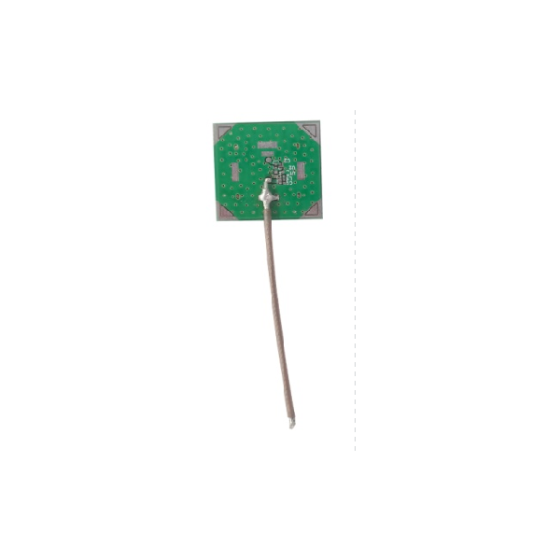
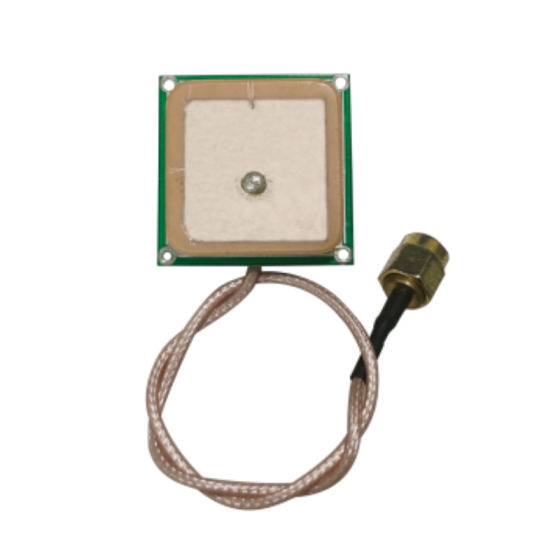
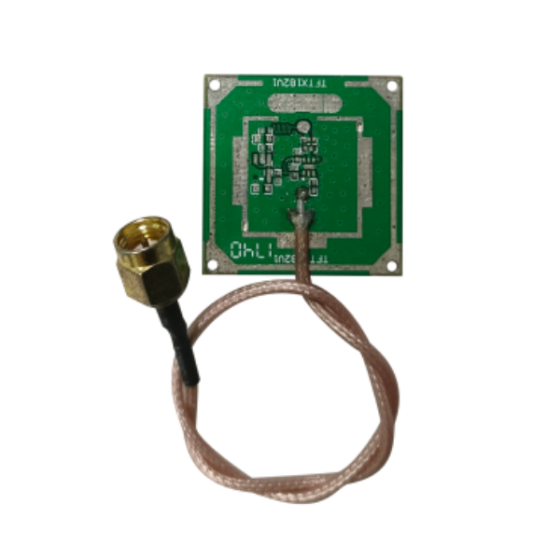
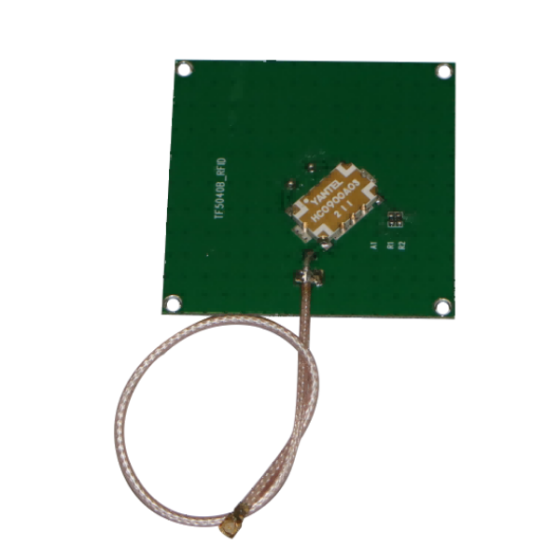


High Temperature RFID Tracking Tags for Tracking Automotive Parts in Extreme Heat
Automotive manufacturing is one of the most demanding industries when it comes to production tracking and quality control. During processes such as welding, painting, heat treatment, and assembly, automotive components are often exposed to high temperatures, vibration, and harsh industrial conditions. Traditional tracking methods such as barcode labels may become damaged or unreliable in these environments, making it difficult for manufacturers to maintain accurate production data.
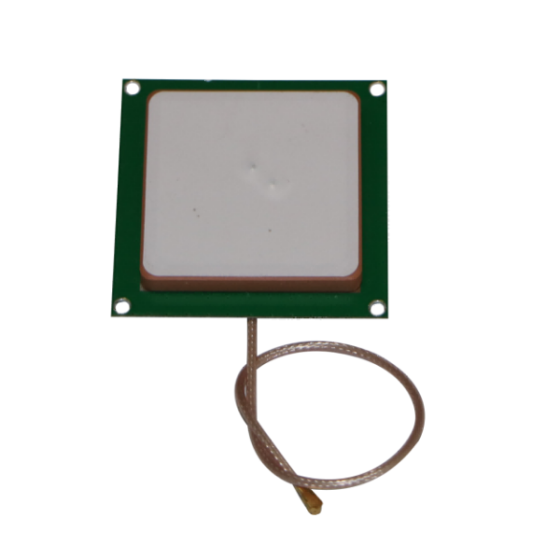
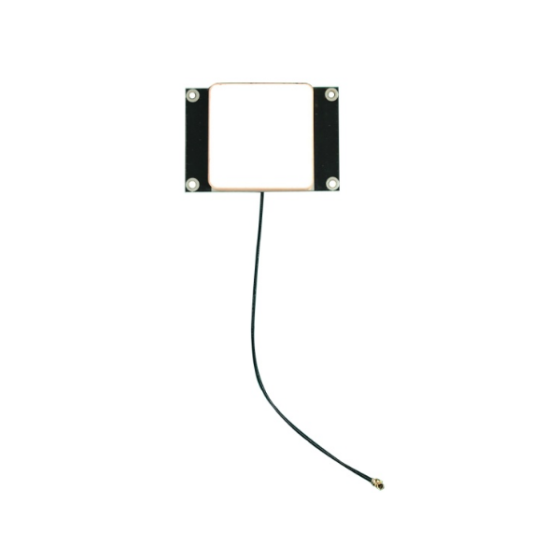
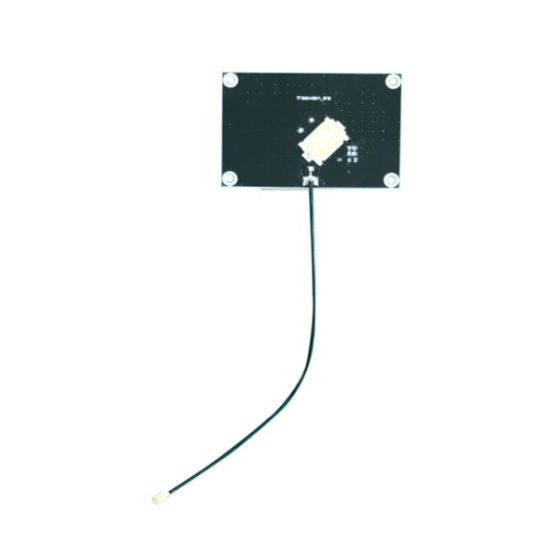
High temperature rfid tracking tags provide a reliable solution for automotive factories that require durable identification technology in extreme heat conditions. These specialized RFID tags help manufacturers monitor engine parts, metal components, and vehicle assemblies throughout the production process while ensuring accurate data collection, improving traceability, and increasing manufacturing efficiency.
The Challenges of Automotive Part Tracking in High-Temperature Environments
Modern automotive factories rely on highly automated production lines where thousands of components move through different manufacturing stages every day. Maintaining accurate tracking information is essential for ensuring product quality and optimizing production workflows.
However, many automotive processes involve extreme temperatures that can affect conventional tracking solutions. For example, vehicle parts may pass through paint curing ovens, welding stations, or heat treatment systems where temperatures exceed the operating limits of standard RFID tags and labels.
Common challenges include:
Difficulty identifying parts during high-temperature processes
Damage to traditional labels caused by heat exposure
Limited visibility of component movement
Manual inspection requirements
Increased risk of production errors
High temperature RFID tracking tags are designed to overcome these challenges by providing stable performance in demanding automotive manufacturing environments.
What Are High Temperature RFID Tracking Tags?
High temperature RFID tracking tags are specialized RFID identification devices built to withstand elevated temperatures while maintaining reliable communication with RFID readers. Unlike standard RFID tags, they are developed with heat-resistant materials and protective structures that help them operate in challenging industrial environments.
These tags allow manufacturers to automatically identify and track automotive components without requiring direct scanning. When attached to parts, tools, or production carriers, they provide real-time information throughout the manufacturing process.
In automotive applications, high temperature RFID tracking tags can be used for:
Engine component tracking
Metal part identification
Vehicle body assembly tracking
Production fixture management
Heat treatment process monitoring
Manufacturing workflow optimization
Applications of High Temperature RFID Tracking Tags in Automotive Factories
Engine Component Tracking
Engine parts require strict quality control because they directly affect vehicle performance and reliability. During manufacturing, components such as engine blocks, cylinder heads, and metal parts may experience high temperatures during machining and thermal processing.
High temperature RFID tracking tags enable manufacturers to monitor each component throughout production. By recording information such as processing history, inspection results, and production status, factories can improve quality management and reduce the risk of errors.
Heat Treatment Process Monitoring
Heat treatment plays an important role in improving the strength and durability of automotive metal components. However, this process exposes parts to extremely high temperatures, creating challenges for traditional tracking methods.
High temperature RFID tracking tags allow manufacturers to identify and monitor parts before, during, and after heat treatment. This improves process control and ensures that each component receives the correct treatment according to production requirements.
Welding Process Tracking
Welding operations generate intense heat and electromagnetic interference, making reliable tracking more difficult. Automotive manufacturers need durable identification solutions that can maintain performance near welding areas.
By using high temperature RFID tracking tags, factories can track vehicle assemblies and metal components throughout welding processes. This improves production visibility and helps ensure that components move through the correct manufacturing steps.
Paint Shop and Coating Line Tracking
Automotive painting processes often involve high-temperature curing ovens where vehicle components are exposed to heat for coating protection and finishing.
High temperature RFID tracking tags help manufacturers monitor vehicle bodies, parts, and production carriers throughout paint shop operations. This allows factories to maintain accurate production records and improve scheduling efficiency.
Benefits of Using High Temperature RFID Tracking Tags in Automotive Manufacturing
Reliable Tracking Under Extreme Heat
The biggest advantage of high temperature RFID tracking tags is their ability to perform in environments where standard tracking solutions may fail. Their durable construction allows continuous identification of automotive parts during high-temperature production processes.
Improved Production Accuracy
Automotive manufacturing requires precise control over every production stage. RFID tracking helps ensure that the correct components are processed through the correct workflow, reducing mistakes and improving overall production accuracy.
Reduced Manual Inspections
Manual tracking requires additional labor and increases the possibility of human errors. High temperature RFID tracking tags automate data collection, allowing manufacturers to reduce manual inspections and improve operational efficiency.
Better Component Traceability
Complete production history is important for automotive quality management. RFID technology helps manufacturers create detailed records for each component, including processing information, inspection data, and movement history.
Increased Manufacturing Efficiency
Real-time tracking enables factories to identify bottlenecks, optimize production schedules, and improve resource utilization. This supports smarter manufacturing operations and helps reduce unnecessary downtime.
How High Temperature RFID Tracking Tags Improve Smart Automotive Manufacturing
The automotive industry is rapidly moving toward smart manufacturing, where digital systems and automation play a key role in production management. RFID technology provides an important connection between physical components and digital manufacturing platforms.
By integrating high temperature RFID tracking tags with factory management systems, manufacturers can achieve:
Real-time production monitoring
Automated component identification
Improved inventory management
Enhanced quality control
More efficient production planning
This creates a more transparent and connected automotive manufacturing environment.
Factors to Consider When Selecting High Temperature RFID Tracking Tags
Choosing the right RFID tracking solution depends on the specific requirements of the automotive production environment.
Temperature Resistance
Different manufacturing processes involve different temperature ranges. The RFID tag should be selected based on the maximum heat exposure during operations such as welding, painting, and heat treatment.
Durability
Automotive factories often include vibration, chemicals, dust, and mechanical impact. A durable RFID tag design ensures reliable performance throughout the production lifecycle.
Reading Performance
Manufacturers should consider reading distance and communication reliability to ensure smooth operation across production lines.
Installation Method
RFID tags should be compatible with different mounting requirements, including attachment to metal components, production carriers, tools, and equipment.
Future Trends of RFID Tracking in Automotive Manufacturing
As automotive production becomes more automated, the demand for reliable tracking solutions will continue to increase. High temperature RFID tracking tags will play an important role in supporting digital factories by improving visibility and automation.
Future automotive applications may include more advanced production analytics, automated quality management, predictive maintenance, and intelligent supply chain coordination.
By combining heat resistance with real-time tracking capabilities, RFID technology helps automotive manufacturers achieve higher efficiency and better control over complex production processes.
Automotive factories operate in some of the most challenging industrial environments, where reliable tracking is essential for maintaining production accuracy and efficiency. High temperature rfid tracking tags provide a durable and effective solution for monitoring engine parts, metal components, and vehicle assemblies during high-temperature processes such as welding, painting, and heat treatment.
With the ability to withstand extreme conditions while delivering accurate data collection, these RFID tags help manufacturers reduce manual inspections, improve traceability, and build smarter automotive production systems. As the automotive industry continues to advance toward automation, high temperature RFID tracking technology will become increasingly important for efficient and reliable manufacturing operations.