



Healthcare RFID Tags for Real-Time Medical Equipment Tracking Solutions
Modern hospitals rely on thousands of medical devices every day, including infusion pumps, wheelchairs, surgical instruments, patient monitors, and emergency equipment. Managing these valuable assets efficiently has become a major challenge for healthcare facilities. Equipment that cannot be located quickly may delay patient care, increase operational costs, and reduce overall hospital efficiency.
Healthcare RFID tags provide an intelligent solution for real-time medical equipment tracking and asset management. By attaching RFID tags to medical devices, hospitals can monitor equipment location, improve resource utilization, reduce equipment loss, and optimize daily operations.
With accurate visibility into medical assets, healthcare providers can create a more efficient, organized, and technology-driven hospital environment.
What Are Healthcare RFID Tags for Medical Equipment Tracking?
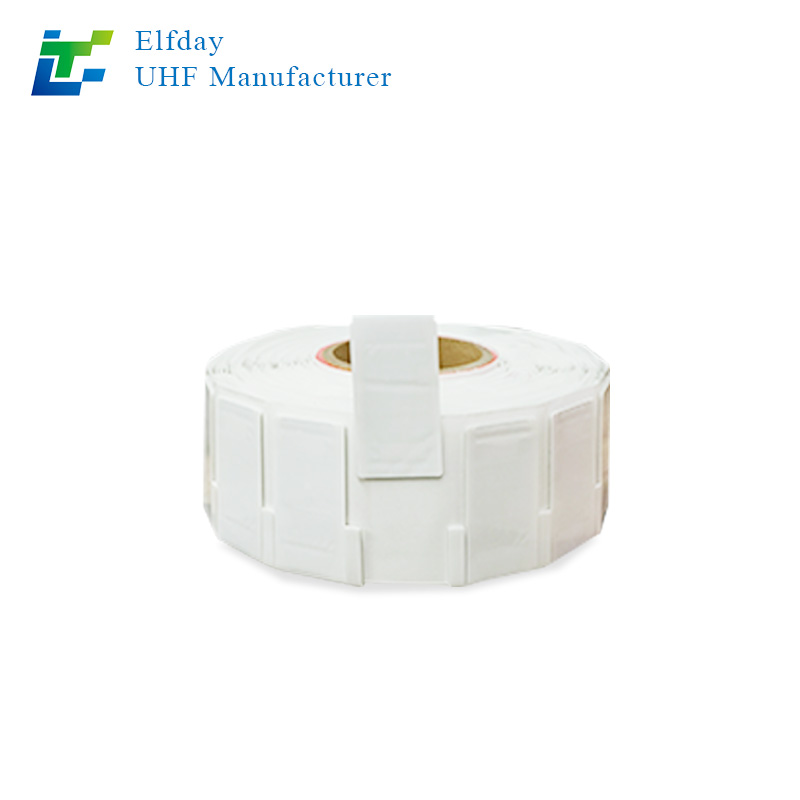
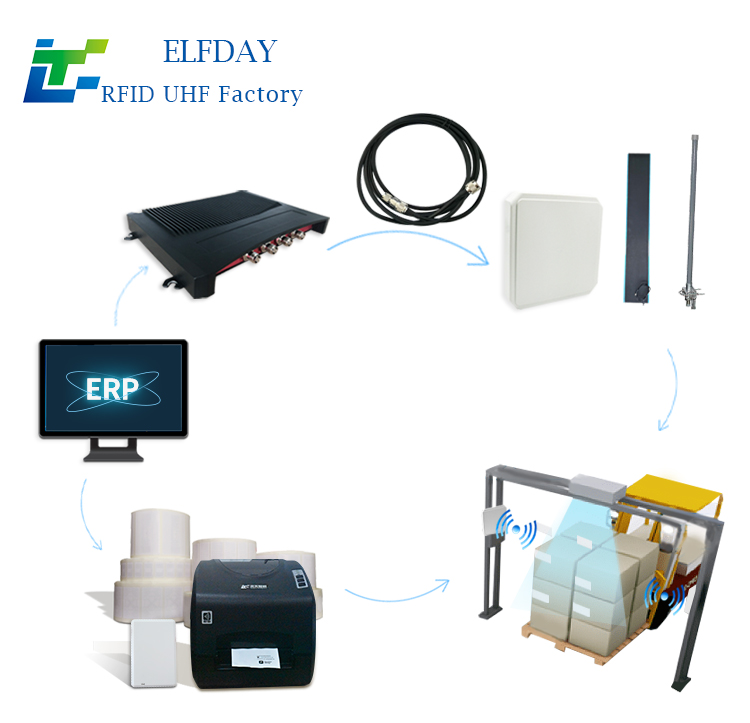
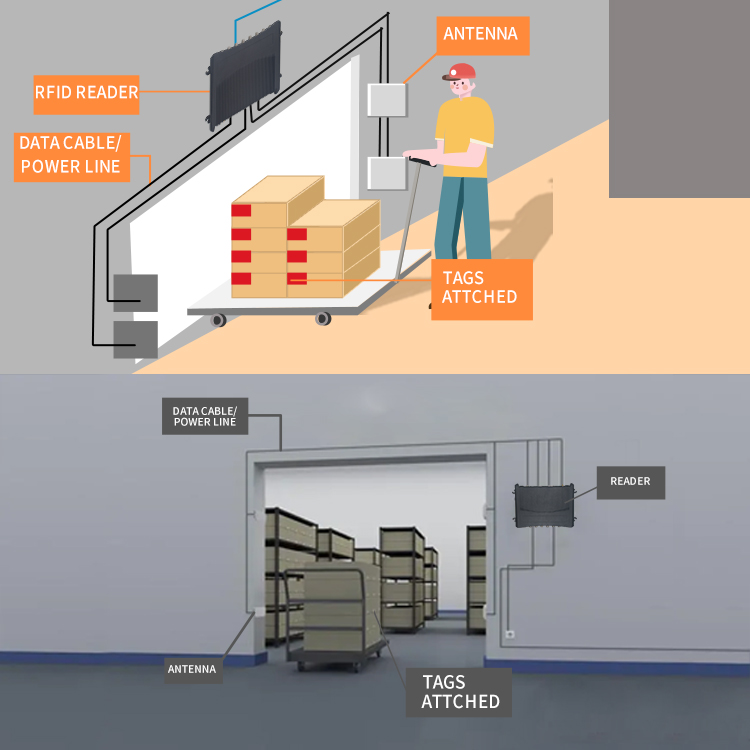
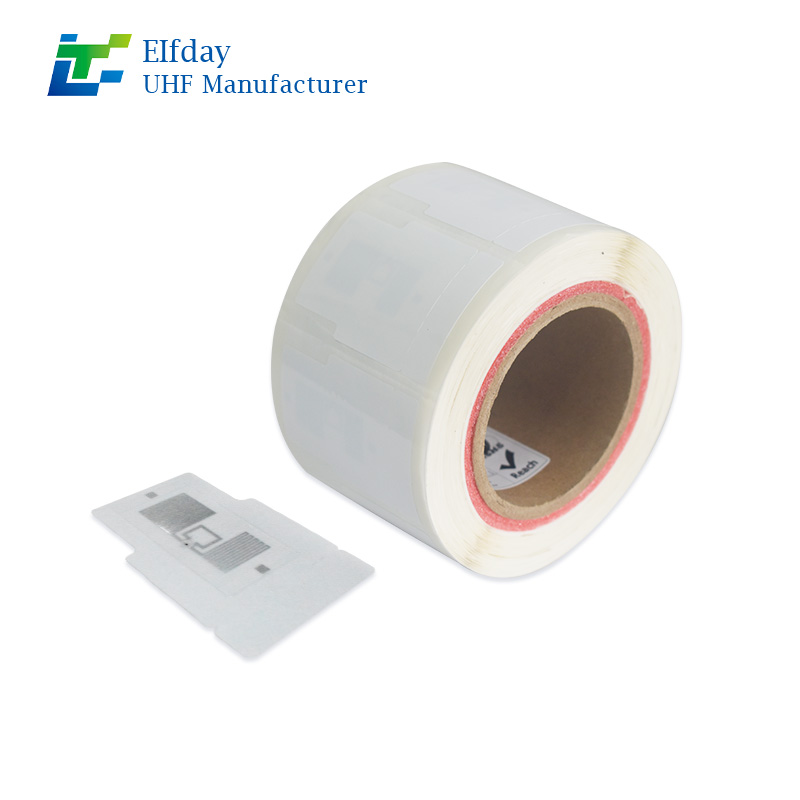
Healthcare RFID tags are advanced identification devices designed to track and manage medical assets through radio frequency technology. These tags store unique identification information and communicate with RFID readers, allowing hospitals to automatically collect equipment data without relying on manual recording.
Unlike traditional tracking methods, RFID technology provides faster identification and better visibility of equipment movement. Healthcare facilities can know where critical medical devices are located, how often they are used, and when maintenance may be required.
Common medical equipment managed with healthcare RFID tags includes:
Infusion pumps
Wheelchairs and patient transport equipment
Surgical instruments
Patient monitoring devices
Emergency medical equipment
Diagnostic devices
Mobile healthcare equipment
By creating a digital connection between physical equipment and hospital management systems, RFID technology helps improve asset control and operational efficiency.
How Healthcare RFID Tags Improve Medical Equipment Tracking
Medical equipment management is a complex process in hospitals. Staff often spend valuable time searching for available devices, checking equipment status, or manually updating records.
With healthcare RFID tags, hospitals can automate equipment identification and tracking.
When an RFID tag is attached to a medical device, the system can collect real-time information about its location and movement. Healthcare teams can quickly find available equipment, reduce unnecessary purchases, and ensure critical devices are ready when needed.
This improves workflow efficiency and allows medical professionals to spend more time focusing on patient care.
Key Applications of Healthcare RFID Tags in Hospitals
Medical Equipment Location Tracking
One of the most important applications of healthcare RFID tags is real-time medical equipment location tracking.
Hospitals often manage thousands of movable assets across different departments. Without an effective tracking system, equipment may be misplaced, underused, or unavailable when urgently needed.
RFID technology provides better visibility by helping staff quickly identify the location of medical devices. This reduces search time and improves the availability of essential equipment.
Infusion Pump Management
Infusion pumps are critical devices used in many hospital departments. Losing track of these devices can affect treatment efficiency and increase replacement costs.
By using healthcare RFID tags, hospitals can monitor infusion pump locations, improve equipment allocation, and ensure devices are available for patients who need them.
RFID-based tracking also supports better maintenance scheduling by providing accurate equipment usage information.
Surgical Instrument Tracking
Surgical instruments require strict management due to safety and sterilization requirements.
Healthcare RFID tags help hospitals track surgical instrument movement from operating rooms to sterilization areas. This improves inventory accuracy and supports better control over instrument usage history.
By improving visibility throughout the surgical workflow, RFID technology helps hospitals enhance efficiency and maintain higher operational standards.
Wheelchair and Patient Transport Equipment Management
Wheelchairs and transport equipment are frequently moved between hospital departments, making them difficult to manage manually.
Healthcare RFID tags allow staff to quickly locate available equipment and reduce time spent searching for misplaced assets.
Improved wheelchair management helps create smoother patient transportation processes and enhances the overall hospital experience.
Patient Monitoring Device Tracking
Patient monitoring devices are essential for intensive care units, emergency departments, and general wards.
Using healthcare RFID tags, hospitals can maintain accurate records of equipment location, availability, and usage status. This helps healthcare teams respond faster and improve equipment utilization.
Benefits of Healthcare RFID Tags for Hospitals
Reduce Medical Equipment Loss
Equipment loss is a common challenge for healthcare organizations. Devices may be moved between departments and become difficult to locate.
Healthcare RFID tags provide real-time visibility, helping hospitals reduce missing equipment and improve asset control.
Improve Equipment Utilization
Many hospitals purchase additional equipment because existing devices cannot be located quickly.
With RFID tracking, healthcare facilities can understand equipment usage patterns, identify available resources, and maximize the value of existing assets.
Increase Operational Efficiency
Manual equipment management requires significant staff time. RFID technology automates identification and tracking processes, reducing administrative work and improving workflow efficiency.
Support Preventive Maintenance
Healthcare equipment requires regular maintenance to ensure safety and reliability.
RFID tracking systems can provide equipment usage data, helping maintenance teams schedule inspections and servicing more effectively.
Enhance Patient Care Quality
When medical equipment is easy to locate and available when needed, healthcare professionals can provide faster and more efficient patient care.
By improving equipment accessibility, healthcare RFID tags indirectly support better patient outcomes.
Healthcare RFID Tags Compared with Traditional Equipment Tracking Methods
Traditional medical equipment tracking often depends on manual records, labels, or barcode scanning. These methods can be time-consuming and may create information gaps.
Healthcare RFID tags offer several advantages:
Faster identification without direct scanning
Real-time equipment visibility
Automatic data collection
Improved inventory accuracy
Better support for hospital automation
For hospitals seeking smarter asset management solutions, RFID technology provides a more efficient approach to controlling medical equipment.
Factors to Consider When Choosing Healthcare RFID Tags
Selecting the right healthcare RFID tags requires consideration of several important factors.
Durability and Medical Environment Compatibility
Medical equipment is used in demanding environments. RFID tags should be durable enough to withstand cleaning procedures, frequent handling, and daily hospital operations.
Reading Range Requirements
Different applications require different RFID performance levels. Hospitals should choose tags that provide reliable identification based on equipment type and tracking environment.
System Integration
Healthcare RFID tags should work effectively with existing hospital asset management systems, allowing smooth data collection and equipment monitoring.
Data Security
Medical information and operational data require secure management. RFID solutions should support appropriate data protection measures to maintain healthcare security standards.
The Future of Healthcare Equipment Tracking with RFID Technology
As hospitals continue moving toward digital transformation, the demand for healthcare RFID tags is expected to increase. RFID technology will become an important part of smart hospital development by improving automation, efficiency, and resource management.
Future healthcare applications may include:
AI-powered asset management
Automated hospital workflows
Real-time equipment analytics
Smart inventory management
Integrated healthcare data platforms
By combining RFID technology with modern healthcare systems, hospitals can achieve better equipment visibility and create more efficient medical environments.
Healthcare RFID tags provide hospitals with an effective solution for real-time medical equipment tracking and asset management. By monitoring valuable devices such as infusion pumps, wheelchairs, surgical instruments, and monitoring equipment, RFID technology helps reduce equipment loss, improve utilization rates, and optimize daily hospital operations.
As healthcare facilities continue to focus on efficiency and patient care quality, RFID-based tracking solutions will play an increasingly important role in building smarter, safer, and more connected hospitals.