



UHF RFID Sticker for Warehouse Inventory Management
UHF RFID stickers help warehouses identify cartons, pallets, and products quickly. Multiple tags can be read at once, making inventory counting, receiving, picking, and shipping more efficient. As warehouses handle higher order volumes and increasingly complex inventory, UHF RFID technology offers a practical way to improve item visibility and reduce time-consuming manual checks.
What Is a UHF RFID Sticker?
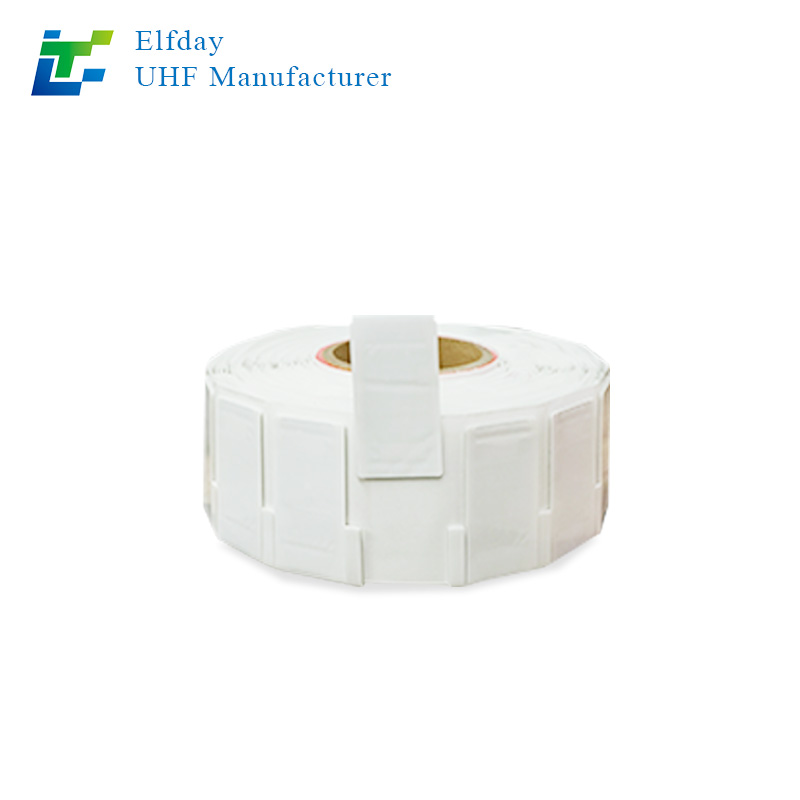
A UHF RFID sticker is a self-adhesive RFID label designed to identify and track items using Ultra High Frequency RFID technology. It typically consists of an RFID chip, antenna, and adhesive label material.
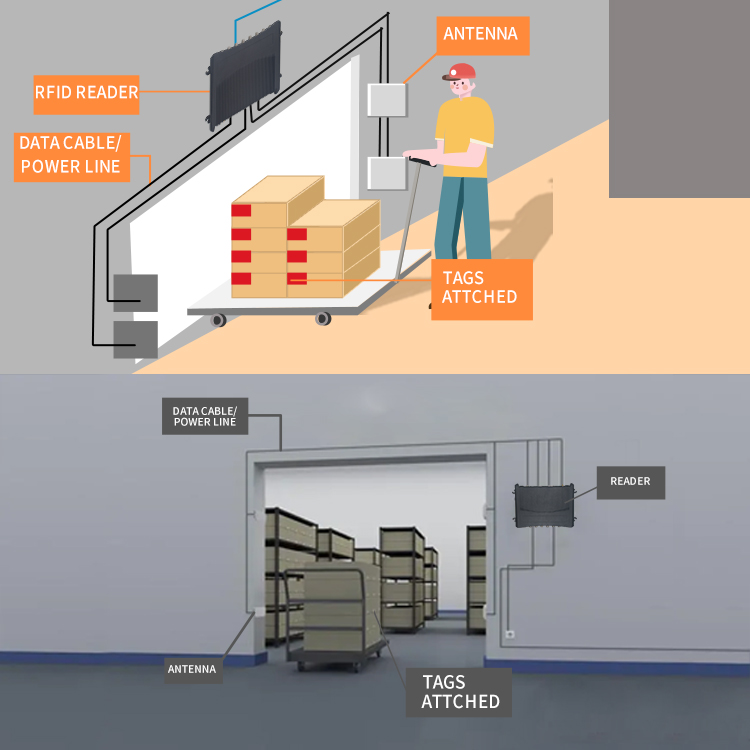
Unlike traditional barcodes, a UHF RFID sticker does not always require direct line-of-sight. When used with a compatible RFID reader, multiple tagged items can be identified within a reading area. This makes the technology particularly useful for warehouses where large quantities of goods need to be processed quickly.
How UHF RFID Stickers Improve Warehouse Inventory Management
Warehouse inventory management involves many repetitive tasks, from receiving incoming goods to checking stock and preparing shipments. Manual scanning can become inefficient when thousands of items move through the facility every day.
UHF RFID stickers can help automate item identification at different points in the warehouse.
Faster Receiving
When goods arrive, workers can use RFID readers to identify multiple tagged cartons or pallets instead of scanning each barcode individually. This can speed up receiving and help warehouse teams confirm incoming inventory more efficiently.
More Efficient Inventory Counting
Inventory counting is often one of the most time-consuming warehouse activities. With UHF RFID stickers, multiple products can be read at the same time, allowing employees to perform stock checks faster and with less manual scanning.
This can be especially useful for cycle counting and regular inventory audits.
Better Picking Accuracy
During order picking, workers need to locate the correct products quickly. RFID-based identification can provide additional item-level visibility and help confirm that the right products are being handled before they move to the packing area.
Streamlined Shipping
Before orders leave the warehouse, RFID readers can help identify tagged cartons and products. This provides another opportunity to verify shipments and reduce errors caused by manual identification.
UHF RFID Sticker vs. Traditional Barcode Labels
Barcodes remain widely used in warehouses, but they generally require the scanner to see the printed code. Items may need to be positioned correctly before they can be scanned.
A UHF RFID sticker works differently. RFID readers communicate with the tag wirelessly, allowing multiple tags to be identified without individually pointing a scanner at every label.
This can provide several advantages in high-volume warehouse environments:
- Faster bulk identification
- Less manual scanning
- Reduced dependence on line-of-sight
- Better inventory visibility
- Easier automation of repetitive processes
However, RFID is not necessarily a replacement for every barcode application. The right choice depends on the warehouse layout, item materials, reading distance, system requirements, and operating environment.
Where Can UHF RFID Stickers Be Used?
UHF RFID stickers can be applied to many types of warehouse inventory and logistics items, including:
- Cartons and boxes
- Pallets
- Product packaging
- Storage bins
- Plastic containers
- Returnable transport items
- Individual products
- Shipping packages
For items containing metal or liquids, a standard RFID sticker may not provide the desired reading performance. In these situations, a specialized RFID tag designed for the specific material or application may be more appropriate.
Choosing the Right UHF RFID Sticker
Not every warehouse has the same tracking requirements. Before selecting a UHF RFID sticker, consider several factors.

Read range: Determine how far away the tags need to be identified during warehouse operations.
Tag size: The available surface area on cartons, products, or containers can affect the appropriate sticker size.
Item material: Metal and liquid-heavy products can affect UHF RFID performance, so tag design should match the application.
Adhesive: The sticker should remain securely attached during handling, storage, and transportation.
Environmental conditions: Temperature, moisture, dust, and other conditions may influence the required label material and construction.
Reader compatibility: The sticker should work with the RFID readers and systems used in the warehouse.
Building a More Visible Warehouse
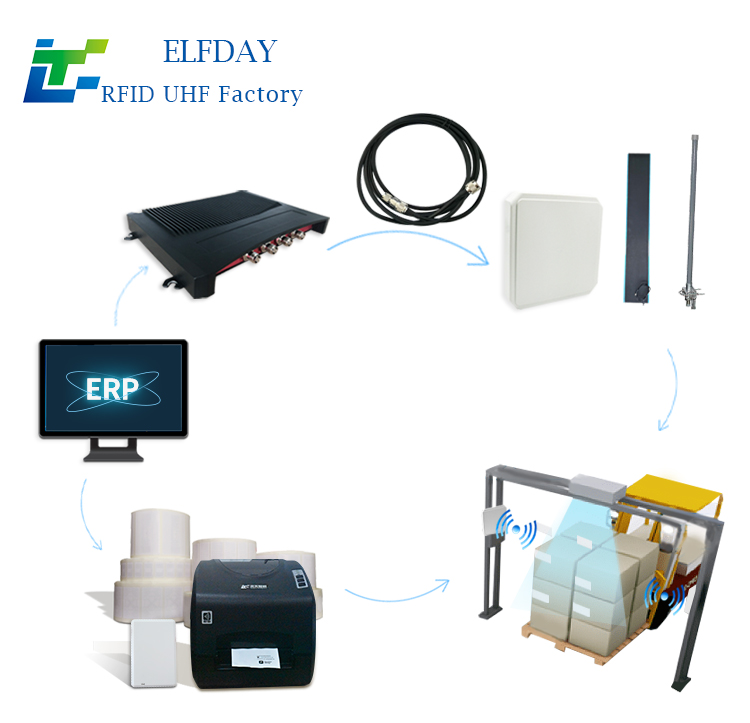
The value of a UHF RFID sticker goes beyond simply replacing a barcode. When RFID tags are connected to warehouse software, information collected from tagged items can support a more complete view of inventory movement.
For example, a warehouse may use RFID checkpoints to monitor goods as they move from receiving to storage, picking, packing, and shipping. This creates more opportunities to identify inventory movement automatically and reduces reliance on manual record keeping.
The result can be a warehouse operation that is easier to monitor, faster to audit, and better prepared for growing inventory volumes.
A UHF RFID sticker can be a practical solution for warehouses that need faster inventory identification and better visibility. By enabling multiple tags to be read quickly and reducing the need for direct line-of-sight scanning, UHF RFID technology can support receiving, inventory counting, picking, and shipping operations.
For warehouses handling large quantities of cartons, pallets, and products, choosing the right UHF RFID sticker and integrating it with the appropriate RFID system can help create a more efficient and scalable inventory management process.