



RFID Stickers for Faster Fashion Retail Inventory Management
Fashion retailers manage a large number of products across stores, stockrooms, warehouses, and online orders. Keeping accurate inventory can become difficult when employees rely heavily on manual counting and barcode scanning. RFID stickers offer a practical way to give individual fashion items a unique digital identity, helping staff identify products faster and improve inventory visibility.
By attaching RFID stickers to clothing, footwear, accessories, and other merchandise, retailers can use RFID readers to capture product information more efficiently. Instead of scanning items one at a time, employees can identify multiple tagged products in a single reading process, making everyday inventory tasks easier to manage.
Why Inventory Management Matters in Fashion Retail
Fashion inventory changes constantly. New collections arrive, popular products sell quickly, seasonal items move between locations, and returned merchandise needs to be processed back into stock.
A small inventory discrepancy can create larger operational problems. If the system shows that an item is available when it is actually missing, employees may waste time searching for it. Customers may also see products listed online that cannot be located in the store.
Traditional barcode systems remain useful, but they usually require the barcode to be visible and scanned individually. This can make large inventory counts time-consuming, particularly when stores have thousands of individual items.
RFID stickers provide another identification method that can make these processes more efficient.
How RFID Stickers Work in Fashion Stores
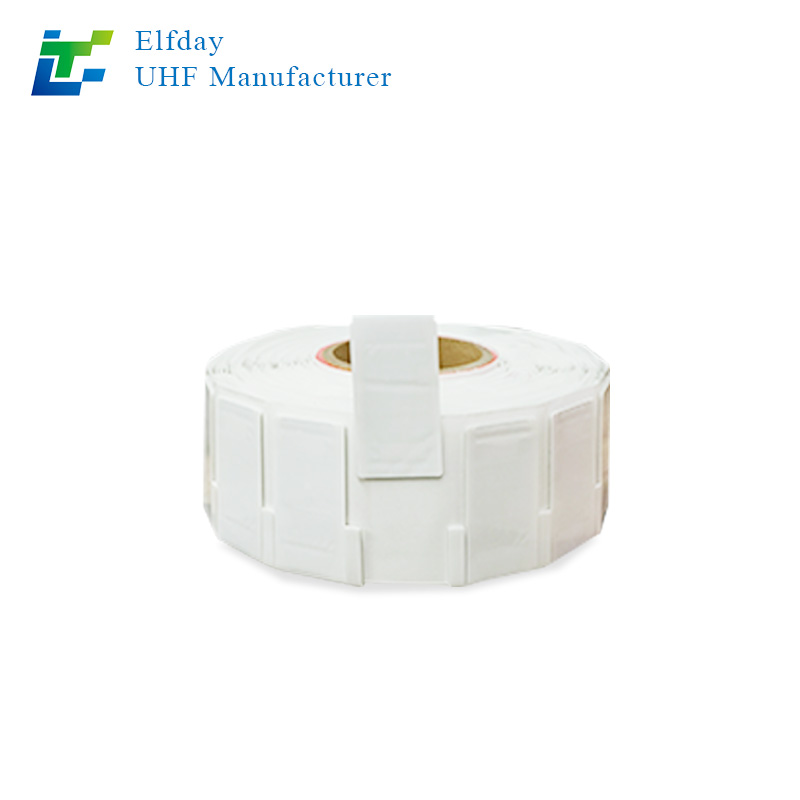
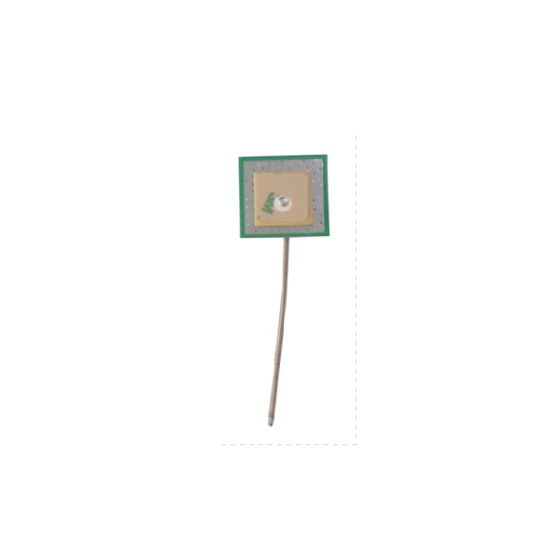
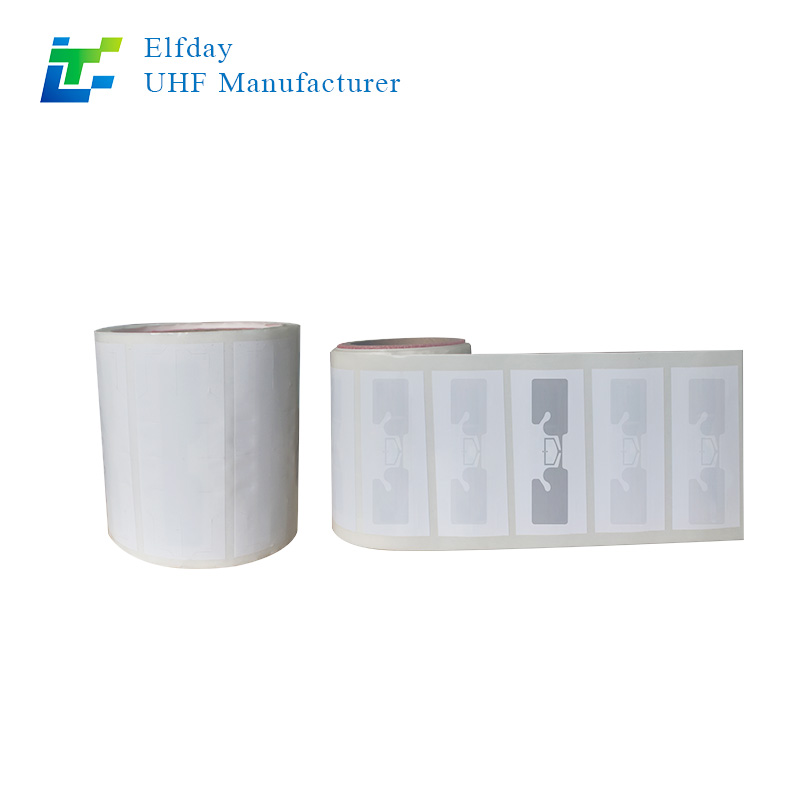
An RFID sticker typically combines an RFID chip and antenna with an adhesive label. The sticker can be attached to an individual product, packaging, price tag, or other suitable surface.
Each RFID sticker can carry a unique identification number. When an RFID reader sends a radio signal, the tag responds with its stored identification information. The associated software can then connect that ID with product details such as item type, size, color, SKU, or inventory status.
For fashion retailers, this creates a connection between the physical product and its digital inventory record.
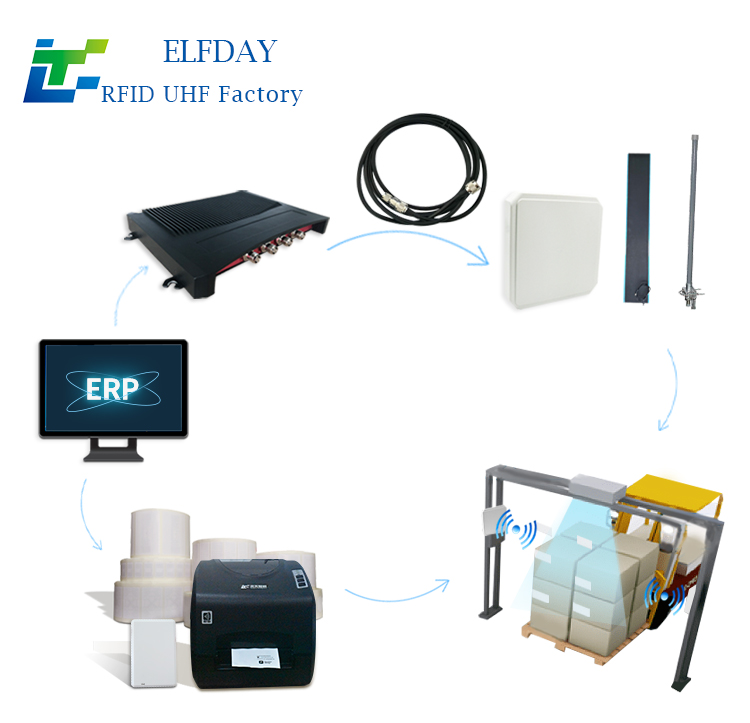
The basic process can be simple:
- An RFID sticker is attached to a fashion item.
- The item's unique RFID identity is associated with its inventory information.
- An RFID reader detects the tagged product.
- Inventory software receives the tag information.
- Staff can use the data to check stock and locate products more efficiently.
Faster Store Inventory Counts
One of the most useful applications of RFID stickers is inventory counting.
With traditional barcode scanning, employees may need to pick up or position individual products so the barcode can be read. When hundreds or thousands of items need to be counted, this process can take considerable time.
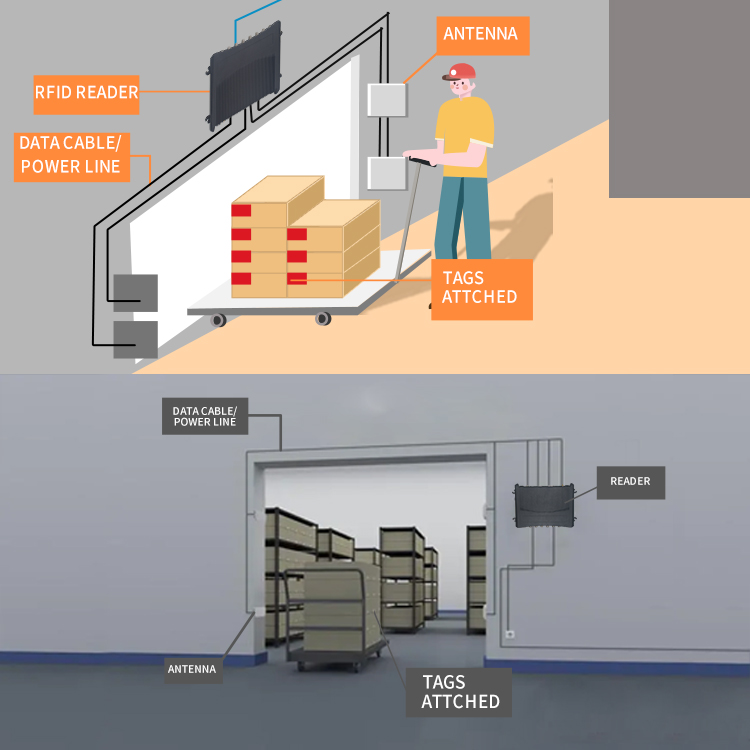
RFID readers can detect multiple tags within their reading range without requiring each item to be individually positioned for scanning. Employees can move through racks, shelves, storage areas, or stockrooms and collect inventory information more efficiently.
This can help fashion retailers:
- Speed up routine inventory checks
- Reduce manual counting work
- Identify missing or unexpected items
- Improve inventory accuracy
- Reduce disruption to normal store operations
The result is a more efficient approach to maintaining an accurate picture of store inventory.
Better Visibility Across the Store
Fashion retailers often have products distributed across different areas. Merchandise may be displayed on sales floors, stored in stockrooms, placed in fitting-room areas, or prepared for customer orders.
RFID stickers can help create better visibility of where tagged products are located within the inventory process.
For example, if a customer asks for a particular jacket in a specific size, employees can check available inventory information before manually searching through multiple racks or storage areas.
Better visibility can also help employees identify products that need to be moved from the stockroom to the sales floor.
Supporting Faster Replenishment
Keeping popular products available on the sales floor is an important part of fashion retail.
When inventory information is updated efficiently, employees can identify products that are running low and determine whether additional units are available in the stockroom. This can make replenishment decisions faster and help reduce situations where products remain in storage while customers cannot find them on the sales floor.
RFID stickers can therefore support a more responsive replenishment process.
Instead of relying only on visual checks, employees can use RFID-based inventory information to understand which products are available and where additional stock may be located.
Improving Omnichannel Order Fulfillment
Many fashion retailers now manage both physical stores and online sales. This creates additional inventory challenges because the same stock may need to support in-store customers, online orders, click-and-collect services, and returns.
Accurate item-level identification becomes increasingly valuable in this environment.
RFID stickers can help retailers identify individual products during picking and fulfillment. When an online order is received, staff can use RFID readers to locate and verify the required item before preparing it for shipment or customer collection.
This can help connect store inventory with online fulfillment processes and reduce errors caused by manual product identification.
Supporting Returns and Stock Updates
Returns are another area where inventory accuracy matters.
A returned garment may need to be inspected, identified, and returned to available inventory. If this process relies entirely on manual identification, updating stock records can take additional time.
With RFID stickers attached to individual products, employees can identify returned items more efficiently and connect them with existing inventory information.
This can help streamline the process from return inspection to restocking.
RFID Stickers for Clothing, Shoes, and Accessories
The flexibility of RFID stickers makes them suitable for many types of fashion merchandise.
Depending on the product and tag design, retailers can use RFID stickers or RFID-enabled labels for:
- Shirts and jackets
- Jeans and trousers
- Dresses
- Shoes
- Handbags
- Hats
- Belts
- Fashion accessories
- Packaged merchandise
- Seasonal collections
The sticker format can also be useful when retailers want a lightweight identification solution that can be integrated into existing product labeling processes.
What Retailers Should Consider When Choosing RFID Stickers
Not every RFID sticker is designed for the same application. Fashion retailers should consider several factors before selecting a tag.
Read performance: The RFID sticker should provide reliable reading performance for the intended store environment.
Size and appearance: Tags used on clothing and accessories should fit naturally with existing labels or packaging without negatively affecting the customer experience.
Adhesive: The adhesive should be suitable for the surface where the sticker will be applied.
Durability: If products will be handled frequently, the RFID sticker should be able to withstand normal retail handling.
RFID frequency: The selected tag should be compatible with the RFID readers and infrastructure used by the retailer.
Data integration: RFID identification becomes more valuable when tag information can be connected with inventory and retail management systems.
Building a More Efficient Fashion Inventory Process
RFID stickers are not simply replacements for traditional labels. Their greater value comes from connecting physical products with digital inventory information.
When integrated into a suitable RFID system, they can help fashion retailers identify merchandise faster, perform inventory checks more efficiently, support replenishment, and improve visibility across store operations.
For retailers managing large product ranges and frequent stock movement, even small improvements in inventory processes can make a meaningful difference. Faster identification means employees can spend less time manually counting products and more time supporting customers and managing the store.
RFID stickers can make fashion retail inventory management faster, more visible, and easier to scale. By giving individual products a unique digital identity, they allow retailers to identify merchandise more efficiently and reduce dependence on manual barcode scanning.
From routine inventory counts and stockroom management to replenishment, returns, and online order fulfillment, RFID stickers can support multiple stages of the retail workflow. For fashion businesses looking to improve item-level inventory visibility, RFID offers a practical technology for building a more efficient and connected inventory process.