



High Quality RFID Asset Tag for Automated Equipment Identification
Modern warehouses, factories, workshops, and distribution facilities often manage hundreds or even thousands of pieces of equipment. Machinery, tools, carts, maintenance equipment, and mobile assets can move between different work areas throughout the day, making it difficult to maintain accurate records through manual tracking alone.
A high quality rfid asset tag provides a practical way to give each piece of equipment a unique digital identity. When combined with RFID readers and asset management software, RFID technology can help businesses identify equipment more efficiently, check asset locations, simplify inspections, and maintain more accurate equipment records.
What Is an RFID Asset Tag for Equipment?
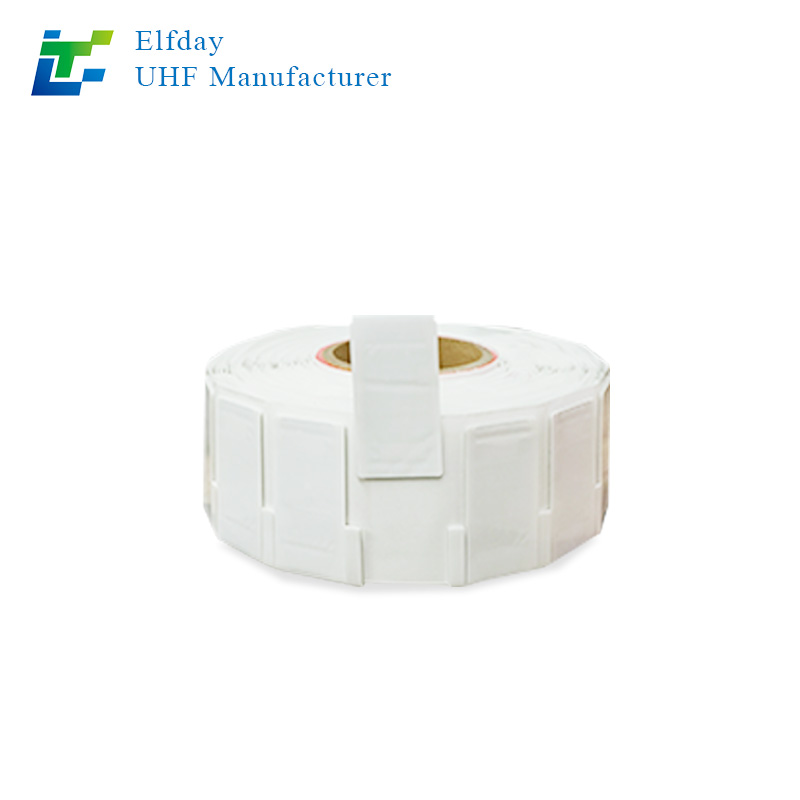
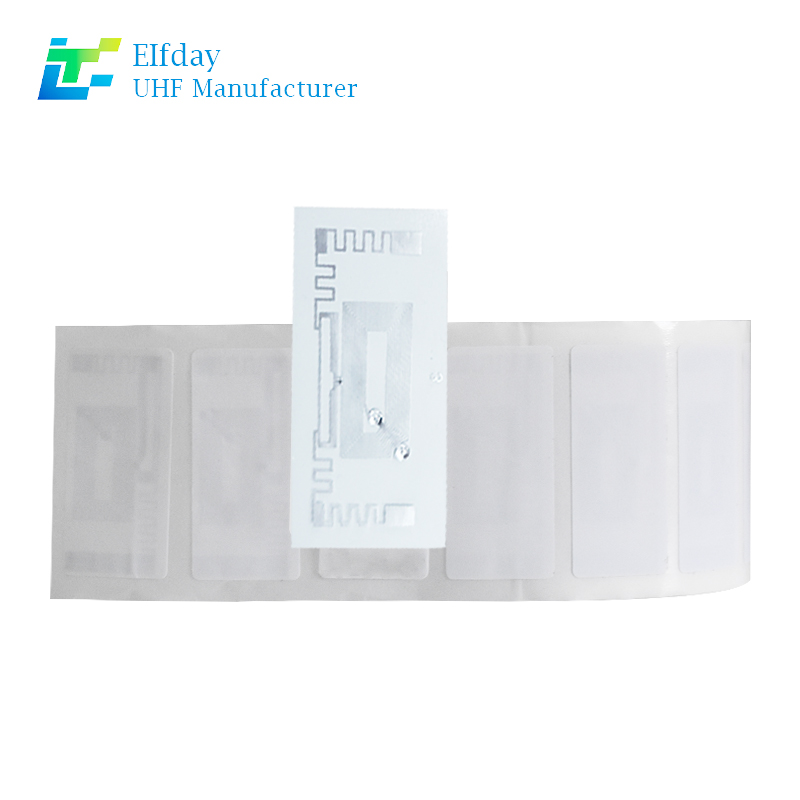
An RFID asset tag is a small identification device designed to be attached to a physical asset. The tag contains a unique identification number that can be associated with information about the corresponding equipment in a digital system.
For example, a business may assign an RFID tag to a power tool and link its unique ID with information such as:
- Equipment name and model
- Asset identification number
- Current status
- Assigned department
- Maintenance history
- Storage location
- Inspection records
When an RFID reader detects the tag, the system can identify the associated equipment without requiring employees to manually enter the asset number.
This creates a connection between physical equipment and digital asset records, making equipment management more organized and easier to maintain.
How a High Quality RFID Asset Tag Improves Equipment Identification
Traditional equipment identification often relies on printed labels, serial numbers, spreadsheets, or barcodes. These methods can work well for basic asset management, but they may require employees to visually locate and scan individual items.
A high quality rfid asset tag can make identification more efficient by allowing RFID readers to detect tags using radio-frequency communication.
Depending on the RFID system configuration, multiple tagged assets may be identified within a reading area. This can be useful when employees need to check a group of tools, carts, or pieces of equipment rather than handling each item separately.
For busy facilities, reducing repetitive identification tasks can save time and help employees focus on more important operational activities.
Tracking Machinery Across Different Areas
Large facilities often have machinery distributed across production lines, maintenance areas, warehouses, and other operational zones.
When equipment is moved frequently, manually updating its location can become difficult. An RFID asset tracking system can provide a more structured approach.
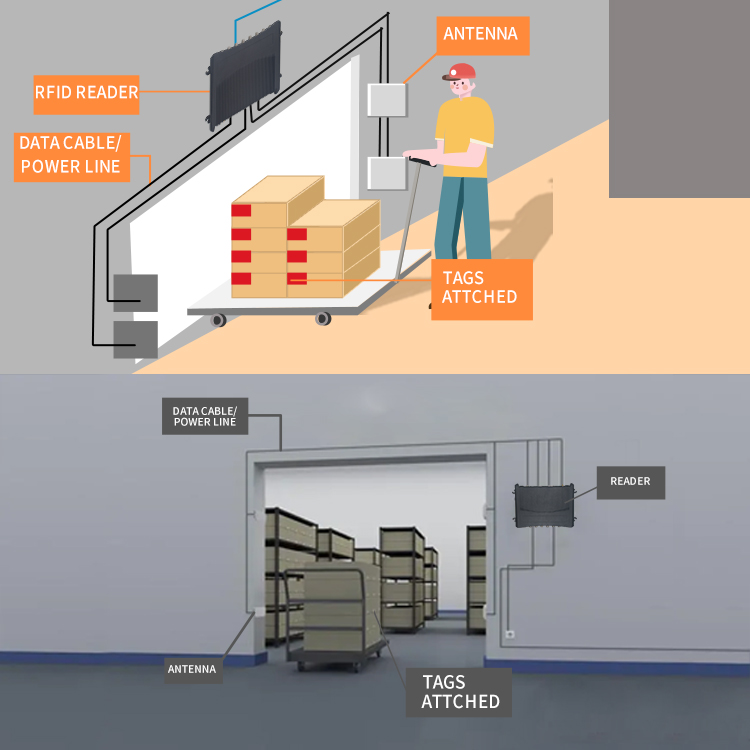
A high quality rfid asset tag can be attached to machinery and linked to its digital asset record. RFID readers installed at strategic locations can detect tagged equipment when it passes through specific areas.
This can help businesses improve visibility into equipment movement and determine whether an asset is located where it is expected to be.
RFID does not automatically provide precise real-time positioning in every application. Actual tracking accuracy depends on factors such as reader placement, antenna configuration, tag design, and the physical environment. However, a properly designed RFID system can provide valuable location and movement information.
Simplifying Tool Management
Tools are among the most frequently moved assets in industrial facilities and workshops. Hand tools, power tools, testing equipment, and maintenance tools can move between storage rooms, workstations, production areas, and service locations.
Without an efficient tracking system, employees may spend unnecessary time looking for a specific tool.
RFID can help create a more organized tool management process.
Each tool can be assigned a unique RFID identity. When employees use an RFID reader to check an area, the system can identify tagged tools within its reading range.
This can support routine activities such as:
- Tool inventory checks
- Equipment audits
- Tool location verification
- Maintenance tracking
- Missing asset identification
- Department-level asset management
A high quality rfid asset tag can therefore become an important part of a tool tracking solution, particularly where large numbers of reusable tools need to be managed.
Improving Cart and Mobile Equipment Tracking
Carts, racks, trolleys, and other mobile equipment can be difficult to manage because they frequently move between different areas.
For example, manufacturing facilities may use carts to transport components between production lines and storage areas. Warehouses may use mobile carts to move products between receiving, picking, and shipping zones.
Attaching an RFID asset tag to each cart gives every unit a unique identity.
As carts move through RFID reading points, the system can record identification events and provide a clearer view of asset movement.
This can help reduce situations where employees cannot locate a required cart or equipment unit when it is needed.
Faster Equipment Inspections
Regular inspections are an important part of equipment management. However, inspection teams may need to verify a large number of assets during routine checks.
RFID can simplify the identification stage of this process.
When an inspector uses an RFID reader, tagged equipment can be identified quickly. The system can then connect the equipment ID with its inspection record.
For example, an inspection workflow could include:
- Identify the equipment using its RFID tag.
- Retrieve the corresponding asset record.
- Check the equipment condition.
- Record inspection results.
- Schedule maintenance if necessary.
- Update the digital asset history.
This approach can reduce manual data entry and help create more consistent equipment records.
Choosing a High Quality RFID Asset Tag
Selecting the right RFID tag is important because equipment can be used in very different environments.
A tag designed for office assets may not be suitable for industrial machinery or metal equipment. Before choosing a high quality rfid asset tag, businesses should consider several factors.
Mounting Surface
The surface where the RFID tag will be installed can significantly affect RFID performance.
Metal equipment, machinery, and tools may require tags specifically designed for metal surfaces. Selecting the correct tag design can help maintain reliable communication between the tag and RFID reader.
Operating Environment
Equipment may be exposed to dust, moisture, vibration, impacts, chemicals, temperature changes, or frequent handling.
The RFID tag should be able to withstand the conditions of its intended application.
Tag Size
The available mounting area can vary significantly between equipment types. Smaller tools may require compact RFID tags, while larger machinery may have enough space for larger tag designs.
Read Requirements
The required reading distance depends on how the RFID system will be used.
A handheld reader may be suitable for equipment inspections, while fixed readers may be more appropriate for automated identification at entrances, exits, or production areas.
Testing RFID tags in the actual operating environment is an important step before large-scale deployment.
RFID Equipment Identification vs. Barcode Tracking
Barcodes remain a popular solution for equipment identification because they are simple and relatively inexpensive. However, RFID can offer advantages in applications where employees need to identify multiple assets or where direct visual scanning is inconvenient.
A barcode generally needs to be visible to the scanner. RFID tags can potentially be detected without direct line-of-sight, depending on the tag, reader, environment, and system design.
RFID can also support the identification of multiple tags within a reading area, which may reduce the amount of manual scanning required during equipment audits.
For this reason, RFID can be particularly useful for facilities with large numbers of mobile or reusable assets.
Applications Across Different Industries
A high quality rfid asset tag can be used in a wide range of environments.
Manufacturing
Manufacturers can use RFID tags to identify production machinery, tools, carts, fixtures, and maintenance equipment.
Warehousing
Warehouses can track material-handling equipment, carts, reusable containers, and other operational assets.
Automotive Production
Automotive facilities can use RFID to identify tools, equipment, racks, fixtures, and production-related assets across different areas.
Construction
Construction companies can use RFID tags to manage tools, equipment, machinery, and reusable assets across job sites and storage facilities.
Maintenance Operations
Maintenance departments can use RFID to identify service tools, inspection equipment, replacement equipment, and other assets.
The specific RFID tag design should always be selected according to the physical environment and the requirements of the application.
Building a More Efficient Equipment Management Process
RFID is most valuable when it becomes part of a broader asset management workflow rather than being used only as an identification technology.
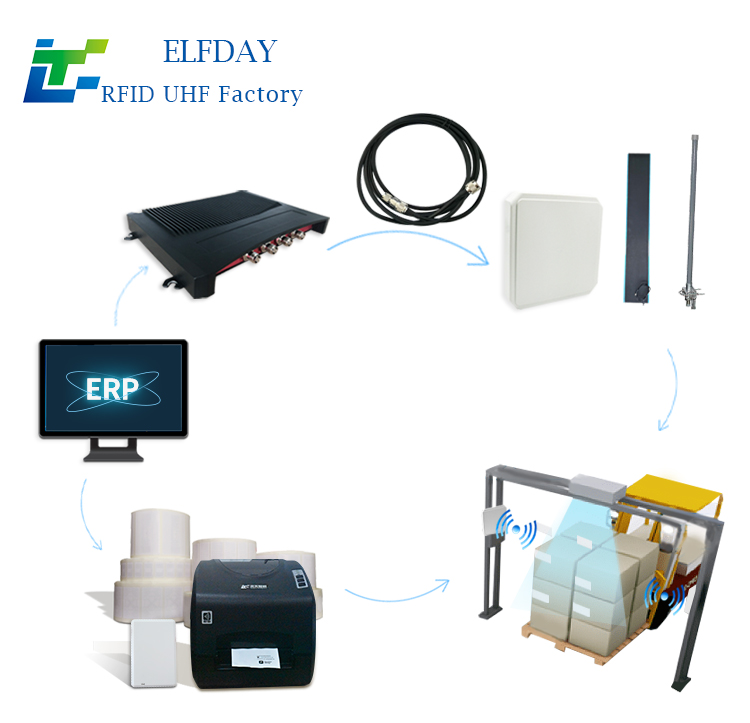
A typical equipment tracking system may combine:
RFID asset tags — Provide each physical asset with a unique identity.
RFID readers — Detect and capture tag information.
Antennas — Help establish suitable RFID reading zones.
Asset management software — Stores equipment information and identification records.
Digital workflows — Support inspections, maintenance, inventory checks, and asset movement tracking.
Together, these components can create a more connected equipment management process.
A high quality rfid asset tag provides an efficient way to identify machinery, tools, carts, and other equipment across busy facilities. By giving each asset a unique digital identity, businesses can connect physical equipment with digital records and improve overall asset visibility.
When RFID readers and asset management software are properly configured, RFID technology can support faster equipment identification, simpler inspections, more efficient inventory checks, and better equipment records.
For businesses managing large numbers of mobile or reusable assets, choosing the right RFID tag design is essential. Factors such as mounting surface, durability, operating environment, tag size, and required reading distance should all be considered before deployment.
With the right combination of RFID tags, readers, and asset management processes, equipment identification can become faster, more consistent, and easier to manage.