



RFID Tags Grocery Stores Use for Smarter Fresh Food Tracking
Managing fresh food inventory is more challenging than managing many types of shelf-stable products. Packaged meat, dairy products, prepared foods, chilled meals, and other refrigerated items can move quickly between receiving areas, cold storage, preparation areas, and store shelves. At the same time, grocery stores need accurate information about what products are available and where they are located.
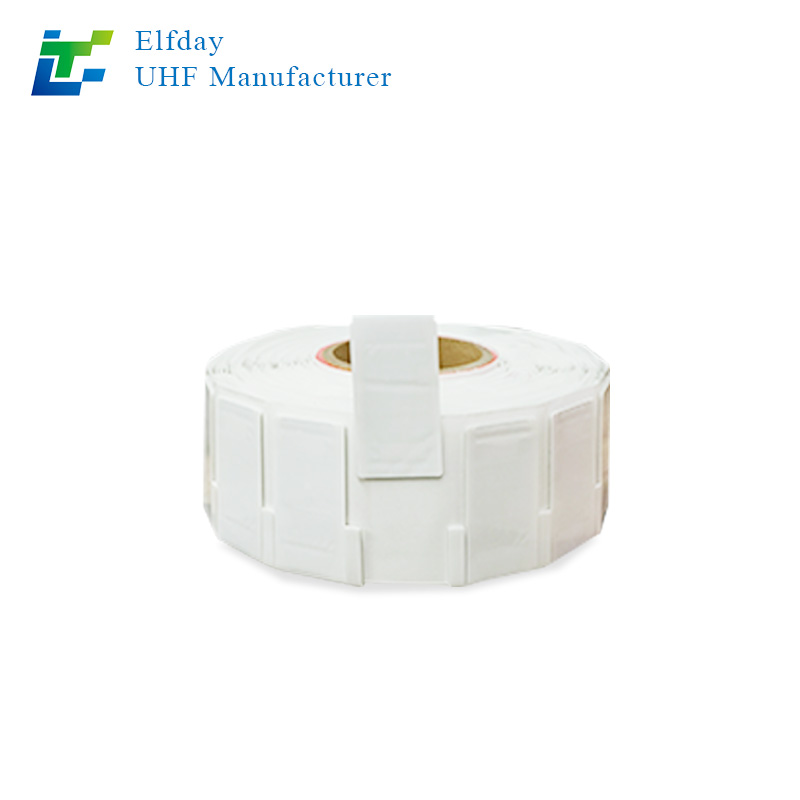
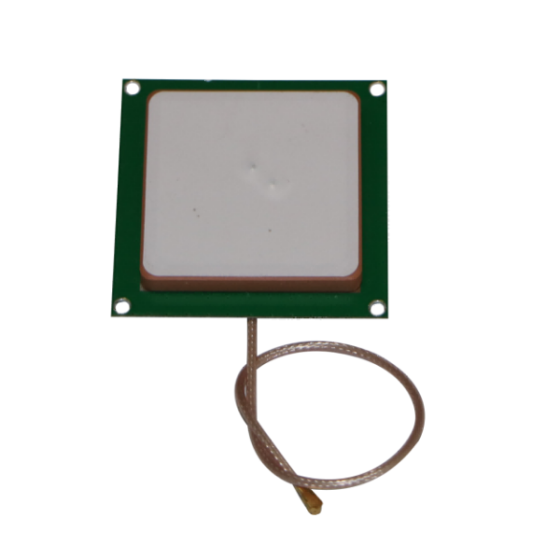
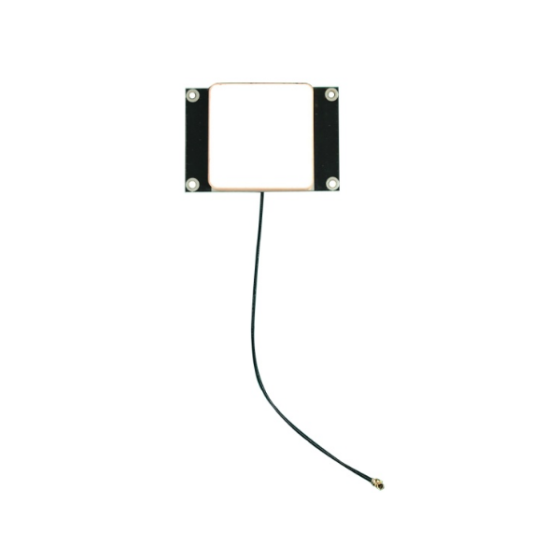
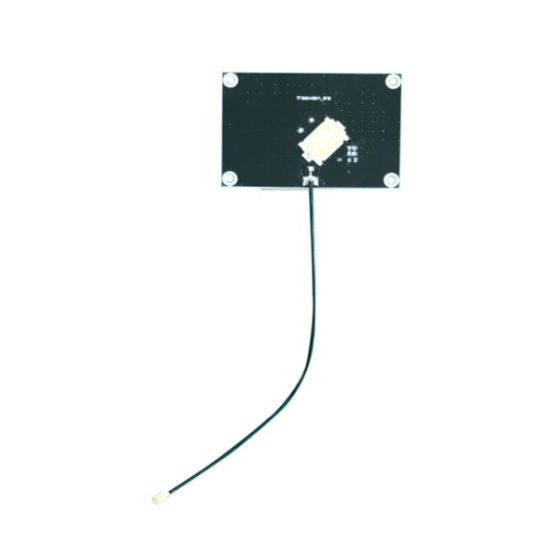
This is one area where rfid tags grocery stores can provide useful support. RFID tags can give fresh food products, packages, cases, or reusable containers a unique digital identity. When combined with RFID readers, they allow store employees to identify multiple tagged items efficiently and improve visibility as products move through different areas of the store.
Why Fresh Food Tracking Can Be Difficult
Fresh food departments often deal with frequent product movement and relatively short inventory cycles.
A typical product may arrive at a receiving dock, move into refrigerated storage, and later be transferred to a sales display. Prepared foods may also move between preparation areas, cold rooms, display cases, and other locations throughout the day.
When inventory information depends heavily on manual checks, it can be difficult to maintain an accurate picture of product movement.
Employees may need to count products, check storage areas, update records, and verify shelf inventory. These tasks become more demanding in busy stores where products are constantly being received and replenished.
RFID provides a way to automate part of the identification process.
How RFID Tags Grocery Stores Use Can Track Fresh Products
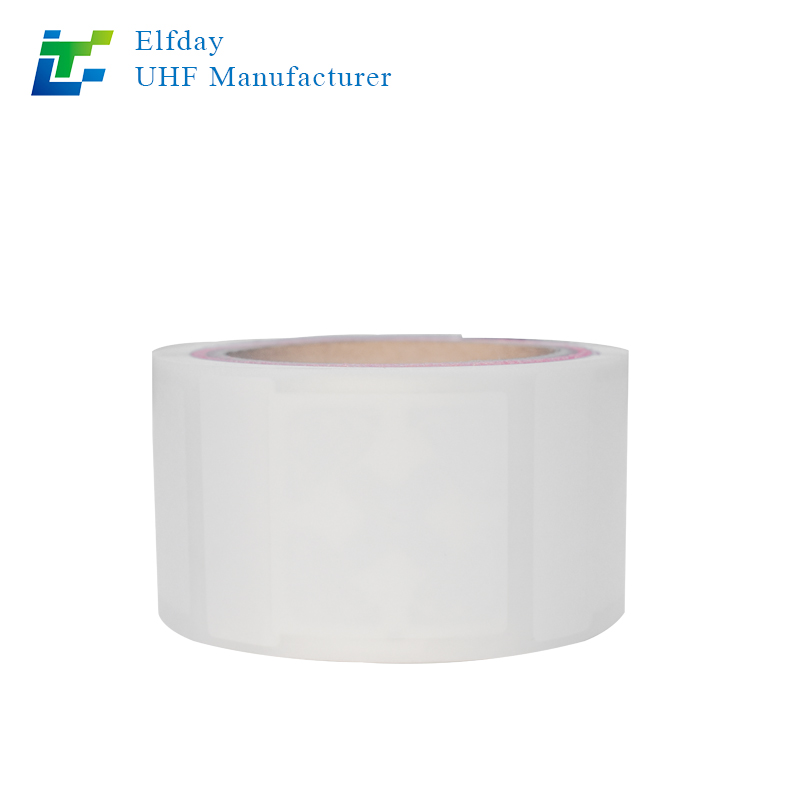
The basic RFID process starts with attaching a suitable RFID tag to a product, package, case, tray, or other item.
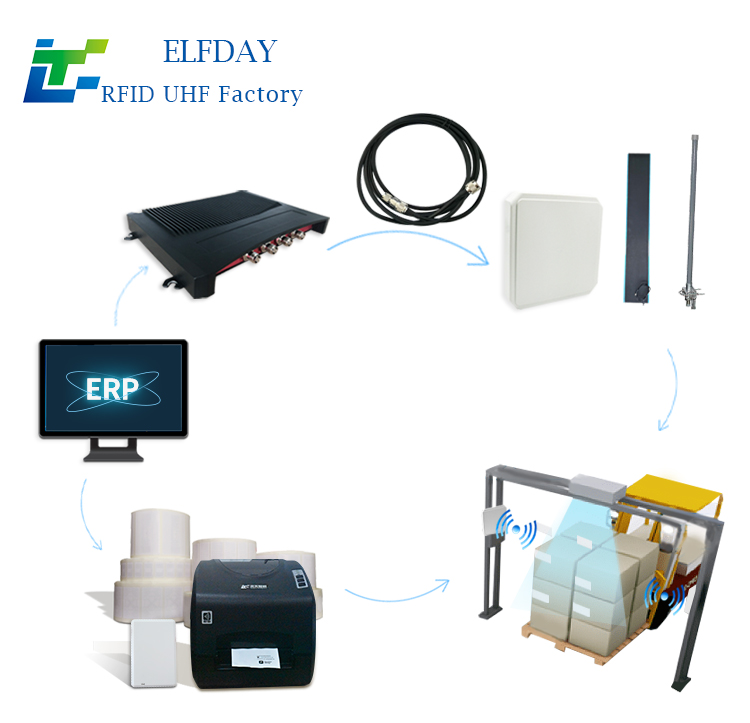
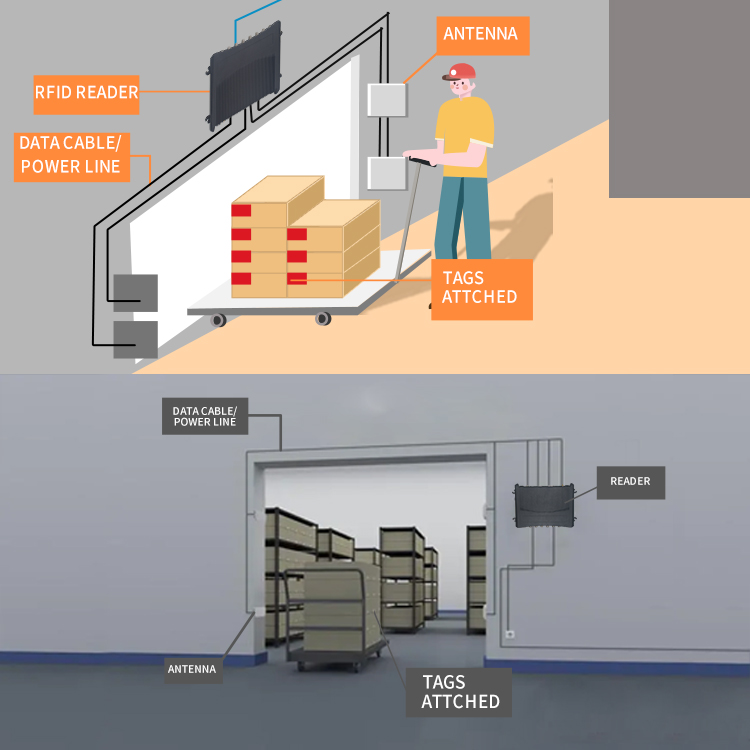
Each tag can contain a unique identification number. When an RFID reader sends a radio signal, compatible tags within the reading area can respond with their stored identification information.
Unlike traditional barcode scanning, RFID does not generally require the reader to have a direct line of sight to each individual tag.
This means employees can potentially identify several tagged products more efficiently during inventory checks or product movement operations.
For fresh food departments, this can be useful when many similar products are stored together in refrigerated areas.
Tracking Packaged Meat More Efficiently
Packaged meat is one example where inventory visibility can be important.
Products may move from receiving areas to refrigerated storage and then to display cases. Throughout this process, employees need to know what inventory is available and where products are located.
RFID tags grocery stores use for packaged meat can provide individual or package-level identification, depending on the store's tracking requirements.
When RFID readers are used at appropriate points, employees can capture information about tagged products without manually scanning every barcode. This can simplify inventory checks and provide a clearer picture of stock movement.
For larger meat departments, even small improvements in identification speed can make routine inventory tasks easier to manage.
Improving Dairy Product Visibility
Dairy products such as milk, yogurt, cheese, butter, and other refrigerated goods often require frequent stock checks.
Products can move quickly from storage areas to shelves, while replenishment may occur several times during a day.
Using rfid tags grocery stores can improve the visibility of tagged dairy inventory across different locations. Employees may use RFID readers to check products in refrigerated storage and determine what stock is available before replenishing shelves.
This can reduce unnecessary searching and help staff locate products more efficiently.
Tracking Prepared Foods
Prepared foods create another interesting RFID application.
Ready-to-eat meals, packaged salads, sandwiches, deli products, and other prepared foods can move through several stages before reaching customers. Depending on store operations, these items may be prepared, packaged, refrigerated, transferred, displayed, and eventually removed from inventory.
RFID identification can help connect physical products with digital inventory records during these steps.
Instead of relying entirely on manual counting, employees can use RFID readers to identify tagged products in selected areas. This can make it easier to monitor product movement and maintain more consistent inventory information.
Connecting Refrigerated Storage With Sales Areas
One of the biggest benefits of RFID is improved visibility between different inventory locations.
A product can exist in the store's inventory but not necessarily be available on the sales floor. For example, additional units may still be stored in a refrigerated backroom.
With suitable RFID infrastructure, employees can check tagged products in storage areas and determine what inventory is available for replenishment.
This can help create a better connection between refrigerated storage and sales areas.
When staff have more accurate information about available products, they can spend less time searching for inventory and more time keeping displays properly stocked.
Supporting Faster Stock Checks
Fresh food departments often require regular inventory checks because products move frequently.
Manual counting can be repetitive, especially when employees need to check multiple refrigerated areas.
RFID tags grocery stores use can help speed up these checks by allowing RFID readers to capture information from multiple tags during a reading session.
The exact reading performance depends on factors such as tag design, reader type, tag placement, product packaging, and the surrounding environment. Nevertheless, RFID can reduce the need for item-by-item barcode scanning in suitable applications.
This makes it a practical technology for stores looking to improve the efficiency of routine inventory processes.
Handling Challenging Refrigerated Environments
Fresh food applications can present unique challenges for RFID.
Many grocery products contain liquids, high-moisture materials, or metal packaging. These materials can affect RFID performance and may influence the choice of tag and placement.
For this reason, stores should select tags based on the actual product and operating environment rather than assuming one tag design will work for every application.
Testing is particularly important for refrigerated products. Temperature, condensation, packaging materials, and product density can all influence RFID reading performance.
Choosing the right tag design and installation method can help achieve more reliable identification.
Beyond Individual Food Products
RFID does not have to be limited to individual food packages.
Grocery stores can also consider RFID identification for reusable trays, crates, totes, containers, carts, and other assets used to move fresh food.
For example, reusable containers can be tagged and tracked as they move between receiving areas, preparation departments, refrigerated storage, and sales areas.
This can provide additional visibility into the movement of reusable assets while supporting more organized fresh food operations.
Improving Fresh Food Inventory Management
The value of RFID is not simply about replacing barcode scanning.
The bigger opportunity is creating a more connected inventory process.
When rfid tags grocery stores use are integrated with inventory management software, tag information can be associated with product records. This can help businesses understand where tagged products are located and how inventory moves between different areas.
Better information can support everyday decisions such as:
- When should shelves be replenished?
- How much fresh food is currently in storage?
- Which products are available in refrigerated backrooms?
- Where has inventory been moved?
- Does physical stock match inventory records?
These insights can help employees manage fresh food more efficiently.
A Smarter Approach to Fresh Food Tracking
Fresh food management requires speed, accuracy, and visibility. Products can move through multiple areas of a grocery store within a short period, making manual tracking increasingly difficult as operations become larger and more complex.
RFID tags grocery stores use can provide a practical way to give fresh food products and related assets digital identities. With appropriate RFID readers and software, stores can identify products more efficiently, monitor movement between refrigerated storage and sales areas, and improve inventory visibility.
The most effective RFID applications are usually designed around specific operational needs. By selecting suitable tags, readers, and placement strategies, grocery stores can build an RFID workflow that complements existing inventory processes.
For fresh food departments, better product visibility can ultimately mean less time spent searching and counting, and more time focused on keeping inventory organized and products available to customers.