



How Does an RFID Tag Work? Understanding RFID Technology
An RFID tag works by using radio frequency signals to communicate with an RFID reader and provide identification data. Depending on the type of RFID tag, the tag either receives energy from the reader or uses its own battery to power the communication process.
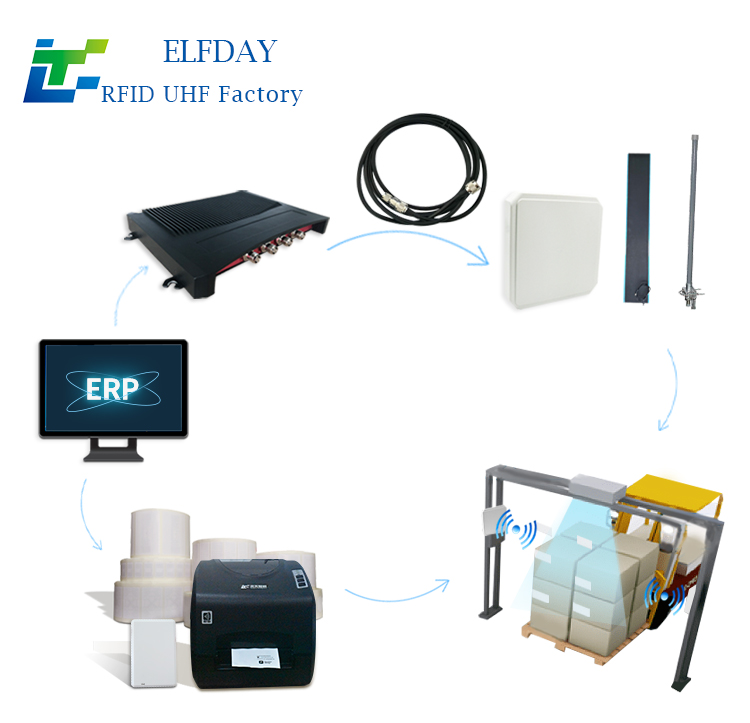
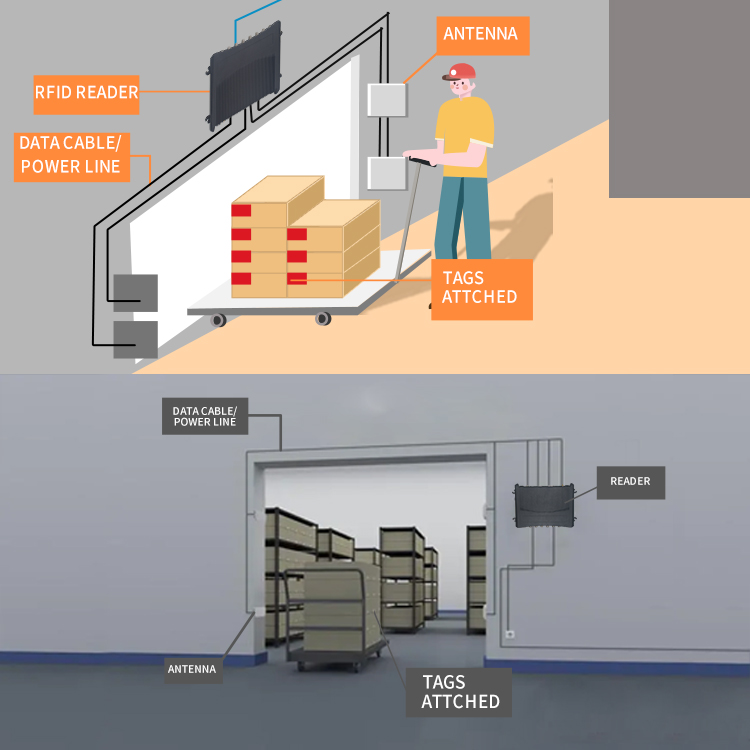
A basic RFID system consists of an RFID tag, RFID reader, reader antenna, and software. The tag is attached to an object, the reader sends and receives radio signals, and the software processes the identification data.
Unlike a barcode, an RFID tag can usually be identified without direct line of sight. This makes RFID technology useful for applications such as inventory management, warehouse tracking, manufacturing, logistics, retail, asset management, and supply chain operations.
This guide explains how RFID tags work step by step and what factors affect RFID tag performance.
How Does an RFID Tag Work?
The basic RFID communication process can be summarized as:
RFID Reader → Radio Signal → RFID Tag → RFID Chip → Response Signal → RFID Reader → Software
The exact communication method varies according to the RFID frequency and tag type, but the basic principle remains the same.
When an RFID reader sends a radio frequency signal, a compatible RFID tag within the operating area detects the signal. The RFID chip processes the reader's request and sends identification information back to the reader.
The reader then transfers the captured information to an RFID software system or database.
This allows a physical object to be connected with digital information.
What Are the Main Components of an RFID Tag?
A typical RFID tag contains several important components.
RFID Chip
The RFID chip is the electronic component responsible for storing and processing information.
Depending on the chip design, it may contain:
-
A unique identification number
-
User memory
-
Security features
-
Communication circuitry
-
Memory for application-specific data
For many RFID applications, the unique identification number is the most important piece of information.
The RFID system can use this identifier to connect the physical item with information stored in a database.
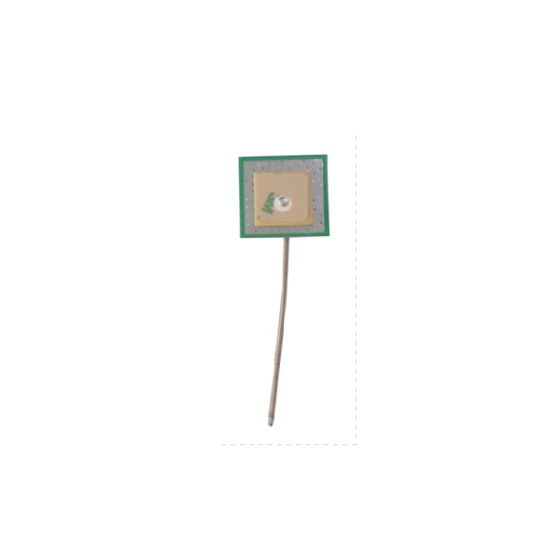
RFID Antenna
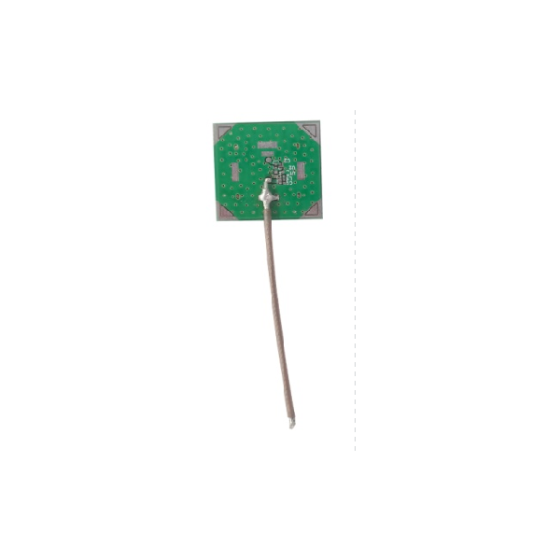
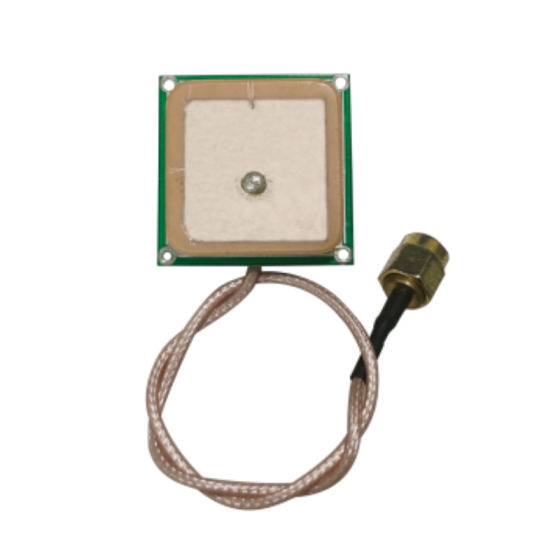
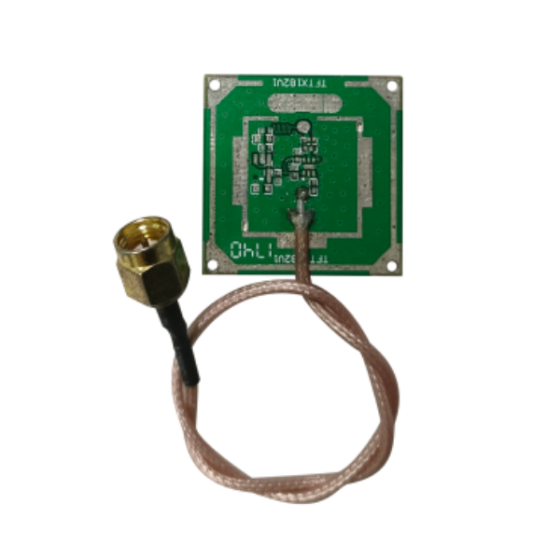
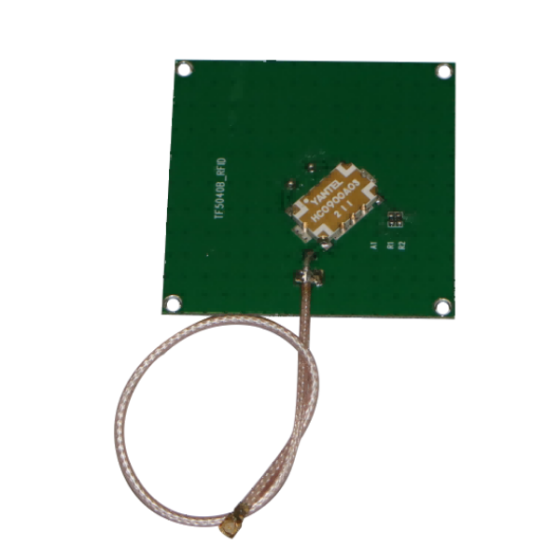
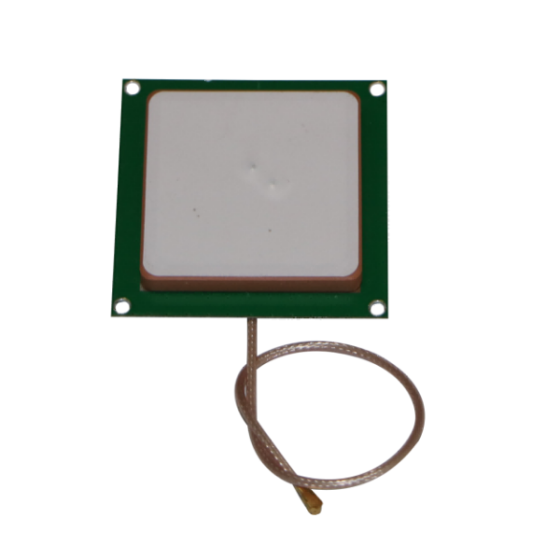
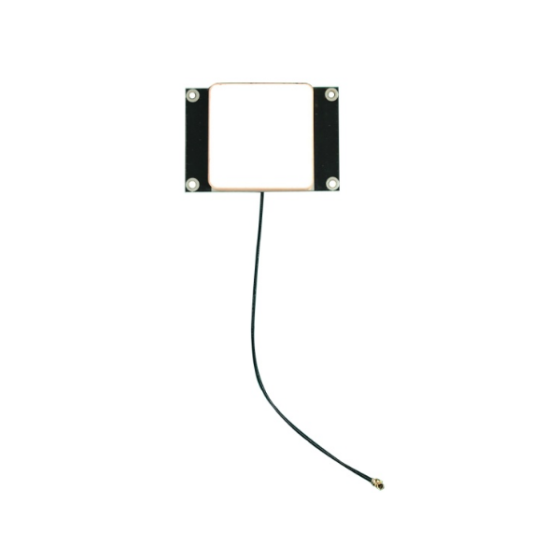
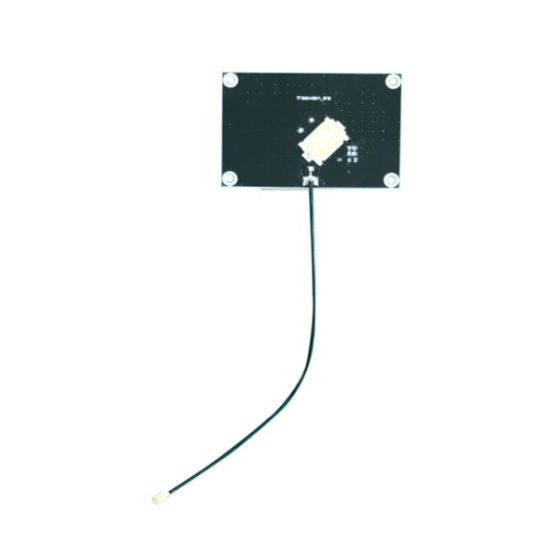
The RFID antenna allows the tag to communicate with the RFID reader.
The antenna receives radio frequency energy and signals from the reader and enables the tag to transmit information back.
Antenna design has a significant influence on RFID tag performance.
Factors such as antenna size, shape, material, frequency, orientation, and the surface where the tag is installed can affect the communication range and reliability.
Substrate or Inlay
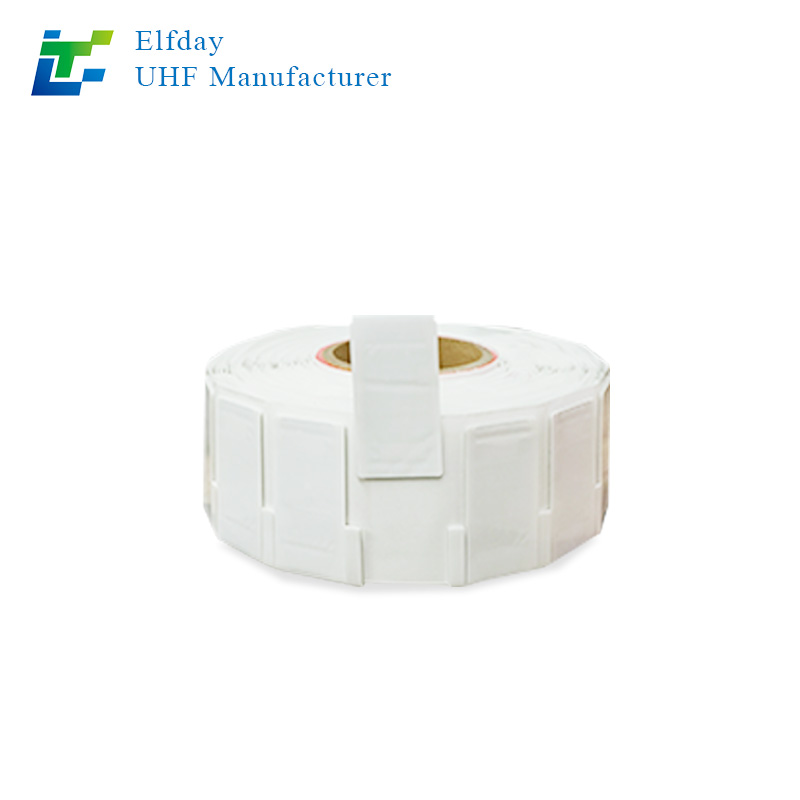
In many RFID tags, the RFID chip and antenna are mounted on an RFID inlay.
The inlay can then be integrated into different tag constructions.
For example, an RFID inlay may be placed inside:
-
Paper labels
-
Plastic cards
-
Industrial housings
-
Silicone products
-
Laundry tags
-
Asset tags
-
On-metal RFID tags
The final tag construction is selected according to the application.
How Does a Passive RFID Tag Work?
A passive RFID tag does not have its own battery.
Instead, it receives energy from the radio frequency field generated by the RFID reader.
The process generally works as follows.
Step 1: The Reader Generates a Radio Frequency Field
The RFID reader activates its antenna and transmits a radio frequency signal.
This creates an electromagnetic field around the reader antenna.
Step 2: The RFID Tag Enters the Field
When a passive RFID tag enters the reader's operating area, its antenna detects the RF signal.
The amount of energy received by the tag depends on factors such as distance, antenna design, reader power, tag orientation, and the surrounding environment.
Step 3: The Tag Uses the Received Energy
The RFID tag's antenna captures energy from the reader's signal.
The tag's electronic circuit uses this energy to activate the RFID chip.
Unlike a battery-powered device, a passive tag only becomes active when it receives sufficient energy from the reader.
Step 4: The RFID Chip Processes the Signal
Once powered, the RFID chip processes the communication from the reader.
The reader may request identification data or other information stored in the tag's memory.
Step 5: The Tag Sends Data Back
The RFID tag communicates its information back to the reader.
In UHF RFID systems, passive tags commonly use a technique called backscatter to communicate with the reader.
The tag changes the way it interacts with the incoming RF signal, allowing the reader to detect the response.
Step 6: The Reader Processes the Tag Information
The RFID reader receives the tag response and converts it into usable digital information.
The information can then be sent to an RFID middleware platform, inventory management system, warehouse management system, or another business application.
How Does an Active RFID Tag Work?
An active RFID tag contains its own battery.
Because the tag has an independent power source, it does not rely entirely on energy from the RFID reader.
Depending on the system design, an active RFID tag may support:
-
Longer communication ranges
-
Periodic or continuous transmissions
-
Additional sensors
-
More advanced monitoring functions
Active RFID tags can be considered for applications involving high-value assets, equipment monitoring, location tracking, and other situations where battery-powered functionality is beneficial.
The trade-off is that active tags are generally larger and more complex than passive RFID tags, and their batteries eventually require replacement or recharging.
What Is Backscatter in RFID?
Backscatter is an important communication principle used by many passive UHF RFID systems.
Instead of generating a strong radio signal of its own, the passive RFID tag modifies or reflects the incoming signal from the reader.
The RFID reader continuously sends an RF signal toward the tag.
The tag changes its electrical characteristics in a controlled way. These changes affect the reflected signal.
The reader detects those changes and interprets them as data.
A simplified version of the process is:
Reader transmits → Tag receives energy → Tag changes its response → Reader detects backscatter → Reader decodes data
This allows a passive RFID tag to communicate without requiring an internal battery.
How Does an RFID Reader Detect Multiple RFID Tags?
One of the major advantages of RFID technology is that a reader can potentially identify multiple tags within its operating area.
For example, imagine a warehouse receiving a pallet containing many tagged cartons.
Instead of scanning every barcode individually, an RFID reader can communicate with multiple RFID tags in its read zone.
RFID systems use communication protocols designed to manage multiple tags and reduce collisions between responses.
This capability can make RFID particularly useful for:
-
Inventory counting
-
Warehouse receiving
-
Retail stock checks
-
Pallet identification
-
Carton tracking
-
Asset management
However, actual performance depends on the reader, tags, environment, tag placement, and system configuration.
Does an RFID Tag Need Line of Sight?
Generally, an RFID tag does not require direct line of sight to the reader.
This is one of the key differences between RFID and traditional barcode scanning.
A barcode scanner normally needs to visually detect the barcode. RFID communication, however, uses radio frequency signals.
This means an RFID tag may be identified even when it is:
-
Inside a box
-
Behind another object
-
Attached to a pallet
-
Covered by packaging
-
Embedded in a product
However, RFID signals are not unaffected by physical materials.
Metal and liquids, for example, can significantly influence RFID performance, especially for certain UHF applications.
Therefore, “no line of sight required” does not mean that RFID can reliably read every tag through every material.
How Do Different RFID Frequencies Affect Tag Operation?
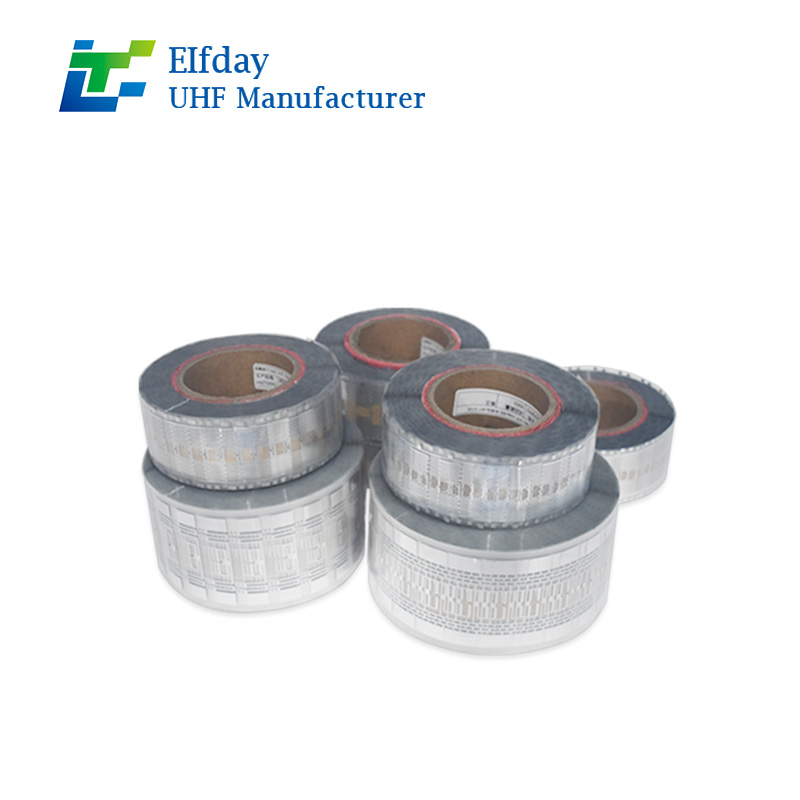
RFID tags operate at different frequency ranges, and frequency has a major impact on how an RFID system behaves.
LF RFID
Low-frequency RFID generally operates around 125–134 kHz.
LF systems are commonly associated with applications such as animal identification and certain specialized access or identification systems.
HF RFID
High-frequency RFID typically operates at 13.56 MHz.
HF RFID is commonly used in applications such as:
-
Libraries
-
Access control
-
Ticketing
-
Healthcare
-
NFC-related applications
UHF RFID
UHF RFID operates at higher frequencies and is widely used for longer-range identification and high-speed item tracking.
Common UHF RFID applications include:
-
Warehouse inventory
-
Retail
-
Logistics
-
Pallet tracking
-
Asset tracking
-
Manufacturing
-
Supply chain management
The frequency should be selected according to the application's required read range, materials, tag placement, reader infrastructure, and operating environment.
What Determines RFID Tag Read Range?
RFID tag read range is not determined by the tag alone.
Several factors work together to determine how far an RFID reader can reliably identify a tag.
RFID Frequency
Different frequency ranges have different propagation characteristics.
UHF RFID is commonly selected when longer read distances are required.
RFID Antenna Design
The tag antenna has a major influence on how efficiently the tag communicates with the reader.
Larger or application-specific antennas can sometimes provide different performance characteristics from compact antenna designs.
RFID Reader
Reader output power, sensitivity, antenna configuration, and system settings can affect the achievable read range.
Tag Orientation
The orientation between the RFID tag antenna and reader antenna can significantly affect performance.
A tag that performs well in one orientation may perform differently when rotated.
Tagged Material
The material surrounding an RFID tag is extremely important.
Metal can interfere with certain RFID tag designs, while liquids can absorb or affect RF energy.
For these applications, specialized tag designs may be necessary.
Environment
Walls, machinery, other tagged objects, electromagnetic interference, and the overall installation environment can affect RFID performance.
For this reason, RFID tag testing should ideally be performed in the actual environment where the system will operate.
How Does an RFID Tag Store Data?
The RFID chip contains memory that can store identification or application-specific information.
However, an RFID system does not necessarily need to store all product information directly on the tag.
A common approach is to use the tag as a unique identifier.
For example:
EPC: 123456789 → Product Database → Product A → Warehouse B → Inventory Status
In this structure, the RFID tag contains a unique ID while the business software stores the detailed information.
This approach can make it easier to manage large amounts of product and asset information without requiring extensive memory on every RFID tag.
Can an RFID Tag Be Rewritten?
Some RFID tags contain writable memory.
Depending on the RFID chip and system configuration, information may be written to or updated on the tag.
For example, a manufacturing application could potentially update information associated with a product as it moves through different production stages.
However, not every RFID tag supports the same memory functions.
When selecting an RFID tag, businesses should verify:
-
Available memory
-
Read/write capability
-
Memory organization
-
Data retention
-
Security features
-
Required encoding method
What Happens When an RFID Tag Is Attached to Metal?
Metal can create challenges for RFID communication.
When a standard RFID tag is placed directly on a metal surface, the metal can affect the antenna's electrical characteristics and interfere with the RF field.
As a result, the tag may have:
-
Reduced read range
-
Unstable communication
-
Poor read rates
-
Significant changes in performance
For metal assets, on-metal RFID tags are designed with structures that help the antenna operate more effectively when mounted on metal.
These tags are commonly used for:
-
Machinery
-
Tools
-
Metal containers
-
Automotive components
-
Industrial equipment
-
Steel pallets
-
IT equipment
The actual performance should still be tested on the target metal surface.
What Happens When an RFID Tag Is Near Liquid?
Liquids can also affect RFID communication, particularly in UHF RFID applications.
Water and other liquids can absorb RF energy, potentially reducing communication performance.
This means an RFID tag that performs well on a cardboard box may behave differently when attached directly to a liquid-filled container.
For applications involving liquids, it is important to select a suitable tag design and test it with the actual product and packaging.
Why Does RFID Tag Placement Matter?
Tag placement can have a significant effect on RFID performance.
Two identical RFID tags may produce different results simply because they are installed differently.
Important considerations include:
-
Tag orientation
-
Distance from metal
-
Distance from liquids
-
Nearby materials
-
Mounting position
-
Reader antenna direction
-
Tag-to-reader distance
For industrial or high-volume deployments, tag placement should be included in system testing before implementation.
RFID Tag Communication: A Simple Example
Consider a warehouse using UHF RFID tags to track cartons.
Each carton receives an RFID tag with a unique identifier.
When the cartons pass through an RFID reader zone:
-
The reader transmits RF energy.
-
The tags receive the signal.
-
Passive tags obtain energy from the reader field.
-
The RFID chips process the reader's request.
-
The tags respond using backscatter.
-
The reader receives the responses.
-
The system identifies the cartons.
-
The warehouse software updates the inventory information.
The process can happen without employees manually scanning each carton.
This is one reason RFID can improve the efficiency of automated identification processes.
RFID Tag vs Barcode: How the Technology Works Differently
RFID and barcode technologies both provide identification, but the underlying communication methods are different.
A barcode stores information in a visual pattern that must be optically scanned.
An RFID tag stores information electronically and communicates using radio frequency signals.
This difference gives RFID several potential advantages in automated environments, including:
-
No direct line of sight in many applications
-
Potential for multiple-tag identification
-
Electronic data storage
-
Automated reading
-
Tag designs suitable for challenging environments
However, RFID is not automatically better for every application. Cost, infrastructure, product materials, read requirements, and operating conditions should all be considered.
What Is Needed to Build an RFID System?
An RFID tag cannot provide a complete tracking solution by itself.
A typical RFID system may include:
RFID Tags
Tags provide unique digital identities for physical objects.
RFID Readers
Readers communicate with RFID tags and capture their information.
RFID Antennas
Antennas transmit and receive RF signals between readers and tags.
RFID Software
Software processes tag information and connects RFID data with business applications.
Database or Enterprise System
Business systems can store and manage information associated with RFID tag IDs.
Depending on the application, an RFID deployment may also include gateways, sensors, networks, handheld readers, fixed readers, and other equipment.
How to Choose an RFID Tag Based on How It Works
Understanding RFID communication is important when selecting a tag.
Start by asking:
What needs to be identified?
Then consider:
Where will the tag be installed?
Next:
What material will the tag be attached to?
Then determine:
How far away does the reader need to detect the tag?
Finally:
What environmental conditions will the tag experience?
For example:
-
Cardboard products may use standard RFID labels.
-
Metal equipment may require on-metal RFID tags.
-
Reusable industrial assets may require rugged RFID tags.
-
Textile products may require flexible or washable RFID tags.
-
Retail products may use compact UHF RFID labels.
-
Animal identification may require specialized RFID tag designs.
The correct RFID tag is therefore determined by the complete application, not simply by choosing the tag with the longest advertised read range.
Frequently Asked Questions About How RFID Tags Work
How does an RFID tag work without a battery?
A passive RFID tag receives energy from the RF signal transmitted by the RFID reader. The tag uses that energy to activate its chip and communicate information back to the reader.
Does an RFID tag transmit continuously?
A passive RFID tag generally does not continuously transmit on its own. It responds when activated and queried by a compatible RFID reader.
How does an RFID reader power a passive tag?
The reader generates an RF field. When a passive tag enters the field, its antenna captures part of that energy and uses it to power the tag's electronic circuit.
How does a passive RFID tag send data back?
Passive UHF RFID tags commonly use backscatter communication. The tag changes how it reflects the reader's RF signal, and the reader detects these changes as data.
Can an RFID reader read multiple tags at once?
Yes. RFID systems can use communication protocols that allow a reader to identify multiple tags within its operating area. Actual performance depends on the system and environment.
Can RFID work through walls?
RFID performance through walls depends on the frequency, wall material, tag type, reader configuration, distance, and installation environment. RFID should not be assumed to work reliably through every wall or material.
Why won't my RFID tag read?
Possible causes include excessive distance, poor tag orientation, unsuitable tag design, metal or liquid interference, insufficient reader configuration, or environmental interference.
Why do RFID tags work differently on different materials?
The material surrounding the RFID tag can affect the tag antenna and RF field. Metal and liquids can be particularly challenging for certain RFID designs.
Does every RFID tag have the same read range?
No. Read range varies according to frequency, chip, antenna design, reader, tag orientation, mounting surface, and operating environment.
An RFID tag works by communicating wirelessly with an RFID reader through radio frequency signals. Passive RFID tags obtain energy from the reader's RF field, while active RFID tags use an internal battery.
The RFID chip stores and processes information, while the antenna enables communication between the tag and reader. In passive UHF RFID systems, backscatter allows the tag to send information back without requiring its own battery.
Although the basic principle is straightforward, real-world RFID performance depends on many factors, including frequency, antenna design, reader configuration, tag orientation, mounting material, distance, and environmental conditions.
Understanding these factors is essential when selecting an RFID tag for inventory, warehouse, manufacturing, logistics, retail, asset tracking, or other applications.
For reliable results, an RFID tag should always be evaluated as part of the complete RFID system and tested under the actual conditions in which it will be used.