



What Are On-Metal RFID Tags? How They Work and Where They Are Used
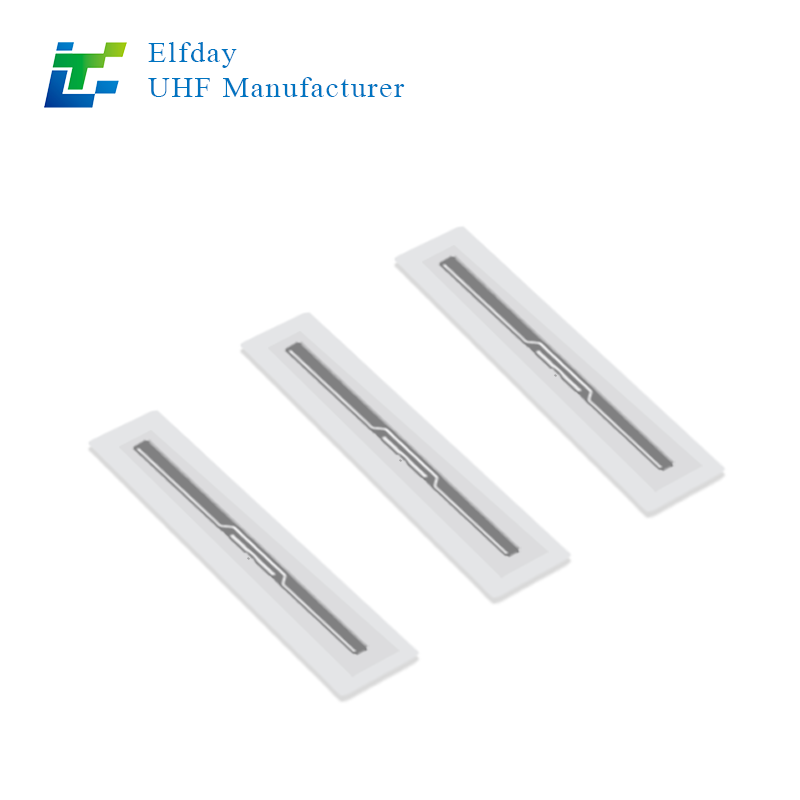
On-metal RFID tags are RFID tags specifically designed to operate when attached to metal or conductive surfaces. Unlike standard RFID tags, which can experience reduced performance when placed directly on metal, on-metal RFID tags use specialized antenna structures and materials to maintain more reliable communication.
Metal assets are common in warehouses, factories, logistics operations, construction, automotive manufacturing, and industrial facilities. These assets can include tools, machinery, equipment, containers, vehicles, and metal components.
Because standard RFID tags may not perform well on these surfaces, on-metal RFID tags provide a practical solution for identifying and tracking metal assets.
This guide explains what on-metal RFID tags are, how they work, where they are used, their benefits and limitations, and how to choose the right tag for a specific metal asset.
What Is an On-Metal RFID Tag?
An on-metal RFID tag is an RFID tag designed to be mounted directly on or close to a metal surface while maintaining RFID communication performance.
Metal can interact with the electromagnetic field generated by an RFID reader. When a standard RFID tag is placed directly on metal, the metal can affect the tag antenna and change its electrical characteristics.
This can result in:
-
Shorter read range
-
Reduced read reliability
-
Unstable communication
-
Difficulty detecting the tag
On-metal RFID tags are designed to reduce these effects through specialized antenna structures, spacing, substrates, or protective materials.
They can be manufactured for different frequencies, although UHF on-metal RFID tags are particularly common in industrial asset tracking applications.
Why Do Standard RFID Tags Have Problems on Metal?
To understand on-metal RFID tags, it is useful to understand how metal affects RFID communication.
An RFID tag uses an antenna to interact with the radio frequency signal from an RFID reader.
When the tag is placed on a conductive metal surface, the metal can alter the electromagnetic behavior around the antenna.
Instead of operating under the conditions for which a standard RFID tag was designed, the antenna is now affected by the nearby conductive surface.
The result can be a significant reduction in RFID performance.
For example, a standard UHF RFID label that performs well on a cardboard box may have difficulty communicating when directly attached to a steel machine.
This is why RFID tags for metal surfaces require application-specific designs.
How Do On-Metal RFID Tags Work?
On-metal RFID tags use construction techniques that allow the antenna to operate more effectively near conductive materials.
The exact design varies by manufacturer and application, but common approaches include:
-
Specialized antenna structures
-
Dielectric materials
-
Foam or spacer layers
-
Rigid housings
-
Encapsulated constructions
-
Tuned antenna designs
These structures help manage the interaction between the RFID antenna and the metal surface.
The basic communication process remains the same:
RFID Reader → RF Signal → On-Metal RFID Tag → RFID Chip → Response → RFID Reader
The difference is that the tag has been engineered specifically for the environment created by the metal surface.
What Are UHF On-Metal RFID Tags?
UHF on-metal RFID tags combine UHF RFID technology with a tag design optimized for metal surfaces.
They are widely used for industrial asset tracking because UHF RFID can support relatively long read distances and rapid identification of multiple tags.
Typical applications include:
-
Machinery tracking
-
Tool tracking
-
Industrial asset management
-
Metal container tracking
-
Automotive component tracking
-
IT equipment tracking
-
Warehouse equipment tracking
The actual read range depends on the tag, reader, antenna, mounting surface, orientation, and operating environment.
Where Are On-Metal RFID Tags Used?
On-metal RFID tags are useful whenever an organization needs to identify physical assets made from metal.
1. Industrial Equipment Tracking
Factories often contain large numbers of metal machines and equipment.
An on-metal RFID tag can provide each asset with a unique digital identity.
The RFID system can then associate the tag ID with information such as:
-
Equipment number
-
Maintenance history
-
Location
-
Service status
-
Inspection records
This can improve visibility across industrial facilities.
2. Tool Tracking
Industrial tools are often made from steel or other conductive materials.
Examples include:
-
Hand tools
-
Power tools
-
Production tools
-
Calibration equipment
-
Maintenance tools
On-metal RFID tags can help organizations identify tools and track their movement between storage areas and workstations.
3. Metal Container Tracking
Reusable metal containers can be used for transporting materials and components.
On-metal RFID tags can be attached to these containers to provide a unique digital identity.
The system can then track:
-
Container movement
-
Location
-
Usage
-
Return status
-
Inventory
4. Automotive Manufacturing
Automotive manufacturing environments contain large amounts of metal.
On-metal RFID tags can be used to identify:
-
Automotive components
-
Production equipment
-
Returnable containers
-
Manufacturing tools
-
Work-in-progress assets
The tag design can be selected according to the component material, temperature, mounting method, and production environment.
5. IT Asset Tracking
Servers, computers, network equipment, and other IT assets often contain significant amounts of metal.
On-metal RFID tags can be attached to equipment to support asset identification and inventory management.
Applications may include:
-
Data centers
-
IT departments
-
Equipment rooms
-
Network facilities
6. Warehouse Equipment
Warehouses contain many reusable metal assets, including:
-
Carts
-
Trolleys
-
Racks
-
Containers
-
Handling equipment
-
Tools
RFID tags can provide these assets with unique digital identities and support automated tracking.
7. Construction Equipment
Construction equipment can be expensive and frequently moved between locations.
On-metal RFID tags can be used to identify equipment such as:
-
Machinery
-
Tools
-
Generators
-
Components
-
Reusable equipment
The tag housing should be selected according to the expected outdoor exposure and mechanical conditions.
What Are the Benefits of On-Metal RFID Tags?
Reliable Identification on Metal Surfaces
The primary benefit is that the tag is specifically designed for installation on metal.
This can provide better RFID communication than using a standard tag directly on a metal surface.
Suitable for Industrial Applications
On-metal RFID tags can be designed with durable housings and materials suitable for demanding industrial environments.
Long-Term Asset Identification
Many on-metal RFID tags are designed for reusable assets and long service life.
This makes them suitable for equipment that remains in operation for years.
Multiple Mounting Options
Depending on the design, on-metal RFID tags can be installed using:
-
Industrial adhesive
-
Screws
-
Rivets
-
Bolts
-
Welding-compatible mounting structures
-
Mechanical fasteners
The mounting method should be selected according to the asset and operating environment.
Different Sizes and Designs
On-metal RFID tags can be manufactured in different shapes and sizes.
A compact tag may be suitable for small tools, while a larger rugged tag may be better suited to machinery or containers.
What Are the Limitations of On-Metal RFID Tags?
On-metal RFID tags solve many metal-related problems, but they still have limitations.
Tag Size Can Affect Performance
Small tags may have less antenna area than larger tags.
When space is limited, the tag design needs to balance size and required read performance.
Metal Geometry Matters
Flat steel surfaces and curved metal pipes can produce different RFID results.
Corners, edges, holes, and irregular shapes can also affect RF behavior.
Tag Orientation Matters
The orientation of the tag relative to the reader antenna can influence read performance.
Different Metals Can Behave Differently
Aluminum, steel, stainless steel, and other conductive materials can produce different RF conditions.
The actual target surface should therefore be included in testing.
Environmental Conditions Still Matter
A tag designed for metal may still require additional protection against:
-
Water
-
Chemicals
-
Heat
-
Cold
-
Impact
-
Dust
-
UV exposure
The tag's housing should match the operating environment.
How Far Can an On-Metal RFID Tag Be Read?
There is no universal read range for on-metal RFID tags.
The actual read distance depends on:
-
RFID frequency
-
RFID chip
-
Tag antenna
-
Tag size
-
Reader output
-
Reader antenna
-
Tag orientation
-
Metal surface
-
Mounting position
-
Environmental conditions
A larger industrial on-metal UHF RFID tag may provide different performance from a small compact tag.
For this reason, the manufacturer's stated read range should be treated as a reference rather than a guaranteed result.
On-Metal RFID Tags vs Standard RFID Tags
The primary difference is how the tag is designed to interact with its mounting surface.
| Feature | On-Metal RFID Tag | Standard RFID Tag |
|---|---|---|
| Directly mounted on metal | Designed for this | May perform poorly |
| Antenna design | Optimized for metal | General-purpose |
| Industrial applications | Well suited | Application dependent |
| Rugged versions | Common | Less common |
| Metal asset tracking | Suitable | Often unsuitable |
| Typical cost | Higher | Lower |
If the RFID tag will be attached directly to metal, an on-metal design should generally be considered rather than assuming a standard RFID label will work.
On-Metal RFID Tags vs Anti-Metal RFID Tags
The terms on-metal RFID tag and anti-metal RFID tag are often used to describe similar products.
Both generally refer to RFID tags designed to operate on or near metal surfaces.
The terminology can vary by market and supplier.
When comparing products, it is more important to examine the actual specifications and application performance than the terminology alone.
Important specifications include:
-
Operating frequency
-
Read range
-
Tag dimensions
-
Material
-
Mounting method
-
IP rating
-
Operating temperature
-
Chemical resistance
-
Impact resistance
-
RFID chip
How to Choose an On-Metal RFID Tag
Selecting an on-metal RFID tag requires more than simply choosing a tag labeled “anti-metal.”
1. Identify the Metal Surface
Determine what the tag will be attached to.
For example:
-
Steel
-
Stainless steel
-
Aluminum
-
Metal machinery
-
Metal containers
2. Measure the Available Mounting Area
Determine how much space is available for the RFID tag.
The available area can influence the antenna design and tag dimensions.
3. Define the Required Read Range
Determine the distance at which the reader needs to identify the asset.
Consider whether the tag will be read from:
-
A few centimeters away
-
Several meters away
-
A fixed RFID portal
-
A handheld RFID reader
4. Determine the Operating Environment
Consider exposure to:
-
Water
-
Oil
-
Chemicals
-
Heat
-
Cold
-
Dust
-
Impact
-
Outdoor weather
5. Select the Mounting Method
Determine whether the tag will be installed using:
-
Adhesive
-
Screws
-
Rivets
-
Bolts
-
Other mechanical methods
6. Choose the RFID Frequency
For many industrial asset applications, UHF RFID is commonly considered because of its read range and multi-tag capabilities.
However, HF or LF RFID may be appropriate for other applications.
7. Select the RFID Chip
Chip selection affects:
-
Memory
-
Read/write capabilities
-
Compatibility
-
Data functions
-
Security features
8. Test the Tag on the Actual Asset
This is one of the most important steps.
The tag should be tested on the actual metal surface and in the intended installation position.
A tag that performs well on one metal object may behave differently on another because of differences in size, shape, material, and surrounding structures.
Can On-Metal RFID Tags Be Used on Curved Surfaces?
Yes, depending on the tag design.
Some on-metal RFID tags are flexible and can conform to curved surfaces.
Others use rigid housings and are better suited to flat surfaces.
When tagging pipes, cylinders, tools, or curved equipment, consider:
-
Tag flexibility
-
Surface curvature
-
Mounting method
-
Antenna orientation
-
Required read range
Application testing is recommended before large-scale deployment.
Can On-Metal RFID Tags Be Used Outdoors?
Yes.
On-metal RFID tags can be designed for outdoor applications.
Outdoor deployments may require resistance to:
-
Rain
-
Humidity
-
UV exposure
-
Temperature changes
-
Dust
-
Physical impact
-
Chemicals
For outdoor assets, tag housing and mounting method are just as important as RFID performance.
Can On-Metal RFID Tags Be Customized?
Yes.
On-metal RFID tags can often be customized according to application requirements.
Customization may include:
-
Dimensions
-
Shape
-
RFID chip
-
Antenna design
-
Housing material
-
Adhesive
-
Mounting holes
-
Printing
-
Encoding
-
Color
-
Operating temperature range
Customized tags can be useful when standard tag dimensions or mounting methods do not fit the asset.
Frequently Asked Questions About On-Metal RFID Tags
What is an on-metal RFID tag?
An on-metal RFID tag is an RFID tag specifically designed to operate when attached directly to or near a metal surface.
Why can't I use a normal RFID tag on metal?
Metal can interfere with the antenna and electromagnetic field of a standard RFID tag, potentially reducing read range and reliability. On-metal RFID tags are designed to address this issue.
Are on-metal RFID tags passive?
Many on-metal UHF RFID tags used for asset tracking are passive. They receive energy from the RFID reader and do not require an internal battery.
What is an anti-metal RFID tag?
An anti-metal RFID tag is generally another term used for an RFID tag designed to operate on metal or conductive surfaces.
What is the best RFID tag for metal?
There is no single best tag for every metal application. The appropriate tag depends on the metal surface, required read range, tag size, environment, reader, antenna, and mounting method.
Can on-metal RFID tags be used on steel?
Yes. On-metal RFID tags are commonly designed for steel and other conductive metal surfaces.
Can on-metal RFID tags be used on aluminum?
Yes, but performance should be tested because different metal surfaces and asset geometries can affect RFID communication.
How far can an on-metal RFID tag be read?
Read range varies according to tag design, chip, antenna, reader, reader antenna, tag orientation, metal surface, and environment.
Are on-metal RFID tags waterproof?
Some on-metal RFID tags are designed to be waterproof or highly water-resistant. The protection level depends on the housing and sealing design.
Can on-metal RFID tags be used for asset tracking?
Yes. On-metal RFID tags are commonly used to identify and track industrial equipment, tools, machinery, containers, vehicles, and other metal assets.
On-metal RFID tags are designed specifically for identifying and tracking assets mounted on metal or conductive surfaces.
Metal can interfere with standard RFID tag antennas, which may reduce read range and communication reliability. On-metal RFID tags address this challenge through specialized antenna structures, spacing materials, substrates, or protective housings.
They are widely used for industrial equipment, tools, machinery, metal containers, automotive components, IT equipment, warehouse assets, and construction equipment.
When selecting an on-metal RFID tag, consider the metal surface, tag size, required read range, RFID frequency, mounting method, operating environment, and reader configuration.
Most importantly, test the RFID tag on the actual asset before large-scale deployment. Real-world testing can reveal performance differences caused by metal type, surface geometry, tag orientation, and surrounding materials.
The right on-metal RFID tag can provide a reliable digital identity for metal assets and support more efficient inventory, asset tracking, and industrial management processes.