



How Do You Choose an RFID Tag for Metal Assets?
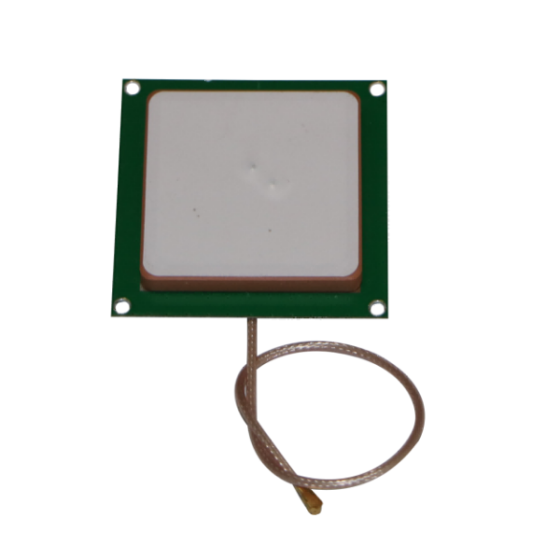
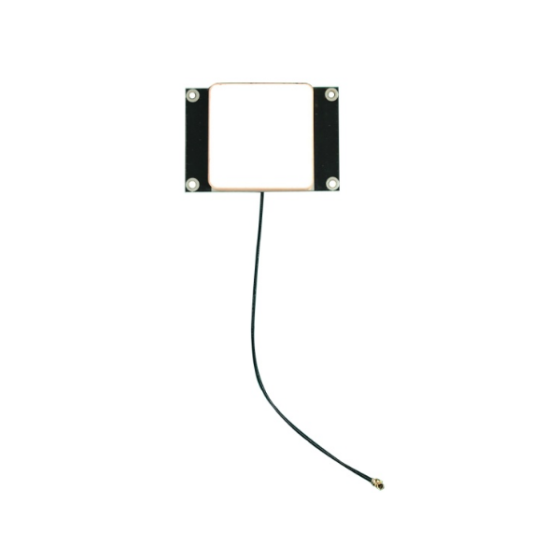
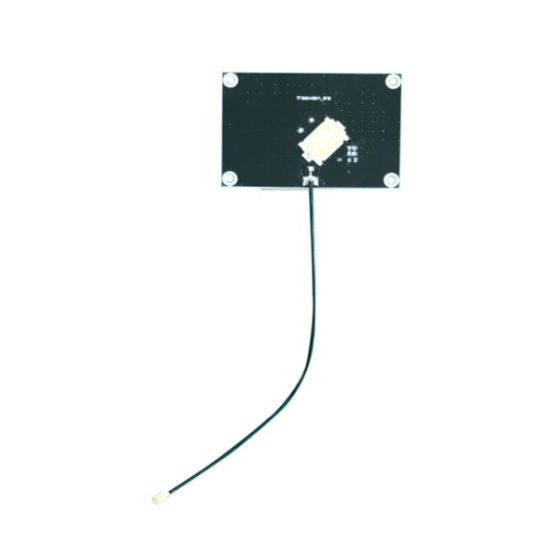
Choosing an RFID tag for metal assets starts with selecting a tag specifically designed to work on or near metal surfaces. On-metal RFID tags, also called anti-metal RFID tags, are built with specialised antenna designs or isolation layers that help maintain RFID performance when attached to metal equipment, tools, containers, vehicles, racks, and other assets.
The right RFID tag depends on more than the fact that an asset is made of metal. You also need to consider the type of metal surface, required read range, tag size, mounting method, environmental conditions, and how the asset will be tracked.
For most metal asset tracking applications, the selection process can be simplified to:
Metal surface → Required read range → Tag size → Environment → Mounting method → RFID reader compatibility → Real-world testing
Why Do Metal Assets Require Special RFID Tags?
Metal can affect the performance of RFID systems, particularly UHF RFID.
When a conventional RFID tag is placed directly on a metal surface, the metal can interact with the tag antenna and change its electrical characteristics. This may reduce read performance or make the tag difficult to detect reliably.
An RFID tag designed for metal assets typically includes a construction that separates or isolates the antenna from the metal surface.
This allows the tag to operate more effectively when attached directly to assets such as:
-
Metal tools
-
Industrial equipment
-
Machinery
-
Steel containers
-
Metal racks
-
Storage cabinets
-
Vehicles
-
Gas cylinders
-
Pipes and components
-
Electrical equipment
-
Manufacturing fixtures
-
Reusable metal assets
Therefore, simply choosing a standard RFID label and attaching it to metal is not always a reliable approach.
What Is an On-Metal RFID Tag?
An on-metal RFID tag is an RFID tag specifically designed to operate when mounted on a metal surface.
These tags are commonly used for asset tracking because many industrial assets are made partly or entirely from metal.
An on-metal tag may use features such as:
-
Specialised antenna construction
-
A spacer or isolation layer
-
A rigid housing
-
Industrial-grade materials
-
Strong adhesive
-
Mechanical mounting options
The exact construction varies between tag designs.
The important point is that the tag is engineered for the intended mounting surface rather than simply being a general-purpose RFID label.
How Do You Choose an RFID Tag for Metal Assets?
The best RFID tag depends on the actual tracking application.
There are several key factors to evaluate.
1. Identify the Metal Surface
Start by determining what type of metal asset you need to tag.
For example, a flat steel cabinet presents a different mounting situation from a curved metal pipe or a compact metal tool.
Consider:
-
Surface shape
-
Surface size
-
Metal type
-
Curvature
-
Available mounting area
-
Nearby metal components
A tag that performs well on a large flat steel surface may not perform the same way on a small curved asset.
2. Determine the Required Read Range
Read range is one of the most important selection criteria.
Ask how far away the RFID reader needs to detect the asset.
For example:
-
Short-range handheld identification
-
Several-metre warehouse tracking
-
Portal-based tracking
-
Conveyor identification
-
Vehicle or equipment tracking
A longer read range may require a larger tag antenna, a suitable RFID chip, an appropriate reader configuration, and favourable installation conditions.
Do not select a tag based only on its advertised maximum read distance. Real-world performance can change significantly depending on the asset, reader, antenna, orientation, and environment.
3. Consider the Size of the Asset
RFID tags for metal assets are available in many shapes and sizes.
A large industrial machine may have enough space for a relatively large rugged RFID tag.
A small metal tool may require a compact tag.
However, smaller does not automatically mean better.
In general, a larger antenna can provide more flexibility for achieving good RF performance, while a smaller tag may be easier to install on compact assets.
The goal is to find a practical balance between:
Tag size + read performance + mounting space + asset design
4. Check the Operating Environment
Consider where the metal asset will be used.
Industrial RFID tags may be exposed to:
-
Water
-
Dust
-
Oil
-
Chemicals
-
Heat
-
Cold
-
UV exposure
-
Vibration
-
Impact
-
Abrasion
-
Outdoor weather
-
Repeated cleaning
A lightweight RFID label may be suitable for an indoor office asset but unsuitable for equipment operating outdoors or in a manufacturing environment.
For demanding applications, a rugged RFID tag with a protective housing may be more appropriate.
5. Choose the Right Mounting Method
How the RFID tag is attached to the metal asset can affect both durability and performance.
Common mounting methods include:
-
Industrial adhesive
-
Screws
-
Rivets
-
Bolts
-
Cable ties
-
Welding or specialised mounting
-
Embedded installation
Adhesive mounting can be convenient for flat surfaces, while mechanical mounting may be more suitable for assets exposed to impact, vibration, or harsh conditions.
The mounting method should also match the asset's maintenance requirements.
Should You Choose UHF RFID for Metal Asset Tracking?
UHF RFID is commonly considered for metal asset tracking when businesses need longer-range identification or the ability to identify multiple assets efficiently.
UHF RFID can be suitable for applications such as:
-
Warehouse asset tracking
-
Industrial equipment tracking
-
Tool tracking
-
Returnable asset tracking
-
Vehicle identification
-
Metal container tracking
-
Manufacturing asset management
However, the RFID frequency should be selected according to the complete application.
The most important consideration is not simply whether UHF is being used. The tag, reader, antenna, asset, and operating environment all need to work together.
What Is the Difference Between Standard RFID Tags and On-Metal RFID Tags?
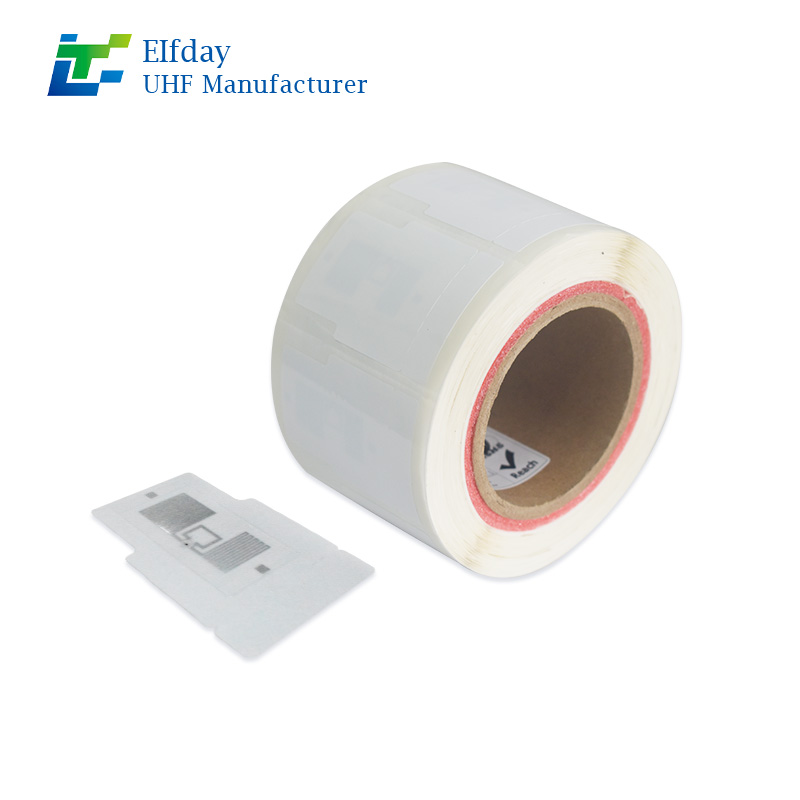
The main difference is how the tag is designed to operate on the intended surface.
| Feature | Standard RFID Tag | On-Metal RFID Tag |
| Paper/cardboard | Suitable | Suitable |
| Plastic | Often suitable | Often suitable |
| Direct metal mounting | May perform poorly | Designed for it |
| Metal asset tracking | Limited depending on design | Well suited |
| Rugged options | Available | Widely available |
| Industrial applications | Depends on tag | Common use case |
A standard RFID tag may work near metal in some circumstances, but direct attachment to metal can create performance problems.
For predictable results, an RFID tag specifically designed for metal surfaces is generally the safer starting point.
Does Tag Orientation Matter on Metal Assets?
Yes.
RFID performance can be affected by the orientation of the tag relative to the RFID reader antenna.
For example, a tag mounted vertically may perform differently from the same tag mounted horizontally.
The shape and position of the metal asset can also affect the RF environment.
When possible, test the tag in the same orientation and position that will be used during normal operations.
This is particularly important when assets move through fixed RFID portals or are scanned using handheld readers.
Does the Size of a Metal Asset Affect RFID Performance?
It can.
The size and geometry of the metal surface can influence how an RFID tag behaves.
A large flat metal surface may provide a different RF environment from a small metal object.
Curved or irregular surfaces can also affect the effective placement of the tag.
For small metal assets, compact on-metal RFID tags may be necessary, but their read performance should be tested under actual operating conditions.
For larger assets, there may be more flexibility in tag size and placement.
How Do You Choose an RFID Tag for Industrial Equipment?
Industrial equipment often requires a more durable RFID solution than ordinary inventory items.
When selecting an RFID tag for machinery or equipment, consider:
-
Asset material — Determine whether the tag will be mounted directly on steel, aluminium, or another metal.
-
Read distance — Decide whether handheld or fixed readers will be used.
-
Environmental exposure — Check for water, chemicals, heat, dust, and vibration.
-
Tag durability — Select a construction that can withstand the expected conditions.
-
Mounting method — Choose adhesive or mechanical mounting based on the asset.
-
Tag size — Make sure there is enough room without interfering with operations.
-
Reader compatibility — Verify that the tag works with the selected RFID system.
-
Real-world testing — Test the complete setup before large-scale deployment.
This approach helps avoid choosing a tag based on specifications alone.
What About Small Metal Tools?
Small tools can be more challenging because they may provide limited mounting space.
Examples include:
-
Wrenches
-
Power tools
-
Cutting tools
-
Measuring equipment
-
Maintenance tools
-
Workshop equipment
For these applications, a compact on-metal RFID tag may be appropriate.
However, the tag needs to be positioned so that it does not interfere with the normal use of the tool.
If tools are frequently exposed to impacts, oils, cleaning chemicals, or abrasion, durability should also be considered.
How Do You Choose RFID Tags for Metal Containers?
Metal containers are often used in warehouses, manufacturing, logistics, and industrial environments.
When choosing a tag for a metal container, consider whether the container will be:
-
Stored indoors
-
Used outdoors
-
Stacked
-
Transported
-
Washed
-
Exposed to chemicals
-
Handled mechanically
-
Moved through RFID portals
A rugged on-metal RFID tag may be appropriate for containers that experience repeated handling.
Tag placement should also be standardised across the container fleet so that readers can consistently detect the tags.
How Do You Choose RFID Tags for Vehicles?
Vehicles and mobile equipment can also be tracked with RFID.
Potential applications include:
-
Fleet asset identification
-
Construction equipment tracking
-
Forklift tracking
-
Industrial vehicle management
-
Trailer identification
-
Maintenance asset tracking
For outdoor vehicle applications, the RFID tag should be able to withstand weather and physical exposure.
The mounting location is particularly important. A tag should be positioned where it has a suitable reading environment and is protected from unnecessary damage.
What Environmental Conditions Should You Test?
Before choosing an RFID tag, consider the worst conditions the asset will experience rather than only normal indoor conditions.
A useful test checklist includes:
| Condition | What to Evaluate |
| Water | Waterproofing and sealing |
| Dust | Housing and protection |
| Chemicals | Material and adhesive resistance |
| Heat | Operating temperature |
| Cold | Low-temperature performance |
| UV | Outdoor durability |
| Impact | Housing strength |
| Vibration | Mounting reliability |
| Abrasion | Surface protection |
| Cleaning | Resistance to repeated washing |
If the asset is exposed to several of these conditions at the same time, laboratory specifications alone may not be enough. Testing the actual tag on the actual asset is strongly recommended.
How Important Is the Adhesive?
Adhesive selection can be just as important as RFID performance.
A tag may have excellent RF characteristics but still fail if the adhesive cannot remain attached to the metal surface.
Consider:
-
Surface cleanliness
-
Surface curvature
-
Temperature
-
Moisture
-
Chemical exposure
-
Vibration
-
Impact
-
Expected service life
For long-term industrial asset tracking, the adhesive should be tested under actual operating conditions.
Mechanical attachment can be considered when the asset experiences particularly demanding conditions.
Should You Test RFID Tags Before Buying in Bulk?
Yes.
Real-world testing is one of the most important steps when selecting an RFID tag for metal assets.
A practical test should use:
Actual asset + selected RFID tag + intended mounting position + actual RFID reader + normal operating environment
Test the tag at different:
-
Distances
-
Orientations
-
Reader angles
-
Asset positions
-
Speeds
-
Environmental conditions
This can reveal performance issues that may not be obvious from a product specification sheet.
A Simple RFID Metal Asset Tag Selection Checklist
Before selecting a tag, answer these questions:
Asset
-
Is the asset metal?
-
What type of metal is it?
-
Is the surface flat or curved?
-
How much mounting space is available?
RFID System
-
What RFID frequency will be used?
-
What reader will be used?
-
Is the reader handheld or fixed?
-
What read range is required?
Environment
-
Is the asset indoors or outdoors?
-
Will it contact water?
-
Will it be exposed to chemicals?
-
Is there heat, cold, dust, vibration, or impact?
Installation
-
Will adhesive mounting be sufficient?
-
Is mechanical mounting required?
-
Can the tag be embedded?
-
Where should the tag be positioned?
Operations
-
Will assets move quickly?
-
Will multiple assets be read at once?
-
Does orientation change frequently?
-
Will the tag remain attached for the entire asset lifecycle?
Once these questions are answered, it becomes much easier to narrow down the appropriate RFID tag design.
Common Mistakes When Choosing RFID Tags for Metal Assets
Choosing a Standard RFID Label
One of the most common mistakes is selecting a general-purpose RFID label and attaching it directly to metal.
The tag may have poor read performance because it was not designed for direct metal mounting.
Selecting Based Only on Read Range
A tag advertised with a long read range may not achieve that range on every asset.
The actual result depends on the complete RFID setup.
Ignoring Tag Placement
Even a suitable on-metal tag can perform differently depending on where it is mounted.
Underestimating Environmental Conditions
A tag used on outdoor equipment needs different protection from a tag used on an indoor office cabinet.
Skipping Pilot Testing
Large-scale deployment without testing can lead to unnecessary replacement costs and inconsistent asset identification.
Frequently Asked Questions
What is the best RFID tag for metal assets?
There is no single RFID tag that is best for every metal asset. In most cases, an on-metal RFID tag designed for direct metal mounting is a good starting point. The final choice depends on read range, tag size, environment, mounting method, and reader configuration.
Can standard RFID tags be used on metal?
Some standard RFID tags may work near metal, but direct mounting can reduce performance. For reliable metal asset tracking, an RFID tag specifically designed for metal surfaces is generally more appropriate.
What is an anti-metal RFID tag?
An anti-metal RFID tag is designed to operate when attached to or placed close to a metal surface. It is commonly used for tracking equipment, tools, containers, vehicles, and other metal assets.
Are on-metal RFID tags waterproof?
Some on-metal RFID tags are designed to be waterproof or highly water-resistant, but this depends on the specific construction. The required protection level should match the asset's operating environment.
Can RFID tags be attached to steel?
Yes. RFID tags specifically designed for metal mounting can be attached to steel surfaces. Tag selection and placement should still be tested for the required read performance.
Can RFID tags be used on aluminium?
Yes. RFID tags can be designed for use on aluminium and other metal surfaces. The actual read performance depends on the tag design, asset geometry, reader configuration, and installation position.
Do larger RFID tags have a longer read range?
Not necessarily, but tag antenna size can influence RFID performance. A larger tag may provide design advantages in some applications, while compact tags may be necessary for small assets. The correct size should be determined through application testing.
How long can an RFID tag stay on a metal asset?
The service life depends on the tag construction, adhesive or mounting method, and environmental conditions. For long-term industrial applications, choose a durable tag and test its attachment under real operating conditions.
Choosing an RFID tag for metal assets requires more than selecting a tag that can simply be attached to a metal surface. The most important factors include metal compatibility, read range, tag size, mounting method, durability, environmental exposure, reader configuration, and tag placement.
For direct metal mounting, on-metal RFID tags are generally the appropriate starting point because they are specifically designed to maintain RFID performance around metal surfaces.
The best approach is to define the asset and operating conditions first, then select several suitable tags and test them with the actual RFID reader and asset. This helps ensure that the final RFID solution provides reliable identification throughout the asset's expected lifecycle.