



How to Match RFID Tag Designs to Your Industry and Tracking Needs
Choosing the right RFID tag design starts with understanding what you need to track, where the tag will be installed, and how the RFID system will identify it. A tag designed for retail products may not be suitable for metal machinery, reusable transport containers, or equipment exposed to harsh industrial conditions.
The best RFID tag is not necessarily the smallest, most durable, or longest-range option. It is the one that fits the physical asset, operating environment, reading workflow, and budget.
This guide explains how to match RFID tag designs to different industries and tracking requirements, with practical examples to help you narrow down the options.
1. Start With the Tracking Task, Not the Tag Type
Before comparing RFID tags, define the problem the tracking system needs to solve.
Ask three basic questions:
-
What needs to be tracked? Examples include individual products, cartons, pallets, tools, machinery, uniforms, and reusable containers.
-
When and where must it be identified? The tag may be read at a checkout counter, during warehouse receiving, at a production station, or while equipment moves through an outdoor site.
-
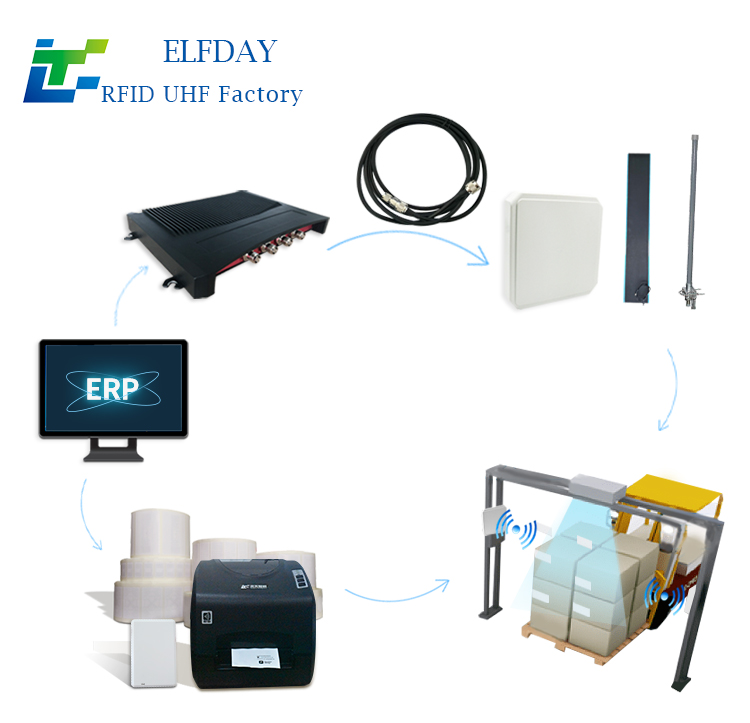
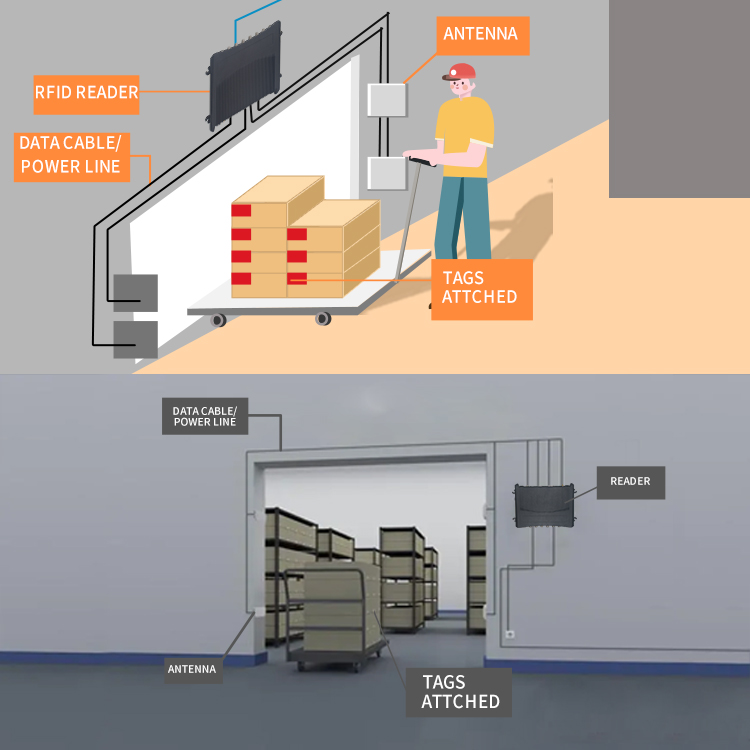
How should identification happen? A worker may scan individual items with a handheld reader, or fixed readers may need to identify multiple tags automatically.
These requirements influence the tag's size, antenna design, frequency, mounting method, and durability.
For example, a small tool used for occasional inventory checks may need a compact tag that fits a narrow surface. A large reusable container passing through a warehouse portal may require a design optimized for reliable reads at a greater distance.
The tracking workflow should guide the selection process from the beginning.
2. Match RFID Tag Designs to Different Industries
Different industries have different priorities. The following examples show how application requirements influence RFID tag selection.
Retail: Small, Lightweight Tags for Item-Level Identification
Retailers often need to identify individual products, update inventory records, locate items, and support stock replenishment.
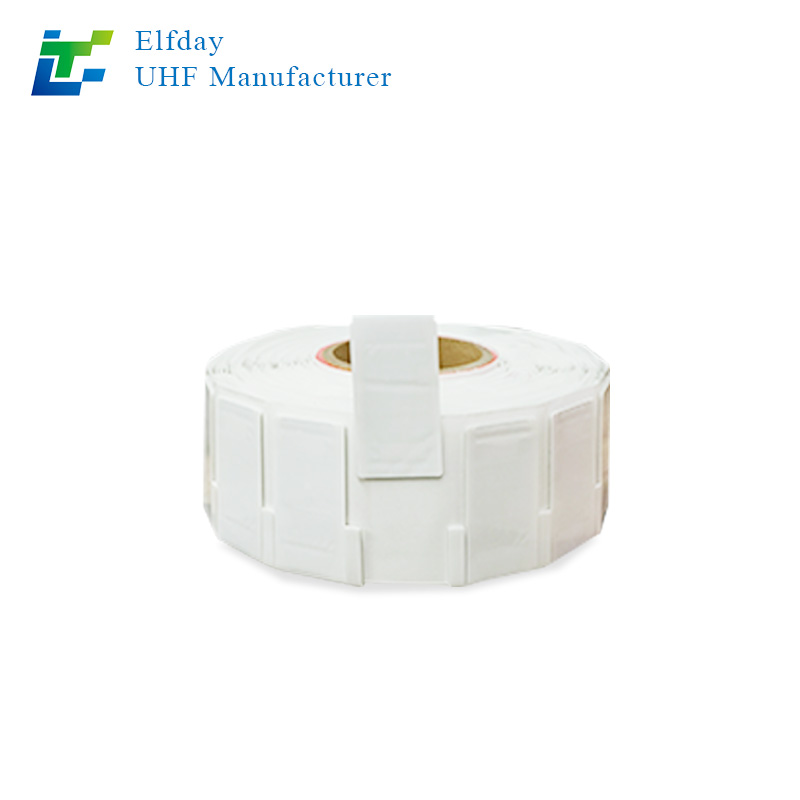
For products made from cardboard, fabric, or many types of plastic packaging, lightweight RFID labels may be a practical choice. They can be integrated into product labels, hang tags, packaging, or other suitable identification formats.
Common priorities include:
-
Small dimensions and low profile
-
Cost-effective tagging at scale
-
Compatibility with product labeling and printing
-
Reliable identification during stock counts
-
Suitable performance around shelves and packaged goods
However, not every retail product is easy to tag. Metal accessories, liquid-filled products, and compact items may require specialized tag designs or alternative placement.
The goal is to select a label that fits the product and works within the store's reading process without adding unnecessary cost or complexity.
Warehousing and Logistics: Tags for Fast Inventory Movement
Warehouses and distribution centers track products as they arrive, move into storage, get picked, and leave for delivery.
RFID tags for cartons, cases, pallets, and reusable logistics assets can help automate identification at receiving areas, storage locations, and shipping checkpoints.
Depending on the workflow, useful design considerations include:
-
Reliable reading during bulk identification
-
Suitable performance at the intended reader distance
-
Compatibility with carton or pallet surfaces
-
Durable attachment during handling and transportation
-
Clear identification across receiving and dispatch processes
For example, a tag on a cardboard shipping carton may use a conventional RFID label. A tag on a reusable metal transport container may need an on-metal design instead.
Tag placement also matters. If cartons are stacked closely together or surrounded by metal shelving, testing the complete setup can reveal reading issues that are not obvious when a tag is tested individually.
Manufacturing: Designs for Work-in-Process and Equipment Tracking
Manufacturing facilities may track raw materials, work-in-process items, production fixtures, tools, and finished goods.
The correct tag depends on the asset's movement through production and the conditions encountered along the way.
A tag attached to a plastic work-in-process carrier may have different requirements from one installed on a metal fixture or a component exposed to heat during processing.
Important considerations include:
-
Compatibility with the asset's surface
-
Resistance to vibration and repeated handling
-
Readability at production checkpoints
-
Suitable mounting methods
-
Temperature and chemical exposure, where relevant
For metal fixtures and machinery, an on-metal RFID tag may be a suitable starting point. For components exposed to high temperatures, the complete tag must be evaluated against the actual process temperature and exposure duration.
Manufacturers should also consider whether tags need to remain readable throughout repeated production cycles rather than during a single identification event.
Industrial Asset Management: Durable Tags for Long-Term Tracking
Industrial asset tracking often involves machinery, tools, electrical cabinets, equipment, and other valuable assets.
These items may remain in service for years and can experience impacts, abrasion, vibration, outdoor exposure, or repeated maintenance activities.
Rigid hard tags, reinforced housings, and specialized on-metal designs may be appropriate when ordinary adhesive labels cannot meet the application's physical requirements.
Selection criteria should include:
-
Expected service life
-
Asset material and geometry
-
Available mounting space
-
Mechanical attachment requirements
-
Environmental protection
-
Required read distance and reader type
A compact tag may be ideal for a small tool, while a larger asset may accommodate a tag designed for a different reading distance or mounting method.
Choosing a durable tag also means considering how it will be installed, inspected, replaced, and maintained over time.
Healthcare: Tags for Equipment and Reusable Items
Healthcare facilities may use RFID to track medical equipment, mobile assets, reusable supplies, and other items that move between departments.
In these applications, the tag must fit the equipment and remain compatible with the facility's handling and cleaning procedures.
Relevant considerations include:
-
Compact dimensions for limited mounting space
-
Compatibility with plastic or metal equipment housings
-
Resistance to approved cleaning procedures
-
Secure attachment during repeated handling
-
Compatibility with the intended RFID reader and workflow
If equipment is cleaned frequently, the tag's housing, adhesive, and seals should be evaluated against the actual cleaning agents and procedures. A tag that tolerates ordinary moisture may not withstand repeated exposure to disinfectants or aggressive cleaning.
Where medical or regulatory requirements apply, the complete tagging solution must also be assessed against the relevant operational requirements.
Laundry and Textile Management: Flexible Designs for Repeated Use
Laundry operations may need to identify uniforms, linens, towels, and other textiles through repeated washing, drying, sorting, and distribution cycles.
Depending on the application, textile RFID solutions may use flexible labels, sewn-in tags, or specialized textile transponders.
Important requirements include:
-
Flexibility and comfort
-
Secure integration into the textile
-
Resistance to repeated washing and drying
-
Compatibility with detergents and laundry processes
-
Reliable identification over the expected service life
A conventional adhesive label is generally not the first choice for a textile item that undergoes repeated industrial laundering. A purpose-designed laundry tag should be evaluated under the actual wash and drying conditions.
Construction and Outdoor Asset Tracking: Tags for Mobile Equipment
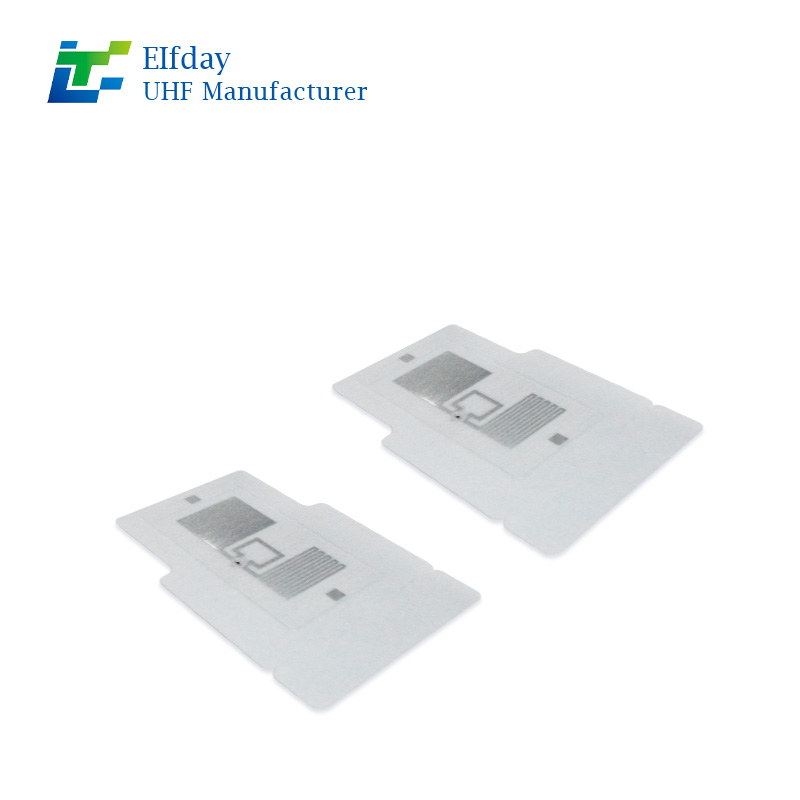
Construction sites, outdoor storage areas, and equipment yards may need to track machinery, tools, containers, and other assets that move between locations.
Tags in these environments may encounter rain, dust, sunlight, vibration, impacts, and irregular handling.
Depending on the asset, a rugged hard tag, a suitable on-metal tag, or another specialized construction may be appropriate.
Consider:
-
Whether the asset is metal or non-metal
-
Exposure to weather and sunlight
-
Potential impacts and abrasion
-
Whether the tag needs permanent mechanical attachment
-
Required reading distance in the field
A tag used on an excavator or metal storage container has different physical requirements from a label used on a cardboard delivery box. The tag must be chosen for the asset and the conditions in which it operates.
3. Match the Tag Design to the Asset Material
Industry is only one part of the decision. The material and shape of the tracked object can directly influence RFID performance.
Metal Surfaces
Metal can change the behavior of an RFID antenna and reduce the performance of a conventional tag when it is attached directly to a conductive surface.
On-metal RFID tags use specialized antenna designs or construction features to support operation on metal assets.
They are commonly considered for machinery, tools, racks, metal containers, and industrial equipment.
Plastic and Cardboard
Many conventional RFID labels work well on suitable plastic packaging, paper products, and cardboard cartons.
These applications often prioritize label dimensions, printing, encoding, cost, and reading performance within the intended workflow.
However, the contents of a package can also matter. A tag placed on a plastic container filled with liquid may behave differently from one placed on an empty container.
Glass and Liquid-Filled Products
Liquids can affect radio-frequency performance, particularly for certain UHF applications. Glass containers may also present placement and packaging constraints.
In these cases, tag position, antenna design, distance from the liquid, and the surrounding packaging should be evaluated together.
A small placement adjustment or a specialized tag may improve performance, but the result should be confirmed with the actual product.
Curved or Irregular Surfaces
Pipes, bottles, tools, and other irregularly shaped assets may require flexible tags or specialized mounting arrangements.
The selected design should fit the available surface without excessive bending, poor adhesion, or interference from nearby materials.
The final installed position matters more than how well a tag performs when tested separately on a workbench.
4. Choose the Right RFID Frequency and Read Range
Tag construction alone does not determine system performance. RFID frequency and reading requirements must also match the application.
| Technology | Common application considerations |
| LF RFID | Certain close-range identification systems and specialized tracking applications |
| HF RFID | Short-range identification, compatible smart-label applications, and NFC-related use cases |
| UHF RFID | Inventory management, logistics, warehouse workflows, and applications requiring efficient multi-tag reading |
The appropriate frequency depends on the required read distance, tag size, surrounding materials, reader infrastructure, and system standards.
For UHF applications, do not select a tag based only on its maximum advertised read range. Real performance depends on the tag, reader, antenna, orientation, mounting surface, and surrounding environment.
A tag intended for handheld scanning may not need the same performance characteristics as one that must be detected automatically at a fixed portal.
Define the required reading event first, then test candidate tags in that setup.
5. Balance Tag Size, Durability, and Cost
RFID tag selection often involves trade-offs.
A small tag may fit an asset better but offer less antenna area. A rugged housing may improve physical protection but increase size and cost. A flexible label may simplify installation but may not suit repeated impacts or demanding environmental exposure.
Consider these factors together:
-
Tag dimensions: Can the tag fit without obstructing the asset's normal use?
-
Reading performance: Does it meet the required read distance and identification workflow?
-
Durability: Can it withstand the expected handling and environmental exposure?
-
Mounting: Can it be attached securely using an appropriate method?
-
Unit cost: Is the design economical for the number of assets being tagged?
-
Lifecycle cost: How much will installation, replacement, maintenance, and operational failure cost over time?
For a disposable shipping carton, a low-cost label may be sufficient. For a reusable industrial asset that remains in service for years, a more durable tag may offer better long-term value.
The right comparison is not simply price per tag. It is the cost of achieving reliable identification throughout the intended service life.
6. A Practical RFID Tag Selection Checklist
Before ordering samples or approving a tag design, document the application's main requirements.
| Requirement | Questions to answer |
| Tracked item | What product, tool, container, or asset needs identification? |
| Surface material | Is the mounting surface metal, plastic, cardboard, glass, fabric, or another material? |
| Available space | What are the maximum tag dimensions and thickness? |
| Reading workflow | Will tags be scanned individually or read automatically in groups? |
| Read distance | At what distance and orientation must identification succeed? |
| Environment | Will the tag encounter heat, moisture, chemicals, sunlight, or mechanical stress? |
| Attachment | Is adhesive, sewing, a screw, a rivet, or another method appropriate? |
| RFID system | Which frequency, reader, antenna, and encoding requirements apply? |
| Service life | How long must the tag remain attached and readable? |
| Volume and budget | How many tags are required, and what lifecycle cost is acceptable? |
Once these details are clear, it becomes easier to eliminate unsuitable designs and focus on a smaller number of realistic candidates.
7. Test RFID Tag Samples Before Deployment
Even a well-matched specification needs to be validated in the intended application.
A tag that reads reliably in isolation may perform differently after it is attached to metal equipment, placed near liquids, installed on a curved surface, or surrounded by densely packed inventory.
A practical evaluation process includes the following steps.
Step 1: Install samples on representative assets. Use the actual material, surface shape, and intended mounting method.
Step 2: Test with the intended RFID reader. Match the planned reader type, antenna configuration, operating frequency, and reading position as closely as possible.
Step 3: Reproduce the real workflow. Test individual reads, bulk inventory counts, movement through reading zones, or other relevant identification events.
Step 4: Check environmental and mechanical requirements. Where applicable, evaluate cleaning, temperature exposure, vibration, impact, and attachment durability.
Step 5: Record acceptance criteria. Document the required reading performance, physical condition, and any environmental test results before approving the design.
Testing helps uncover application-specific problems before a large number of tags are purchased and installed.
8. Common RFID Tag Selection Mistakes
Choosing a Tag Based Only on Industry
Two businesses in the same industry may have very different tracking needs. A warehouse may tag cardboard cartons, metal racks, or reusable plastic totes, and each application can require a different design.
Selecting the Longest-Range Tag by Default
Maximum range is not the only measure of suitability. A tag that fits the mounting space, provides the necessary read performance, and works reliably in the intended workflow may be a better choice.
Ignoring the Mounting Method
An unsuitable adhesive or insecure mounting arrangement can lead to tag loss even when the RFID electronics work correctly.
Overlooking the Actual Operating Environment
Terms such as industrial, waterproof, and rugged do not automatically establish suitability for every condition. Check the relevant specifications and validate the complete tag under realistic conditions.
Skipping Sample Testing
Selecting a tag from a specification sheet alone can miss problems caused by asset geometry, nearby materials, tag orientation, or reader placement.
Frequently Asked Questions
How do I choose RFID tags for my industry?
Start with the item being tracked and the identification workflow. Then evaluate the surface material, available mounting space, reading distance, environmental exposure, durability, and budget. Test suitable samples before making a final selection.
Can one RFID tag design work across multiple industries?
Yes. Some general-purpose RFID labels and hard tags can support applications across several industries. However, shared use should be confirmed through testing because different assets and operating conditions may produce different results.
Are on-metal RFID tags necessary for every metal asset?
Not every application has identical requirements, but conventional RFID labels often perform poorly when mounted directly on metal. An on-metal design is an appropriate starting point when reliable identification is required on conductive surfaces.
Does a longer RFID read range always mean better performance?
No. The required range depends on the application. Excessive range may be unnecessary in some workflows, while inconsistent reading within the intended zone can create problems. Test performance using the planned reader setup and operating conditions.
Should businesses test RFID tags before bulk ordering?
Yes. Representative sample testing can verify that the tag fits the asset, remains securely attached, and performs as expected with the intended reader. This can reduce the risk of costly changes after deployment.
Matching RFID tag designs to your industry and tracking needs requires more than choosing a product category. It involves understanding the tracked asset, the required identification event, the mounting surface, the reading environment, and the expected service life.
Lightweight labels may suit retail products and cartons, while industrial equipment, metal assets, reusable containers, and textiles may require specialized constructions.
By defining requirements first, comparing tag designs against the real application, and validating samples before deployment, businesses can build RFID tracking systems that are more reliable, practical, and cost-effective over time.