



How RFID Tags Improve Tool and Equipment Inventory Management
Managing tools and equipment across workshops, warehouses, manufacturing facilities, and maintenance departments can be challenging. When assets move between workstations, storage areas, and job sites, manual inventory records can quickly become outdated. Missing tools, misplaced equipment, and time-consuming stock checks can disrupt daily operations and increase operating costs.
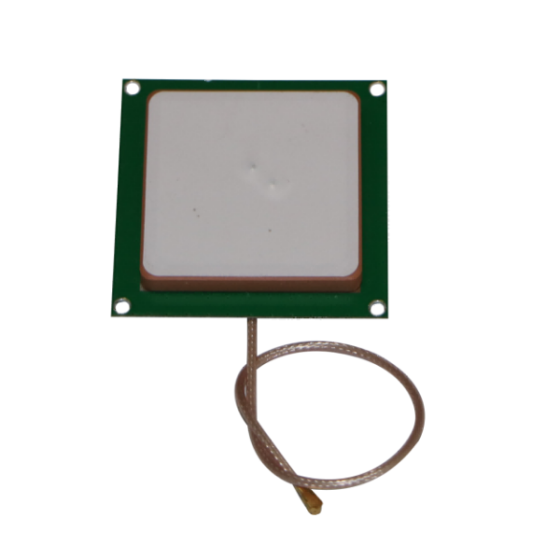
RFID tags offer a practical way to improve tool and equipment inventory management by giving individual assets identifiable digital records. When integrated with compatible RFID readers and inventory software, an RFID system can help businesses locate tagged items, conduct inventory checks, monitor asset movements, and maintain more consistent equipment records.
The benefits depend on the tag design, reader configuration, software integration, and the environment in which the system operates. Understanding these factors helps businesses determine where RFID can provide the most value.
1. What Is RFID Tool and Equipment Inventory Management?
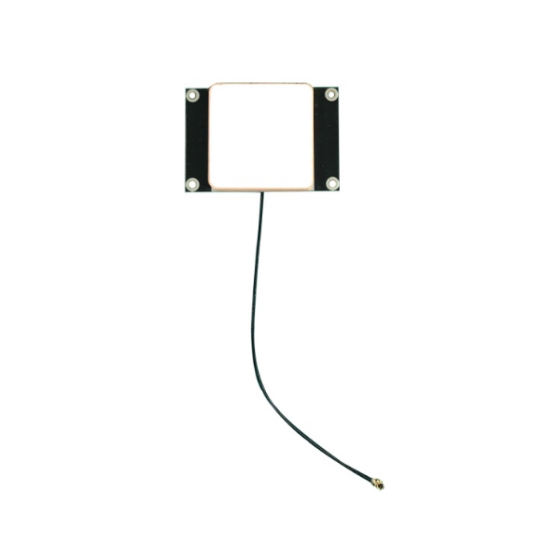
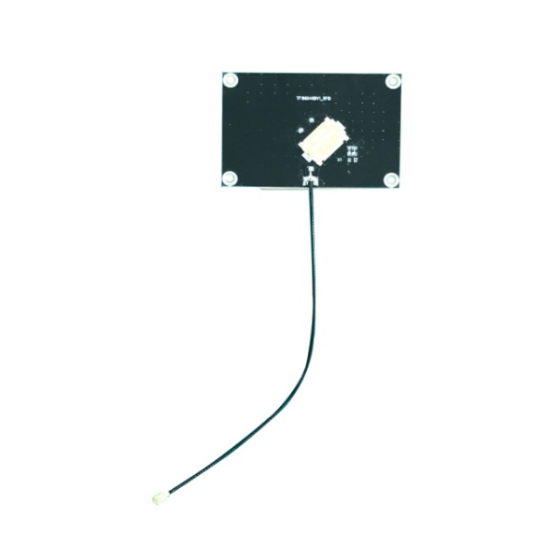
Radio frequency identification (RFID) uses radio waves to identify tagged objects through compatible readers. An RFID tag typically contains a chip and antenna that communicate with the reader according to the supported RFID technology.
In tool and equipment inventory management, each tagged asset is associated with a record in an inventory or asset management system. That record may include the asset name, serial number, assigned department, storage location, maintenance history, and current status.
For example, a manufacturing facility may attach RFID tags to power tools, inspection instruments, maintenance equipment, and reusable fixtures. Employees can then use compatible readers to identify these assets and update inventory records without relying entirely on manual entry.
Unlike a barcode workflow, which generally requires a scanner to see and read each label individually, suitable RFID systems can identify multiple tags within a reader's field at the same time. The actual number of tags read and the reliability of each scan depend on the system design, tag placement, and operating conditions.
2. How RFID Tags Improve Tool Inventory Accuracy
Accurate inventory records are essential for businesses that manage large numbers of tools and shared equipment. Traditional processes often depend on employees recording each item manually, which can introduce missed entries, duplicate records, or delayed updates.
RFID can help standardize the identification process.
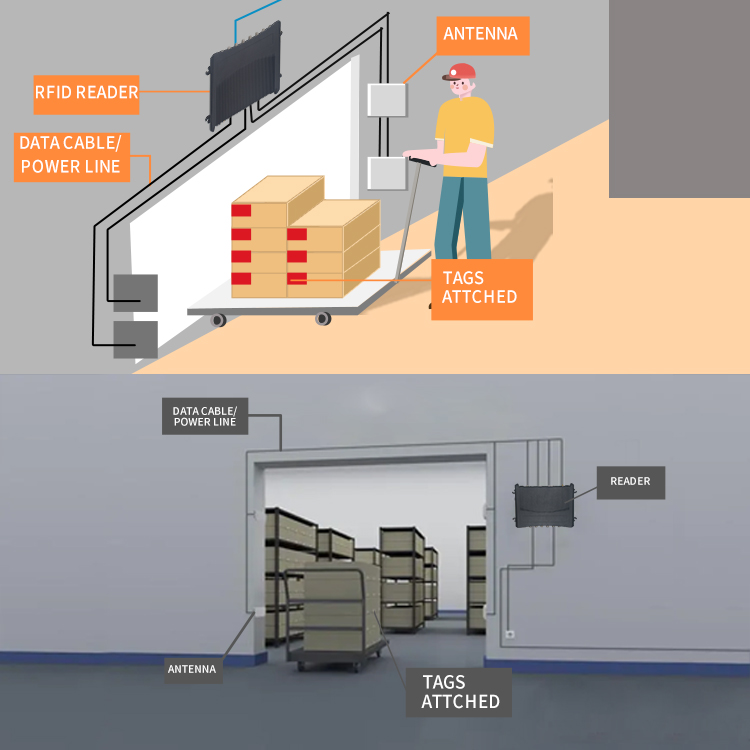
When an employee scans a tagged tool with a compatible handheld reader, the system can retrieve its associated record. Fixed readers can also be used at designated locations to identify tagged assets passing through a monitored area, provided the installation is designed for that purpose.
This can help businesses:
-
Identify tools more consistently during inventory checks.
-
Reduce repetitive manual data entry.
-
Detect discrepancies between physical assets and recorded inventory.
-
Maintain clearer records of equipment assigned to departments or employees.
-
Simplify periodic audits and reconciliation.
RFID does not automatically guarantee accurate inventory. Businesses still need to configure the software correctly, establish clear operating procedures, and verify that tags can be read reliably in the intended environment.
3. Reduce Time Spent Searching for Missing Tools
Searching for misplaced tools can consume valuable time, particularly in large workshops, manufacturing facilities, and maintenance operations where equipment is shared across teams.
RFID-based tool tracking can make asset identification and location checks more systematic.
For example, employees may use handheld RFID readers to scan storage areas, equipment cabinets, or designated work zones. A software system can compare the detected tag identifiers against expected inventory records and help identify items that may be missing from a particular area.
Fixed readers can provide additional visibility at selected entry points, storage areas, or equipment return stations. However, a standard RFID tag does not provide continuous, precise GPS-style location tracking. The location information available depends on where readers are installed and how the system interprets read events.
By designing the workflow around actual equipment movements, businesses can reduce unnecessary searching and make it easier to identify assets that need follow-up.
4. Improve Equipment Checkout and Return Processes
In many organizations, tools are shared between employees, shifts, departments, or job sites. Without a consistent checkout process, equipment can be returned to the wrong location or remain assigned to someone who no longer has it.
RFID can support a more structured process for issuing and returning equipment.
A typical workflow may include:
-
An employee presents an identification card or signs into the asset management system.
-
The tool's RFID tag is scanned by a compatible reader.
-
The system records the checkout event and associates it with the employee or work order.
-
When the tool is returned, another scan updates its status and availability.
-
Exceptions, such as overdue returns or missing assets, can be flagged for review.
The exact workflow depends on the software and reader configuration. RFID identifies the tagged asset; additional software, user authentication, and business rules are needed to associate an item with a person or transaction.
This approach can help maintenance teams and tool rooms maintain clearer accountability without relying solely on handwritten logs or spreadsheets.
5. Support Preventive Maintenance and Equipment Lifecycle Management
Inventory management involves more than knowing how many tools a business owns. Organizations also need to understand where equipment is assigned, whether it is available, and when maintenance or inspection is required.
RFID tags can provide a consistent identifier that links each asset to its maintenance record.
For example, an RFID-tagged inspection instrument may be associated with its calibration date, service history, inspection status, and next scheduled maintenance. When an employee scans the tag, the asset management system can display the relevant information.
This can help businesses:
-
Retrieve maintenance records more efficiently.
-
Identify equipment due for inspection.
-
Reduce confusion between similar tools or instruments.
-
Improve visibility into asset utilization.
-
Support more organized equipment lifecycle records.
RFID tags do not independently measure equipment condition or determine when maintenance is required. Those functions depend on the asset management software, inspection procedures, and any connected sensors or monitoring systems.
6. Choose the Right RFID Tags for Tools and Equipment
RFID performance depends heavily on selecting tags suited to the assets being tracked.
A tag designed for a plastic storage bin may not work reliably when attached directly to a metal wrench, machine housing, or steel equipment cabinet. Before choosing a product, consider the surface material, available mounting space, operating environment, required read range, and expected service life.
Standard RFID Tags
Standard RFID labels or tags may be suitable for tools and equipment with compatible non-metallic surfaces. They can be useful when a compact form factor and straightforward attachment method are important.
Before deployment, verify that the tag adhesive or mounting method is appropriate for the surface and operating conditions.
Anti-Metal RFID Tags
Metal surfaces can interfere with the antenna performance of conventional RFID tags. For metal tools, machinery, and industrial assets, purpose-designed anti-metal RFID tags may offer a more suitable solution.
Depending on the design, these tags may use specialized antenna structures or materials that help manage the effects of nearby metal.
When evaluating anti-metal RFID tags, check:
-
Whether the tag supports direct mounting on the intended metal surface.
-
Its dimensions and available installation space.
-
Compatibility with the RFID frequency and reader system.
-
Read performance on the actual tool or equipment.
-
Resistance to abrasion, vibration, moisture, and other relevant conditions.
Sample testing is particularly important when assets have different shapes, surface finishes, or mounting constraints.
UHF RFID Tags
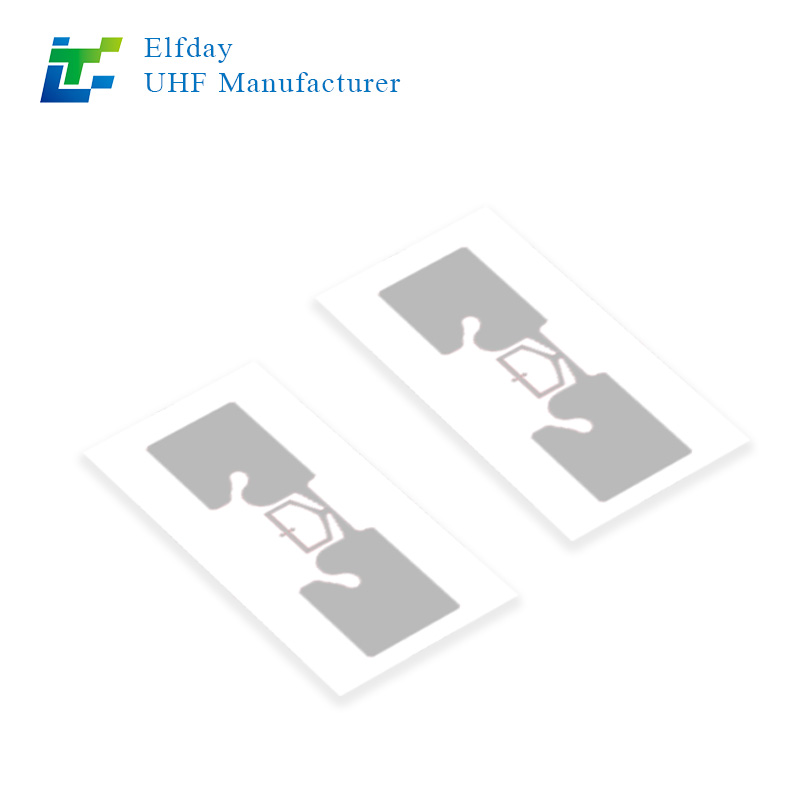
Ultra-high-frequency (UHF) RFID is commonly used for inventory and asset tracking applications where businesses need to identify multiple tagged items efficiently.
UHF tags may be suitable for tool rooms, warehouse equipment, reusable containers, and industrial asset inventories. Performance depends on the tag design, reader and antenna setup, tag orientation, surrounding materials, and local radio regulations.
For applications that require deliberate, close-range scanning, HF RFID or NFC may also be worth evaluating. The right choice depends on the identification workflow and compatible reader devices.
7. Select Tags That Can Withstand the Operating Environment
Tools and equipment may be exposed to impacts, vibration, oils, dust, moisture, temperature changes, and frequent handling. A tag that performs well in a controlled environment may not remain attached or readable under demanding conditions.
Consider the following factors when evaluating RFID tags:
| Requirement | What to check |
| Mechanical durability | Resistance to impact, abrasion, and repeated handling |
| Mounting reliability | Adhesive performance, screws, or other approved attachment methods |
| Environmental protection | Verified resistance to moisture and dust, where required |
| Temperature tolerance | Operating and storage temperature limits |
| Chemical exposure | Compatibility with oils, solvents, and cleaning agents |
| Long-term use | Readability retention and expected service life |
| Space constraints | Tag size, thickness, and available mounting area |
Do not assume that every industrial RFID tag meets every durability requirement. Request relevant technical specifications and test results, then validate representative tags under the actual operating conditions.
For expensive tools or safety-critical equipment, a failed tag may create more than an inventory inconvenience. Tag selection should therefore consider both identification performance and the consequences of losing reliable asset identification.
8. Integrate RFID with Inventory Management Software
RFID tags are most useful when their identifiers connect to accurate, accessible asset records.
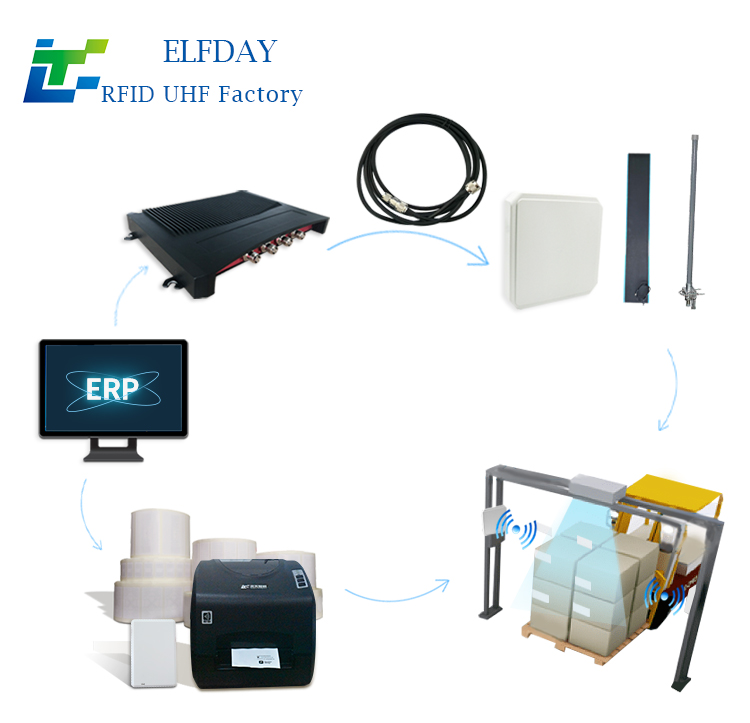
A typical RFID inventory management system includes tags attached to assets, compatible handheld or fixed readers, and software that processes read events and updates records.
When a tag is detected, the software can associate its identifier with the corresponding asset record. Depending on the integration, the system may update inventory status, record a location event, create a checkout transaction, or flag an exception for review.
Before implementation, determine which functions are required:
-
Asset registration and unique identification.
-
Tool assignment and return records.
-
Inventory counts and discrepancy reports.
-
Maintenance and inspection history.
-
Location or zone-based event tracking.
-
Integration with existing inventory, ERP, or asset management software.
-
User permissions and audit trails.
A well-designed integration helps avoid duplicate asset records and ensures that RFID events support real operational decisions.
Businesses should also define how duplicate reads, missed reads, offline readers, and incorrect asset associations will be handled. These details are important for maintaining trustworthy inventory records at scale.
9. Calculate the Business Value of RFID Tool Tracking
RFID implementation costs can include tags, readers, antennas, software, installation, integration, testing, and ongoing maintenance. Businesses should evaluate these costs against the operational problems the system is intended to address.
Potential areas of value include reduced time spent on manual inventory checks, fewer hours spent searching for misplaced equipment, improved checkout records, and better visibility into asset utilization.
For example, a company managing thousands of tools across multiple work areas may benefit from faster periodic inventory checks. A smaller maintenance department may gain more value from clearer equipment checkout and return records.
To evaluate a project, establish a baseline before deployment. Useful measurements include:
-
Time required to complete an inventory count.
-
Number of missing or misplaced tools reported.
-
Labour hours spent searching for equipment.
-
Frequency of inventory discrepancies.
-
Equipment replacement and loss costs.
-
Time required to retrieve maintenance records.
After deployment, compare these measurements against the baseline. The results will help determine whether the system delivers sufficient value and where further improvements may be needed.
10. Best Practices for Implementing RFID Equipment Inventory Management
A successful RFID project begins with a clearly defined business problem rather than a decision to tag every asset immediately.
Follow a structured implementation process:
Step 1: Audit existing assets. Identify the tools and equipment that need tracking, including their materials, locations, movement patterns, and maintenance requirements.
Step 2: Define the use case. Decide whether the main objective is inventory counting, checkout management, location-zone monitoring, maintenance record access, or a combination of functions.
Step 3: Select candidate tags. Compare suitable tag types based on frequency, mounting method, durability, size, and reader compatibility.
Step 4: Run a pilot. Test representative equipment in the actual operating environment. Include metal assets, difficult mounting positions, and frequently moved tools where relevant.
Step 5: Configure the software. Connect tag identifiers to accurate asset records and establish procedures for checkout, return, inventory reconciliation, and exceptions.
Step 6: Measure performance. Evaluate read consistency, inventory accuracy, time savings, and user adoption against predefined acceptance criteria.
Step 7: Scale in stages. Expand the system only after the pilot demonstrates acceptable performance and the operational workflow is ready.
This staged approach can help identify technical and process issues before they affect a larger deployment.
RFID tags can improve tool and equipment inventory management by making asset identification more consistent, reducing dependence on manual records, supporting structured checkout processes, and connecting physical equipment to digital maintenance and inventory information.
The most suitable solution depends on the equipment material, operating environment, required read range, RFID frequency, reader compatibility, and software integration. Standard RFID tags may suit compatible non-metallic surfaces, while purpose-designed anti-metal tags should be considered for many metal tools and industrial assets.
Before investing in a large deployment, businesses should test sample tags on representative equipment, measure the results, and define how RFID data will be used in daily operations.
Looking for RFID tags for tool and equipment tracking? Prepare a list of the assets to be tagged, their surface materials, operating conditions, reader requirements, and estimated quantities. These details will help identify suitable tag options and support a more reliable inventory management solution.