



What Is an RFID Access Control System? How Is Automatic Item Identification Achieved?
An RFID access control system is an identification and authorization solution that uses Radio Frequency Identification (RFID) technology to manage access to buildings, restricted areas, equipment, vehicles, and other controlled locations. By combining RFID tags or cards, RFID readers, controllers, and management software, the system can identify authorized credentials without requiring direct physical contact.
Unlike traditional access control methods that rely on mechanical keys or manual identity checks, RFID technology enables fast, automated identification. When an RFID card, tag, or credential enters the reader's detection area, the reader captures its identification data and sends it to the access control system for verification.
But how exactly does an RFID access control system work? How does it achieve automatic identification, and what components are required to build a complete solution?
This article explains the working principle, system components, identification process, applications, and important selection considerations.
What Is an RFID Access Control System?
An RFID access control system is an electronic security solution that uses radio frequency signals to identify RFID-enabled credentials and determine whether access should be granted.
Each authorized user, vehicle, or managed asset can be assigned an RFID tag or card containing a unique identification number or other relevant data. An RFID reader detects the credential and transmits the collected information to a controller or management platform.
The system then compares the received identification data with its authorization records. If the credential meets the configured access rules, the controller activates the corresponding access device, such as an electronic door lock, turnstile, or barrier gate.
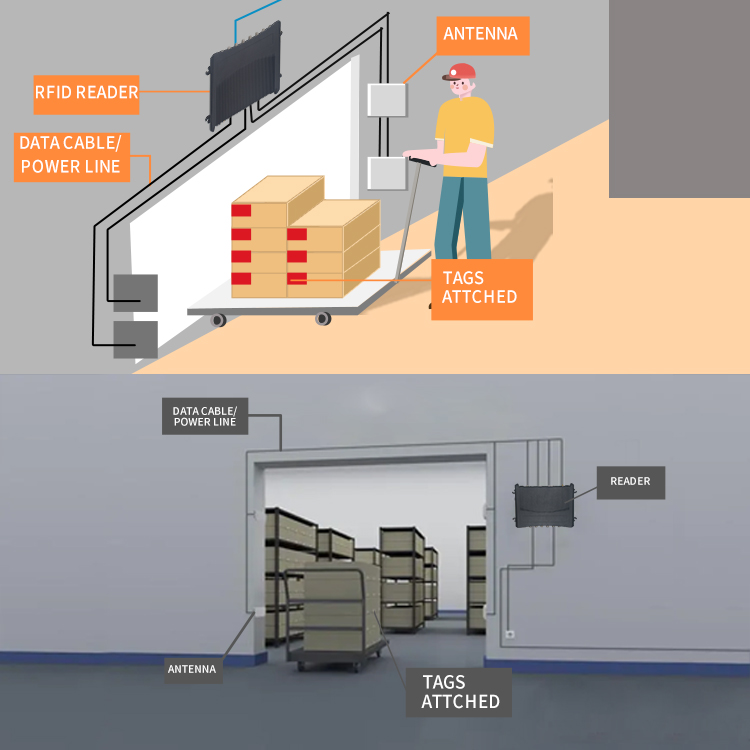
A typical RFID access control system includes:
-
RFID tags or cards: Carry identification information associated with users, vehicles, or assets.
-
RFID readers: Detect and read RFID credentials using radio frequency signals.
-
Access controllers: Process identification results and execute authorization rules.
-
Management software: Stores credential records, manages permissions, and maintains access logs.
-
Access devices: Electronic locks, turnstiles, barriers, or other equipment that controls physical entry.
The system can be configured for different identification requirements, from a single office entrance to multiple access points across a large industrial facility.
How Does an RFID Access Control System Work?
The working principle of an RFID access control system involves communication between an RFID credential and a reader, followed by identity verification and access control.
Although system configurations vary, the general process consists of five steps.
Step 1: Assign an RFID Tag or Card
Each authorized user, vehicle, or managed item is assigned an RFID credential.
The credential contains an identification number that can be associated with a record in the management database. Depending on the application, the credential may be an RFID card, key fob, label, or specially designed RFID tag.
For example, employees may receive RFID access cards, while vehicles may use RFID windshield tags for parking management.
Step 2: The RFID Reader Detects the Credential
When the RFID credential enters the reader's effective detection area, the reader establishes communication with it.
For passive RFID credentials, the reader generates an RF field that supplies the energy required for the tag to respond. The tag then transmits its stored identification information back to the reader.
The communication method depends on the RFID frequency and technology being used.
Common RFID frequency categories include:
-
LF (Low Frequency): Commonly used in certain short-range identification and access applications.
-
HF (High Frequency): Often used for contactless cards and access credentials, including systems operating at 13.56 MHz.
-
UHF (Ultra-High Frequency): Used in applications that require longer-range identification, such as vehicle identification, logistics, and certain hands-free access scenarios.
The appropriate frequency depends on the required reading distance, environment, credential format, and system design.
Step 3: The System Collects Identification Data
After receiving the tag response, the RFID reader forwards the identification data to the access controller or connected management system.
The system uses this information to locate the corresponding credential record.
For example, an employee's RFID card number may be associated with:
-
Employee identification
-
Department or job role
-
Authorized access areas
-
Permitted access time periods
-
Credential status
For item identification applications, the RFID number can instead be linked to product details, asset records, inventory information, or movement records.
Step 4: Verify Identity and Access Permissions
The access control software or controller compares the received identification information with its authorization rules.
The system may check whether:
-
The RFID credential is registered.
-
The credential is active and has not been disabled.
-
The user or vehicle is authorized for the requested area.
-
The access request falls within the permitted time period.
-
Additional security conditions have been satisfied.
If the credential meets the configured requirements, the system sends an authorization command. Otherwise, access is denied.
It is important to distinguish identification from authentication: reading an RFID identifier establishes which credential has been detected, but a basic RFID identifier alone does not necessarily prove the identity of the person carrying it. Higher-security systems may require encrypted credentials, mutual authentication, PIN entry, biometrics, or other verification methods.
Step 5: Execute the Access Command and Record the Event
Once authorization is completed, the controller activates the corresponding access device.
Depending on the installation, this may involve:
-
Unlocking an electronic door.
-
Opening a turnstile.
-
Raising a parking barrier.
-
Activating an equipment access mechanism.
At the same time, the system can record the event, including the credential ID, reader location, date, time, and authorization result.
These records help administrators review access activity, investigate exceptions, and manage security permissions.
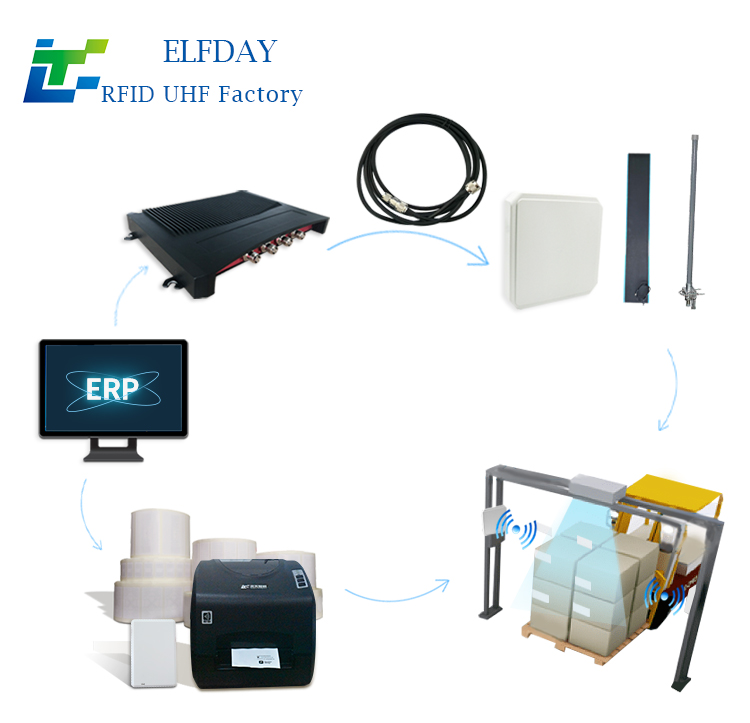
How Does RFID Achieve Automatic Item Identification?
Automatic identification is one of the most important capabilities of RFID technology.
Traditional barcode identification usually requires a scanner to obtain a clear view of the printed barcode. RFID uses radio frequency communication, allowing a reader to identify compatible tags without requiring direct optical visibility.
The process can be explained through four key stages.
Attach an RFID Tag to Each Item
An RFID tag is attached to or integrated into the item that needs to be identified.
Each tag has an identification code that distinguishes it from other tagged items. Depending on the application, the tag may be attached to a product, carton, pallet, tool, equipment component, or vehicle.
For industrial applications, tag selection should consider the item's material, installation position, operating environment, and RFID frequency.
Establish Communication Between the Reader and Tag
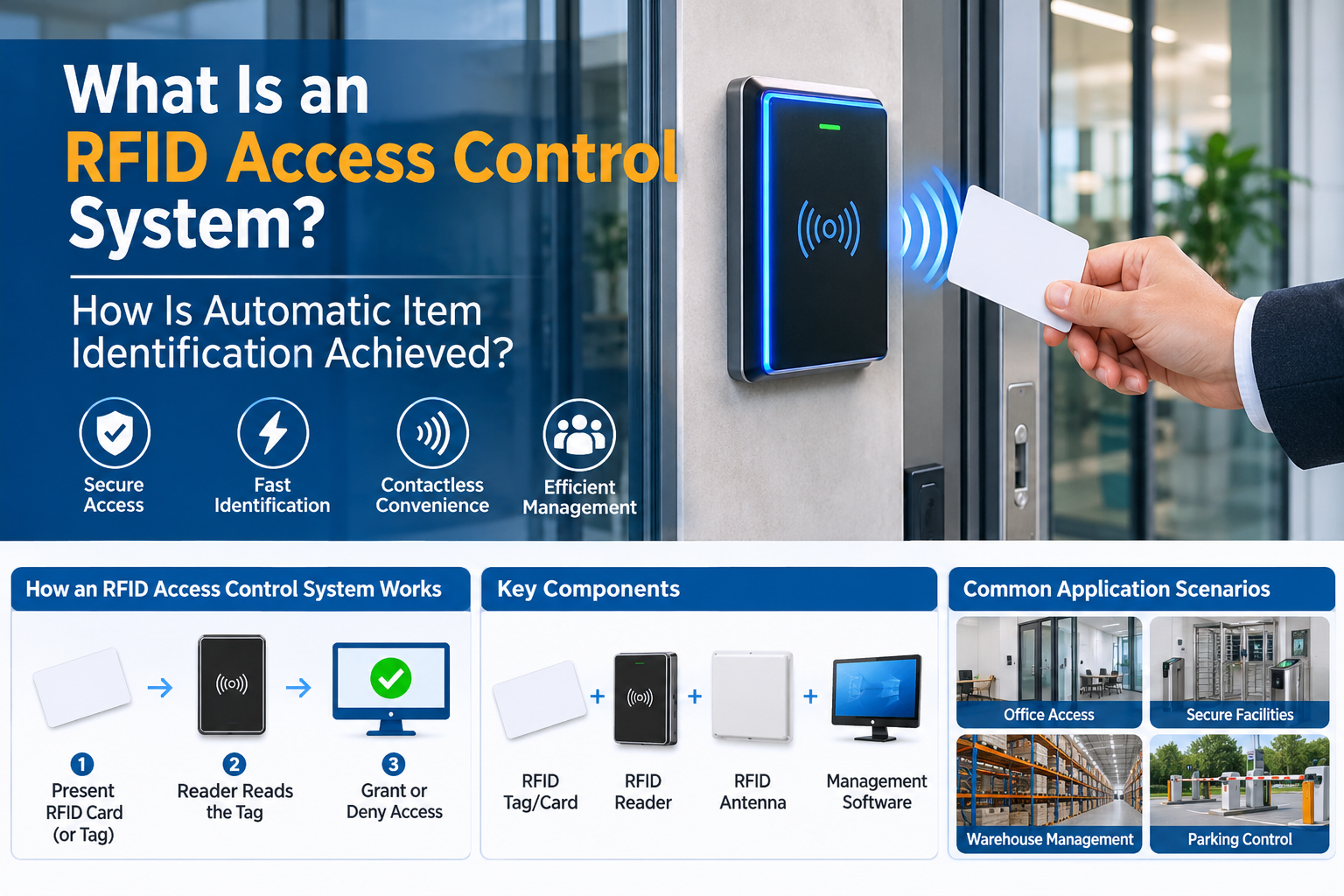
When the tagged item enters the reader's detection area, the reader sends out an RF signal.
The RFID tag responds according to its communication protocol and technology. The reader captures the response and obtains the tag's identification information.
For UHF RFID applications, a reader may identify multiple compatible tags within its coverage area. The actual results depend on factors such as tag orientation, antenna configuration, interference, tag population, and reader settings.
Match the Tag ID With Item Information
The identification code collected by the reader is transmitted to the software platform.
The platform searches its database and matches the tag ID with the corresponding item record.
For example:
| RFID Tag ID | Associated Item Information |
|---|---|
| RFID001 | Industrial Motor A |
| RFID002 | Warehouse Pallet 02 |
| RFID003 | Production Tool 15 |
| RFID004 | Finished Product Batch 08 |
The RFID tag does not necessarily need to store every detail about an item. In many systems, it only carries an identifier, while detailed product information is maintained in the database.
Update the Identification or Tracking Record
After matching the tag ID, the software can update the relevant business record.
Depending on the system configuration, this may include:
-
Recording an item entering or leaving a designated area.
-
Updating inventory status.
-
Associating an item with a storage location.
-
Recording equipment movement between departments.
-
Triggering an alert when an unexpected tag is detected.
In this way, RFID enables automatic item identification and supports more efficient inventory and asset management.
However, RFID detection does not automatically provide continuous real-time positioning. In many applications, the system records identification events at installed reader locations or designated detection zones.
What Are the Main Components of an RFID Access Control System?
A complete RFID access control solution requires several hardware and software components working together.
RFID Tags and Access Cards
RFID tags and cards act as identification credentials.
Common formats include:
-
RFID access cards
-
RFID key fobs
-
RFID wristbands
-
RFID labels
-
Vehicle RFID tags
-
Industrial RFID tags
Different applications require different tag designs. For example, employee access cards are generally designed for convenient daily use, while vehicle identification may require tags suitable for installation on windshields or vehicle surfaces.
RFID Readers
RFID readers communicate with tags and collect identification information.
The reader must be compatible with the frequency and protocol supported by the selected RFID credentials.
For example, HF readers are commonly used with contactless access cards, while UHF readers may be used for applications involving longer-range vehicle or asset identification.
Explore our RFID Reader solutions to learn more about RFID reading devices.
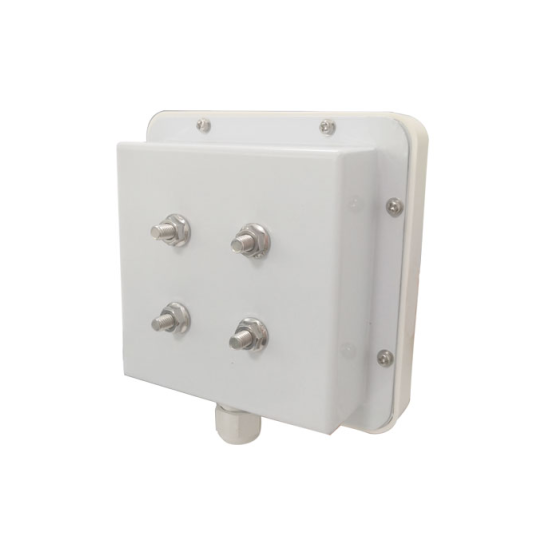
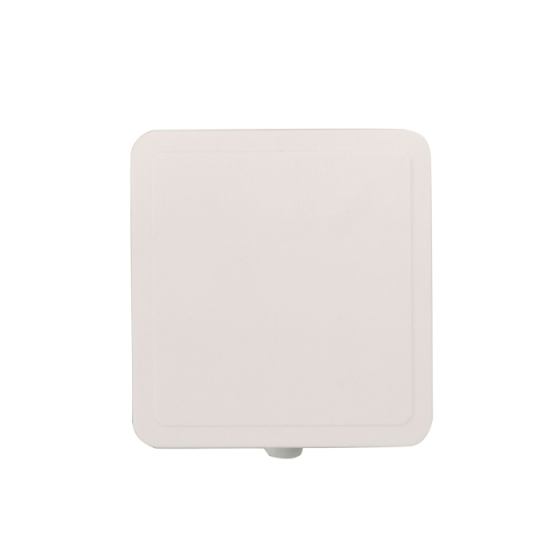
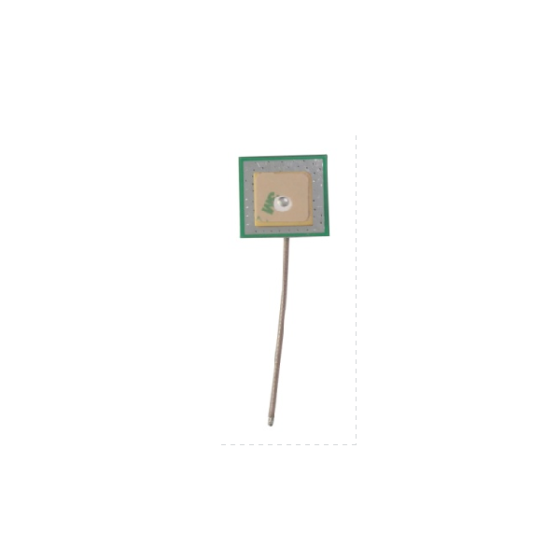
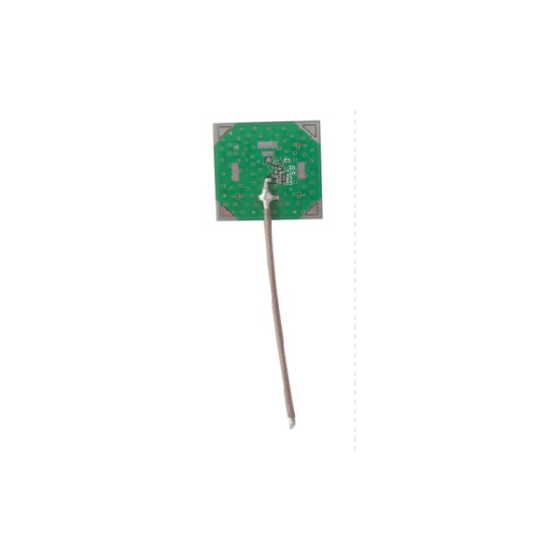
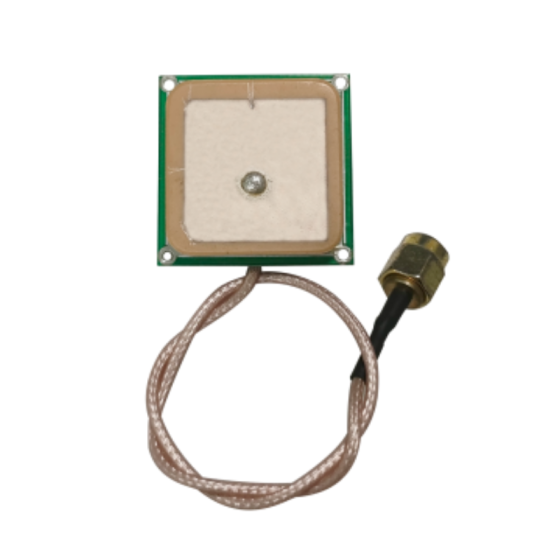
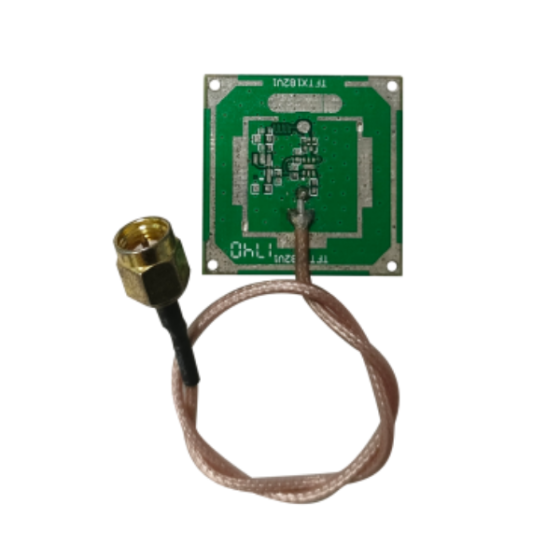
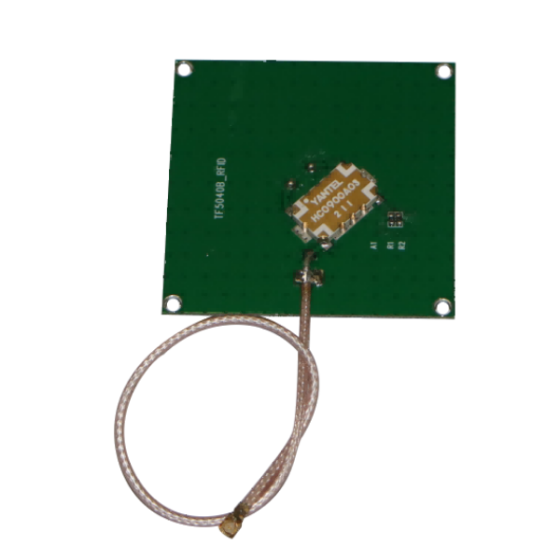
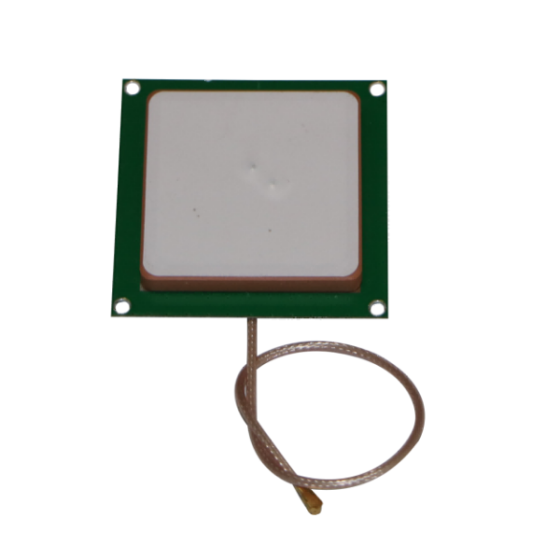
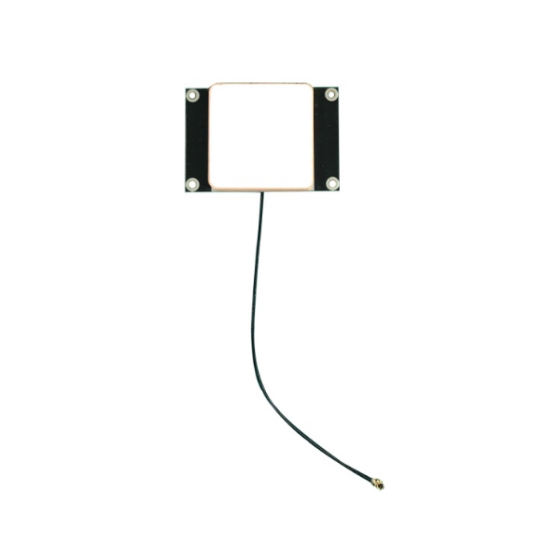
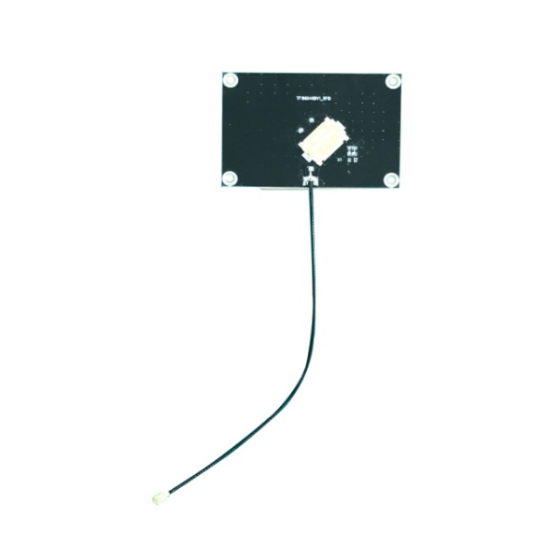
RFID Antennas
In systems using external antennas, the antenna transmits RF signals and receives responses from RFID tags.
Antenna selection influences the reader's coverage area and identification performance.
Important considerations include:
-
Operating frequency
-
Antenna gain
-
Polarization
-
Beamwidth
-
Impedance
-
Installation position
-
Environmental protection requirements
For UHF RFID access points, antenna placement and coverage design are particularly important when identifying multiple tags or vehicles moving through a controlled area.
Access Controller
The access controller receives identification information and executes authorization instructions.
It connects the RFID identification process with physical access devices, such as electronic locks, turnstiles, and parking barriers.
Depending on the system architecture, authorization decisions may be processed locally, centrally, or through a combination of both.
Management Software
Management software provides a centralized interface for configuring and operating the system.
Typical functions include:
-
Credential registration and management
-
User permission configuration
-
Access schedule management
-
Access event records
-
Alarm and exception management
-
Device status monitoring
-
Data export and reporting
For larger deployments, the platform may also integrate with enterprise systems such as ERP, WMS, HR, or security management platforms.
What Are the Common Applications of RFID Access Control Systems?
RFID access control technology is used in many environments where automatic identification and controlled access are required.
Office and Building Access Control
Companies can issue RFID cards or key fobs to employees and authorized visitors.
When a credential is presented to a reader, the system checks its permissions and controls access to designated doors or areas.
Administrators can manage access rights by department, employee role, location, or time schedule.
Warehouse and Industrial Facility Management
RFID technology can support access management and automatic identification at warehouse entrances, production areas, and restricted industrial zones.
For example, an RFID-enabled entrance can identify authorized personnel, while a separate UHF RFID gate can detect tagged pallets or containers moving through a designated checkpoint.
These are related but distinct functions: personnel access control determines who may enter, while item identification records which tagged goods or assets pass through a detection area.
Parking Lot and Vehicle Access Control
RFID vehicle tags can be used to identify registered vehicles at parking entrances and exits.
When a compatible tag is detected, the system checks the vehicle record and applies the configured access rules. If authorization is successful, the barrier can open automatically.
The performance of a vehicle identification system depends on tag installation, antenna positioning, vehicle speed, detection-zone design, and environmental conditions.
Restricted Areas and Secure Facilities
Factories, laboratories, server rooms, and other restricted environments may use RFID credentials to manage access to sensitive areas.
Access permissions can be assigned according to job responsibilities and security requirements.
For higher-security environments, RFID should be combined with additional authentication methods and appropriate security policies rather than relying solely on a readable tag number.
Equipment and Asset Access Management
RFID can also help identify tools, equipment, and other managed assets at controlled locations.
For example, an organization may install RFID readers at an equipment storage room to record tagged tools entering or leaving the area.
This makes it easier to maintain equipment records and review movement history. The system design should ensure that the reader detects the intended tags without collecting excessive reads from nearby areas.
What Is the Difference Between RFID Access Control and Traditional Access Control?
RFID access control differs from traditional key-based and barcode-based approaches in how credentials are presented and identified.
| Comparison | Traditional Key Access | Barcode Identification | RFID Access Control |
| Identification method | Mechanical key | Optical scanning | Radio frequency communication |
| Physical contact | Key must enter lock | Scanner must read barcode | Contactless identification |
| Line of sight | Not applicable | Usually required | Not generally required |
| Automatic identification | Limited | Requires scanning | Supported by compatible RFID readers |
| Multiple-tag identification | Not applicable | Usually one barcode at a time | Supported by some RFID systems |
| Data management | Often manual or separate | Requires connected software | Can integrate with access management software |
RFID offers convenient contactless identification and can support automated workflows. However, it is not automatically more secure than every alternative. Security depends on the RFID technology, credential design, encryption, authentication method, controller configuration, and overall system implementation.
How Should You Choose an RFID Access Control Solution?
Selecting an appropriate RFID access control solution requires evaluating the application rather than choosing hardware based on a single specification.
Consider the following factors.
Identify the Application Requirements
First, determine what needs to be identified and controlled.
Is the system intended for employee access, visitor management, vehicle entry, warehouse checkpoints, or industrial asset identification?
Different applications may require different tag types, reader technologies, antenna arrangements, and access devices.
Select the Appropriate RFID Frequency
Choose the RFID frequency according to the required identification method and operating environment.
-
LF may be suitable for certain proximity identification applications.
-
HF is widely used for contactless access cards.
-
UHF can support applications requiring wider detection areas or identification of multiple tagged objects.
Make sure the tags, readers, and antennas are compatible.
Evaluate the Reading Environment
The installation environment can affect RFID communication.
Metal surfaces, liquids, nearby electronic equipment, tag orientation, and physical obstructions may influence identification performance.
For industrial applications, test the selected tags and readers under actual installation conditions before finalizing the system.
Consider Security and Authorization Requirements
Determine whether basic credential identification is sufficient or whether the application requires stronger authentication.
For sensitive areas, consider encrypted credentials, secure communication, anti-passback rules, multi-factor authentication, and detailed access logs where appropriate.
Plan for Software Integration
A well-designed system should fit existing business processes.
For example, office access control may need integration with employee records, while warehouse identification may need to exchange data with a WMS or ERP platform.
Confirm communication interfaces, data formats, permission management, and system maintenance requirements before deployment.
Common Questions About RFID Access Control Systems
Does an RFID access control system require physical contact?
No. RFID systems use radio frequency communication, so compatible credentials can generally be identified without being physically inserted into a reader. Some access systems require a card to be presented close to the reader, while others are designed for identification at a greater distance.
Can one RFID reader identify multiple tags at the same time?
Some RFID technologies, particularly UHF RFID, support anti-collision mechanisms that allow a reader to identify multiple tags within its coverage area. Actual performance depends on the reader, tag population, antenna configuration, environment, and system settings.
Can RFID access control be used for vehicle management?
Yes. RFID vehicle identification systems can use tags installed on vehicles and readers positioned at entrances or exits. The system can verify vehicle records and control barriers according to configured permissions.
Is an RFID access card the same as an RFID tag?
An RFID access card is one type of RFID credential. RFID tags are available in many forms, including cards, labels, key fobs, wristbands, and industrial tags. The appropriate format depends on the application.
Can RFID access control systems connect to other management platforms?
Yes. Depending on the hardware and software interfaces, an RFID access control system can integrate with platforms such as HR systems, ERP, WMS, and other security management solutions.
Can RFID identify items as well as people?
Yes. RFID technology can identify tagged products, tools, pallets, containers, vehicles, and equipment. However, the system configuration for item tracking may differ from personnel access control. Item identification often focuses on recording the movement and status of tagged objects, while access control focuses on verifying permissions.
An RFID access control system combines RFID tags, readers, controllers, and management software to provide contactless identification and automated access management.
When a credential enters the reader's detection area, the reader captures its identification information and sends it to the system for verification. The controller then grants or denies access according to predefined rules and records the relevant event.
Beyond personnel access, RFID technology can also support automatic identification of vehicles, tools, products, pallets, and industrial assets. By selecting suitable RFID tags, readers, antennas, and software, businesses can build identification solutions that fit their operational requirements.
If you are planning an RFID access control or automatic identification project, choosing compatible RFID hardware and testing it in the actual operating environment are important steps toward a reliable deployment.
Explore EFLDAY's RFID tags, readers, and antenna solutions to find suitable components for your RFID identification project.