



Which RFID Tag Failures Can Increase Operating Costs?
RFID tag failures can significantly increase operating costs by reducing inventory accuracy, disrupting workflows, increasing labor requirements, and causing lost or delayed shipments.
For businesses using RFID technology in warehouses, logistics, retail, manufacturing, and asset tracking, the following are some of the most costly RFID tag failures to watch out for.
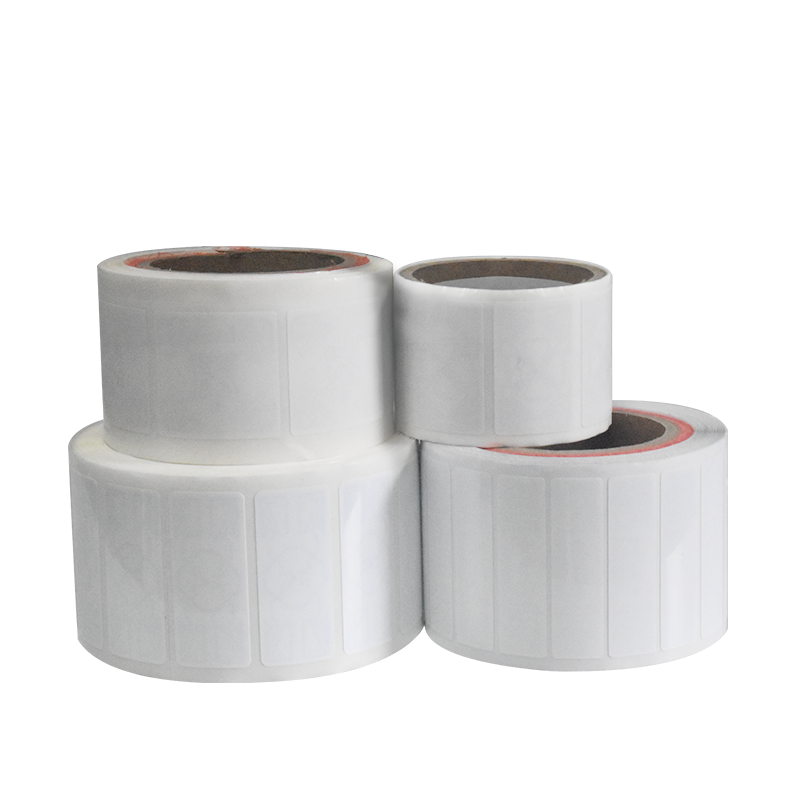
Common RFID Tag Failures That Increase Operating Costs
1. RFID Tag Physical Damage
Cracked antennas, damaged chips, or broken connections can prevent tags from transmitting data.
Cost impact:
Frequent tag replacement
Manual scanning and data entry
Increased maintenance expenses
2. Poor Read Performance
Tags with insufficient read range or inconsistent signal performance may not be detected reliably by RFID readers.
Cost impact:
Repeated scanning
Inventory discrepancies
Slower warehouse operations
3. Incorrect Tag Selection
Using standard RFID tags on metal surfaces or liquid containers without suitable design can cause signal interference and poor read rates.
Cost impact:
Missed asset identification
Additional installation costs
Repeated tag replacement
4. Adhesive Failure and Tag Detachment
Poor-quality adhesive or unsuitable mounting materials can cause RFID tags to peel off during transportation or storage.
Cost impact:
Lost tracking information
Re-labeling expenses
Reduced traceability
5. Environmental Damage
Moisture, extreme temperatures, chemicals, UV exposure, and vibration can damage RFID tags that are not designed for the operating environment.
Cost impact:
Premature tag failure
Increased replacement frequency
Equipment tracking interruptions
6. Incorrect RFID Encoding
Incorrect EPC numbers, duplicate identifiers, or incomplete data encoding can cause identification errors.
Cost impact:
Incorrect inventory records
Shipping and receiving errors
Additional labor for data correction
7. Inconsistent Tag Quality
Variations in chip performance, antenna design, and manufacturing quality can lead to inconsistent reading results across batches.
Cost impact:
Higher quality-control costs
Unpredictable system performance
Increased downtime and maintenance
How RFID Tag Failures Affect Business Costs
Different RFID failures create different types of financial losses.
|
Cost category |
Business impact |
|
Labor costs |
More manual scanning and troubleshooting |
|
Inventory costs |
Missing items and inaccurate stock records |
|
Maintenance costs |
Frequent tag replacement and system inspection |
|
Logistics costs |
Shipment delays and tracking errors |
|
Operational costs |
Reduced productivity and workflow interruptions |
|
Quality control costs |
Additional testing and defective tag screening |
How to Prevent RFID Tag Failures
Businesses can reduce operating costs by choosing RFID tags based on their actual application requirements.
Select the right RFID tag: Choose suitable tags for metal, liquid, plastic, or other materials.
Check read performance: Evaluate read range, sensitivity, antenna design, and polarization.
Verify environmental resistance: Consider waterproof ratings, operating temperatures, chemical exposure, and mechanical durability.
Use reliable RFID chips: Select quality chips with consistent performance and encoding reliability.
Conduct batch testing: Test read rates, encoding accuracy, and physical durability before large-scale deployment.
Ensure proper installation: Use appropriate mounting methods and tag positioning.
RFID tag failures are not just hardware problems. They can create hidden operating expenses throughout inventory management, warehouse operations, logistics, and asset tracking.
The most expensive problems are often poor read performance, incorrect tag selection, environmental damage, and inconsistent product quality.
Investing in reliable RFID tags with application-specific designs can help businesses reduce replacement costs, minimize manual labor, and maintain more accurate tracking operations.