



Benefits of Using RFID Tags for Factory Assets You Didn’t Know
In today’s fast-paced industrial world, managing factory assets efficiently is more important than ever. Many factories struggle with misplaced equipment, time-consuming manual checks, and costly inventory errors. That’s where RFID tags for factory assets come in—a simple yet powerful solution that transforms the way factories operate. While most people know RFID can track items, there are several surprising benefits you may not have considered.
Effortless Real-Time Tracking
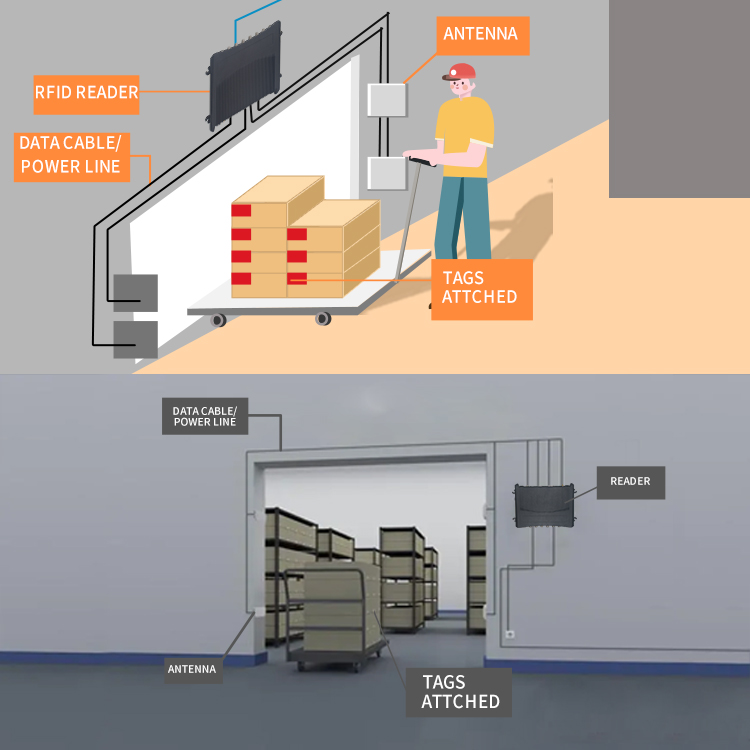
One of the most significant advantages of RFID tags for factory assets is real-time tracking. Unlike barcodes that require manual scanning, RFID tags can be read automatically from a distance, even through obstacles. This means your factory team can locate tools, machinery, or raw materials instantly, saving countless hours spent searching for misplaced items. The result? Increased productivity and fewer operational delays.
Reduced Human Error
Manual tracking is prone to mistakes—misplaced assets, incorrect records, or missed inspections can cause serious disruptions. By using RFID tags for factory assets, these errors are drastically reduced. The automated system ensures that every item is accurately logged and monitored, providing reliable data that management can trust. For factory managers, this means fewer headaches and smoother operations.
Enhanced Maintenance Scheduling
Unexpected equipment downtime can halt production and affect deadlines. RFID tags for factory assets allow factories to monitor the usage and condition of machinery automatically. By tracking operational hours and identifying wear patterns, maintenance can be scheduled proactively rather than reactively. This predictive approach keeps assets in peak condition, reduces breakdowns, and extends the lifespan of expensive equipment.
Improved Inventory Management
Keeping track of every item in a large factory can be overwhelming. RFID tags for factory assets simplify inventory management by providing instant visibility of stock levels. Managers can quickly identify shortages, monitor high-value assets, and prevent overstocking. Accurate inventory data also supports better planning, ensuring that production lines run smoothly without unexpected interruptions.
Strengthened Security and Loss Prevention
Theft and misplacement of factory assets can lead to substantial losses. RFID tags for factory assets enhance security by alerting staff when an item leaves a designated area or goes missing. This added layer of protection not only prevents theft but also discourages careless handling, creating a safer and more accountable work environment.
Easy Integration with Existing Systems
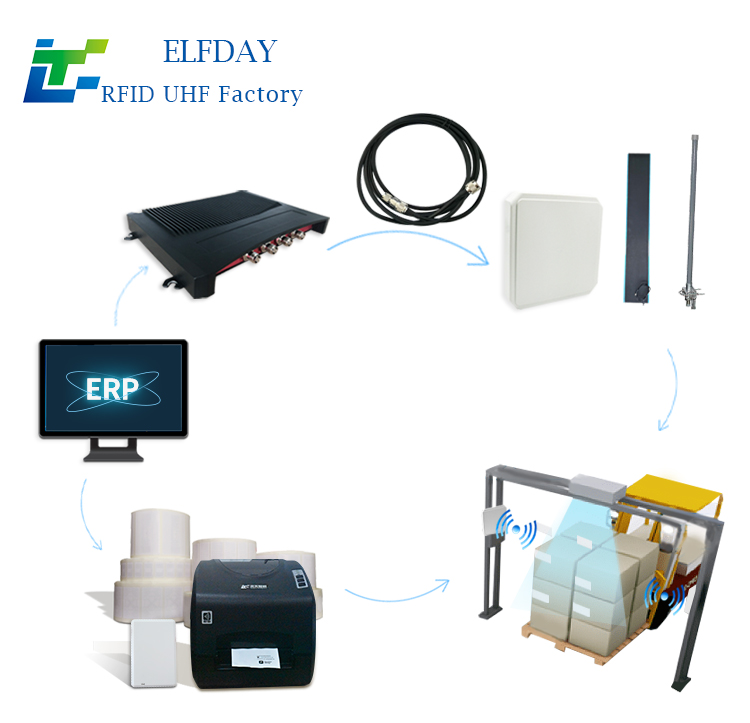
Many factories worry that adopting new technology will disrupt existing workflows. Fortunately, RFID tags for factory assets are highly compatible with modern factory management systems. They can seamlessly integrate with asset management software, ERP systems, and even IoT networks. This ensures smooth implementation without requiring a complete overhaul of current processes.
Data-Driven Decision Making
Beyond tracking, RFID tags for factory assets provide valuable insights into operational patterns. Managers can analyze asset usage, identify bottlenecks, and optimize workflow. This data-driven approach empowers factories to make informed decisions, improve efficiency, and ultimately increase profitability.
While RFID may seem like a simple tracking tool, its benefits extend far beyond basic inventory management. From real-time tracking and error reduction to predictive maintenance and enhanced security, RFID tags for factory assets offer practical advantages that can revolutionize factory operations. Implementing RFID technology is not just a step toward modernization—it’s a strategic investment that boosts efficiency, reduces downtime, and strengthens overall asset control.
If your factory is looking to improve productivity, safeguard valuable assets, and streamline operations, adopting RFID tags for factory assets could be the solution you didn’t know you needed.