



Car RFID Tag for Automatic Vehicle Identification in Parking Lots
Managing vehicle movement in a busy parking lot can be challenging, especially when hundreds or thousands of cars enter and leave throughout the day. Traditional parking management methods often rely on tickets, access cards, manual checks, or license plate recognition. While these methods can work, they may require additional equipment, staff involvement, or driver interaction.
A car RFID tag provides another way to identify vehicles automatically. By assigning a unique digital identity to each vehicle, RFID technology can help parking operators recognize authorized vehicles, record entry and exit activity, and improve the efficiency of everyday parking operations.
What Is a Car RFID Tag?
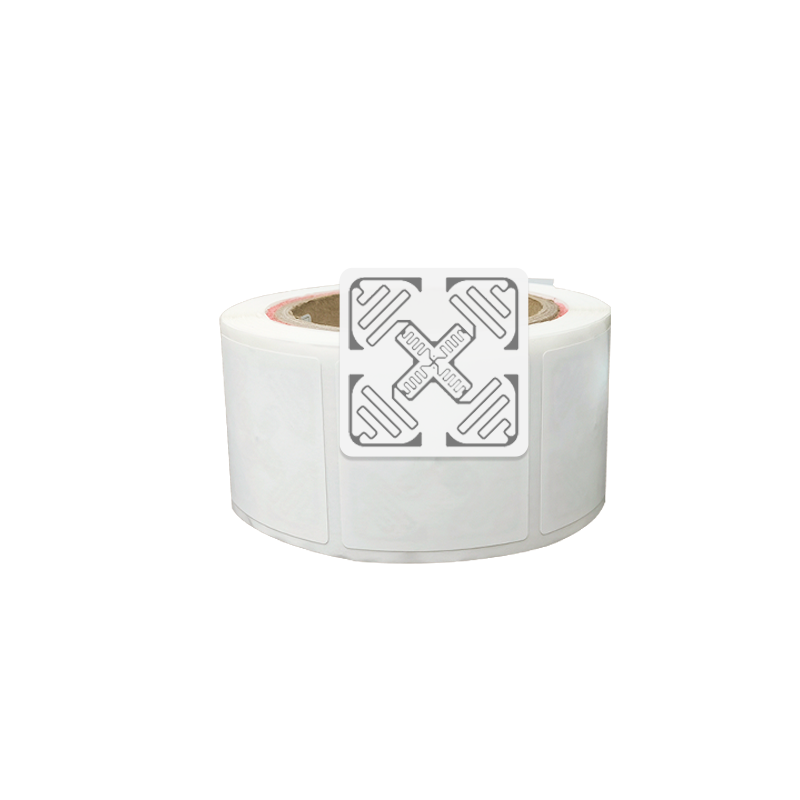
A car RFID tag is an RFID identification tag designed to be associated with a specific vehicle. Each tag contains a unique identification number that can be detected by a compatible RFID reader.
Depending on the application, the tag may be installed on a vehicle windshield, body panel, license plate area, or another suitable location. When the vehicle passes within the reader's operating range, the RFID system can capture the tag information and transmit it to parking management software.
This creates a digital connection between the physical vehicle and its parking record.
Unlike a traditional parking ticket that requires the driver to collect, keep, and present a physical item, RFID-based identification can reduce the amount of manual interaction required during routine vehicle entry and exit.
How Does RFID Vehicle Identification Work in Parking Lots?
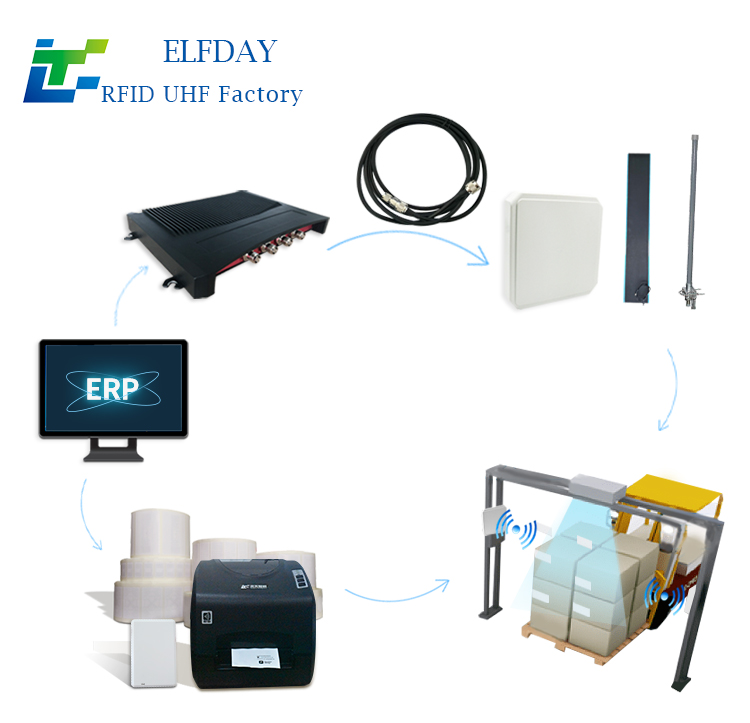
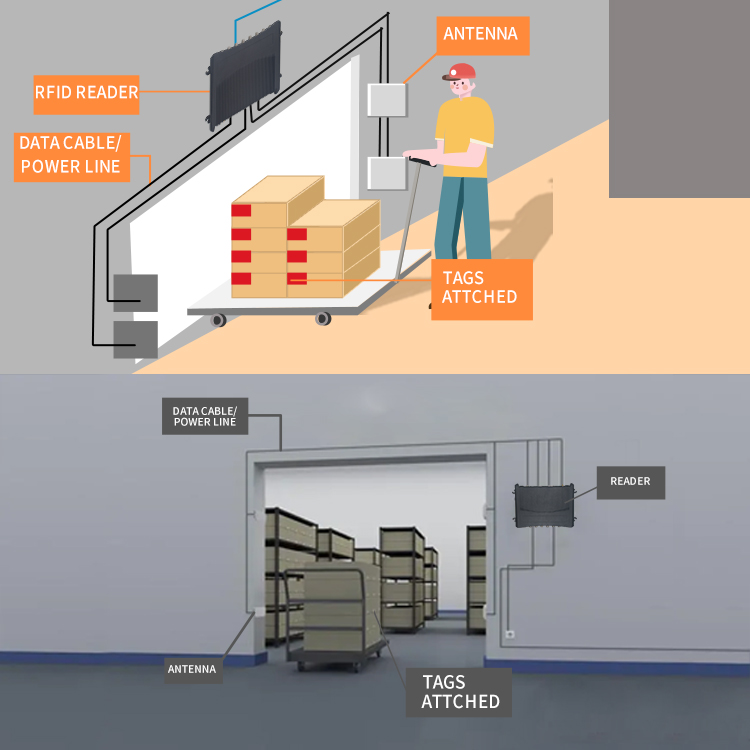
An RFID parking system typically includes a car RFID tag, RFID reader, antenna, access control equipment, and management software.
The process generally works as follows:
- A tag is assigned to the vehicle
Each authorized vehicle receives a unique RFID tag. - The vehicle approaches the entrance
As the vehicle reaches the parking entrance, the RFID reader detects the tag. - The tag ID is captured
The reader receives the unique identification number associated with the vehicle. - The system verifies the vehicle
Parking software checks the tag information against stored vehicle or user records. - Access is managed automatically
If the vehicle meets the configured access rules, the parking gate or barrier can be activated. - The event is recorded
The system can store information about the vehicle's entry or exit for later management and reporting.
The same process can be applied at parking exits, creating a more consistent method for monitoring vehicle movement.
Car RFID Tag for Parking Lot Entry and Exit
One of the most useful applications of a car RFID tag is automated entry and exit management.
At a busy parking facility, manually checking every vehicle can create delays, particularly during peak hours. RFID can automate the vehicle identification step so that authorized vehicles can be recognized as they approach an access point.
For example, a business parking facility may assign RFID tags to employees. When an employee drives into the parking lot, the RFID reader identifies the vehicle and the system verifies its access permissions.
At the exit, another reader can capture the same vehicle's tag information and record the departure.
This provides parking operators with a clearer picture of vehicle activity without requiring employees to manually record every movement.
Reducing Manual Parking Checks
Manual vehicle checks can consume significant time when parking facilities handle a large volume of traffic.
Security personnel may need to inspect parking permits, verify access cards, or manually record vehicle information. These processes can become less efficient during busy periods.
A car RFID tag can automate the initial vehicle identification process. Once the RFID reader captures the tag ID, the system can compare it with the parking database and determine whether the vehicle is authorized.
This does not necessarily eliminate the need for parking staff. Instead, it can allow staff to focus on exceptions, visitor management, security concerns, and other tasks that require human attention.
Improving Parking Records
Accurate parking records are important for facilities that need to monitor vehicle activity.
An RFID system can associate vehicle identification data with events such as:
- Entry time
- Exit time
- Parking location
- Vehicle or user ID
- Access authorization
- Repeated visits
The exact information recorded depends on the parking management system and its configuration.
Having digital records can make it easier to review vehicle activity, manage authorized users, and identify unusual access patterns.
For facilities with multiple entrances and exits, RFID can also help create a more centralized view of vehicle movement.
Applications of Car RFID Tags in Parking Facilities
RFID vehicle identification can be used in many different parking environments.
Commercial Parking Garages
Shopping centers, office buildings, and commercial parking garages can use RFID to manage authorized vehicles and automate access points.
Long-term users can be assigned individual RFID tags, reducing the need for repeated manual verification.
Residential Parking
Apartment buildings and residential communities can use RFID tags to identify resident vehicles. This can help separate authorized residents from visitors and provide more convenient access to designated parking areas.
Corporate Parking Lots
Companies with employee parking facilities can assign tags to company vehicles or employee vehicles. RFID can help manage access permissions and maintain digital entry and exit records.
Airport Parking
Large airport parking facilities handle substantial vehicle volumes and require efficient traffic management. RFID-based identification can support automated vehicle processing at designated access points.
Private and Restricted Parking Areas
Industrial facilities, warehouses, campuses, and other private properties can use RFID to control access to restricted parking areas.
Only vehicles with appropriate authorization can be configured for access, depending on the site's parking management rules.
Benefits of Using a Car RFID Tag for Parking
Faster Vehicle Identification
RFID readers can identify tagged vehicles without requiring drivers to manually present a card or parking permit. This can help simplify routine access procedures.
More Efficient Vehicle Management
Digital identification allows parking operators to manage vehicles using electronic records rather than relying entirely on manual processes.
Reduced Administrative Work
Automating repetitive identification tasks can reduce the workload associated with routine parking checks and record keeping.
Better Parking Visibility
When vehicle movements are recorded digitally, operators can gain better visibility into parking activity and user access.
Convenient Driver Experience
For authorized users, automated RFID identification can make entering and leaving a parking facility more convenient.
Choosing the Right Car RFID Tag for Parking Applications
The performance of an RFID parking system depends on more than the tag alone. Parking operators should consider several factors when selecting a car RFID tag.
Read Range
The required reading distance depends on the layout of the parking entrance, vehicle speed, reader position, and antenna configuration.
If vehicles need to be identified before reaching a gate, a longer-range RFID solution may be appropriate.
Installation Method
Tags can be designed for different mounting locations. Windshield installation may be suitable for some applications, while exterior mounting may be preferable in others.
The installation method should provide stable positioning and reliable communication with the RFID reader.
Environmental Conditions
Outdoor parking facilities expose tags and readers to changing weather conditions. Temperature fluctuations, moisture, dust, and sunlight should be considered when selecting an RFID tag.
Reader Compatibility
The car RFID tag should be compatible with the RFID reader and operating frequency used by the parking system.
Security Requirements
Parking operators should also consider how RFID identification data will be managed. Access permissions, user records, and system integration should be configured according to the facility's security requirements.
RFID vs. Traditional Parking Identification
Traditional parking systems can include paper tickets, magnetic cards, proximity cards, or manual vehicle checks. Each method has advantages and limitations.
RFID stands out because it enables automated wireless identification. A tagged vehicle can be recognized by a reader without requiring the driver to physically present an identification card.
However, RFID does not need to replace every existing parking technology. In some facilities, RFID can work alongside other identification methods to create a layered parking management solution.
For example, RFID can provide primary vehicle identification while cameras or other security technologies provide additional verification when needed.
Building a Smarter Parking Management System
A car RFID tag is only one component of an automated parking solution. The best results come from combining tags with properly positioned RFID readers, antennas, barriers, access control equipment, and parking management software.
Before deployment, operators should evaluate traffic patterns, entrance and exit layouts, expected read distances, vehicle types, and environmental conditions.
Testing the RFID system under real parking conditions is also important. Factors such as vehicle speed, tag placement, nearby metal structures, and reader positioning can affect identification performance.
With appropriate system design, RFID can become an effective tool for improving vehicle identification and simplifying daily parking operations.
A car RFID tag can give every authorized vehicle a unique digital identity and provide parking operators with a more efficient way to manage vehicle entry and exit.
From commercial garages and residential parking areas to corporate lots, airports, and private facilities, RFID-based vehicle identification can reduce repetitive manual checks, improve parking records, and provide better visibility into vehicle activity.
As parking facilities continue to look for ways to automate routine operations, RFID offers a practical approach to making vehicle identification faster, more consistent, and easier to manage.