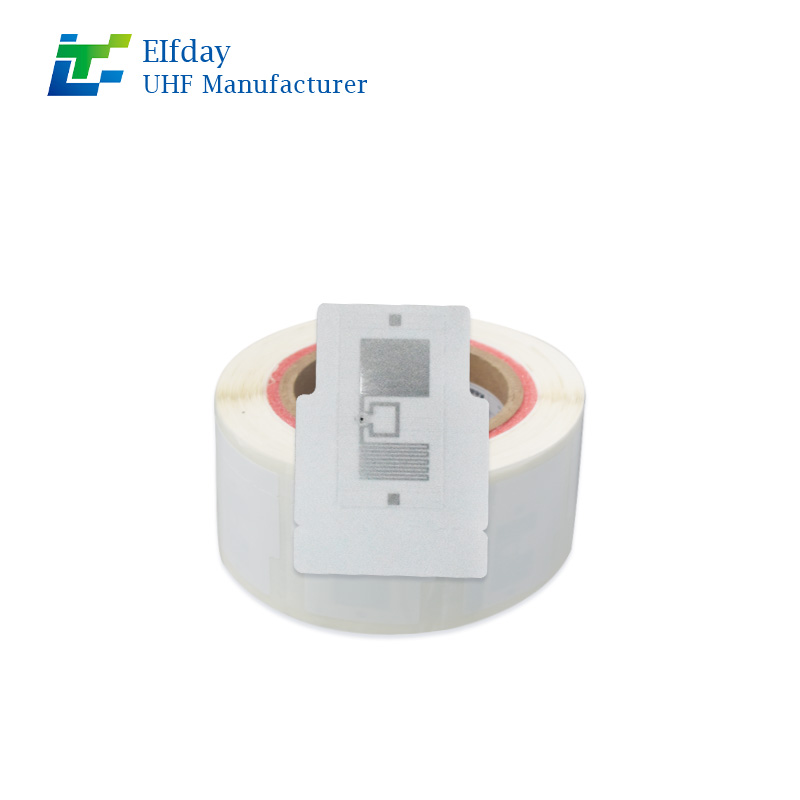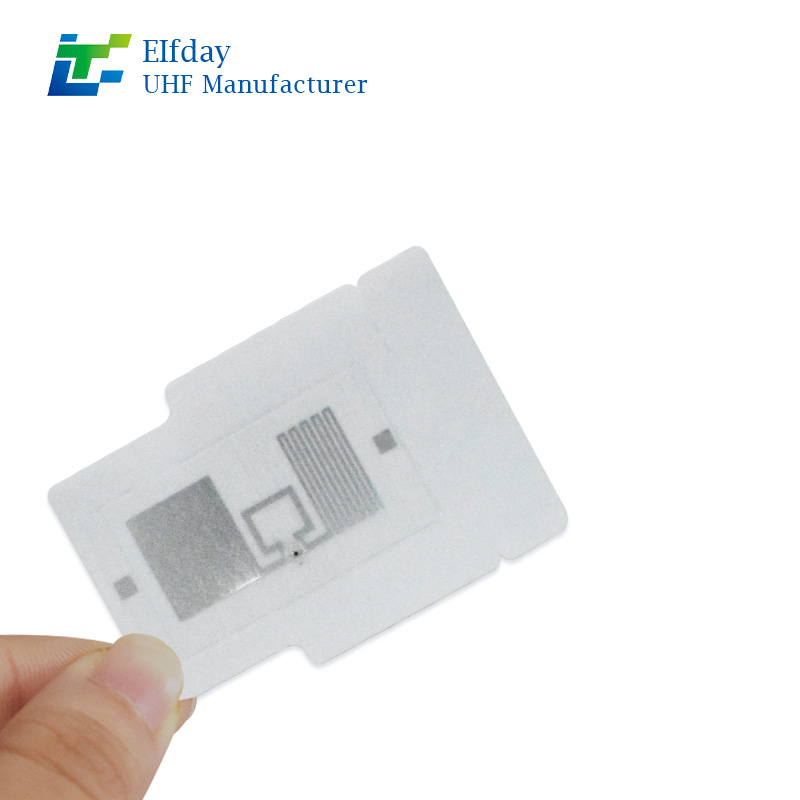


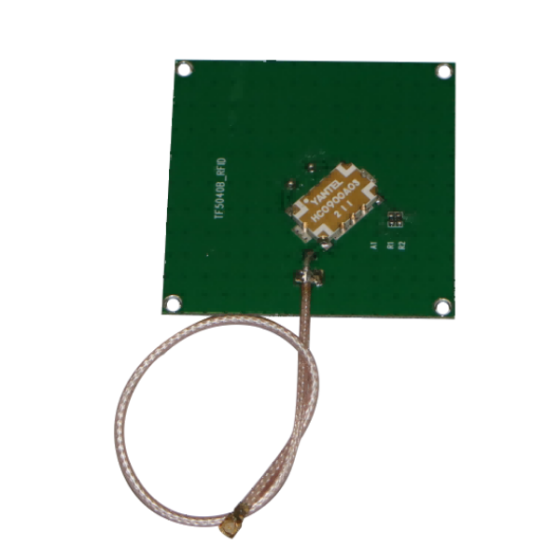
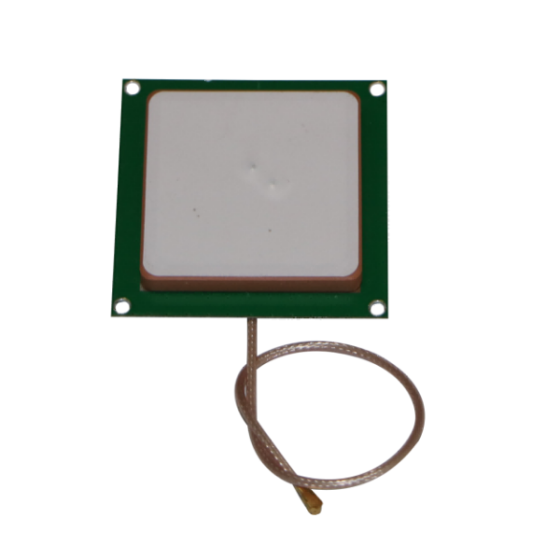
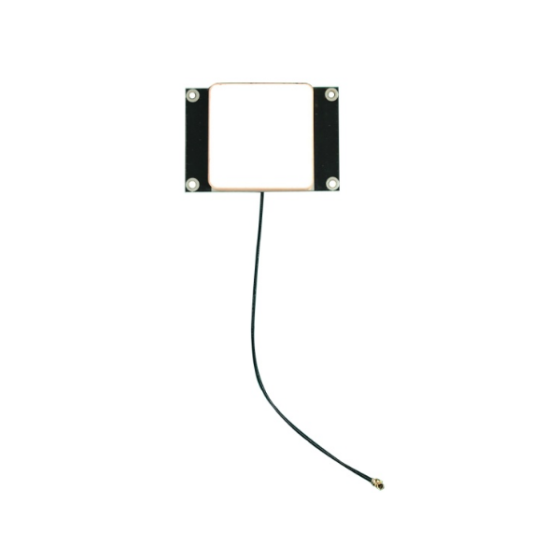
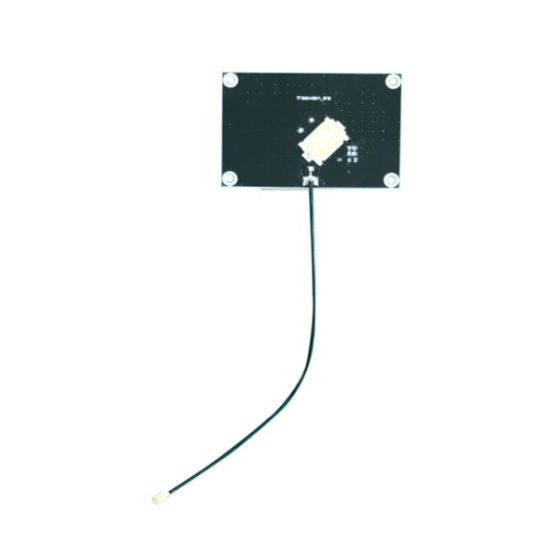


High Performance Healthcare RFID Tags for Medical Asset Management Systems
In modern healthcare facilities, managing thousands of medical devices, critical equipment, and shared resources is a complex daily challenge. Hospitals must ensure that essential assets are available when needed, properly maintained, and easy to locate across emergency rooms, operating rooms, patient care departments, and storage areas.
Traditional tracking methods often make it difficult to maintain accurate equipment records. Medical devices can be moved between departments, shared by multiple teams, or misplaced during busy operations. Healthcare RFID tags provide a reliable solution for improving medical asset visibility, enabling faster identification, real-time tracking, and more efficient equipment management.
By attaching healthcare RFID tags to medical assets, hospitals can improve equipment availability, reduce asset loss, and create smarter medical asset management systems.
Improve Medical Asset Management with Healthcare RFID Tags
Healthcare facilities rely on a wide range of medical equipment every day, including patient monitoring devices, diagnostic equipment, mobile medical tools, and emergency resources. Keeping track of these assets manually can consume valuable staff time and increase the risk of inaccurate records.
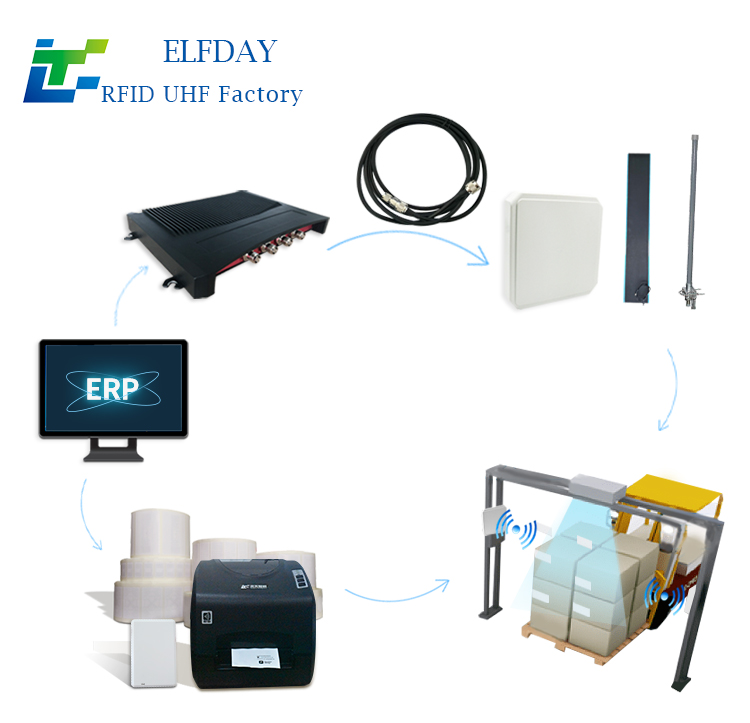
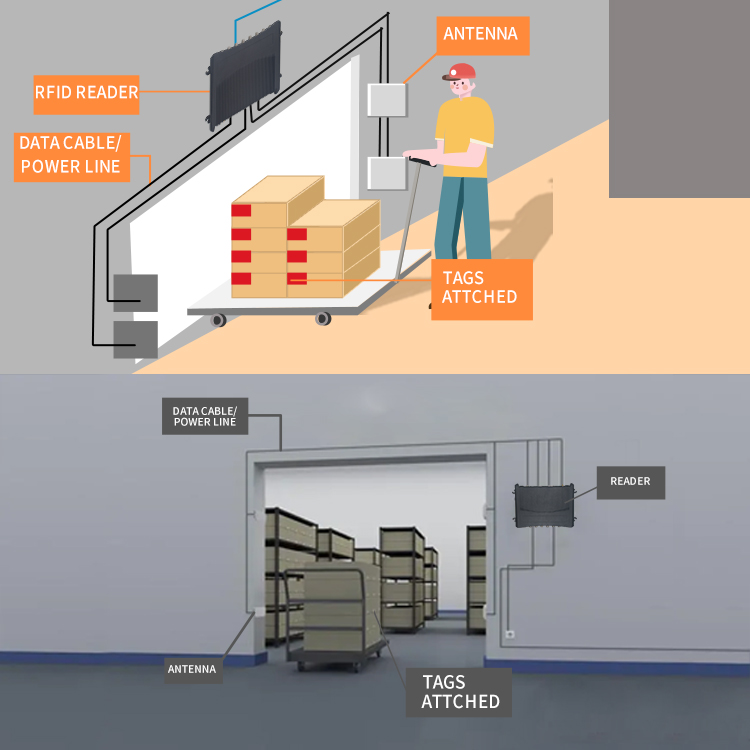
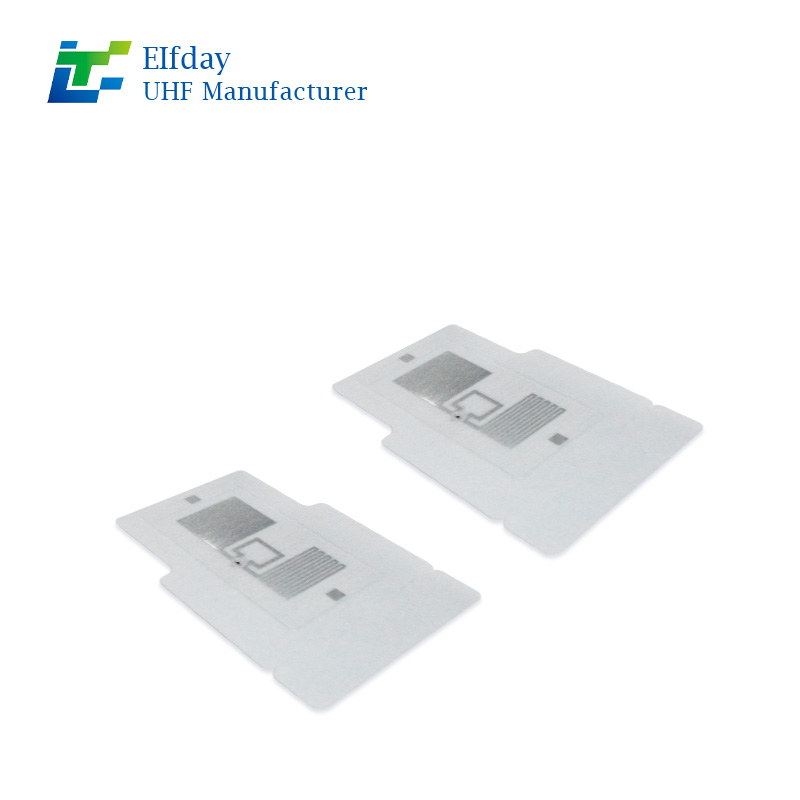
Healthcare RFID tags use RFID technology to provide automated identification and tracking of medical assets. Unlike traditional barcode labels that require direct scanning, RFID tags can be quickly identified using compatible RFID readers, helping healthcare teams locate equipment more efficiently.
With RFID-based asset management, hospitals can:
- Quickly identify medical equipment locations
- Improve asset availability
- Reduce time spent searching for devices
- Maintain accurate equipment records
- Optimize department resource management
This allows healthcare professionals to focus more on patient care while improving operational efficiency.
Real-Time Medical Equipment Tracking Across Hospital Departments
Large hospitals often have multiple departments where equipment is constantly moving. A device used in an emergency room may later be transferred to an operating room, intensive care unit, or another patient care area.
Without effective tracking, staff may experience challenges such as:
- Difficulty locating available equipment
- Delays caused by missing devices
- Poor visibility of asset movement
- Inefficient equipment allocation
By applying healthcare RFID tags to medical devices, hospitals can create better visibility throughout the facility. RFID tracking systems help teams understand where assets are located, whether equipment is available, and how resources are being utilized.
For example, mobile medical equipment such as infusion pumps, wheelchairs, monitoring devices, and diagnostic tools can be tracked more efficiently, ensuring critical resources are available when required.
Reduce Lost Medical Devices and Improve Equipment Availability
Medical equipment represents a significant investment for healthcare organizations. When devices are misplaced or unavailable, hospitals may face unnecessary replacement costs and workflow disruptions.
Healthcare RFID tags for medical asset tracking help reduce these challenges by creating a digital identity for each asset. Hospitals can monitor important information such as:
- Equipment location
- Asset identification details
- Usage history
- Maintenance schedules
- Department ownership
With improved asset visibility, healthcare teams can quickly locate devices, reduce unnecessary purchases, and improve the overall utilization of medical resources.
Applications of Healthcare RFID Tags in Medical Facilities
Healthcare RFID tags can be used across many areas of medical asset management.
Medical Device Tracking
Hospitals can attach RFID tags to diagnostic equipment, patient monitoring devices, and treatment equipment to improve visibility and availability.
Emergency Equipment Management
Emergency departments can track critical equipment to ensure important resources are easy to locate during urgent situations.
Surgical Instrument Tracking
Healthcare facilities can improve organization and management of surgical tools and reusable medical instruments.
Hospital Inventory Management
Medical supplies, reusable assets, and essential resources can be monitored more accurately through automated RFID identification.
Why Choose High Performance Healthcare RFID Tags?
Healthcare environments require tracking solutions that are accurate, reliable, and suitable for long-term use. High performance RFID tags provide several advantages for medical asset management systems.
Fast and Accurate Identification
RFID technology enables healthcare teams to identify multiple tagged assets quickly, improving efficiency during inventory checks and equipment searches.
Better Asset Visibility
Real-time tracking information helps hospitals understand equipment locations and availability across different departments.
Reduced Manual Workload
Automated data collection minimizes the need for manual recording and improves the accuracy of asset information.
Flexible Application Options
Healthcare RFID tags can be designed for different medical devices, equipment surfaces, and operating environments.
Build a Smarter Medical Asset Management System
As healthcare operations continue to become more complex, hospitals need smarter ways to manage valuable medical resources. Manual tracking methods may not provide the speed, accuracy, and visibility required in modern healthcare environments.
High performance healthcare RFID tags for medical asset management systems provide a reliable way to track medical devices, improve equipment availability, and optimize hospital operations.
From emergency equipment and patient care devices to surgical tools and shared medical assets, RFID technology helps healthcare facilities create more organized and efficient asset management processes.
By improving visibility, reducing misplaced equipment, and ensuring critical resources are available when needed, healthcare RFID tags support smarter healthcare operations and better resource utilization.