

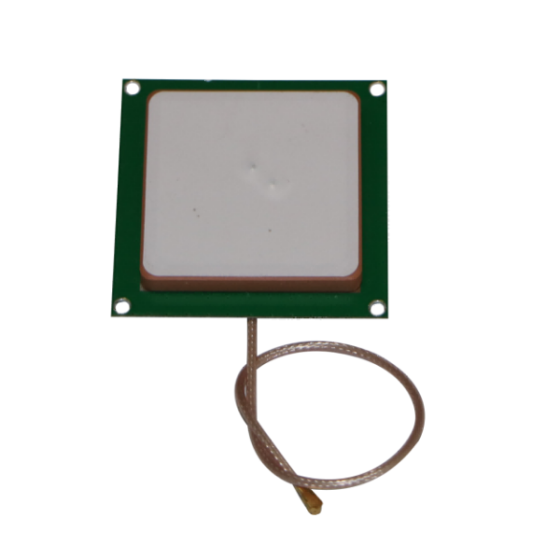
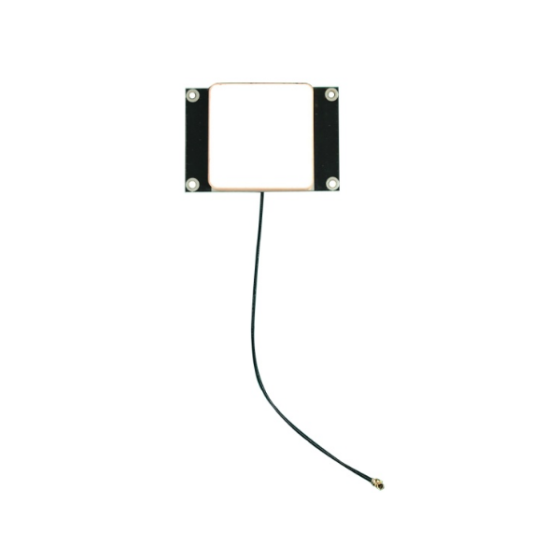
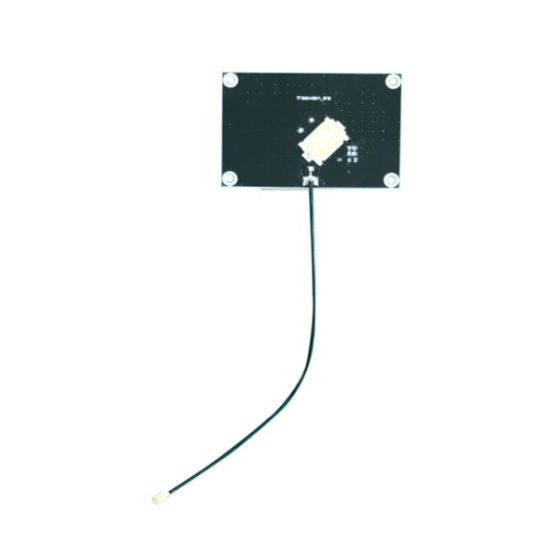


High Quality RFID Asset Tag for Easy Laptop and Server Identification
Managing IT equipment can become increasingly difficult as businesses grow. Laptops, servers, network devices, monitors, printers, and other peripherals may be distributed across offices, server rooms, storage areas, and remote workspaces. When asset records rely mainly on manual checks, it can take considerable time to confirm where equipment is located and whether inventory records are accurate.
A high quality RFID asset tag provides a practical way to give each IT asset a unique digital identity. When attached to laptops, servers, network devices, and other equipment, RFID tags can work with RFID readers to support faster identification and more efficient inventory management.
What Is an RFID Asset Tag?
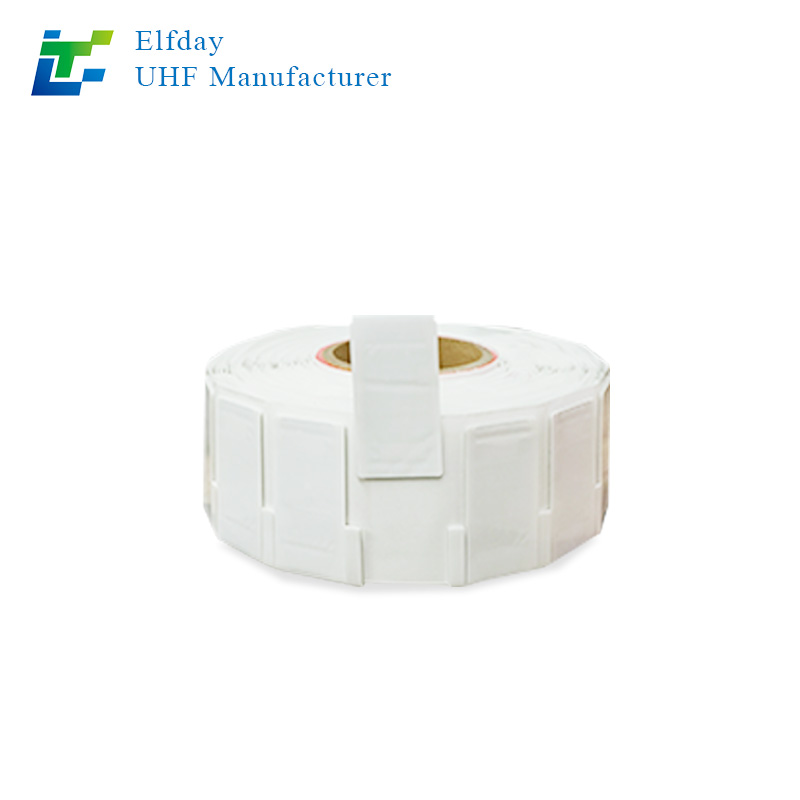
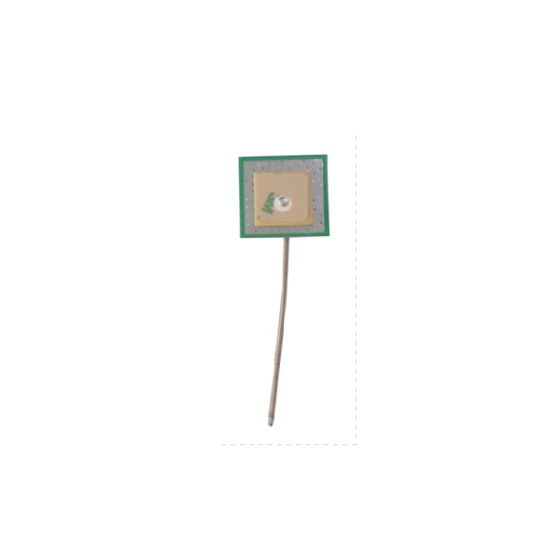
An RFID asset tag is a physical identification tag containing an RFID chip and antenna. Each tag can store or associate a unique identification number with a specific asset.
Unlike traditional labels that require employees to visually read information or scan a barcode one item at a time, RFID technology allows compatible readers to identify tags wirelessly. Depending on the RFID system and operating environment, multiple tagged assets can be identified without requiring direct line-of-sight scanning.
For IT departments, this can make routine asset management more convenient. Instead of manually checking every laptop or server, staff can use RFID equipment to help identify assets and compare physical inventory with digital records.
Why Use a High Quality RFID Asset Tag for IT Equipment?
IT equipment represents a significant investment for many organisations. Keeping accurate records is therefore important for inventory control, maintenance, equipment allocation, and internal audits.
A high quality RFID asset tag can provide each item with a consistent digital identity. This makes it easier to connect physical equipment with information such as asset numbers, location records, department ownership, maintenance history, or other data stored in an asset management system.
For example, an IT department may assign one RFID tag to each laptop. The tag's unique ID can then be associated with the laptop's serial number and internal asset record. When the equipment needs to be checked, RFID technology can help staff identify the physical asset more efficiently.
Laptop Asset Tracking
Laptops are often moved between offices, meeting rooms, storage areas, and employees. This mobility can make traditional asset tracking challenging.
A high quality RFID asset tag can be attached to the laptop or another suitable location. Each tagged device can then have its own unique RFID identity.
During an inventory check, IT staff can use an RFID reader to identify multiple tagged devices more efficiently than manually checking asset labels. This can help answer common questions such as:
- Which laptops are currently in the office?
- Which devices are available for allocation?
- Are all expected laptops accounted for?
- Which assets may need further inspection?
- Are physical assets consistent with inventory records?
This approach can reduce repetitive manual work while improving visibility across the laptop inventory.
Server Identification and Data Centre Management
Servers and networking equipment are another important area where RFID asset identification can be useful.
Data centres and server rooms may contain large numbers of servers, switches, routers, storage devices, racks, and related equipment. Many devices can look similar, making manual identification inconvenient during inventory audits or maintenance activities.
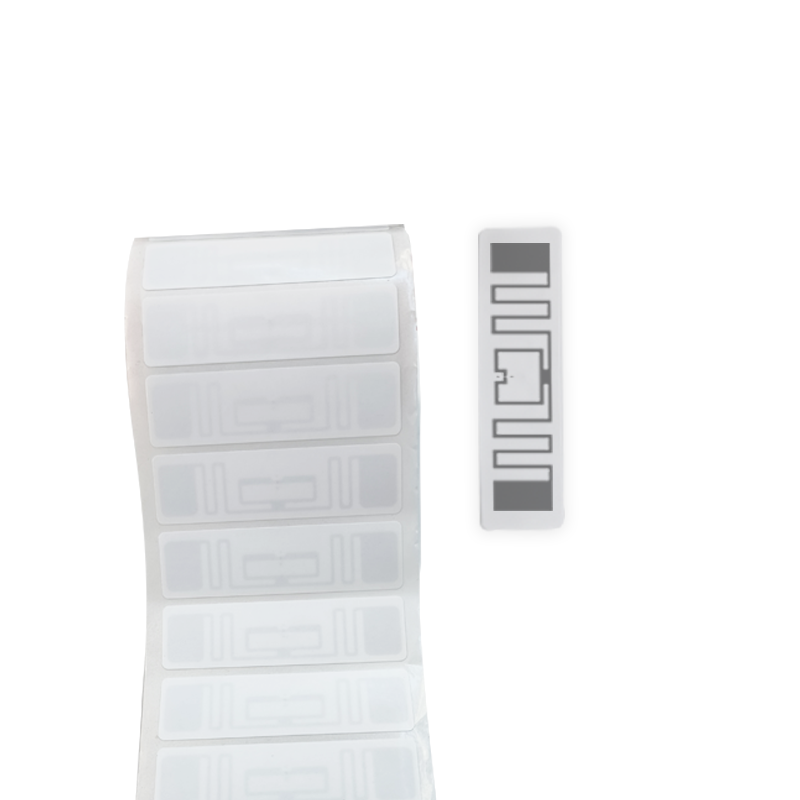
A high quality RFID asset tag can give each server or network device a unique identity. IT teams can associate the RFID identification number with information in their asset management database.
During routine inspections, RFID readers can help staff identify equipment more efficiently. This can support inventory verification and make it easier to maintain accurate records as equipment is installed, relocated, replaced, or retired.
For environments with a high density of metal equipment, selecting an RFID asset tag specifically designed for the intended mounting surface is particularly important. Tag design and installation can affect RFID read performance.
Tracking Network Devices and Peripherals
IT asset management is not limited to laptops and servers. Organisations may also need to manage monitors, printers, docking stations, access points, routers, switches, keyboards, specialised devices, and other peripherals.
Using a high quality RFID asset tag across different categories of equipment can create a more consistent identification process.
For example, a business could assign RFID tags to:
- Desktop computers
- Laptops
- Servers
- Network switches
- Routers
- Wireless access points
- Monitors
- Printers
- Storage equipment
- Docking stations
- IT tools and accessories
Each asset can be connected to its own record, helping IT staff maintain a clearer overview of equipment throughout its lifecycle.
Faster IT Inventory Checks
Traditional IT inventory checks can involve spreadsheets, printed lists, barcode scanners, and manual verification. While these methods can work for smaller inventories, they may become less efficient as the number of assets increases.
RFID can help simplify this process by enabling wireless identification of compatible tagged assets.
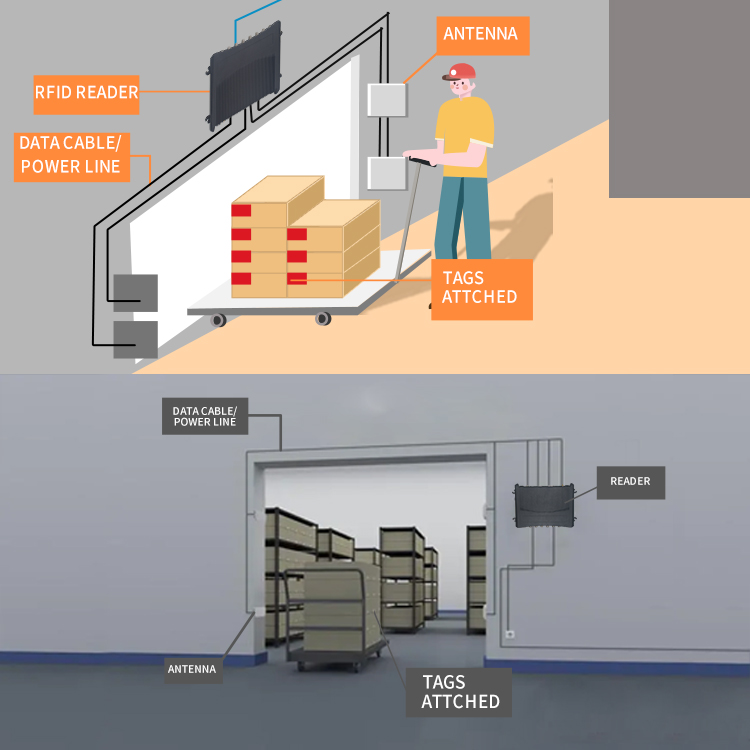
With a high quality RFID asset tag, IT teams can establish a repeatable identification process for routine inventory checks. Staff can move through an office, storage room, or equipment area with an RFID reader and identify relevant tagged assets.
The collected tag IDs can then be compared with asset records to help identify missing, unexpected, or incorrectly recorded equipment.
This does not eliminate the need for proper inventory procedures, but it can reduce repetitive identification tasks and make asset audits easier to manage.
Improving IT Asset Visibility
One of the biggest challenges in IT asset management is knowing what equipment exists and where it is located.
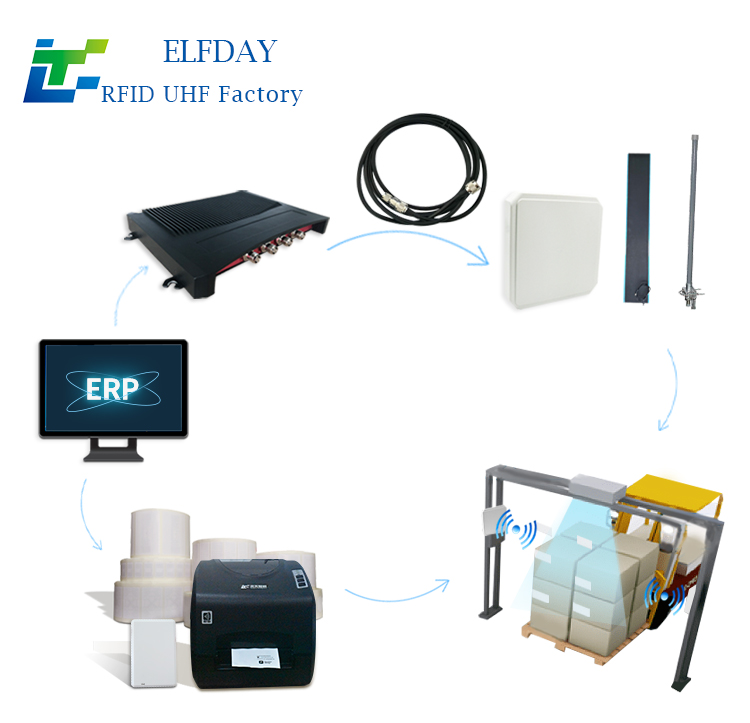
A unique RFID identity can help connect a physical asset with its digital record. When combined with an asset management platform, RFID data can support a clearer view of equipment throughout its lifecycle.
For example, an organisation may record when a laptop is:
- Received by the IT department
- Stored in an equipment room
- Assigned to an employee
- Moved to another location
- Returned for maintenance
- Placed back into storage
- Retired or replaced
Using a consistent identification method can make these changes easier to record and verify.
What Makes a High Quality RFID Asset Tag?
Not every RFID tag is suitable for every IT environment. Choosing the right tag depends on the asset material, mounting location, expected read distance, operating environment, and RFID frequency.
A high quality RFID asset tag should be selected according to the specific application rather than based on appearance alone.
Important factors may include:
Reliable RFID Performance
The tag should provide stable identification under the intended operating conditions. Tag performance can vary depending on the equipment surface and surrounding materials.
Suitable Size and Design
IT equipment comes in many shapes and sizes. Compact tags may be more suitable for laptops and peripherals, while larger or specialised tags may be better for servers, racks, and industrial equipment.
Strong Adhesion
For long-term asset identification, the tag should remain securely attached to the equipment throughout normal handling and movement.
Compatibility With the Asset Surface
Metal surfaces can affect RFID performance. For servers, racks, network equipment, and other metal assets, tags designed specifically for on-metal applications may provide better results.
Durable Construction
IT assets can remain in service for years. A durable tag can help maintain reliable identification throughout the expected asset lifecycle.
Choosing the Right RFID Asset Tag for IT Management
Before deploying RFID tags, IT teams should consider the types of equipment they need to identify and the environment in which the tags will be used.
For laptops and office equipment, compact general-purpose RFID tags may be appropriate. For servers, racks, and other metal equipment, specialised on-metal RFID tags may be a better choice.
It is also useful to test tags on representative equipment before large-scale deployment. Different materials, surfaces, installation positions, and reader configurations can influence RFID performance.
Effective IT asset management depends on accurate identification and reliable inventory information. As organisations manage growing numbers of laptops, servers, network devices, and peripherals, manual identification can become increasingly time-consuming.
A high quality RFID asset tag provides a simple way to give each IT asset a unique digital identity. When integrated with RFID readers and asset management software, it can help improve equipment visibility, simplify inventory checks, and support more efficient asset tracking.
From laptops in office environments to servers and network equipment in data centres, RFID asset identification can provide a scalable approach to managing valuable IT equipment throughout its lifecycle.