

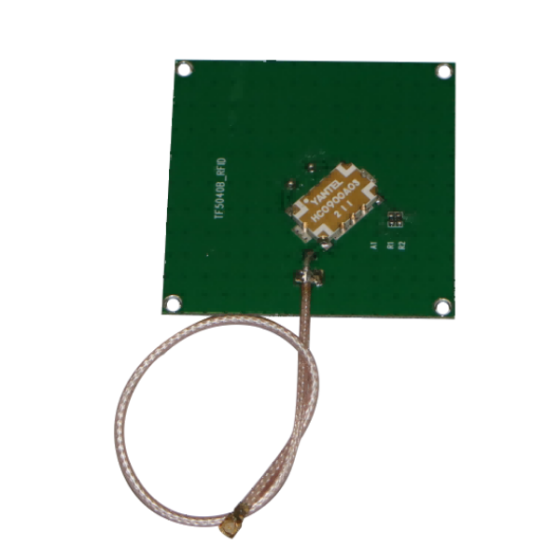
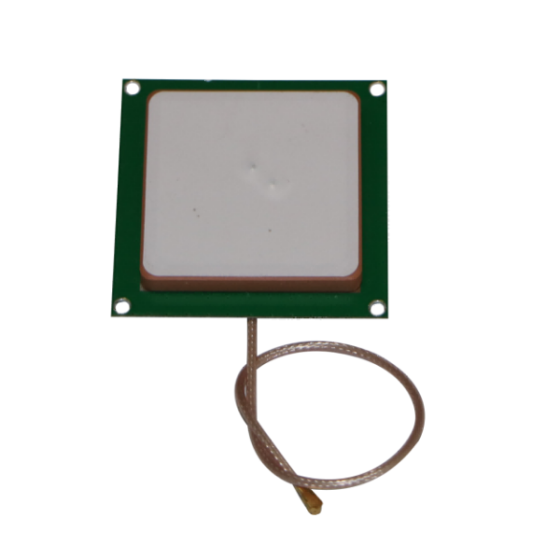
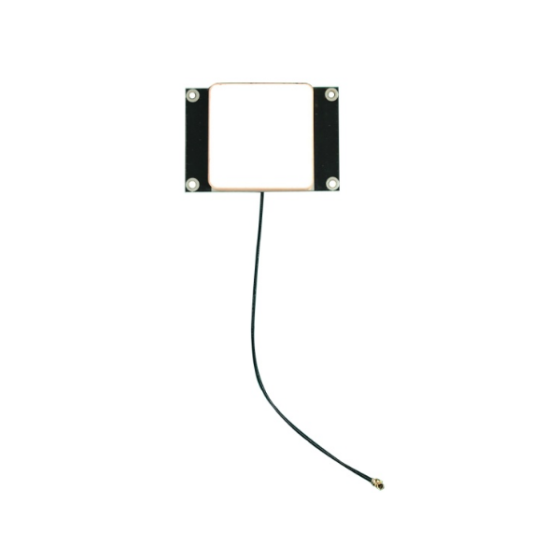
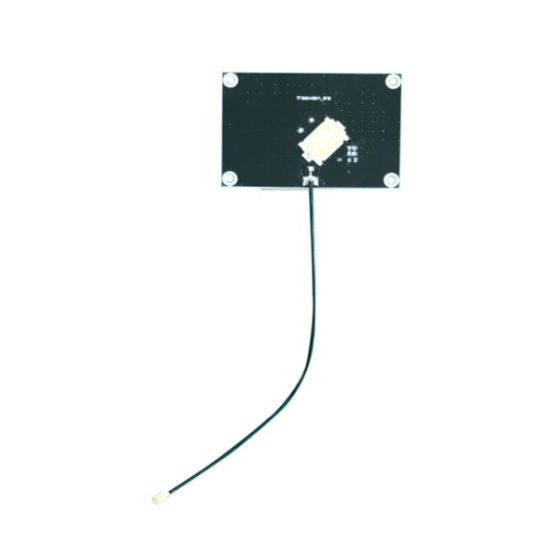


High Quality RFID Asset Tags: How Durable RFID Technology Improves Asset Tracking and Management
Managing valuable assets has become increasingly challenging as businesses expand their operations. From industrial equipment and production tools to warehouse containers and IT devices, organizations need a reliable way to identify, monitor, and manage thousands of assets across different locations.
Traditional tracking methods, such as manual records and barcode systems, often struggle with large-scale asset management. They require time-consuming inspections, direct scanning, and frequent data updates, which can lead to inaccurate information and operational delays.
A high quality RFID asset tag provides a smarter solution by combining durable construction with automated identification technology. By enabling fast and accurate asset tracking, RFID technology helps businesses improve visibility, reduce asset loss, and optimize daily operations.
What Is a High Quality RFID Asset Tag?
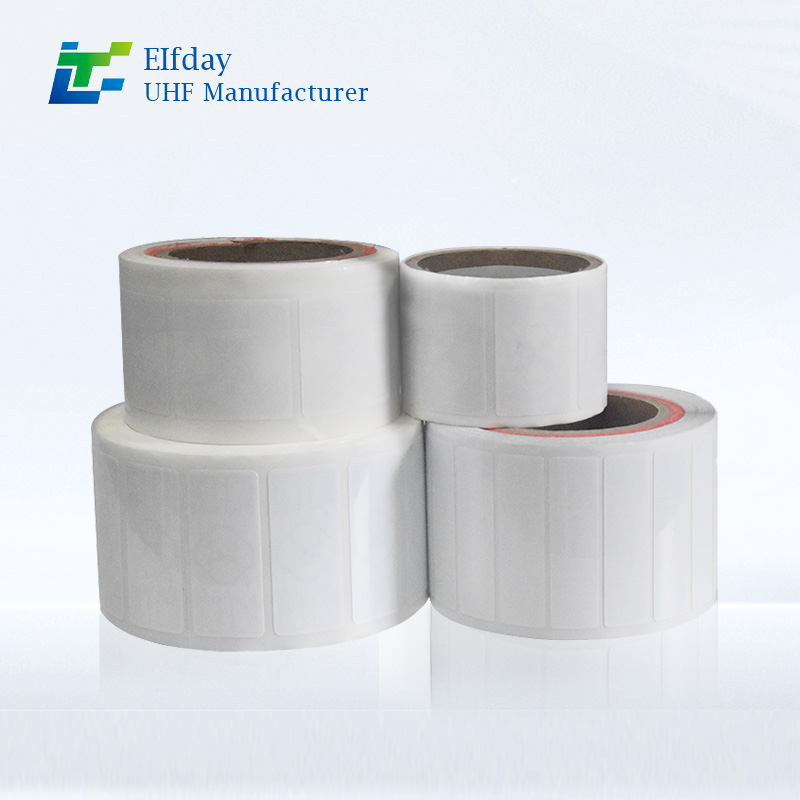
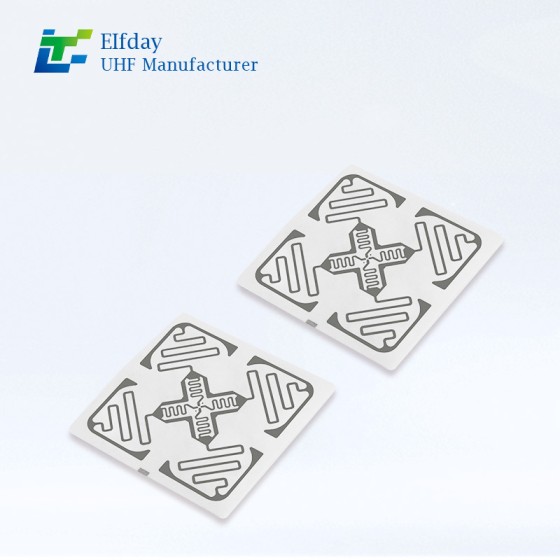
A high quality RFID asset tag is a durable electronic identification label that uses radio frequency technology to store and transmit asset information. Unlike traditional labels or barcodes, RFID tags can be scanned wirelessly without requiring direct line-of-sight access.
Each RFID asset tag contains a unique identification code that allows businesses to connect physical assets with digital management systems.
A reliable RFID asset tag typically features:
- High-performance RFID chip technology
- Strong protection against environmental conditions
- Long service life for continuous asset tracking
- Fast and accurate data capture
- Compatibility with RFID readers and management software
These features make RFID asset tags an ideal choice for organizations that require dependable tracking of high-value equipment and resources.
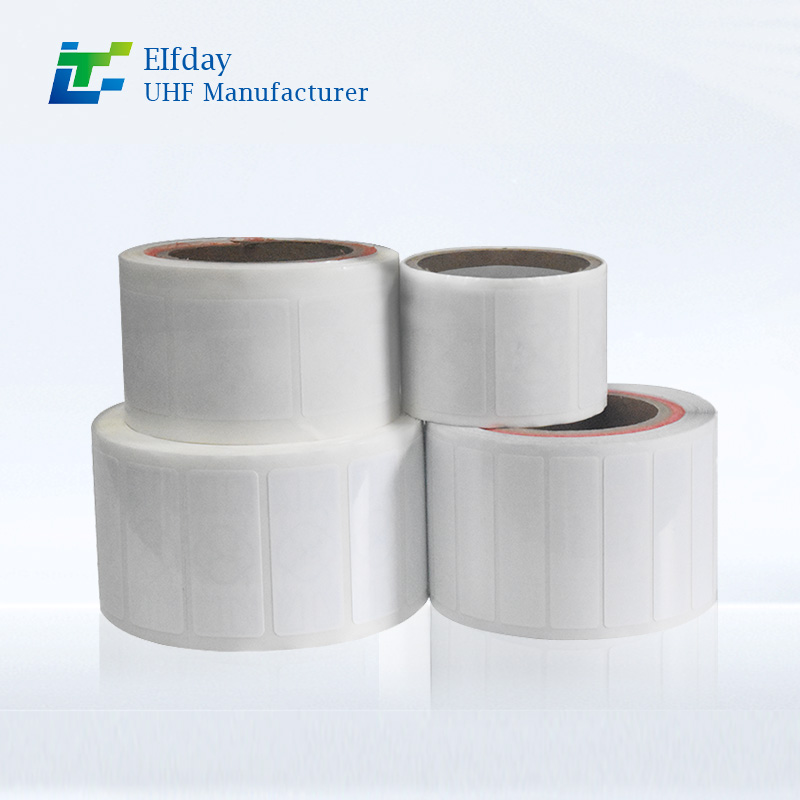
How Durable RFID Technology Improves Asset Management
1. Creates Real-Time Asset Visibility
One of the biggest challenges in asset management is knowing where equipment is located and how it is being used.
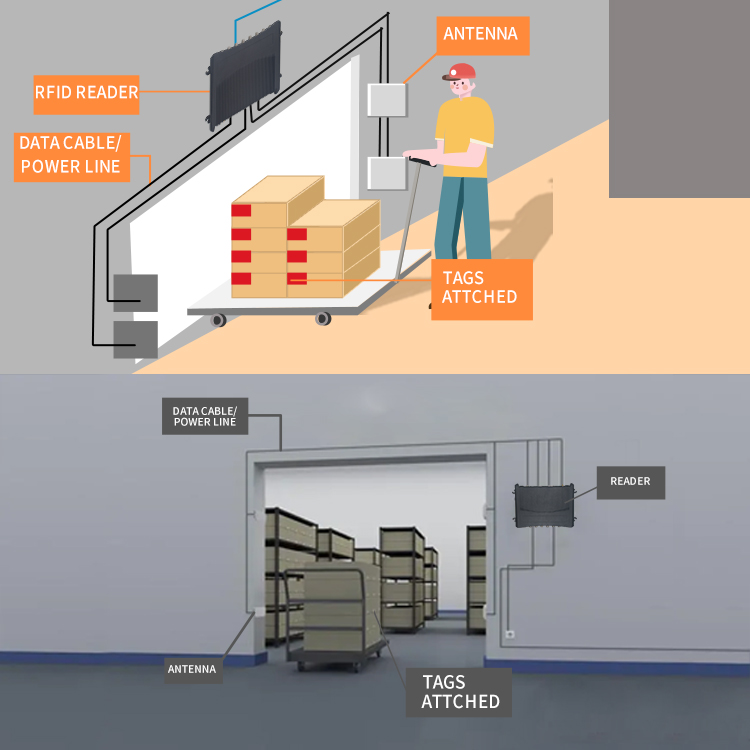
With RFID-enabled tracking, businesses can quickly identify assets throughout facilities, warehouses, and operational areas. Employees can access accurate information about asset location, status, and movement without relying on manual searches.
This improved visibility helps organizations:
- Reduce time spent locating equipment
- Improve asset utilization
- Prevent unnecessary purchases
- Maintain accurate inventory records
A high quality RFID asset tag transforms ordinary assets into digitally connected resources.
2. Reduces Manual Tracking Work
Manual asset tracking can consume significant labor hours, especially in large industrial environments.
Employees often need to:
- Check asset numbers individually
- Update spreadsheets manually
- Perform regular physical inventory checks
- Verify equipment locations
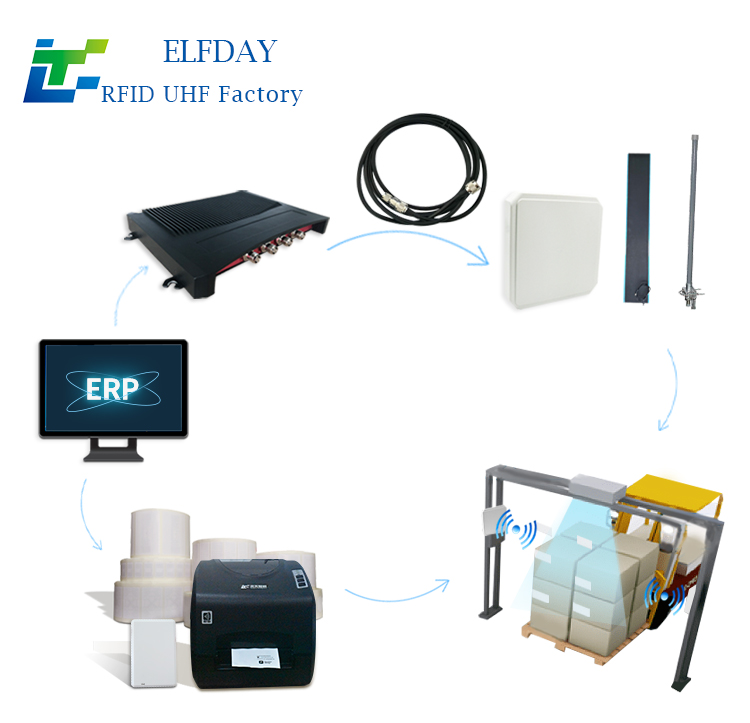
RFID technology automates these processes by allowing multiple assets to be identified simultaneously.
This reduces human errors and enables teams to focus on more valuable operational tasks instead of repetitive inventory work.
3. Provides Reliable Performance in Difficult Environments
Industrial assets are often exposed to challenging conditions, including:
- Dust and moisture
- Extreme temperatures
- Outdoor environments
- Mechanical impact
- Frequent handling
A durable RFID asset tag is designed to maintain stable performance even in demanding environments.
Depending on application requirements, RFID tags can be customized for:
- Metal equipment
- Industrial machinery
- Storage containers
- Outdoor assets
- Heavy-duty tools
This durability makes RFID technology suitable for long-term asset identification throughout the entire equipment lifecycle.
Key Benefits of Using High Quality RFID Asset Tags
Faster Asset Identification
RFID readers can capture asset information quickly, allowing workers to complete inventory checks and equipment searches more efficiently.
Improved Inventory Accuracy
Automated identification reduces mistakes caused by manual data entry and outdated records.
Better Equipment Management
Businesses can monitor asset usage, maintenance schedules, and movement history more effectively.
Lower Operational Costs
By improving asset visibility and reducing lost equipment, RFID tracking helps organizations control unnecessary expenses.
Enhanced Decision-Making
Accurate asset data provides valuable insights for planning, maintenance, and resource allocation.
Common Applications of RFID Asset Tracking
Industrial Equipment Management
Manufacturing facilities rely on RFID asset tags to monitor machinery, tools, and production equipment.
By creating digital records for each asset, companies can improve maintenance planning, reduce downtime, and increase operational efficiency.
Warehouse Asset Tracking
Warehouses manage large volumes of equipment, pallets, containers, and handling tools.
RFID asset tracking allows operators to quickly locate resources and improve inventory control across storage areas.
Construction Tool Management
Construction companies often manage equipment across multiple job sites.
Durable RFID asset tags help track tools, reduce losses, and improve accountability between teams.
Healthcare and Facility Equipment
Hospitals and large facilities need accurate management of valuable equipment.
RFID technology helps organizations monitor equipment availability, location, and maintenance requirements.
IT Asset Management
Businesses use RFID tags to manage computers, servers, network devices, and office equipment.
Automated tracking simplifies audits and improves lifecycle management for technology assets.
High Quality RFID Asset Tags vs Traditional Tracking Methods
| Feature | Traditional Labels | RFID Asset Tags |
|---|---|---|
| Identification Method | Manual scanning | Wireless identification |
| Reading Speed | One item at a time | Multiple assets simultaneously |
| Data Accuracy | Depends on manual input | Automated data capture |
| Tracking Capability | Limited | Real-time visibility |
| Durability | Often limited | Designed for industrial use |
Compared with traditional identification methods, RFID technology provides a more efficient and scalable approach for modern asset management.
How to Select the Right RFID Asset Tag for Your Application
Choosing the correct RFID asset tag depends on several important factors.
Consider the Asset Environment
Different environments require different levels of protection. Outdoor equipment may need stronger resistance against weather conditions, while industrial machinery may require impact-resistant designs.
Evaluate Reading Requirements
Businesses should consider:
- Required reading distance
- RFID frequency options
- Number of assets being tracked
- Tracking frequency
Check Material Compatibility
Some surfaces, especially metal equipment, may require specialized RFID tag designs to achieve reliable performance.
Think About Long-Term Use
A high quality RFID asset tag should provide consistent performance throughout the expected asset lifecycle.
The Future of Asset Management with RFID Technology
As businesses continue adopting automation and digital transformation, RFID technology is becoming a key component of modern asset management strategies.
Future RFID solutions will increasingly integrate with:
- IoT platforms
- Cloud-based asset management systems
- Data analytics tools
- Automated inventory solutions
These technologies will help organizations move from basic asset identification toward predictive management and intelligent decision-making.
A high quality RFID asset tag offers a powerful solution for organizations seeking better asset visibility, improved tracking accuracy, and more efficient operations.
With durable construction, automated identification capabilities, and compatibility with modern management systems, RFID technology helps businesses transform traditional asset tracking into a smarter and more reliable process.
For industries managing valuable equipment, tools, and resources, RFID asset tracking provides the foundation for more efficient and future-ready asset management.