







How Book Security Tags Help Libraries and Bookstores Stay Organized and Secure
In today’s fast-moving information environment, libraries and bookstores are handling more inventory than ever before. With thousands of books constantly being borrowed, returned, and restocked, maintaining accurate control has become a real challenge. This is where book security tags play a critical role.
Book security tags are small but powerful tools designed to protect books from theft, loss, and misplacement while improving overall inventory management. Whether used in public libraries, academic institutions, or commercial bookstores, these tags help create a smarter, more efficient tracking system that reduces manual workload and increases operational accuracy.
Why Book Security Tags Matter More Than Ever
Book theft and misplacement are ongoing issues in both libraries and retail book environments. Traditional barcode systems can help with identification, but they often require manual scanning and are limited in real-time tracking capability.
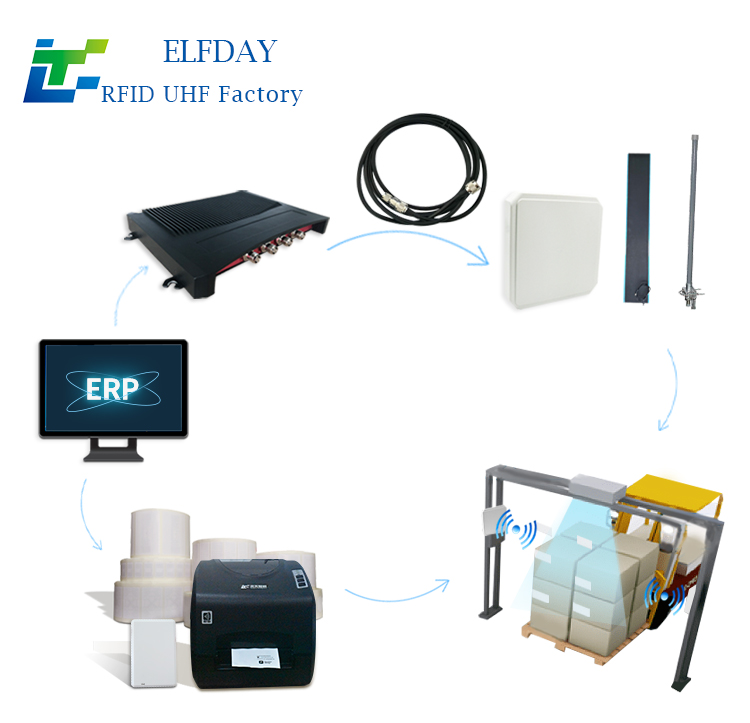
Book security tags, especially modern RFID-based solutions, allow books to be identified automatically without line-of-sight scanning. This means faster check-in/check-out processes, fewer human errors, and significantly improved security coverage.
How Book Security Tags Work
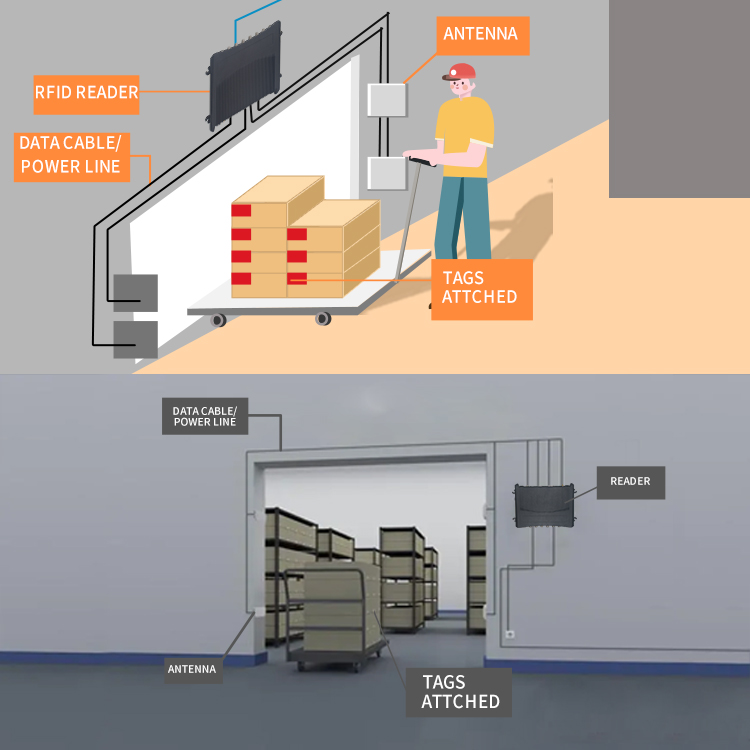
A book security tag is typically embedded or attached inside a book and contains a unique identification code. When the book passes through a detection point—such as a library gate or scanning station—the system instantly recognizes whether the item is authorized for removal or return.

Key Benefits of Book Security Tags
1. Enhanced Theft Prevention
Security tags act as a silent safeguard. If a book is taken without proper checkout, the system can trigger an alarm immediately.
2. Improved Inventory Accuracy
Libraries and bookstores can maintain real-time visibility of their collections, reducing missing or misplaced items.
3. Faster Checkout Process
RFID-enabled security tags allow multiple books to be scanned simultaneously, significantly reducing waiting time.
4. Reduced Labor Costs
Automation reduces the need for manual scanning and checking, freeing staff to focus on customer service and catalog management.
5. Better User Experience
Readers enjoy quicker borrowing and returning processes, improving overall satisfaction.
Where Book Security Tags Are Used
- Public libraries
- University and school libraries
- Bookstores and retail chains
- Archives and documentation centers
Each environment benefits from improved security, efficiency, and data accuracy.
As libraries and bookstores continue to evolve, adopting smart inventory technologies is no longer optional—it’s essential. Book security tags offer a simple yet powerful solution to long-standing challenges in book management, combining security, efficiency, and automation in one system.