



How RFID Tag for Cars Is Transforming Vehicle Access, Security & Tracking
As smart transportation systems continue to evolve, the use of RFID technology in the automotive sector is growing rapidly. One of the most practical applications is the RFID tag for cars, which enables seamless vehicle identification, improved security, and automated access control.
From gated communities to toll highways and corporate parking systems, RFID is changing how vehicles are tracked and managed.
What Is an RFID Tag for Cars?
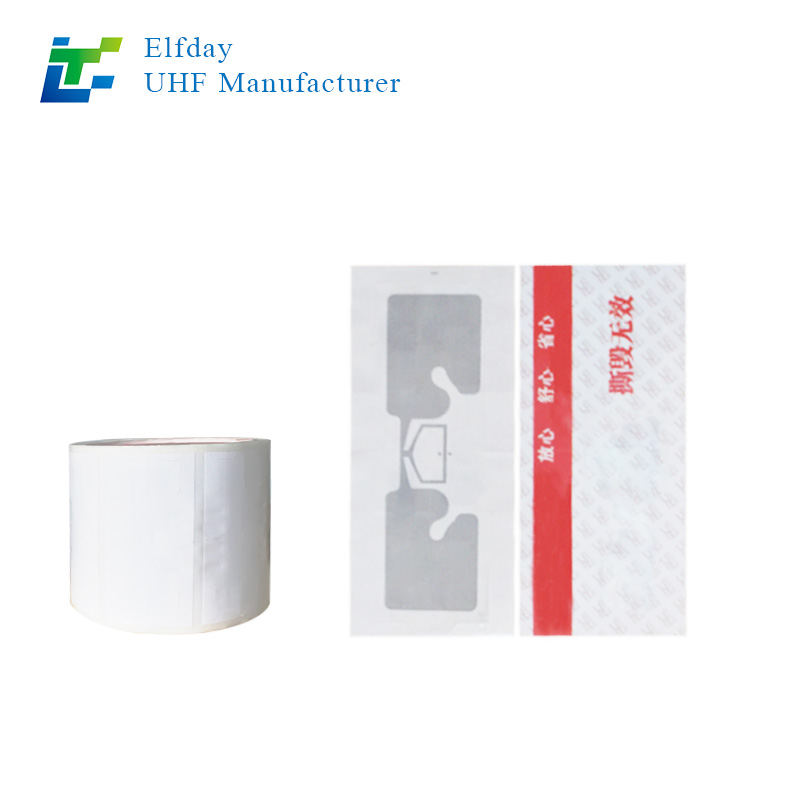
An RFID tag for cars is a small electronic device installed on a vehicle—usually on the windshield or license plate area. It contains a unique identification code that can be read by RFID scanners without physical contact.
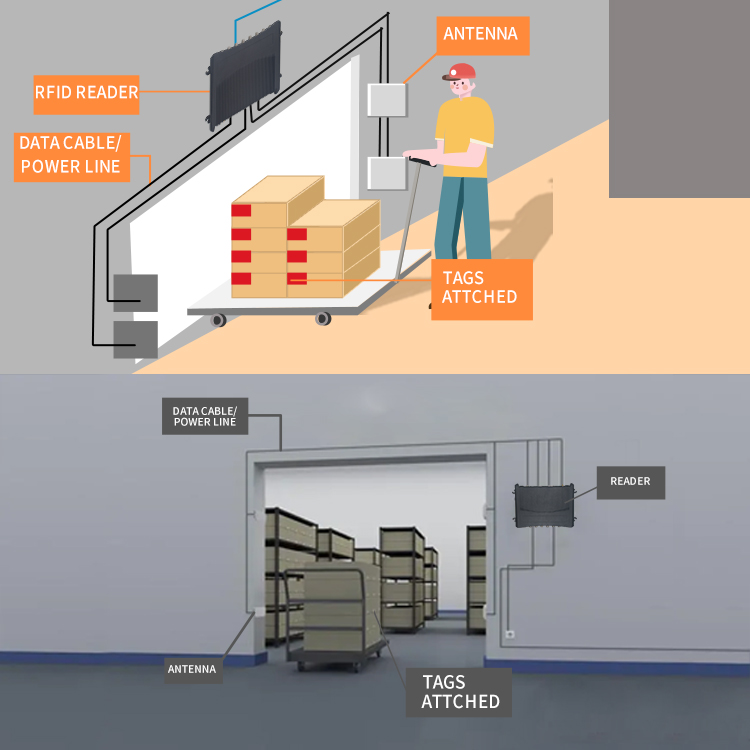
When a vehicle approaches a reader, the system automatically detects the tag and verifies access in seconds.
Result: faster, contactless vehicle recognition.
Key Benefits of RFID Tag for Cars
1. Faster Access Control
Traditional systems rely on manual checks, tickets, or card swiping. RFID eliminates these delays.
Vehicles equipped with RFID tags can enter parking lots, gated communities, or restricted zones without stopping.
Impact: smoother traffic flow and reduced congestion.
2. Enhanced Vehicle Security
RFID tags are difficult to duplicate compared to paper permits or barcode stickers.
Each tag has a unique ID linked to a specific vehicle, making unauthorized access much harder.
Impact: stronger anti-theft protection and controlled entry.
3. Automated Toll Collection
Many modern toll systems use RFID technology to automatically deduct fees as vehicles pass through toll booths.
No stopping, no cash handling, no delays.
Impact: faster highways and reduced operational costs for toll operators.
4. Efficient Parking Management
In commercial buildings, airports, and smart cities, RFID tags help automate parking entry and exit tracking.
This allows:
- Real-time occupancy monitoring
- Automatic billing
- Reduced manual enforcement
Impact: improved parking efficiency and user experience.
5. Lower Operational Costs
By reducing the need for security guards, ticketing staff, and manual verification, RFID systems significantly cut operational expenses.
Automation also reduces human error in vehicle tracking.
Impact: long-term cost savings for facility operators.
6. Improved Traffic Flow
Because RFID readers can detect vehicles in motion, there is no need for stopping or queuing at checkpoints.
This is especially useful in high-traffic environments like:
- Airports
- Industrial parks
- Toll roads
- Logistics hubs
Impact: smoother and faster traffic movement.
7. Integration With Smart City Systems
RFID tags for cars can be integrated with broader smart city infrastructure, including surveillance systems, traffic monitoring, and AI-based analytics.
This enables data-driven urban planning and improved transportation efficiency.
Impact: smarter, more connected cities.
Where RFID Tag for Cars Is Commonly Used
- Gated residential communities
- Highway toll systems
- Corporate parking facilities
- Airports and seaports
- Fleet and logistics management systems
Each application benefits from faster identification and automated control.
The RFID tag for cars is becoming a key component of modern transportation systems. By enabling contactless access, improving security, and reducing congestion, RFID technology is reshaping how vehicles are managed in both private and public environments.
As smart mobility continues to expand, RFID will play an even bigger role in building safer, faster, and more efficient transport systems.