



How RFID Tags for Supermarkets Improve Fresh Food Tracking and Quality Control
Fresh food management is one of the biggest challenges for modern supermarkets. Products such as meat, seafood, vegetables, fruits, and dairy items require strict monitoring because their quality can quickly decline if they are stored incorrectly or remain unsold for too long.
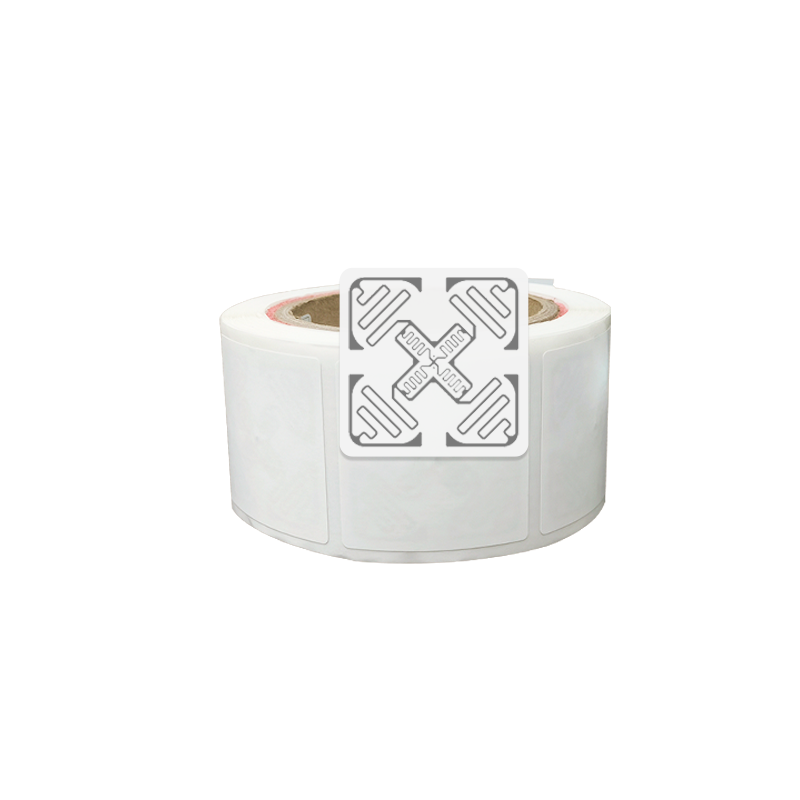
Traditional tracking methods often rely on manual inspections and barcode scanning, making it difficult for retailers to maintain complete visibility throughout the supply chain. With the adoption of smart retail technologies, RFID tags for supermarkets provide a more efficient way to track fresh products, monitor inventory conditions, and improve food quality management.
By offering real-time product information and automated tracking capabilities, RFID technology helps supermarkets reduce food waste, improve traceability, and deliver fresher products to customers.
The Importance of Fresh Food Tracking in Supermarkets
Fresh food products move through multiple stages before reaching consumers, including production, transportation, storage, and retail display. During this process, maintaining accurate product information is essential for ensuring quality and safety.
Supermarkets need to know where products are located, how long they have been stored, and when they should be removed from shelves. Without accurate tracking, retailers may face challenges such as expired products, excessive waste, inventory errors, and difficulty managing supply chains.
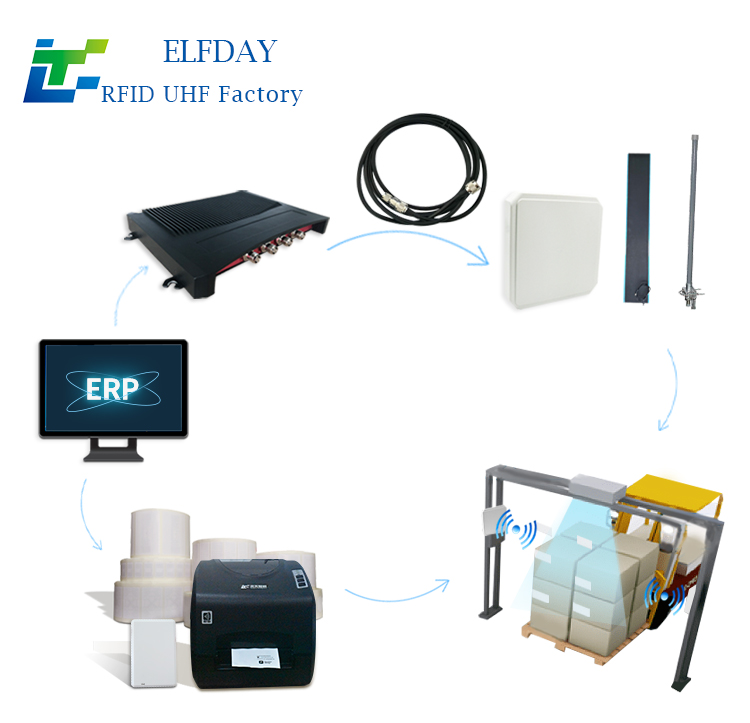
RFID tags for supermarkets solve these problems by creating a connected tracking system that allows retailers to monitor fresh products from the supply chain to the final point of sale.
How RFID Tags Help Monitor Fresh Products
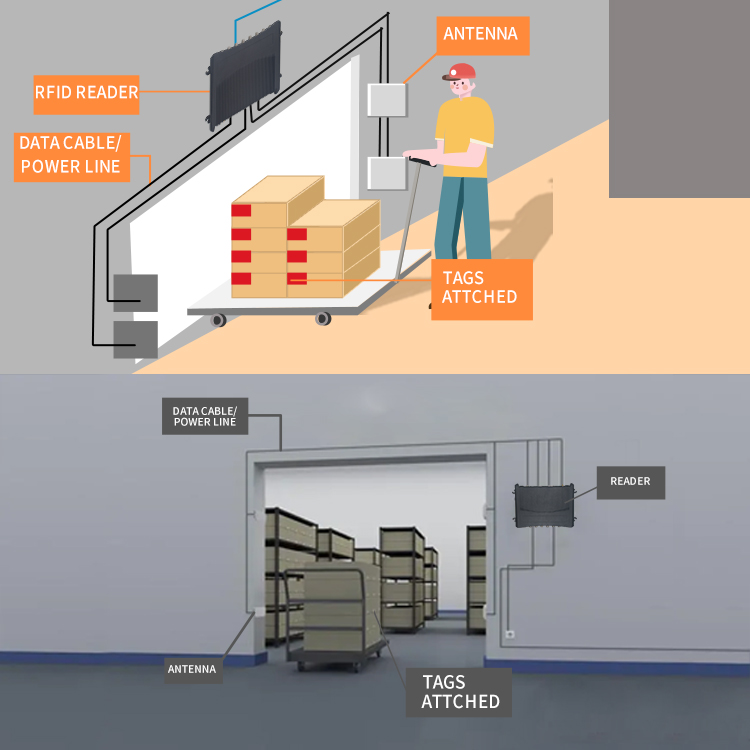
RFID tags use radio frequency identification technology to store and transmit product information. Unlike traditional labels, RFID tags can be read automatically without requiring direct scanning.
When attached to fresh food packaging or containers, RFID tags can provide important data related to:
Product identification
Production and packaging information
Expiration dates
Storage locations
Transportation records
Inventory status
This information allows supermarket staff to quickly understand product conditions and make better decisions about inventory management.
Improving Food Traceability Across the Supply Chain
Food traceability has become increasingly important as consumers demand greater transparency about the products they purchase. Supermarkets need reliable systems to track where products come from and how they are handled before reaching customers.
RFID tags for supermarkets improve traceability by recording product movements throughout the entire supply chain. From distribution centers to refrigerated storage areas and store shelves, retailers can maintain better visibility of fresh food products.
In the event of quality concerns or product recalls, RFID tracking helps supermarkets quickly identify affected items and take appropriate action. This improves food safety management and reduces potential risks.
Reducing Food Waste Through Better Expiration Management
Food waste is a major concern for supermarkets, especially when dealing with perishable products. Fresh items that are not sold before their expiration dates often result in financial losses and unnecessary waste.
RFID technology helps retailers manage expiration dates more effectively by providing real-time information about product freshness. Supermarket employees can identify products that need to be sold quickly and adjust inventory strategies accordingly.
By improving expiration management, RFID tags help supermarkets reduce unnecessary waste while maximizing the value of fresh food inventory.
Maintaining Better Storage Conditions
Proper storage conditions are essential for maintaining the quality of fresh products. Temperature-sensitive items such as dairy products, meat, and seafood require careful handling throughout transportation and storage.
RFID solutions can work together with smart monitoring systems to help retailers track product conditions and identify potential storage issues. This allows supermarkets to respond quickly when products are exposed to unsuitable environments.
Better monitoring helps maintain product quality, reduce spoilage, and ensure that customers receive safer and fresher products.
Increasing Inventory Accuracy for Fresh Food Management
Fresh food inventory changes constantly due to sales, deliveries, and product expiration. Manual inventory checks can quickly become outdated and may not provide accurate information.
With RFID tags for supermarkets, retailers can automatically update inventory records and gain a clearer understanding of available stock. This helps supermarkets avoid over-ordering, prevent shortages, and improve inventory planning.
Accurate inventory data also allows retailers to better predict customer demand and optimize product availability.
Enhancing Operational Efficiency for Supermarket Staff
Managing fresh food requires significant employee effort, from checking product conditions to updating inventory records. RFID technology reduces the amount of manual work required by automating many tracking processes.
Employees can quickly locate products, verify inventory information, and monitor fresh food status without spending excessive time on manual checks.
This improves workflow efficiency and allows supermarket teams to focus on customer service and other important tasks.
Supporting Smart Supermarket Operations
As retail continues to become more technology-driven, RFID tags are becoming an important part of smart supermarket solutions. By connecting RFID data with inventory systems and analytics platforms, retailers can gain deeper insights into product performance and consumer demand.
RFID technology supports smarter decisions in areas such as:
Fresh food replenishment
Inventory forecasting
Product rotation
Supply chain optimization
Waste reduction strategies
These capabilities help supermarkets create more efficient and sustainable operations.
RFID Tags for Supermarkets and the Future of Fresh Food Management
The future of supermarket retail will rely increasingly on automation, real-time data, and intelligent inventory solutions. Fresh food management requires accurate information at every stage, and RFID technology provides the visibility needed to achieve this goal.
As supermarkets continue improving their supply chain processes, RFID tags for supermarkets will play a key role in enhancing food traceability, reducing waste, and maintaining higher quality standards.
By combining RFID technology with advanced retail systems, supermarkets can build more efficient operations while providing customers with fresher and safer products.
RFID tags for supermarkets offer an effective solution for improving fresh food tracking and quality control. By monitoring product information, expiration dates, storage conditions, and supply chain movements, RFID technology helps retailers reduce food waste and improve operational efficiency.
As consumer expectations for fresh, safe, and traceable food continue to grow, RFID solutions will become increasingly valuable for supermarkets looking to achieve smarter inventory management and better quality control.