



How RFID Tags for Supermarkets Improve Inventory Management and Retail Efficiency
Modern supermarkets handle thousands of products every day, including fresh food, beverages, household supplies, and packaged goods. Managing such a large amount of inventory accurately has become a major challenge for retailers. Traditional inventory methods based on manual counting and barcode scanning often require significant labor and may result in inaccurate stock information.
With the development of smart retail solutions, RFID tags for supermarkets have become an effective technology for improving inventory management. By providing real-time visibility into product quantities, shelf availability, and stock movements, RFID technology helps supermarkets automate tracking processes, reduce errors, and improve overall operational efficiency.
What Are RFID Tags for Supermarkets?
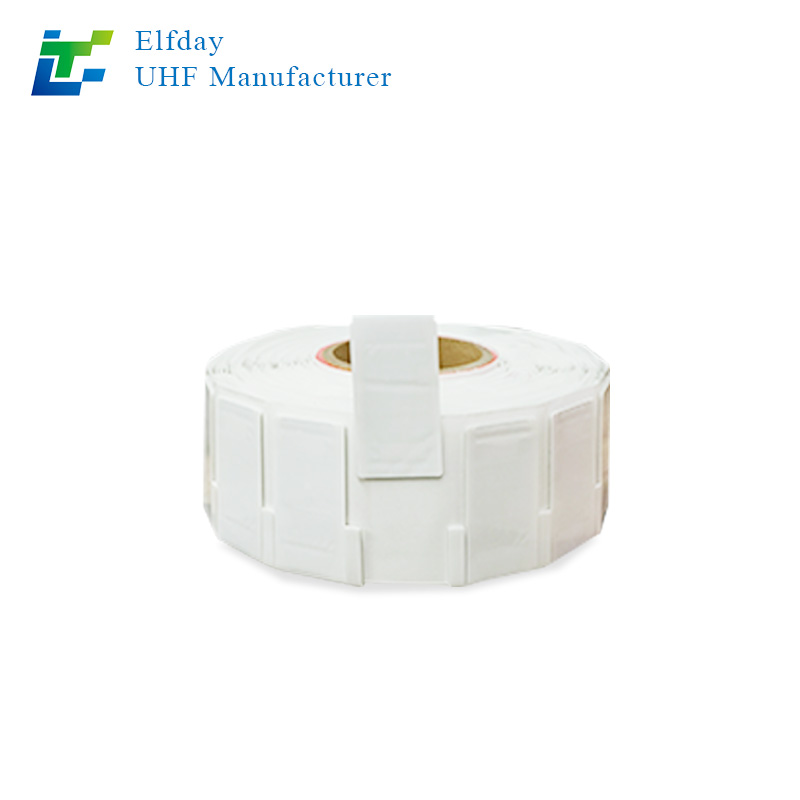
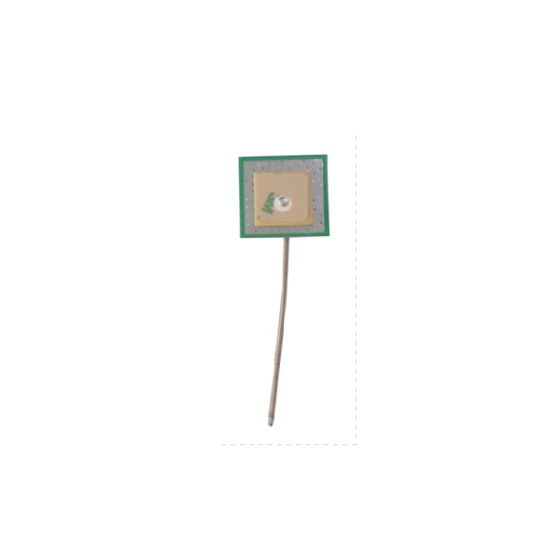
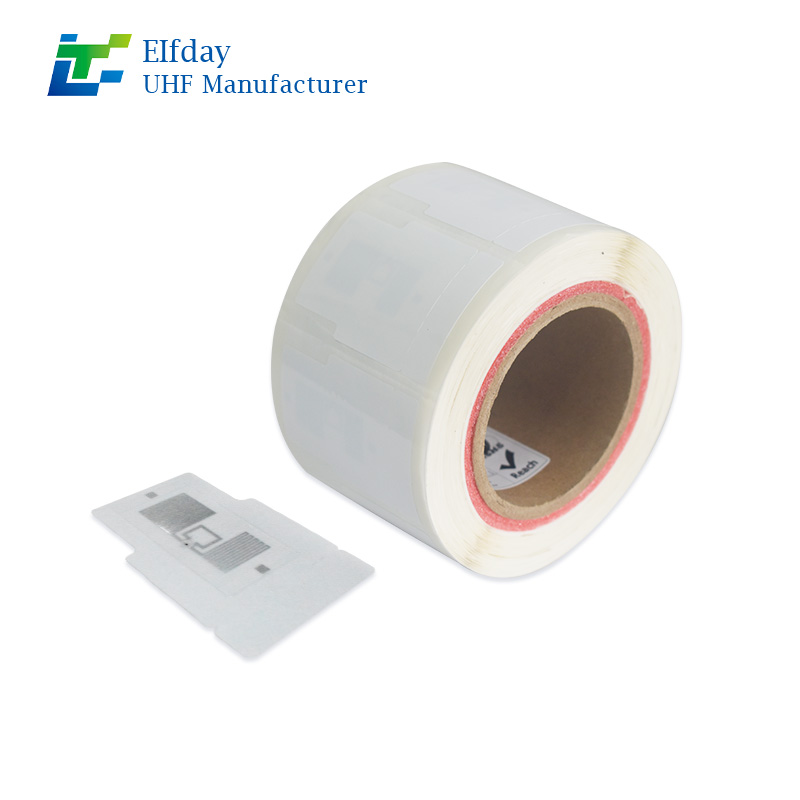
RFID tags for supermarkets are electronic identification devices that allow products to be tracked through radio frequency technology. Each RFID tag contains digital information that can be collected by RFID readers without requiring direct scanning.
Unlike traditional barcode systems that require each product to be scanned individually, RFID technology can identify multiple items at the same time. This makes inventory management faster, more accurate, and more efficient for supermarkets of all sizes.
RFID tags can be attached to product packaging, containers, shelves, or transportation units depending on different retail requirements. They help supermarkets collect valuable inventory data and create a more connected retail environment.
Real-Time Inventory Visibility for Better Stock Management
One of the biggest advantages of RFID tags for supermarkets is real-time inventory visibility. Retailers can quickly access accurate information about product quantities, locations, and movements throughout the store.
Traditional inventory checks often require employees to manually count products, which can take a long time and may lead to mistakes. RFID technology automatically collects product information and updates inventory records, allowing supermarket managers to understand current stock levels instantly.
With accurate inventory data, supermarkets can avoid situations such as overstocking, product shortages, or misplaced items. This helps retailers improve purchasing decisions and maintain better control over their inventory.
Improving Shelf Availability and Customer Experience
Product availability is an important factor in supermarket success. When customers cannot find the products they need, it may negatively affect their shopping experience.
RFID tags for supermarkets help retailers monitor product availability and identify when items need to be replenished. Employees can quickly locate missing products and restock shelves before inventory problems affect customers.
By ensuring that products are available when customers need them, RFID technology helps supermarkets improve customer satisfaction and create a more convenient shopping environment.
Reducing Manual Counting Errors and Labor Costs
Manual inventory counting can be time-consuming and easily affected by human errors. Incorrect product counts, missed items, and outdated inventory records can create challenges for supermarket operations.
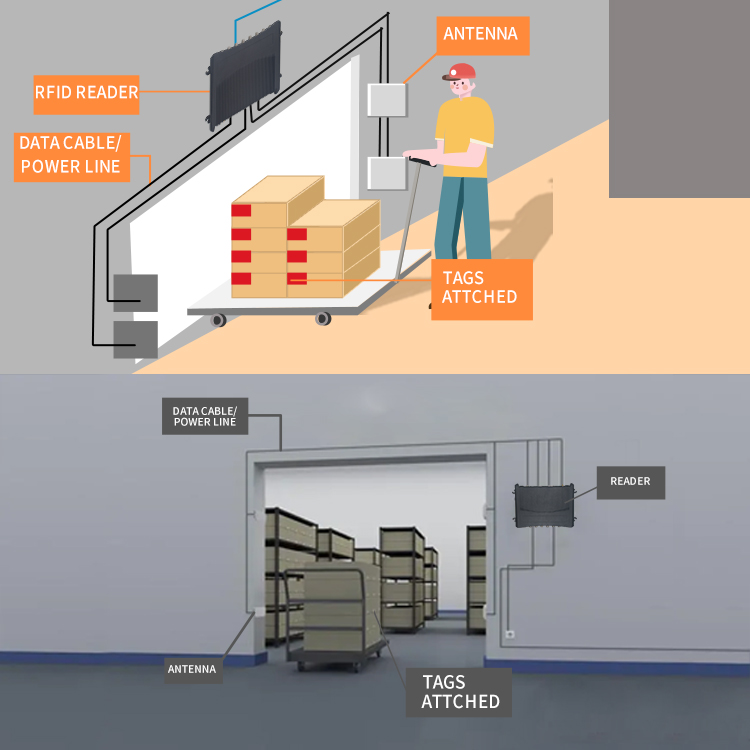
RFID technology reduces these problems by automating the inventory tracking process. RFID readers can capture information from multiple products simultaneously, allowing employees to complete stock checks more efficiently.
This reduces the need for frequent manual counting and allows employees to focus on other important retail tasks, improving productivity and reducing operational costs.
Supporting Fresh Food Inventory Management
Fresh food management is one of the most important applications of RFID technology in supermarkets. Products such as meat, seafood, dairy products, fruits, and vegetables require careful monitoring because of their limited shelf life.
RFID tags for supermarkets help retailers track important product information, including production dates, expiration dates, storage locations, and product movement history.
With better visibility into fresh food inventory, supermarkets can reduce food waste by identifying products that need to be sold quickly or managed more efficiently. This improves sustainability while maintaining product quality.
Optimizing Warehouse and Supply Chain Operations
Supermarket inventory management involves more than products displayed on shelves. Products move through multiple stages, including warehouses, transportation, storage areas, and retail locations.
RFID tags provide better supply chain visibility by tracking products throughout the entire process. Retailers can monitor product arrivals, storage locations, and distribution activities more accurately.
This improved tracking capability helps supermarkets optimize warehouse operations, reduce inventory losses, and ensure products move efficiently from suppliers to customers.
Enhancing Smart Retail Solutions
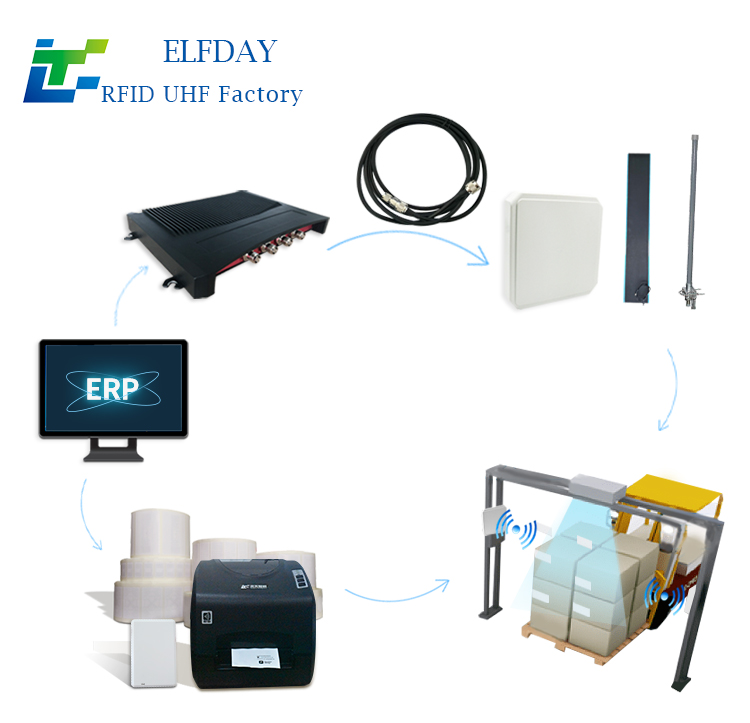
As supermarkets continue adopting digital technologies, RFID tags are becoming an important part of smart retail solutions. RFID systems can support automated inventory updates, smart shelves, self-checkout solutions, and advanced retail analytics.
By connecting RFID data with inventory management systems, supermarkets can gain deeper insights into customer demand and product performance. This allows retailers to make better decisions and improve store operations.
RFID Tags for Supermarkets vs Traditional Barcode Systems
Traditional barcode systems have been widely used in retail for many years, but they have limitations when managing large-scale inventory.
RFID tags provide several advantages because they do not require direct scanning and can identify multiple products simultaneously. This allows supermarkets to complete inventory checks faster and maintain more accurate stock information.
While barcode technology remains useful for many applications, RFID offers a more advanced solution for supermarkets looking to improve automation, efficiency, and inventory accuracy.
Common Applications of RFID Tags in Supermarkets
RFID tags for supermarkets can be used in various retail scenarios, including inventory tracking, shelf management, warehouse operations, fresh food monitoring, product traceability, and loss prevention.
Retailers can use RFID technology to understand where products are located, how inventory changes over time, and when products need replenishment. This creates a more efficient and transparent retail management system.
The Future of RFID Technology in Supermarket Retail
The future of supermarket retail will continue moving toward automation and intelligent management. RFID technology will play an important role in helping retailers build smarter inventory systems and improve operational performance.
With the integration of artificial intelligence, data analytics, and automated retail solutions, RFID tags for supermarkets will provide even greater value by helping businesses predict demand, reduce waste, and deliver better customer experiences.
RFID tags for supermarkets provide an effective way for retailers to improve inventory management, increase stock accuracy, and optimize daily operations. By offering real-time visibility into product quantities, shelf availability, and supply chain movements, RFID technology helps supermarkets reduce manual errors and improve efficiency.
As the retail industry continues to evolve, RFID solutions will become increasingly important for supermarkets seeking smarter inventory control and a more efficient shopping experience.