




How RFID on Clothes Improves Retail Clothing Inventory Accuracy
Retail clothing stores manage thousands of products every day, including different styles, sizes, colors, and seasonal collections. Keeping inventory accurate across shelves, racks, stockrooms, and multiple store locations can be a major challenge.
Traditional inventory management methods often rely on manual counting or barcode scanning. While these methods can work for small operations, they become inefficient when retailers need to manage large volumes of apparel. Manual checks take significant time, and even small counting mistakes can result in inaccurate stock information, missed sales opportunities, and customer dissatisfaction.
RFID on clothes provides a smarter solution for modern retail inventory management. By attaching RFID tags to garments, stores can automatically identify clothing items, track inventory movement, and maintain accurate stock information in real time.
What Is RFID on Clothes?
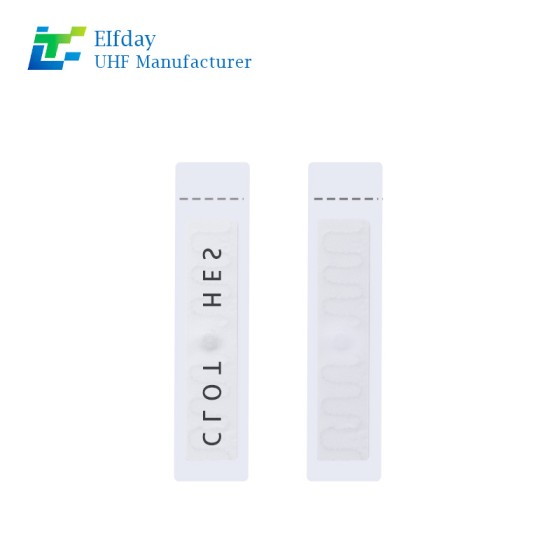
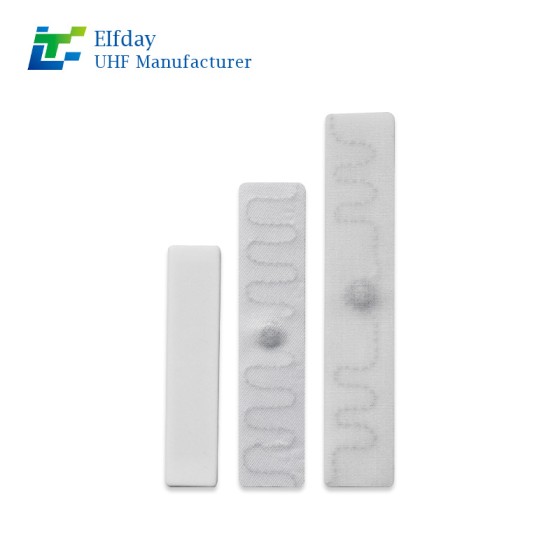
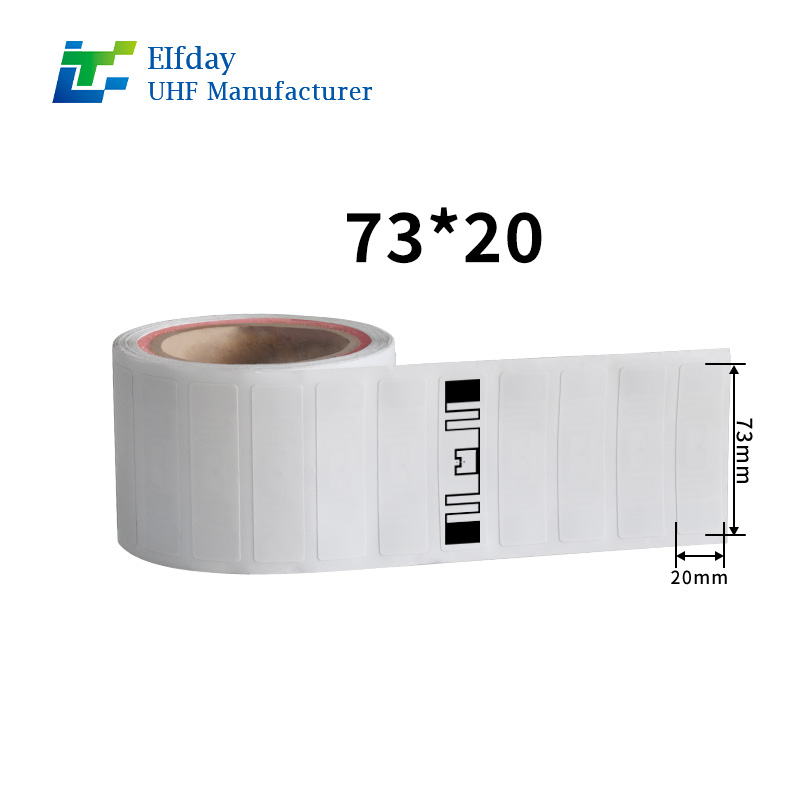
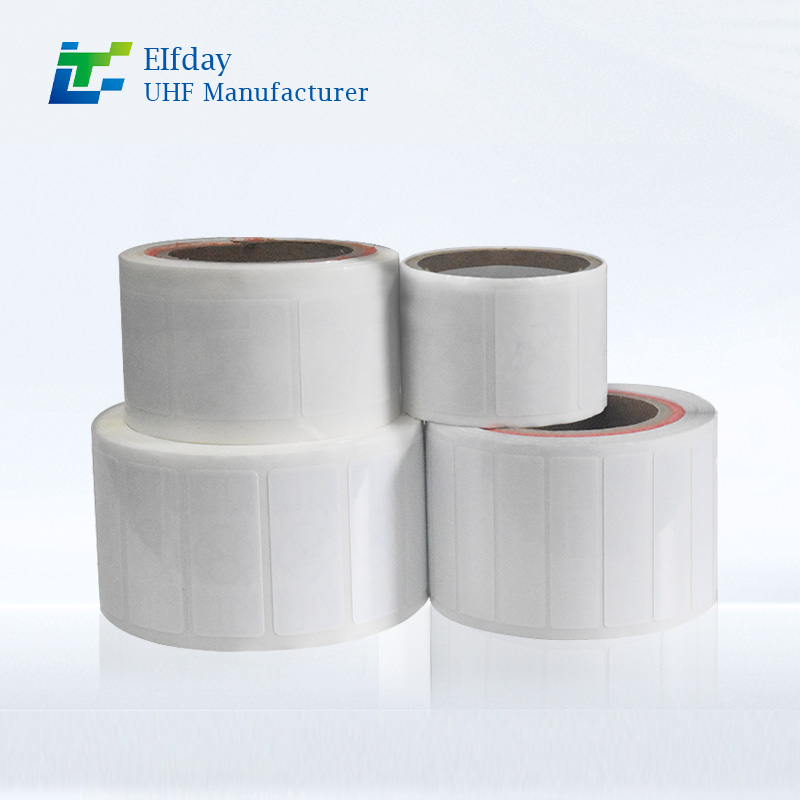
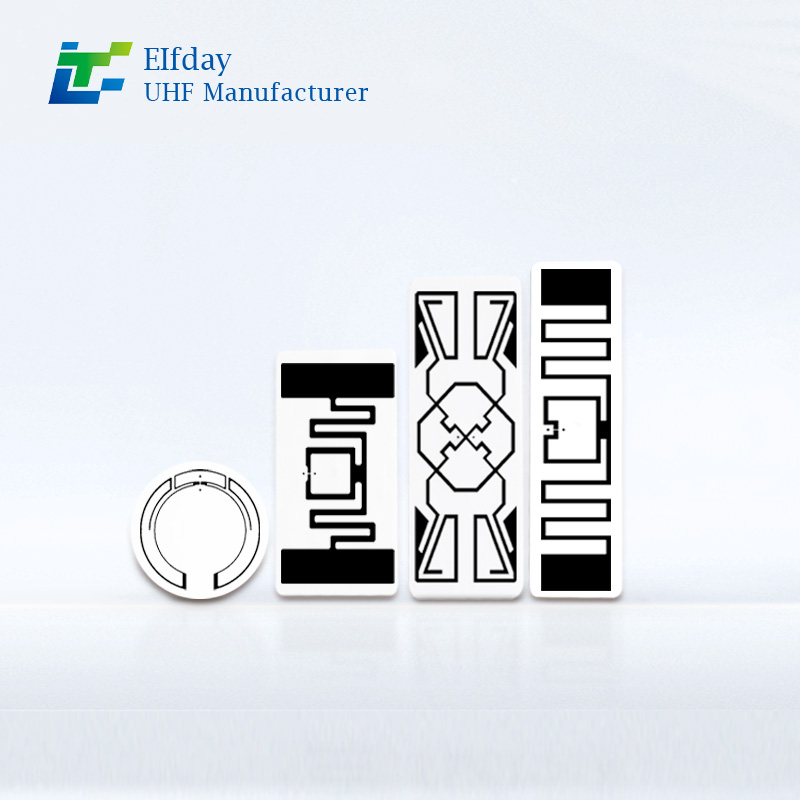
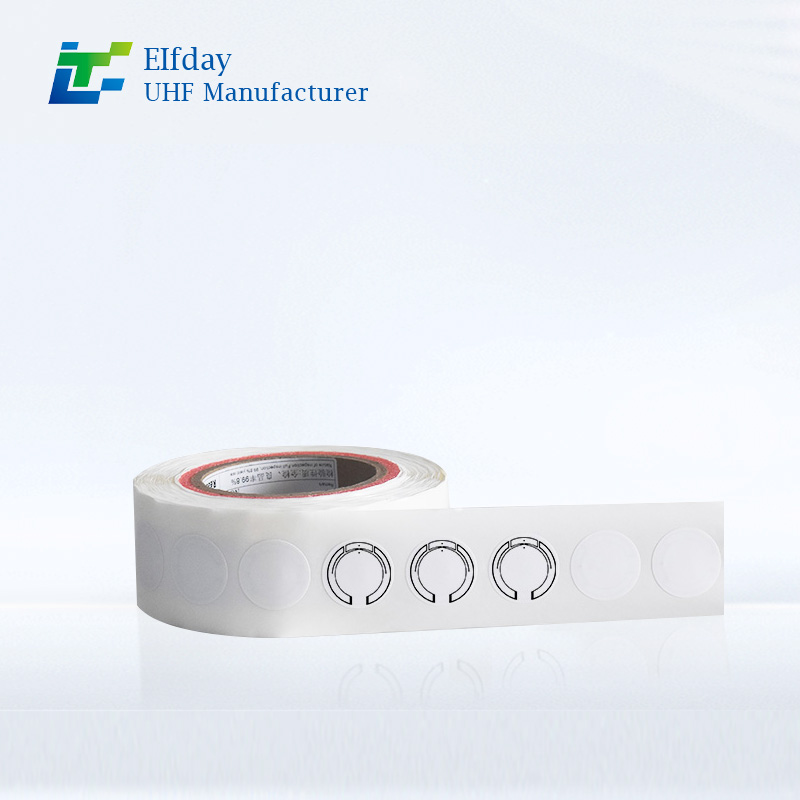
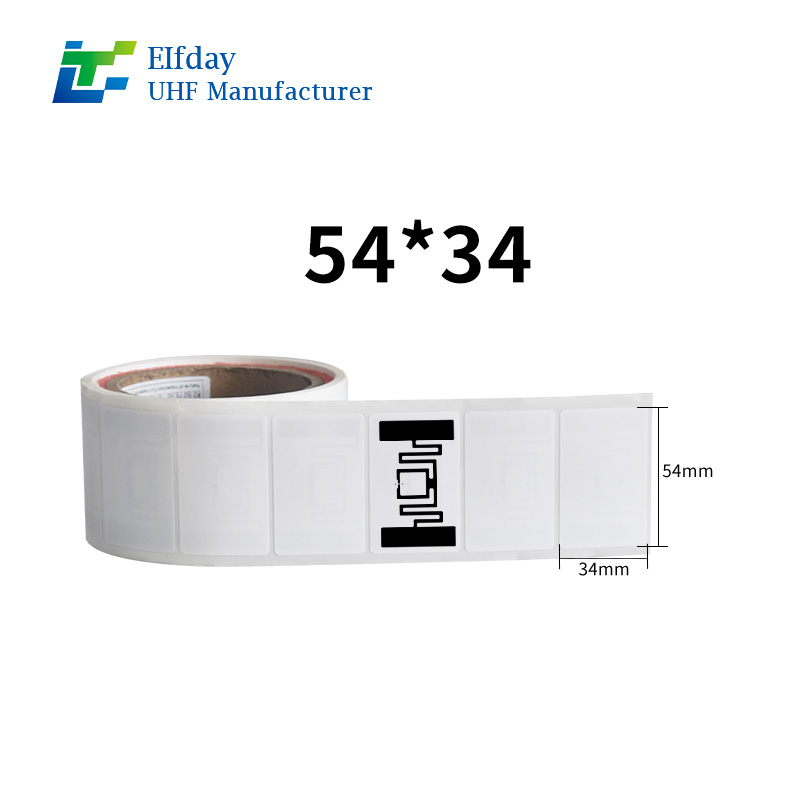
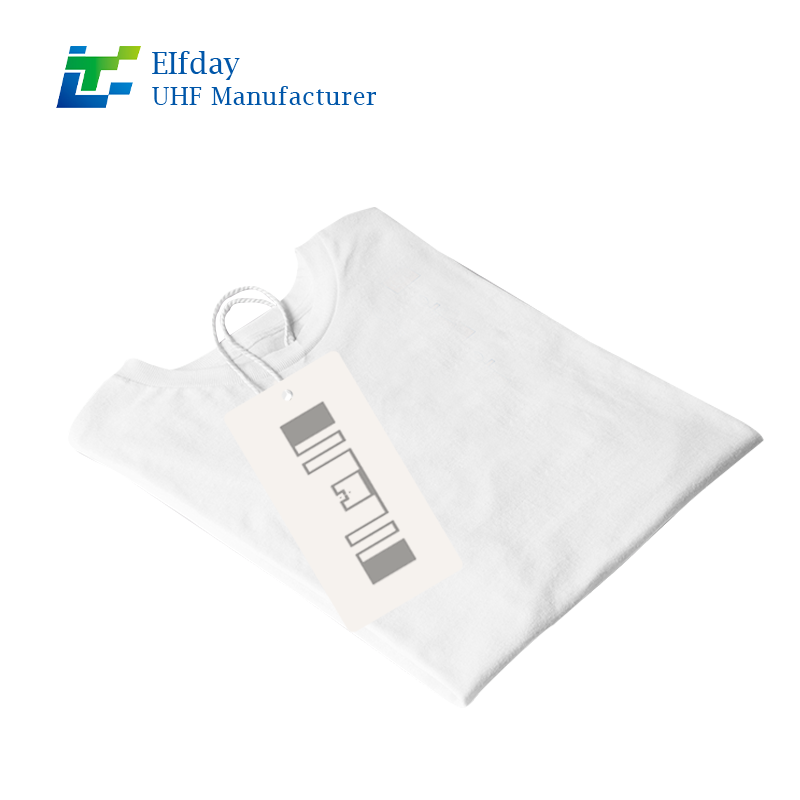
RFID on clothes refers to the application of RFID technology in apparel products to enable automatic identification and tracking. An RFID tag attached to a garment stores unique product information, allowing RFID readers to detect and record clothing data without direct scanning.
When customers browse products on shelves or when employees manage inventory in storage areas, RFID systems can quickly collect information about tagged clothing items. This makes it easier for retailers to understand current stock levels and improve daily operations.
Unlike traditional barcode systems that require each item to be scanned individually, RFID technology can identify multiple clothing items at the same time, making inventory management faster and more accurate.
How RFID on Clothes Improves Retail Inventory Accuracy
One of the biggest advantages of RFID on clothes is improved inventory accuracy. In traditional retail environments, inventory records may become inaccurate due to misplaced items, incorrect counts, damaged products, or delayed updates.
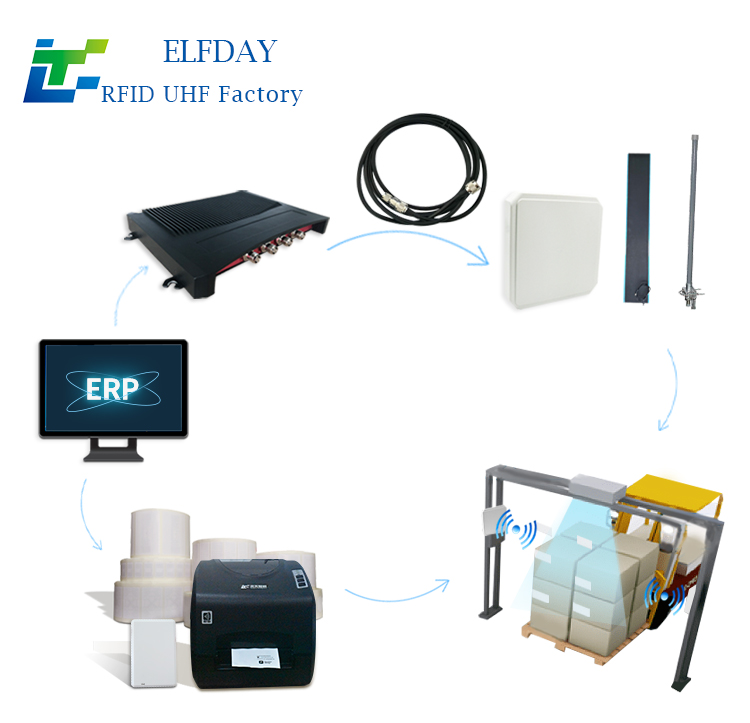
RFID technology automatically captures clothing information and updates inventory systems whenever products are received, moved, sold, or restocked. This allows store managers to have a clearer view of available inventory at any time.
With accurate inventory data, retailers can quickly identify which products are available, which items need replenishment, and which garments are performing well in sales.
Faster Clothing Inventory Counting
Manual inventory counting is one of the most time-consuming tasks in retail stores. Employees may need hours or even days to check every item on shelves, racks, and storage areas.
With RFID on clothes, employees can complete inventory checks much faster. RFID readers can identify multiple garments within seconds, reducing the time required for stock counting.
Faster inventory management allows store teams to spend more time improving customer service instead of performing repetitive counting tasks.
Preventing Stock Shortages and Lost Sales
Stock shortages are a common problem in fashion retail. When popular clothing items are unavailable, customers may choose alternative products or purchase from competitors.
RFID on clothes helps retailers monitor inventory levels in real time and identify low-stock situations before products run out. Store managers can receive accurate inventory information and make timely restocking decisions.
By maintaining better product availability, retailers can increase sales opportunities and improve customer satisfaction.
Improving Customer Shopping Experiences
Customer expectations in modern retail continue to increase. Shoppers want to quickly find the right products, sizes, and styles without unnecessary delays.
RFID on clothes helps create a smoother shopping experience by ensuring that product information and inventory availability are more accurate.
Retail employees can quickly locate specific garments, check stock availability, and provide better assistance to customers. In smart retail environments, RFID technology can also support digital services such as smart fitting rooms and personalized recommendations.
Applications of RFID on Clothes in Retail Stores
RFID on clothes can be used in many retail scenarios to improve efficiency and inventory control.
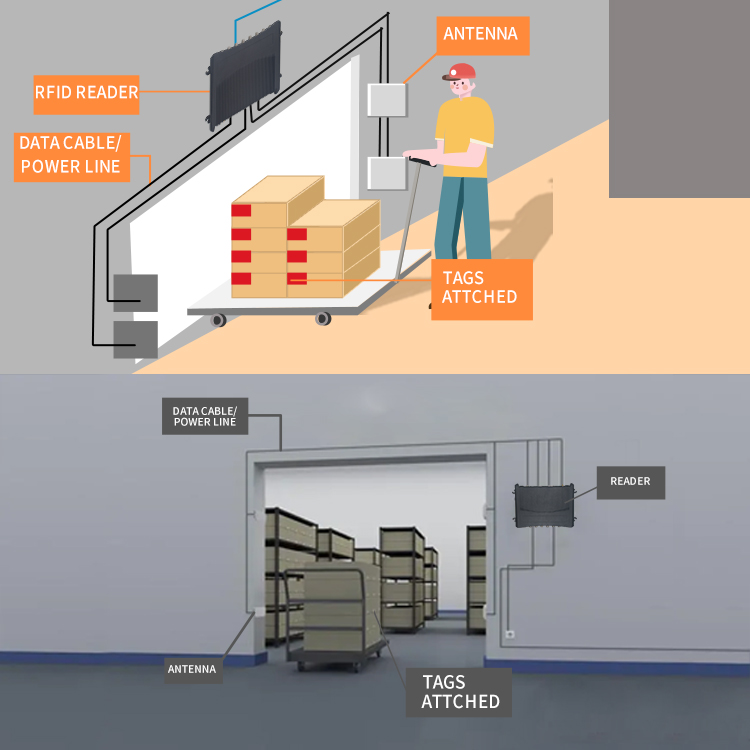
In clothing stores, RFID tags help employees monitor products displayed on shelves and racks, making it easier to maintain accurate stock levels.
In backroom inventory management, RFID technology allows retailers to quickly locate stored garments and organize products more efficiently.
For multi-location retail operations, RFID provides better visibility into inventory across different stores, helping businesses optimize product distribution and reduce unnecessary stock transfers.
Benefits of Using RFID on Clothes for Retail Businesses
RFID on clothes offers several important benefits for apparel retailers.
Improved inventory accuracy allows businesses to reduce stock errors and make better purchasing decisions.
Faster inventory counting saves employee time and reduces operational costs.
Real-time tracking helps prevent stock shortages and ensures popular products remain available.
Better inventory visibility improves supply chain efficiency and supports smarter retail planning.
Enhanced product availability creates a better shopping experience and increases customer satisfaction.
RFID on Clothes Compared with Traditional Inventory Methods
Traditional inventory methods often depend on manual operations, which can be slow and difficult to maintain accurately.
RFID on clothes provides automatic identification and real-time data collection, allowing retailers to manage large amounts of apparel more efficiently.
With RFID technology, businesses can move from periodic inventory checks to continuous inventory monitoring. This creates a more flexible and responsive retail management system.
The Future of RFID in Fashion Retail
As retail continues to become more digital, RFID on clothes will play an increasingly important role in smart clothing stores.
Future retail environments will rely on connected inventory systems, automated product tracking, and real-time data analysis to improve operational efficiency.
RFID technology will help retailers create more intelligent shopping experiences while reducing inventory challenges and improving overall business performance.
Frequently Asked Questions About RFID on Clothes
How does RFID on clothes help retail stores?
RFID on clothes helps retail stores automatically identify garments, monitor inventory levels, reduce counting errors, and improve stock management efficiency.
Can RFID track clothing items on shelves and racks?
Yes. RFID technology can quickly identify tagged clothing items placed on shelves, racks, or storage areas, allowing retailers to monitor inventory more accurately.
Does RFID on clothes reduce inventory management time?
Yes. RFID allows retailers to count and track multiple clothing items simultaneously, significantly reducing the time required for inventory checks.
Why is RFID important for fashion retail?
RFID improves inventory visibility, prevents stock shortages, reduces operational errors, and helps retailers provide better customer experiences.
RFID on clothes is transforming the way retail stores manage clothing inventory. By enabling fast identification, accurate stock tracking, and real-time inventory visibility, RFID technology helps retailers reduce errors, prevent stock shortages, and improve customer satisfaction.
As the fashion industry continues to adopt smarter retail solutions, RFID on clothes will become an essential technology for businesses looking to improve inventory accuracy and create more efficient shopping experiences.