



How UHF Cattle Tags Improve Livestock Tracking and Herd Management
Modern livestock farming is becoming increasingly data-driven as farmers look for smarter ways to improve productivity, reduce labor costs, and maintain accurate animal records. Managing hundreds or even thousands of cattle requires more than traditional identification methods. Farmers need reliable technology that can provide fast animal recognition, accurate data collection, and better herd management.
UHF cattle tags offer an advanced solution by using ultra-high-frequency RFID technology to improve livestock identification and tracking. These tags allow farmers to quickly identify individual animals, collect important data, and manage their herds more efficiently across large farming areas.
From cattle ranches and dairy farms to smart agriculture systems, UHF cattle tags help create a more connected and intelligent livestock management process.
The Importance of Efficient Livestock Identification
Traditional cattle identification methods often rely on visual tags and manual record keeping. While these methods can work for small farms, they become increasingly difficult to manage as herd sizes grow.
Large-scale livestock operations often face challenges such as tracking animal movements, updating health records, monitoring breeding information, and maintaining accurate production data. Manual processes can take significant time and may lead to mistakes caused by incomplete or outdated records.
With the growing demand for smarter farming solutions, UHF cattle tags provide a more efficient way to automate animal identification and improve data accuracy.
What Are UHF Cattle Tags?
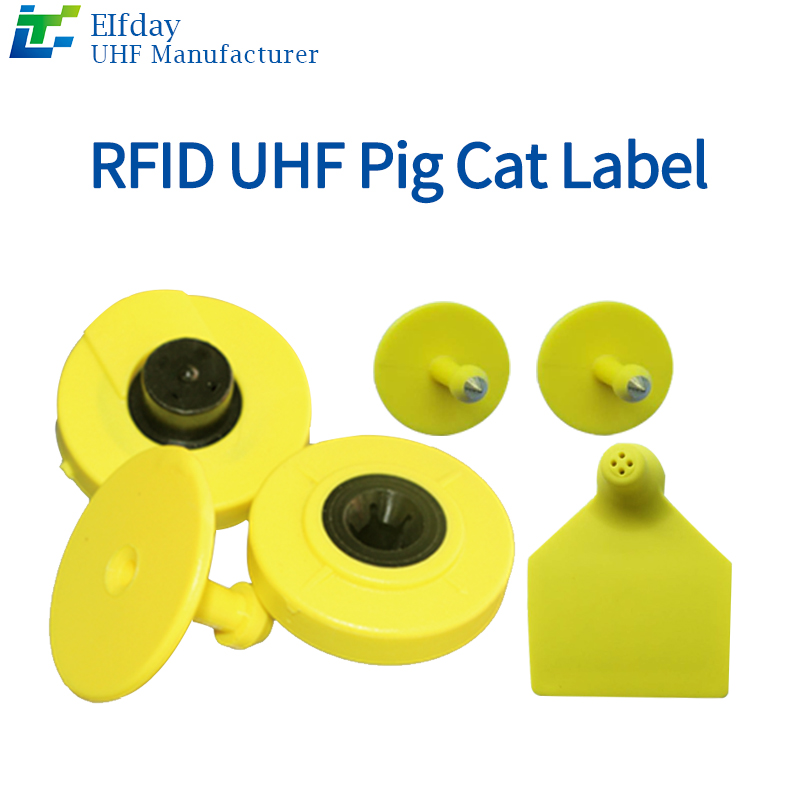
UHF cattle tags are RFID-based identification devices designed specifically for livestock management. They operate using ultra-high-frequency radio technology, allowing RFID readers to capture animal information from a longer distance compared with traditional identification systems.
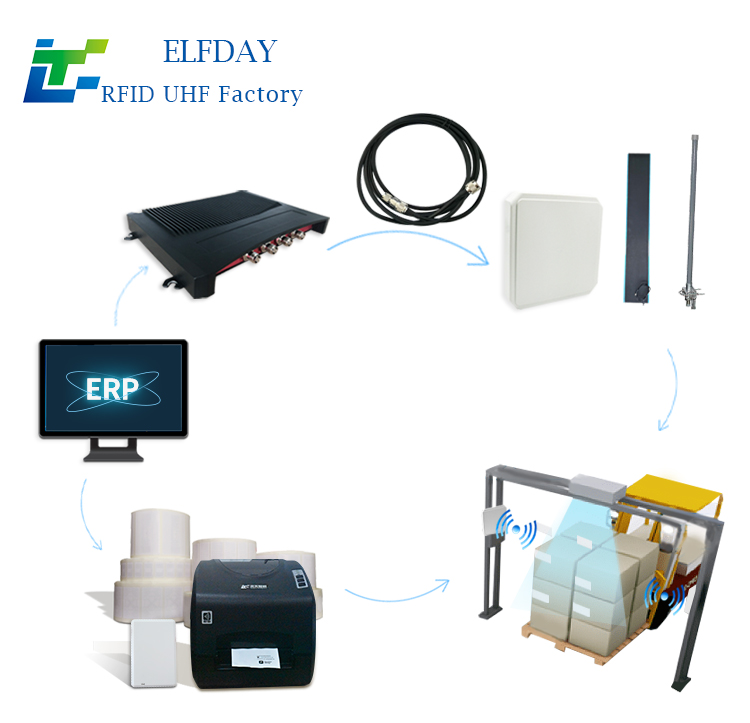
Each tag contains a unique identification number that can be connected with livestock management software. Farmers can use this information to create a complete digital profile for each animal, including health history, breeding records, feeding information, and movement data.
By combining RFID technology with farm management systems, UHF cattle tags help farmers gain better visibility into their entire herd.
Improving Livestock Tracking Efficiency
One of the biggest advantages of UHF cattle tags is their ability to support fast and automated livestock tracking.
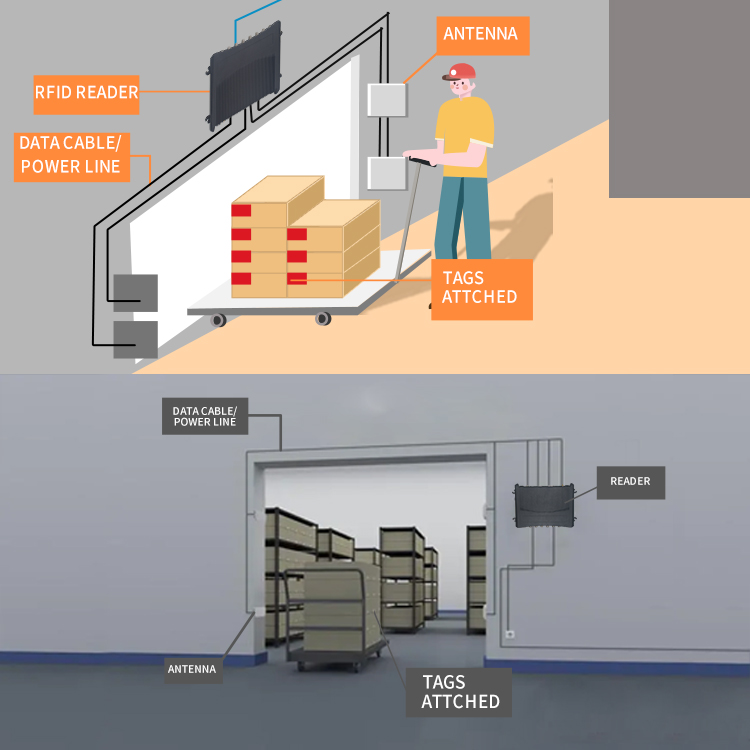
On large ranches, checking every animal manually can require significant labor and time. With RFID readers installed at important locations such as gates, feeding areas, or handling facilities, farmers can quickly identify cattle without needing to inspect each animal individually.
This improves daily farm operations by making activities such as herd counting, animal sorting, and record updates faster and more accurate.
For example, when cattle move through a specific area, RFID readers can automatically capture their identification information and update the management system. This allows farmers to monitor animal activity more efficiently while reducing manual workload.
Supporting Animal Health Management
Maintaining animal health is essential for successful livestock production. Accurate health records help farmers identify potential problems earlier and provide better care for their animals.
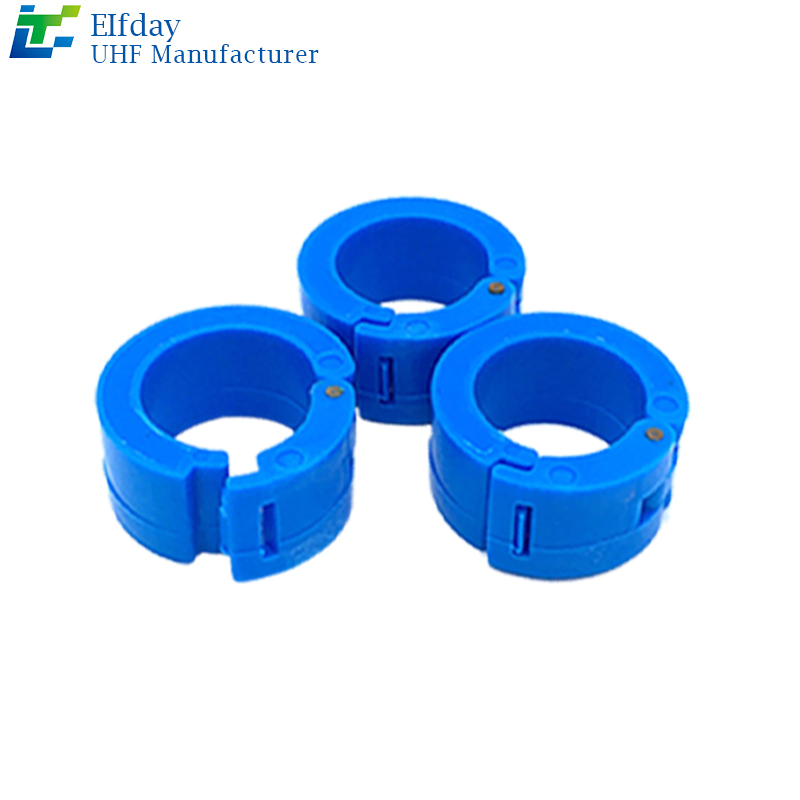
By using UHF cattle tags, each animal can be linked to important health information, including vaccination records, treatment history, medical conditions, and growth performance data.
When a farmer needs to check an animal’s history, the information can be accessed quickly through the connected management system. This improves disease prevention, supports timely treatment, and helps maintain healthier herds.
Enhancing Breeding Management
Successful breeding programs depend on accurate animal information. Without reliable records, farmers may find it difficult to evaluate cattle performance and make informed breeding decisions.
UHF cattle tags help store and organize important breeding information, such as parent records, breeding dates, calving history, and reproductive performance.
With better access to breeding data, farmers can select higher-quality animals, improve herd genetics, and increase long-term production efficiency.
Improving Livestock Traceability
Traceability has become increasingly important in modern agriculture. Farmers, suppliers, and consumers all require better transparency throughout the livestock supply chain.
UHF cattle tags help create a digital identity for each animal, allowing farmers to track important information from birth to market.
This supports better management of animal origins, health records, production history, and transportation information. A reliable traceability system also helps farms improve compliance with industry requirements and build greater trust with customers.
Reducing Labor Costs and Increasing Farm Productivity
Large livestock operations require efficient management systems to reduce unnecessary labor and improve productivity.
By automating animal identification and data collection, UHF cattle tags reduce the need for manual recording and repetitive tasks. Farmers can spend less time searching for information and more time focusing on improving herd performance.
These benefits make UHF RFID technology valuable for farms looking to increase efficiency and adopt smarter agricultural practices.
Applications of UHF Cattle Tags
UHF cattle tags are widely used in different livestock environments.
On large cattle ranches, these tags help farmers monitor animals across wide grazing areas and quickly identify individual cattle.
On dairy farms, they support health monitoring, production tracking, and breeding management.
In livestock transportation, RFID identification helps verify animal information and improve tracking during movement.
In veterinary applications, UHF cattle tags provide quick access to animal records, helping professionals make better treatment decisions.
In smart farming systems, RFID data can be integrated with digital platforms to create automated livestock management solutions.
Why UHF Cattle Tags Are Becoming Essential for Modern Farming
The future of livestock management depends on accurate data, automation, and improved operational efficiency. As farms continue to expand, traditional management methods are no longer enough to meet modern production demands.
UHF cattle tags provide farmers with a reliable way to improve livestock identification, monitor animal health, manage breeding information, and enhance traceability.
By adopting RFID-based livestock tracking technology, modern farms can achieve better herd visibility, reduce management challenges, and make smarter decisions based on real-time data.
For ranches, dairy farms, and commercial livestock operations, UHF cattle tags are becoming an important tool for building more efficient and intelligent farming systems.
Frequently Asked Questions About UHF Cattle Tags
How do UHF cattle tags work?
UHF cattle tags use RFID technology to store a unique identification number. When scanned by an RFID reader, the tag provides animal identification information that can be connected to a livestock management database.
What are the main benefits of UHF cattle tags?
UHF cattle tags improve livestock identification, reduce manual work, increase data accuracy, and help farmers manage animal health, breeding, and traceability more effectively.
Are UHF cattle tags suitable for large farms?
Yes. Their long-range reading capability makes them ideal for large ranches, dairy farms, and commercial livestock operations where fast identification is required.
Can UHF cattle tags store animal health records?
The tags mainly store identification information. However, they can connect with livestock management software that stores health records, vaccination history, and other important animal data.
How do UHF cattle tags improve livestock management?
By automating identification and data collection, UHF cattle tags help farmers save time, reduce errors, and make better decisions for herd management and farm productivity.