



How UHF Cattle Tags Improve Livestock Tracking and Herd Monitoring
Modern livestock farming is moving toward smarter and more efficient management methods. As cattle farms expand and herd sizes increase, farmers need better ways to identify animals, monitor health conditions, and maintain accurate production records.
Traditional livestock management often relies on manual inspections and handwritten records, which can be time-consuming and difficult to maintain. With the development of RFID technology, UHF cattle tags provide a more reliable solution for automated animal identification, real-time tracking, and digital herd management.
By using ultra-high-frequency RFID technology, farmers and ranchers can quickly identify individual cattle, collect important animal data, and improve overall farm productivity.
The Challenges of Modern Livestock Management
Managing a large cattle herd requires accurate information about every animal. Farmers need to know each animal’s health status, breeding history, location, and growth performance to make effective management decisions.
However, traditional identification methods can create several challenges:
Maintaining accurate records for hundreds or thousands of cattle can require significant labor.
Tracking animal movements across large grazing areas can be difficult.
Health and breeding information may become incomplete without proper data management.
Manual identification increases the possibility of human errors.
As livestock operations become more complex, farmers are looking for technologies that can improve efficiency while reducing management difficulties. UHF cattle tags help solve these challenges by providing fast and automated livestock identification.
What Are UHF Cattle Tags?
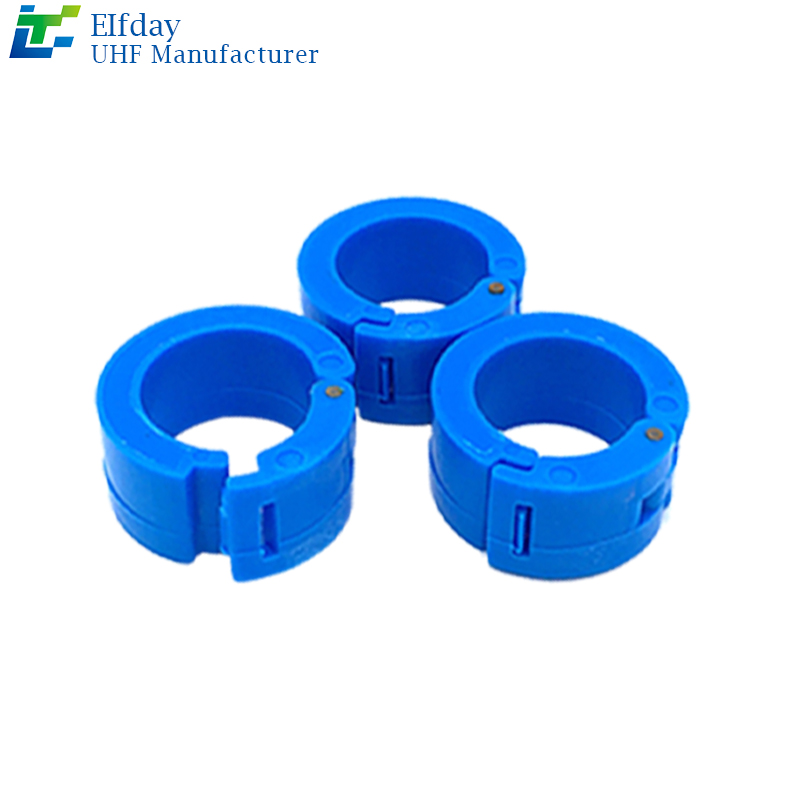
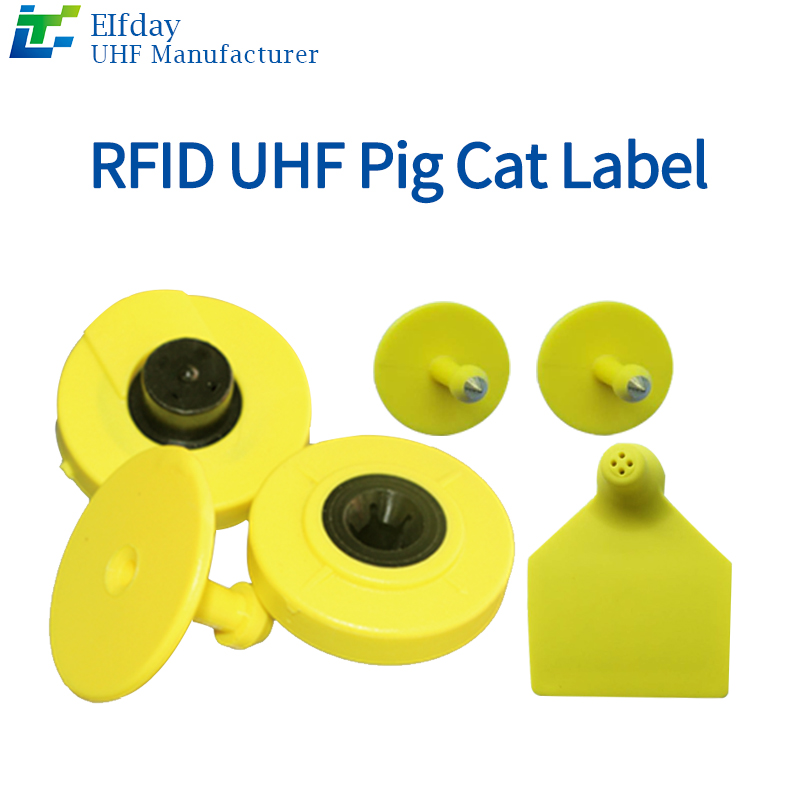
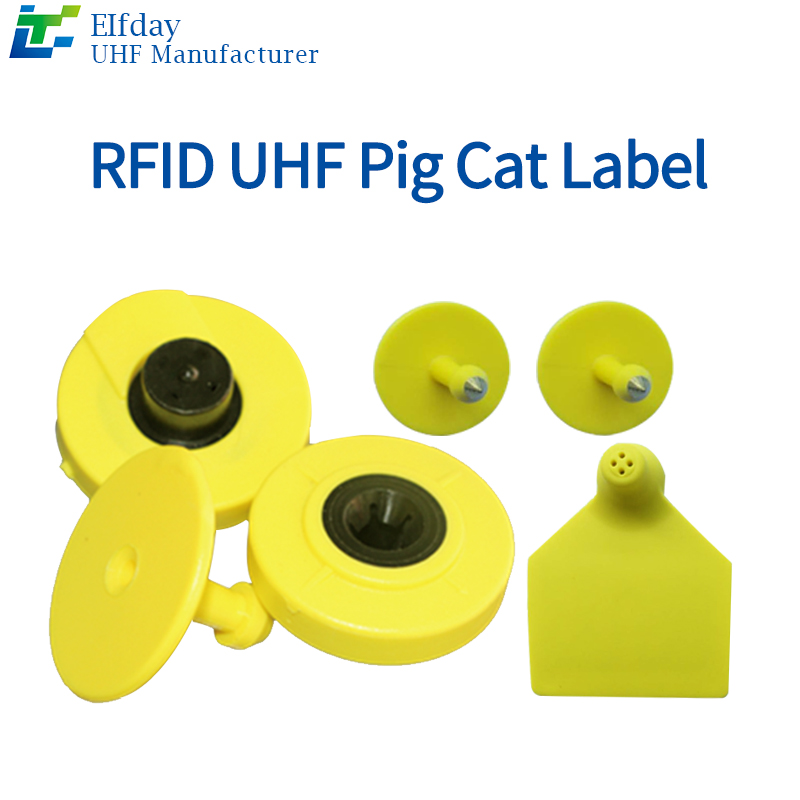
UHF cattle tags are RFID-based identification devices designed for livestock tracking and management applications. These tags operate in the ultra-high-frequency range, allowing RFID readers to capture animal information quickly and efficiently.
Each tag contains a unique identification number that can be connected to a livestock management system. Farmers can use this digital identity to record and manage important information, including:
Animal identification details
Breeding history
Vaccination records
Health information
Feeding data
Growth performance
Movement records
Unlike traditional visual identification methods, UHF cattle tags allow farmers to collect animal data automatically, making livestock management more accurate and efficient.
Improving Livestock Identification Accuracy
Accurate animal identification is the foundation of effective herd management. When farms have a large number of cattle, quickly identifying individual animals becomes increasingly important.
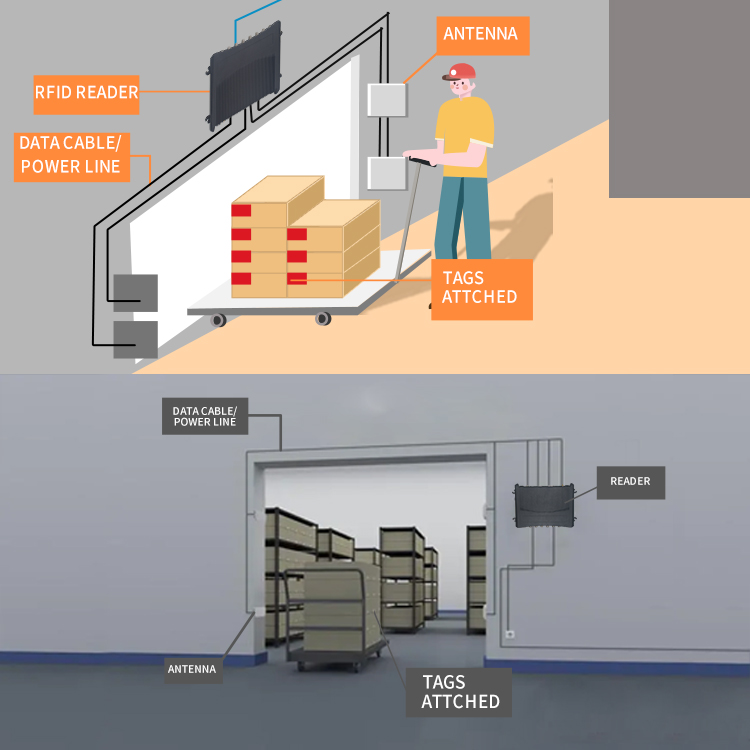
With UHF cattle tags, farmers can identify cattle automatically using RFID readers without needing to manually check each animal. This reduces workload and improves the accuracy of livestock records.
For example, when cattle pass through handling areas, gates, or feeding stations, RFID systems can capture their identification information instantly. This allows farmers to update records faster and maintain better control over herd information.
Enabling Real-Time Herd Monitoring
One of the biggest advantages of UHF RFID technology is its ability to support real-time livestock monitoring.
On large ranches, cattle may move across wide grazing areas, making manual tracking challenging. UHF cattle tags provide farmers with better visibility into animal activities by allowing quick identification whenever cattle are scanned.
Real-time monitoring helps farmers understand:
Where animals are located
Which animals require attention
How cattle move through different areas
How herd activities change over time
This improved visibility allows farmers to respond faster and manage their operations more effectively.
Supporting Better Animal Health Management
Animal health plays a critical role in livestock productivity. Early detection of health problems can reduce losses and improve overall herd performance.
UHF cattle tags help farmers connect individual animals with detailed health records. By scanning a tag, farm managers can access information such as vaccination history, medical treatments, and previous health conditions.
This makes it easier to:
Monitor vaccination schedules
Track veterinary treatments
Identify animals needing special care
Prevent disease outbreaks
Maintain accurate health records
With better health data, farmers can make more informed decisions and provide better care for their cattle.
Improving Breeding Record Management
Breeding performance is an important factor in improving herd quality. Accurate breeding records allow farmers to select better animals and optimize future production.
Using UHF cattle tags, each animal can be linked to its breeding information, including:
Parent information
Breeding dates
Pregnancy records
Calving history
Genetic performance data
This helps farmers analyze herd performance and make smarter breeding decisions based on reliable information.
Enhancing Livestock Traceability
Traceability has become increasingly important in modern agriculture. Consumers, suppliers, and regulators require greater transparency throughout the livestock supply chain.
UHF cattle tags create a digital record for each animal, helping farmers track important information from birth to market.
A complete livestock traceability system can support:
Animal origin tracking
Production history management
Health record verification
Transportation monitoring
Quality control improvement
By improving traceability, farmers can build stronger management systems and respond more effectively to market requirements.
Increasing Farm Productivity and Reducing Labor Costs
Large cattle operations require efficient workflows to remain competitive. Manual data collection and animal tracking can consume valuable time and resources.
UHF cattle tags automate many routine tasks, allowing farmers to reduce manual work and improve operational efficiency.
Benefits include:
Faster animal counting
Simplified herd management
Reduced recording errors
Improved data accessibility
Better decision-making
By using RFID technology, farms can focus more on improving productivity instead of spending excessive time on manual record management.
Applications of UHF Cattle Tags
UHF cattle tags are suitable for a wide range of livestock applications.
Cattle Ranch Management
Large ranches can use UHF cattle tags to identify animals across extensive grazing areas and improve herd monitoring efficiency.
Dairy Farm Operations
Dairy farms can track animal health, breeding performance, and production information to improve management decisions.
Livestock Breeding Programs
Breeders can maintain accurate animal histories and evaluate performance for better genetic selection.
Veterinary Management
Veterinary teams can quickly access animal records to support diagnosis and treatment.
Smart Farming Systems
UHF cattle tags can connect with digital farming platforms to create automated and data-driven livestock management solutions.
Why UHF Cattle Tags Are Essential for Future Farming
The future of livestock farming depends on better data management, automation, and smarter decision-making. As farms continue to grow, traditional management methods cannot provide the efficiency and accuracy required by modern agriculture.
UHF cattle tags offer an effective way to improve livestock identification, monitor herd conditions, manage breeding information, and enhance traceability.
By integrating RFID technology into cattle operations, farmers and ranchers can achieve better herd visibility, reduce management challenges, and improve overall productivity.
For modern livestock operations, UHF cattle tags are becoming an essential tool for building smarter, more efficient, and more sustainable farming systems.
Frequently Asked Questions About UHF Cattle Tags
How do UHF cattle tags work?
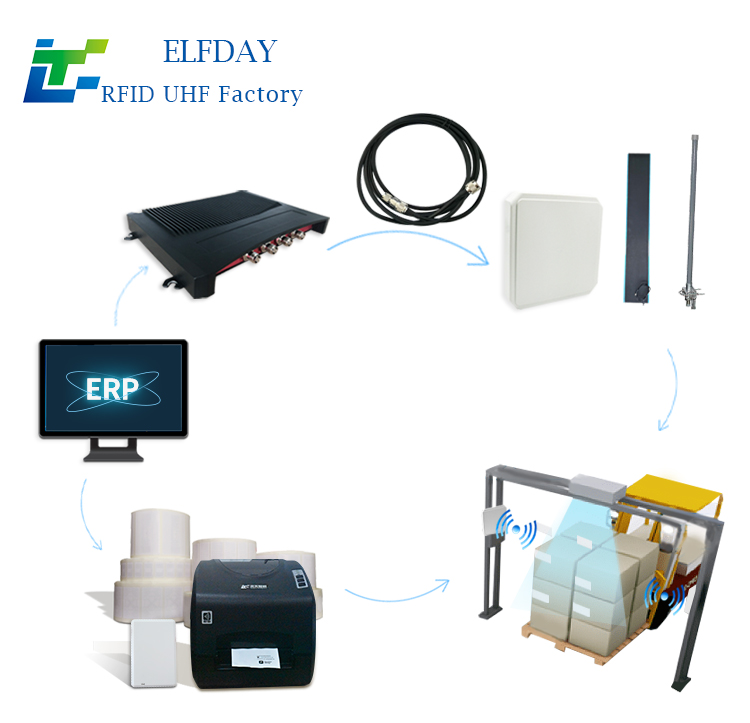
UHF cattle tags use RFID technology to provide each animal with a unique identification number. When scanned by an RFID reader, the information can be connected to a livestock management database.
What are the benefits of UHF cattle tags?
UHF cattle tags improve animal identification accuracy, support real-time tracking, simplify herd management, and help farmers maintain better health and breeding records.
Are UHF cattle tags suitable for large cattle farms?
Yes. Their long-range RFID capability makes them suitable for ranches, dairy farms, and commercial livestock operations that require efficient animal tracking.
Can UHF cattle tags improve livestock traceability?
Yes. By connecting each animal with digital records, UHF cattle tags help farmers track livestock information throughout the production cycle.
How do UHF cattle tags support smart farming?
UHF cattle tags provide reliable animal data that can be integrated with farm management systems, helping farmers make better decisions and improve operational efficiency.