




How to Build a Long-Term RFID Tag Replacement and Replenishment Plan
RFID technology plays an important role in modern inventory management, asset tracking, logistics, and supply chain operations. From warehouse inventory to equipment identification, RFID tags help businesses collect data, identify items, and improve operational efficiency.
However, RFID tags do not last forever. Some may become damaged during daily operations, while others may lose functionality due to environmental exposure, physical wear, or changes in application requirements. Without a structured replacement and replenishment strategy, businesses may experience unexpected shortages, tracking interruptions, and unnecessary purchasing costs.
Building a long-term RFID tag replacement and replenishment plan helps organisations maintain a reliable supply of tags, reduce operational disruptions, and manage replacement costs more effectively.
Understand the Expected Lifespan of RFID Tags
The first step in developing a replacement plan is understanding how long different RFID tags are expected to remain functional.
RFID tag lifespan varies depending on the tag type, materials, operating environment, and application. For example, an RFID label used on cardboard packaging may experience less physical stress than an industrial RFID tag attached to machinery or outdoor equipment.
Several factors can affect tag durability:
Environmental conditions: Exposure to moisture, extreme temperatures, chemicals, and sunlight can affect tag materials and performance.
Physical wear: Repeated handling, friction, impact, and abrasion may damage the tag or its antenna.
Installation method: Improper attachment or unsuitable mounting surfaces can increase the risk of tag failure.
Application requirements: Tags used in high-frequency scanning environments or demanding industrial applications may require more frequent inspection.
Businesses should classify RFID tags according to their applications and expected service life rather than applying the same replacement schedule to every tag.
Establish a System for Monitoring RFID Tag Performance
A reliable replacement strategy depends on knowing which tags are working properly and which ones may need attention.
Regular monitoring helps identify problems before they affect daily operations. Businesses can use RFID readers and management software to track tag performance and identify items that are no longer being detected consistently.
Useful monitoring activities include:
Recording tag installation dates and locations.
Tracking read failures and repeated scanning issues.
Identifying physically damaged or missing tags.
Monitoring tags exposed to harsh operating conditions.
Maintaining replacement records for each asset or inventory category.
It is also important to distinguish between actual tag failures and temporary reading problems. Reader positioning, interference from metal objects, liquid absorption, and antenna configuration can all affect RFID read performance.
A tag should not automatically be replaced simply because it fails to respond during a single scan. Further testing can help determine whether the issue comes from the tag, reader, antenna, or surrounding environment.
Set Clear RFID Tag Replacement Criteria
Not every RFID tag needs to be replaced at the same time. A well-defined replacement policy helps businesses determine when replacement is necessary and avoid unnecessary expenses.
Common replacement triggers include:
Physical damage: Tags with cracked housings, damaged antennas, worn surfaces, or broken attachments should be inspected and replaced when their functionality is compromised.
Repeated read failures: Tags that consistently fail under normal operating conditions should undergo further testing and replacement if a tag-related fault is confirmed.
Application changes: Changes in storage conditions, equipment materials, or tracking requirements may make existing tags unsuitable.
End-of-life considerations: Tags approaching the end of their expected service life can be included in planned maintenance and replacement schedules.
System upgrades: Changes to RFID frequency requirements, encoding standards, or tracking infrastructure may require businesses to evaluate whether existing tags remain compatible.
Establishing clear replacement criteria makes the process more consistent and allows purchasing teams to plan ahead.
Calculate RFID Tag Replenishment Requirements
One of the biggest challenges in long-term RFID tag management is maintaining sufficient stock without purchasing excessive quantities.
A practical replenishment plan should be based on actual usage, historical replacement rates, lead times, and future operational demand.
A basic calculation can help estimate annual requirements:
Annual RFID Tag Demand = New Application Requirements + Expected Replacement Quantity + Safety Stock
For example, consider a warehouse that uses 10,000 RFID tags across its inventory and equipment. Based on historical records, approximately 5% of its tags require replacement each year.
The estimated annual replacement requirement would be:
10,000 × 5% = 500 RFID tags
If the warehouse expects to introduce another 2,000 tagged items, it should also account for those additional tags when calculating future demand.
The final purchasing quantity should include an appropriate safety stock allowance to cover unexpected failures, changes in demand, and supplier delays.
This calculation should be reviewed regularly because replacement rates and operational requirements may change over time.
Maintain an Appropriate RFID Tag Safety Stock
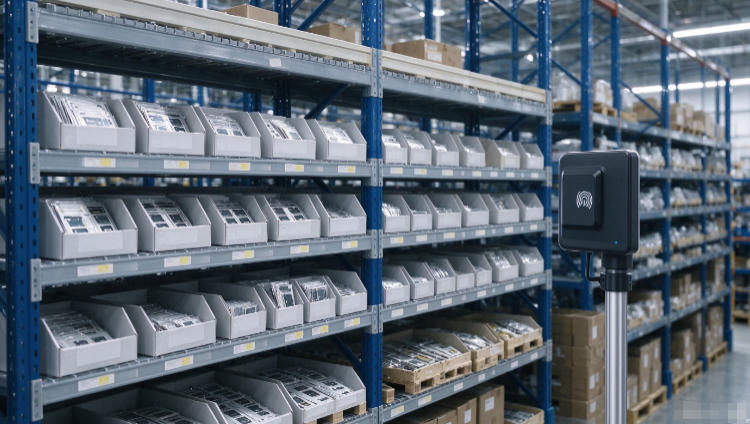
Keeping a reserve of RFID tags is essential for avoiding interruptions when replacements are needed.
However, storing too many tags can increase inventory costs, occupy valuable storage space, and create difficulties when specifications change.
To determine an appropriate safety stock level, businesses should consider:
Average monthly RFID tag consumption.
Supplier production and delivery lead times.
Historical tag failure rates.
Seasonal demand fluctuations.
Minimum order quantities.
The availability of alternative suppliers.
For example, businesses operating large warehouses or distribution centres may need a larger reserve than organisations with relatively stable and low-volume RFID applications.
A practical approach is to establish minimum and maximum inventory levels for each RFID tag type. When stock reaches the minimum threshold, the purchasing team can initiate a replenishment order.
This creates a more predictable purchasing process and reduces dependence on emergency orders.
Standardise RFID Tag Specifications
Using multiple RFID tag models across similar applications can make replenishment more complicated.
Different tags may have different frequencies, chip configurations, memory capacities, read ranges, antenna designs, and physical dimensions. Ordering the wrong specification can result in compatibility issues or additional testing requirements.
Where possible, businesses should standardise RFID tag specifications for applications with similar requirements.
A standardised specification list should include:
RFID frequency, such as LF, HF, or UHF.
Supported RFID protocols.
Chip type and memory capacity.
Tag dimensions and material.
Read range and performance requirements.
Adhesive or mounting method.
Environmental resistance.
Compatibility with existing RFID readers and systems.
Standardisation can simplify purchasing, inventory management, and replacement procedures.
However, it is important not to use one tag model for every application. Metal surfaces, liquid environments, high temperatures, and outdoor exposure may require specialised RFID tags.
The goal is to reduce unnecessary variation while ensuring each application receives a suitable tag.
Build Reliable Supplier and Procurement Arrangements
A long-term replenishment plan also depends on having reliable suppliers.
Businesses should evaluate suppliers based on more than unit price. Product consistency, manufacturing capacity, delivery reliability, technical support, and the ability to maintain specifications are equally important.
Before establishing a long-term purchasing arrangement, consider the following:
Product consistency: Ensure replacement tags meet the same technical specifications as previously supplied products.
Production capacity: Confirm that the supplier can support expected order quantities and future demand.
Lead times: Understand standard production and shipping schedules to avoid last-minute shortages.
Quality control: Request samples and conduct compatibility testing before placing large orders.
Customisation capabilities: For specialised applications, confirm whether the supplier can provide suitable materials, antenna designs, chip configurations, and attachment options.
Maintaining relationships with qualified suppliers can make future replenishment more predictable and reduce the risks associated with sudden changes in product availability.
Create a Regular RFID Tag Inventory Review Schedule
A replacement and replenishment strategy should be reviewed continuously rather than treated as a one-time purchasing exercise.
Regular inventory reviews help businesses identify changes in consumption, detect potential shortages, and adjust purchasing plans according to actual demand.
A practical review schedule might include:
| Review Frequency | Recommended Activities |
| Weekly | Check current RFID tag stock and identify urgent shortages. |
| Monthly | Review consumption, replacement records, and replenishment requirements. |
| Quarterly | Evaluate supplier performance, tag failure rates, and safety stock levels. |
| Annually | Review specifications, long-term demand forecasts, and replacement policies. |
Businesses with high-volume RFID operations may need more frequent reviews, while smaller operations can adopt a simpler schedule.
The key is to establish a consistent process that keeps inventory information accurate and purchasing decisions well informed.
Use RFID Data to Improve Long-Term Replacement Planning
RFID systems can provide useful information for improving tag replacement and replenishment decisions.
By connecting RFID readers with inventory management or asset management software, businesses can maintain more accurate records of tagged items and their operational status.
For example, a centralised system can help organisations:
-
Identify assets associated with specific RFID tag IDs.
-
Track tag installation and replacement dates.
-
Monitor inventory levels across multiple locations.
-
Record recurring tag failures.
-
Analyse replacement trends by application.
-
Generate replenishment reports based on stock thresholds.
Over time, this information helps businesses move from reactive replacement to proactive maintenance.
Instead of waiting until tags fail or inventory runs out, purchasing and operations teams can use historical data to forecast future requirements and schedule orders more effectively.
Develop a Long-Term RFID Tag Replacement Roadmap
Once replacement criteria, inventory levels, and supplier arrangements are established, businesses can bring these elements together into a long-term roadmap.
A structured roadmap may include the following stages:
Stage 1: Initial Assessment
Review existing RFID tag types, quantities, applications, installation dates, and current inventory levels.
Stage 2: Replacement Planning
Define tag replacement criteria, estimate expected failure rates, and establish replacement priorities for different applications.
Stage 3: Inventory and Procurement Setup
Determine minimum stock levels, safety stock quantities, purchasing cycles, and supplier lead times.
Stage 4: Performance Monitoring
Monitor tag functionality, record replacement activities, and review inventory consumption regularly.
Stage 5: Continuous Improvement
Use operational data to update demand forecasts, improve tag selection, and adjust procurement strategies.
This approach helps businesses maintain a consistent supply of RFID tags while adapting to changing operational needs.
A long-term RFID tag replacement and replenishment plan is essential for maintaining reliable identification and tracking operations. By understanding tag lifespan, monitoring performance, establishing replacement criteria, forecasting demand, and maintaining appropriate safety stock, businesses can reduce unexpected shortages and improve inventory control.
Standardised specifications, reliable supplier relationships, and regular performance reviews also help create a more predictable procurement process.
Rather than replacing RFID tags only when problems occur, organisations should treat tag replacement as an ongoing part of asset management and inventory planning. A proactive strategy supports operational continuity, controls purchasing costs, and helps RFID systems remain effective as business requirements evolve.

