




How to Prevent RFID Tags From Becoming Detached During Daily Operations
With the advancement of digitalization, RFID tags are increasingly replacing barcodes and are now widely used across various industries—most notably in asset tracking, inventory management, warehousing operations, and industrial identification. It should be noted, however, that issues may arise during use if the adhesive is poorly chosen, surface preparation is inadequate, or the tags are subjected to vibration, friction, or harsh environmental conditions.
Should an RFID tag detach, it compromises both the inventory accuracy and the tracking records of the associated item. To prevent such detachment, businesses must select the appropriate tag, employ a suitable attachment method, and ensure correct installation.
1. Choose an RFID Tag Suitable for the Application
Not all RFID tags are designed for the same installation environment. Before selecting a tag, consider the item's material, surface shape, operating temperature, and exposure to moisture or chemicals.
For example:
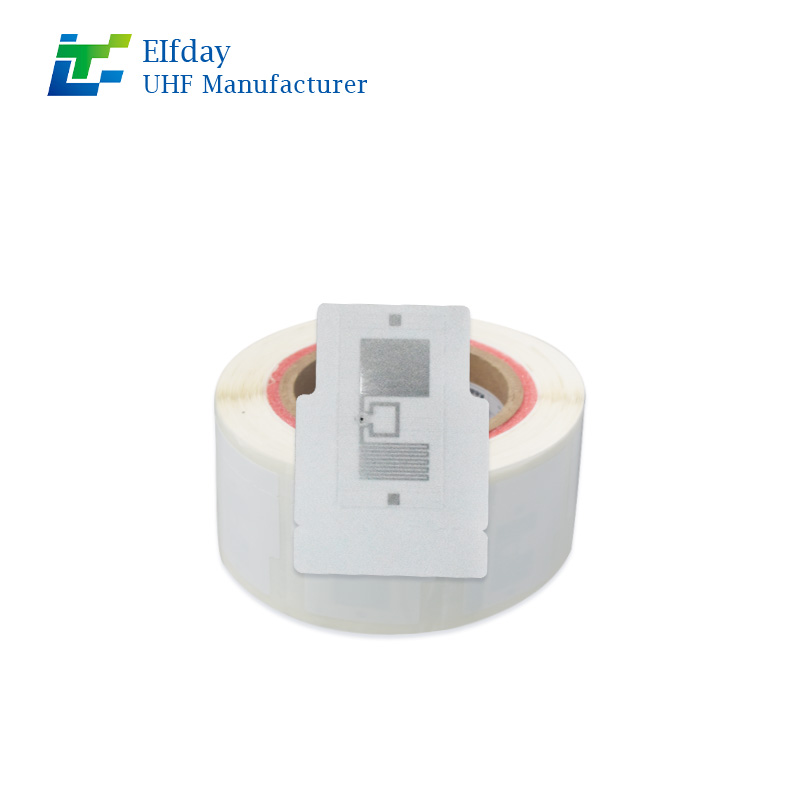
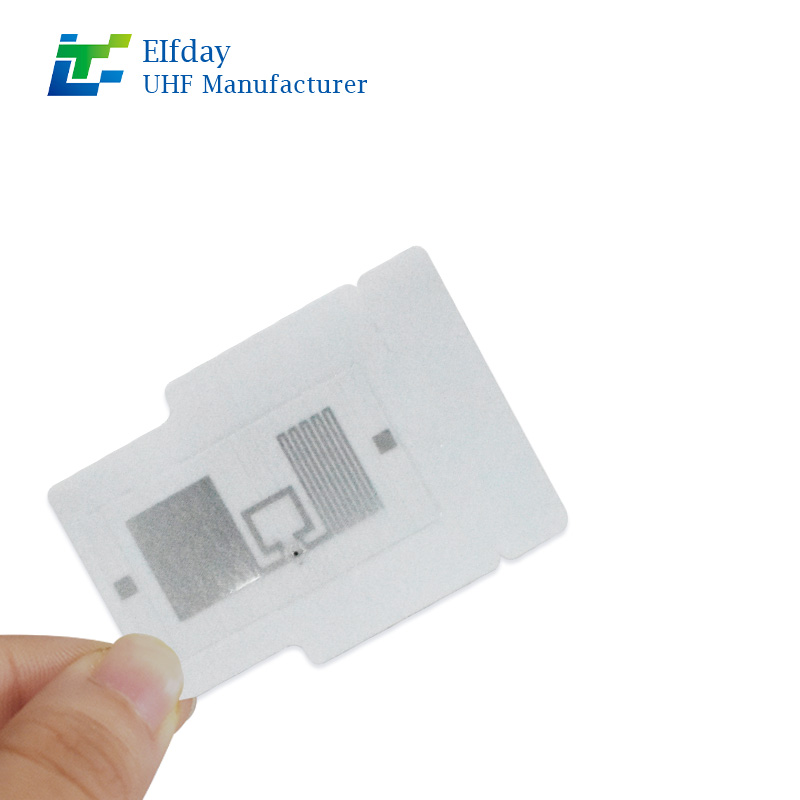
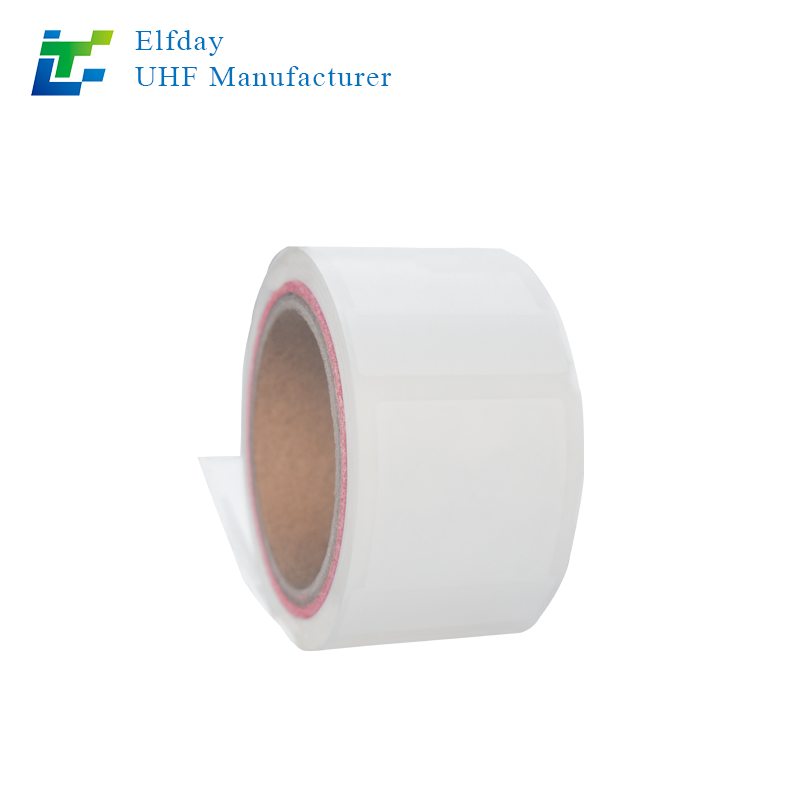
Plastic and cardboard: Adhesive RFID labels may be suitable for smooth, clean surfaces.
Metal equipment: Specialized anti-metal RFID tags are recommended when tags need to be attached directly to metal.
Industrial assets: Hard-shell RFID tags or mechanically secured tags may be more suitable for demanding environments.
Outdoor applications: Choose tags with appropriate environmental protection and attachment materials.
Selecting a tag designed for the actual application helps reduce the risk of detachment.
2. Prepare the Surface Before Installation
Surface preparation is essential for reliable adhesive bonding.
Before attaching an RFID tag:
Remove dust, oil, grease, and other contaminants.
Make sure the mounting surface is dry.
Check for loose paint, rust, or uneven coatings.
Avoid installing tags on surfaces that are excessively rough or curved unless the tag is designed for them.
A clean, dry, and stable surface helps the adhesive make better contact.
3. Use the Right Attachment Method
Adhesive is convenient, but it is not always the best solution.
Depending on the application, RFID tags can be secured using several methods:
Adhesive mounting: Suitable for many smooth surfaces and lightweight tags.
Screws or bolts: Useful for certain industrial hard tags with mounting holes.
Rivets: Can provide mechanical fastening for compatible tag designs.
Cable ties or brackets: Suitable for some pipes, containers, and irregularly shaped assets.
Embedding: Appropriate when the product or equipment design allows the RFID tag to be integrated into the structure.
The attachment method should match both the tag design and the item's operating conditions.
4. Consider Vibration, Friction, and Environmental Conditions
RFID tags may experience repeated movement, impact, vibration, or contact with other objects during daily operations.
These conditions can gradually weaken adhesive bonds or damage mounting structures.
Before installation, consider:
Whether the item experiences continuous vibration.
Whether the tag may rub against nearby objects.
Whether the surface becomes hot during operation.
Whether the tag is exposed to water, oil, or cleaning chemicals.
Whether the item is frequently handled or transported.
For demanding applications, select tags and mounting methods that have been tested under representative operating conditions.
5. Inspect RFID Tags Regularly
Even correctly installed RFID tags should be checked during routine maintenance.
Employees can inspect whether tags are loose, damaged, partially detached, or missing. If a tag needs replacement, update the identification records to maintain the correct association between the tag ID and the asset.
A simple inspection procedure can help identify attachment problems before they affect daily operations.
Common Mistakes That Cause RFID Tags to Fall Off
| Common Mistake | Possible Consequence |
| Applying tags to dirty surfaces | Weak adhesive bonding |
| Using unsuitable adhesive | Premature detachment |
| Installing tags on incompatible materials | Poor attachment or readability |
| Ignoring vibration and friction | Gradual loosening or damage |
| Choosing the wrong tag structure | Inadequate mechanical protection |
| Skipping regular inspections | Undetected missing or loose tags |
Avoiding these mistakes can improve RFID tag installation reliability.
Preventing RFID tags from becoming detached requires more than choosing a strong adhesive. Businesses should consider the application environment, surface material, tag structure, attachment method, and daily operating conditions.
For smooth surfaces, adhesive RFID labels may be sufficient. For metal equipment or demanding industrial environments, specialized anti-metal tags and mechanical mounting methods may provide a more appropriate solution.
By selecting suitable RFID tags, preparing surfaces correctly, and performing regular inspections, businesses can reduce tag detachment and maintain more reliable identification throughout daily operations.
Looking for RFID tags for industrial equipment, warehouse inventory, or asset tracking? Explore EFLDAY's RFID tag solutions to find a suitable option for your application.